
 한국어
한국어 English
 日本語
日本語 中文(简体)
 Viewing nowCombination
Dubi Empaglin Tablet 0.5/25 mg (Lobeglitazone, Empagliflozin)
Empagliflozin L-Proline 31.38mg · Lobeglitazone Sulfate 0.5mg
Tablet · Prescription medication · Combination
Jongkundang Co., Ltd.
MFDS item code 202503330 · Approved 2025.12.19
Improvement of blood sugar control in type 2 diabetes
This medication is used to improve blood sugar control in adults with type 2 diabetes by combining Lobeglitazone and Empagliflozin. It is primarily taken in conjunction with dietary and exercise therapy to aid in blood sugar management.
This medication may be administered once daily, irrespective of meals, to patients with type 2 diabetes, using Lobeglitazone sulfate 0.5 mg and Empagliflozin 10 mg, or Lobeglitazone sulfate 0.5 mg and Empagliflozin 25 mg, with a single tablet. The tablet should not be divided.
This medication can burden the heart, thus it should be used with caution in patients with heart failure. If symptoms of heart failure appear, immediate evaluation by a physician is required, and discontinuation may be necessary if needed. This medication should not be used in patients with severe heart failure. Additionally, it should not be used by patients with severely impaired liver or kidney function, those with diabetic ketoacidosis, or patients before and after severe infections or surgeries. When used with other hypoglycemic agents, there is a risk of hypoglycemia, so careful monitoring is needed. In cases of reduced kidney function, regular kidney function tests should be performed, and this medication is not recommended if kidney function is very poor. This medication may cause edema or weight gain due to fluid retention, so if these symptoms occur, consultation with a physician is necessary. Liver function may be impaired, so careful monitoring for signs of liver damage should be done along with liver tests. Ocular diseases such as macular edema may occur, and immediate consultation with a specialist is necessary if visual disturbances occur. Long-term use may increase the risk of fractures, so attention to bone health is essential. While taking this medication, regular checks of blood sugar and blood tests, including health status, should be conducted. Women planning to become pregnant or pre-menopausal women should use appropriate contraceptive methods due to the possibility of ovulation promotion. This medication can induce ketoacidosis; thus, if symptoms such as nausea, vomiting, abdominal pain, or difficulty breathing appear, immediate notification to a physician is required. Elderly patients are at a higher risk of fluid loss, so careful monitoring for signs of dehydration is essential. There is a risk of urinary infections and genital fungal infections, so appropriate treatment must be sought if infection symptoms arise. Caution is needed for the risk of hypoglycemia when driving or operating machinery. There may be drug interactions with this medication and others, so inform your physician or pharmacist of any other medications you are taking.
Urticaria, severe swelling (edema), chest tightness, difficulty breathing, cold sweats, pallor, severe rash with high fever, blisters, peeling skin, pain in mouth/eye mucosa, shortness of breath or breathing difficulties, asthma attacks, abnormal breathing with cough and fever, yellowing of skin or eyes (jaundice), extreme fatigue, sudden and severe headache, thunderclap headache, seizures, altered consciousness, visual disturbances, paralysis, urine
Not everyone experiences these, and they can vary from person to person.
This medication should be stored in a tightly sealed container to protect it from air or moisture, preferably at room temperature, between 1 to 30 degrees Celsius. This storage method helps maintain the medication's effectiveness and prevent deterioration.
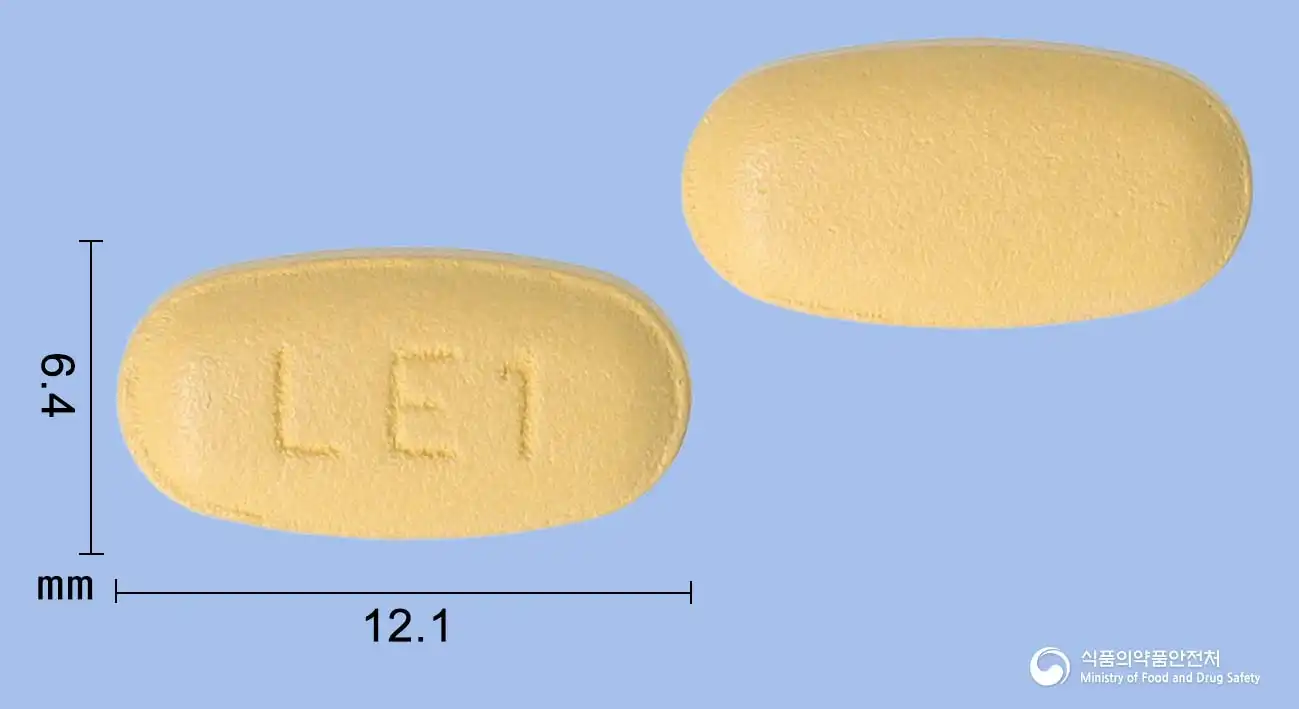
Yellow oval film-coated tablet
30 tablets/bottle
Even with the same ingredient, strength, dosage form and how it is taken can differ.
Viewing nowCombinationEmpagliflozin L-Proline 31.38mg · Lobeglitazone Sulfate 0.5mg
Tablet · Prescription medication · Combination
Jongkundang Co., Ltd.
 Combination
Empagliflozin L-Proline 12.55mg · Lobeglitazone Sulfate 0.5mg
Tablet · Prescription medication · Combination
JW Pharmaceutical Corp.
Even with the same ingredient, the dose and directions can differ by strength and dosage form. Talk to a doctor or pharmacist before switching from a medication you are already taking.
No questions yet.
For anything that needs medical judgment, consult a doctor or pharmacist.
This drug information is based on data provided by the Korea Ministry of Food and Drug Safety.
Consult a doctor or pharmacist for accurate dosage, administration, and usage instructions.