
 한국어
한국어 English
 日本語
日本語 中文(简体)
 Viewing nowCombination
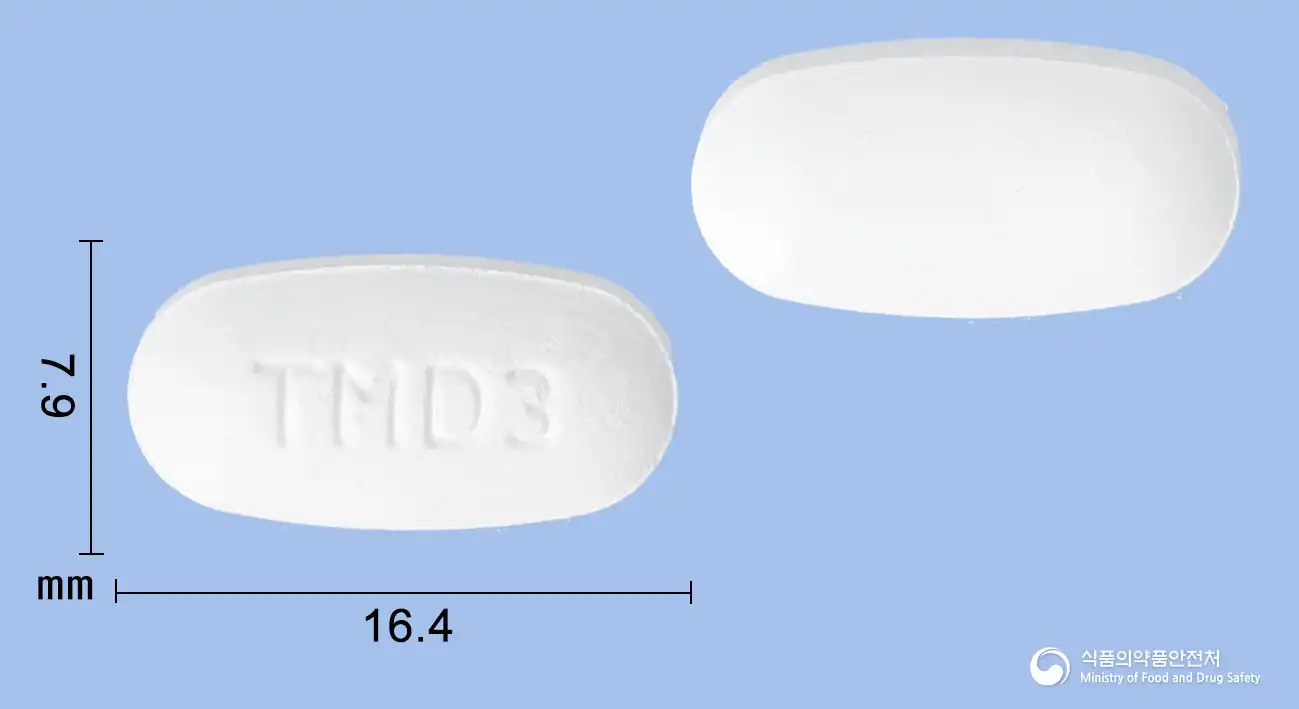
Telmisartan Amlodipine Chlorthalidone 80/5/25 mg (Telmisartan, Amlodipine, Chlorthalidone)
Telmisartan 80mg · Chlorthalidone 25mg +1 more
Prescription medication · Combination
Hana Pharmaceutical Co., Ltd.
MFDS item code 202503277 · Approved 2025.12.15
Improvement in blood pressure control for essential hypertension
Essential hypertension is treated with combination therapy using telmisartan and amlodipine; however, there may be cases where blood pressure control remains challenging. In such cases, additional treatments or medication adjustments may be necessary. It is crucial to manage essential hypertension consistently, as proper treatment can help prevent complications and improve health.
This medication should be taken once daily, one tablet, with or without food. It is advisable to take it at the same time every day (e.g., in the morning). For patients whose blood pressure is not well-controlled, a dose of 40/5/12.5 mg may be administered, with dose adjustments considering the patient's blood pressure response at intervals of more than 2 weeks. The maximum dosage is 80/5/25 mg.
This medication should not be taken during pregnancy, especially during the second and third trimesters, as it can cause serious harm to the fetus. Patients with impaired liver function or ongoing liver diseases should exercise caution when taking this medication because of the risk of severe side effects such as hepatic coma. Patients with severe kidney disease should use this medication cautiously as it may affect kidney function, potentially raising blood urea nitrogen levels. Those allergic to this drug or its ingredients, individuals with certain heart diseases, obstructive biliary diseases, pregnant women, or breastfeeding mothers should not take this medication. During treatment for hypertension, symptoms such as hypotension, dizziness, and electrolyte imbalances may occur, so immediate consultation with a healthcare professional is necessary if symptoms arise. This medication may interact with other antihypertensives, diuretics, lithium, digoxin, etc., so it is essential to inform healthcare providers of any other medications being taken. Caution is needed during driving or operating machinery, as dizziness or drowsiness may occur while taking this medication. Elderly patients may experience stronger effects from this medication, so starting with a lower dose and gradually increasing it is recommended. In case of overdose, symptoms such as hypotension, dizziness, and cardiac issues may occur, necessitating immediate medical attention. This medication should be stored in a light-protected container and in a cool, dry place, away from the reach of children.
Hives, severe swelling (edema), chest tightness, difficulty breathing, cold sweat, pallor, severe rash with high fever, blisters, skin peeling, pain in mucous membranes of mouth/eyes, shortness of breath or difficulty breathing, asthma attack, respiratory irregularities accompanied by cough and fever, yellowing of the skin or eyes (jaundice), extreme fatigue, sudden and severe headache, thunderclap headache, seizures, confusion, visual disturbances, paralysis, urination problems
Dizziness, dyslipidemia, lower back pain, rash, abdominal pain, rectal bleeding, nausea, hemorrhagic gastritis, constipation, retinal hemorrhage, visual disturbance, chest discomfort, chest pain, lethargy, hypokalemia, hyponatremia, gingivitis, insomnia, dyspnea, angioedema, palpitations, erectile dysfunction, increased sweating, erythema, atrial fibrillation, congestive heart failure, myocardial infarction, worsening of hypertension, hypotension (including orthostatic hypotension), hyperkalemia, hypoglycemia, hallucinations
Not everyone experiences these, and they can vary from person to person.
This medication is sensitive to light and should be stored in a light-blocking container. Additionally, to maintain its efficacy, it should be stored at room temperature between 1 degree and 30 degrees Celsius.
White oval biconvex tablet
30 tablets/box [(10 tablets/PTP*3)]
Even with the same ingredient, strength, dosage form and how it is taken can differ.
Viewing nowCombinationTelmisartan 80mg · Chlorthalidone 25mg +1 more
Prescription medication · Combination
Hana Pharmaceutical Co., Ltd.
 Combination
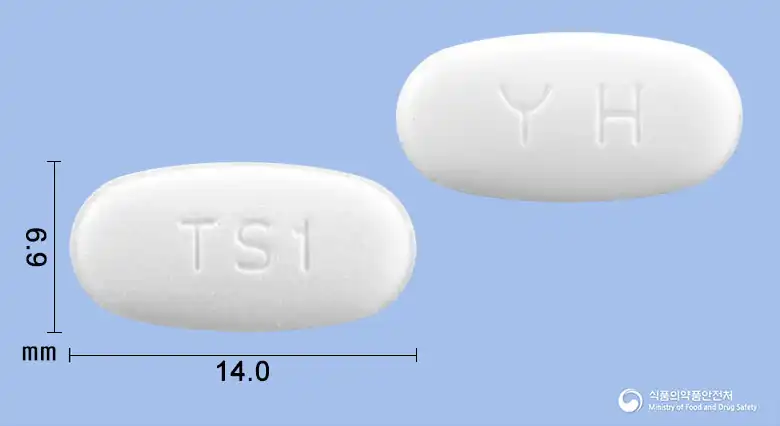
Telmisartan 40mg · Amlodipine Besylate 6.935mg +1 more
Prescription medication · Combination
Yuhan Corporation
 Combination
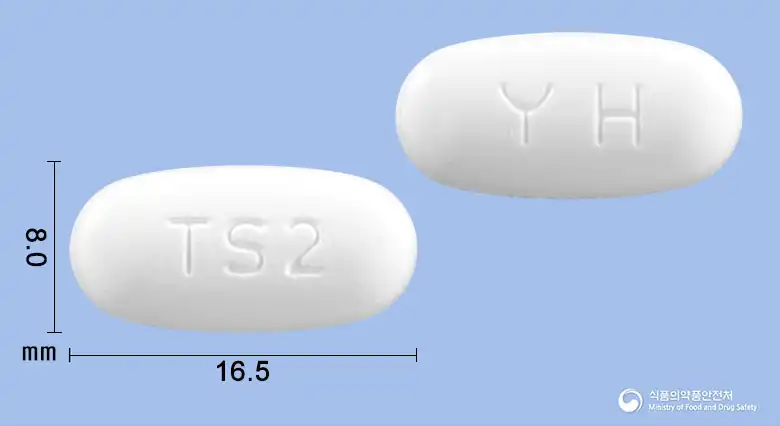
Telmisartan 80mg · Amlodipine Besylate 6.935mg +1 more
Prescription medication · Combination
Yuhan Corporation
 Combination
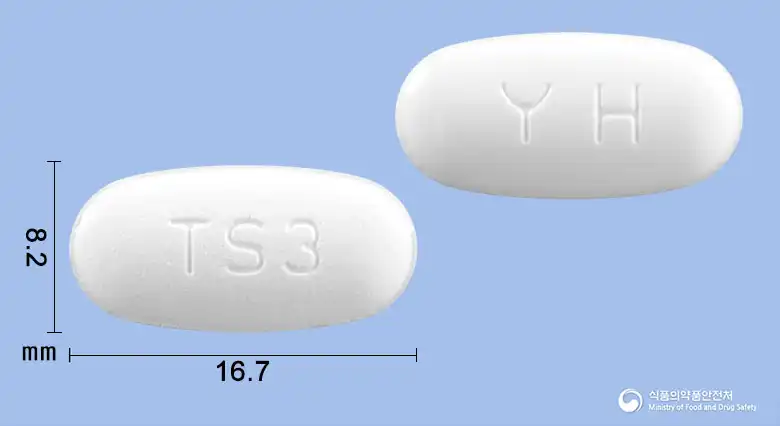
Telmisartan 80mg · Amlodipine Besylate 6.935mg +1 more
Prescription medication · Combination
Yuhan Corporation
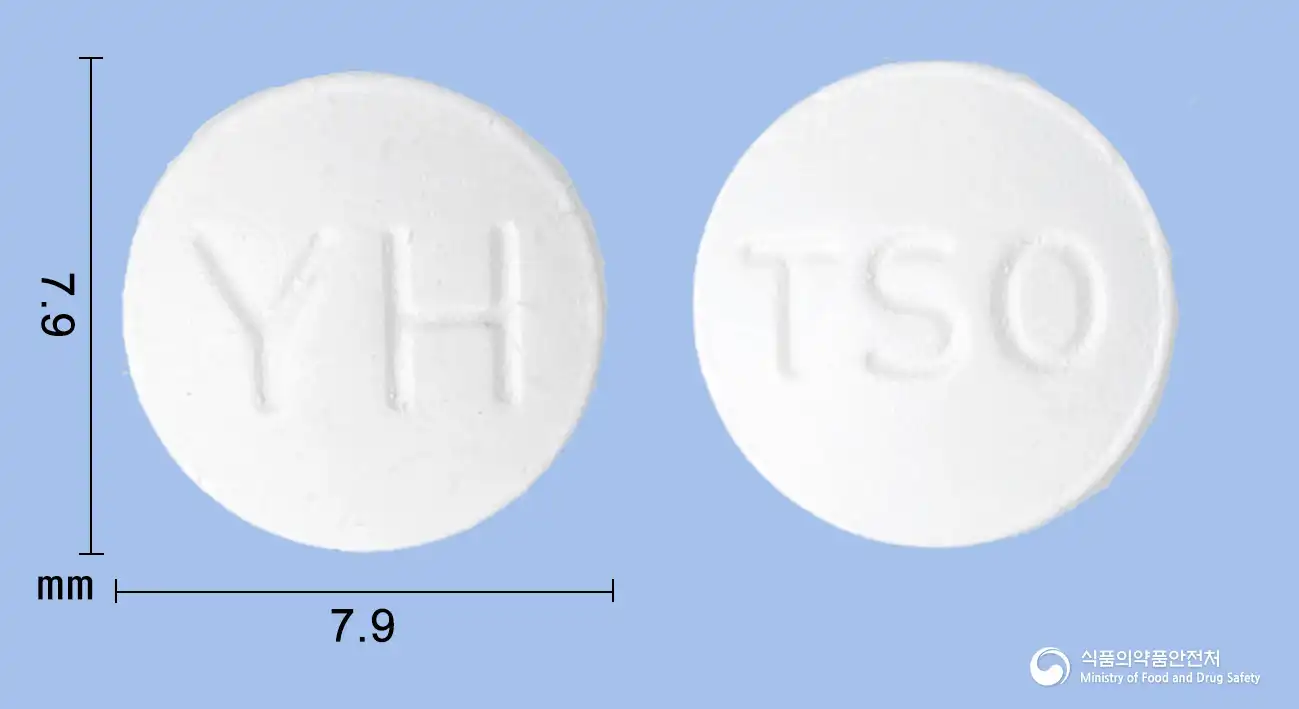 Combination
Telmisartan 20mg · Chlorthalidone 6.25mg +1 more
Tablet · Prescription medication · Combination
Yuhan Corporation
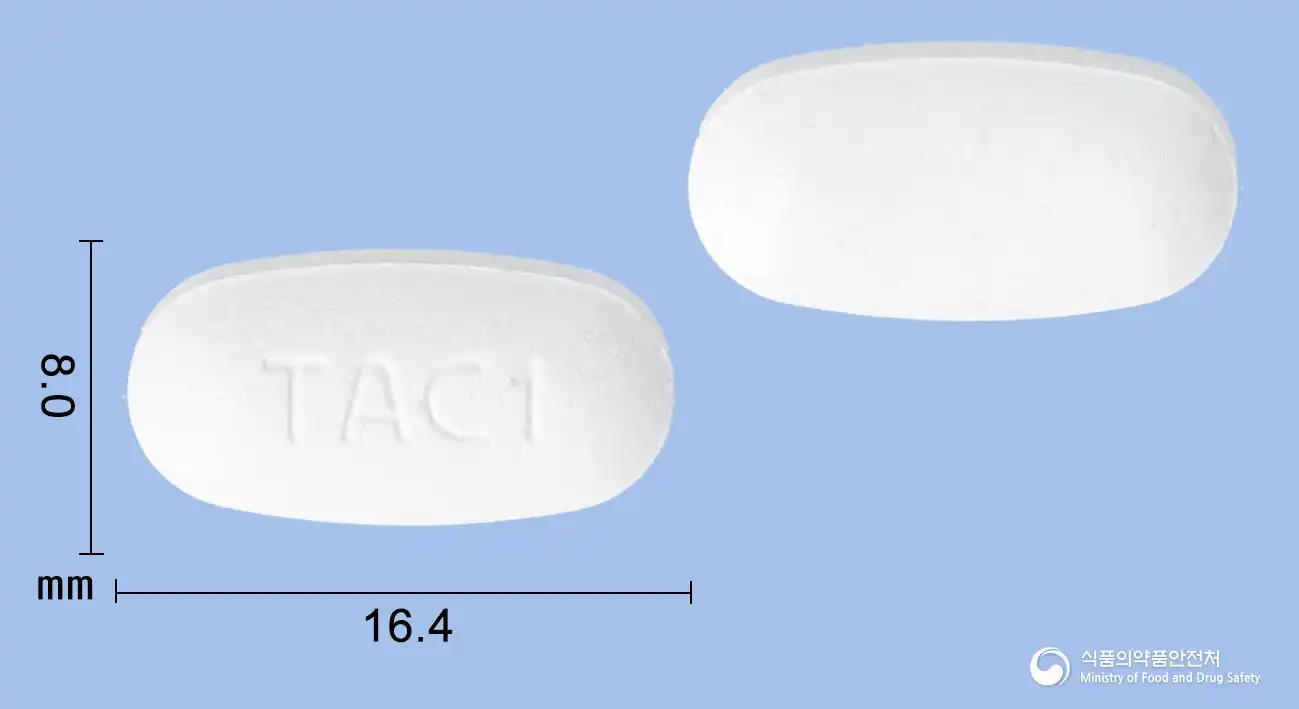 Combination
Telmisartan 80mg · Chlorthalidone 25mg +1 more
Prescription medication · Combination
Genupharm Co., Ltd.
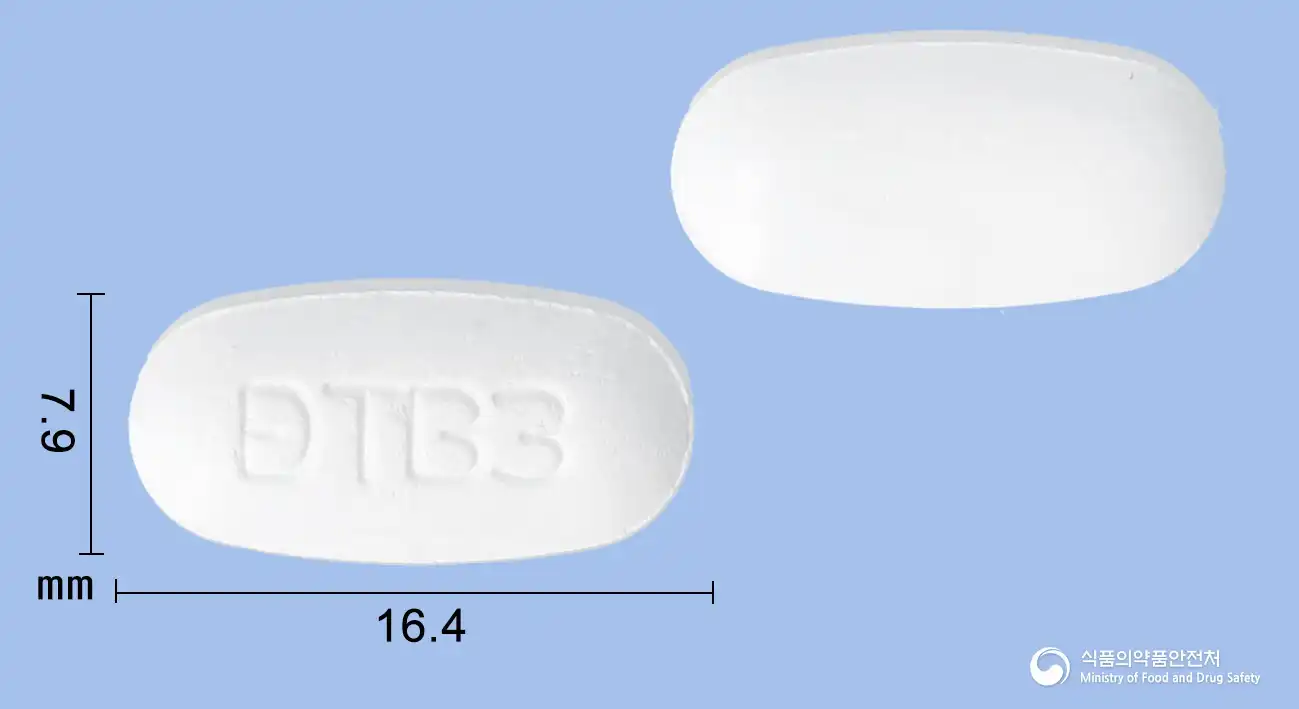 Combination
Telmisartan 80mg · Chlorthalidone 25mg +1 more
Prescription medication · Combination
Daewoong Bio Co., Ltd.
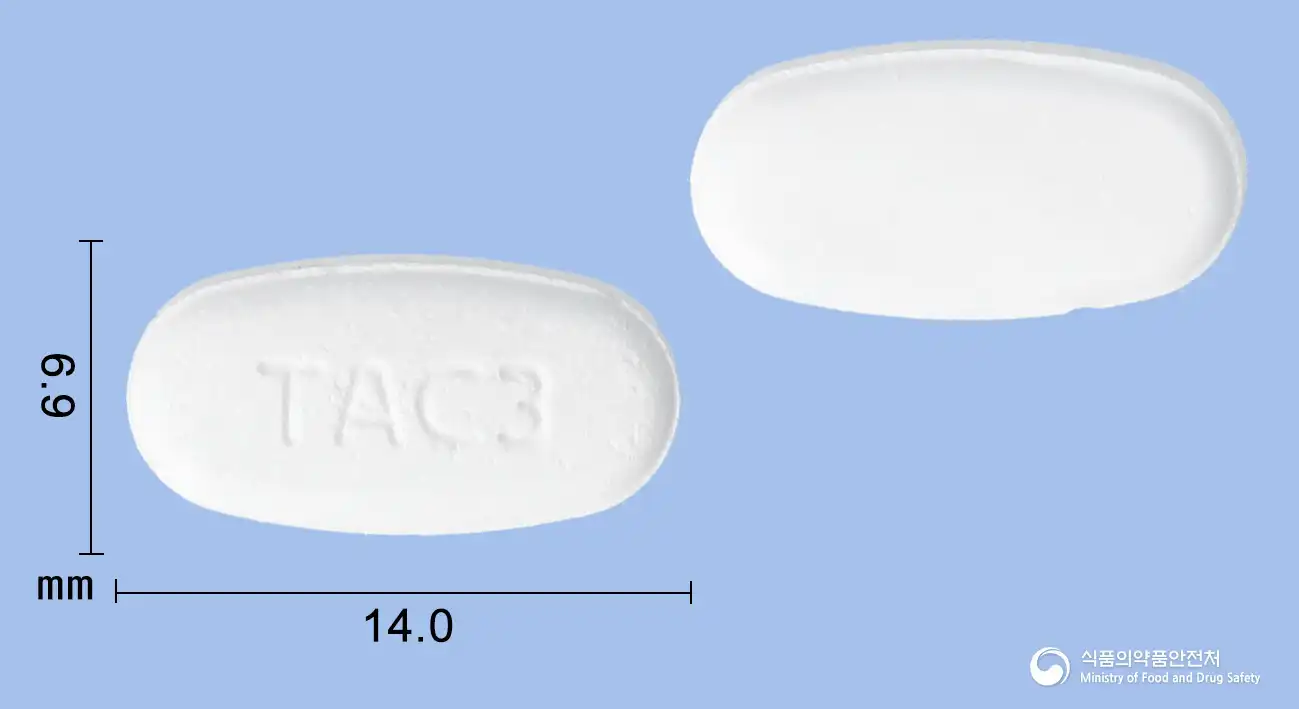 Combination
Telmisartan 40mg · Chlorthalidone 12.5mg +1 more
Prescription medication · Combination
Genupharm Co., Ltd.
Even with the same ingredient, the dose and directions can differ by strength and dosage form. Talk to a doctor or pharmacist before switching from a medication you are already taking.
No questions yet.
For anything that needs medical judgment, consult a doctor or pharmacist.
This drug information is based on data provided by the Korea Ministry of Food and Drug Safety.
Consult a doctor or pharmacist for accurate dosage, administration, and usage instructions.