
 한국어
한국어 English
 日本語
日本語 中文(简体)
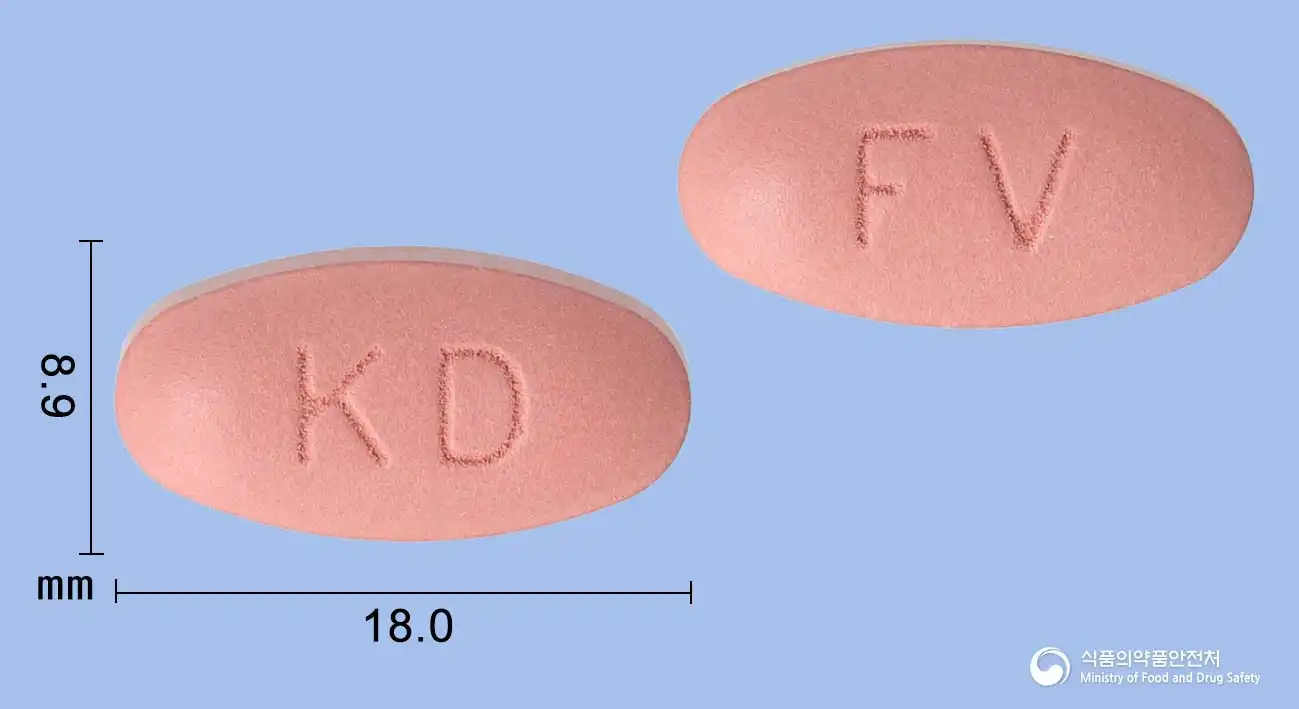 Viewing nowCombination
Phenobarbital Tablets 2/145 mg (Pitavastatin Calcium, Fenofibrate)
Fenofibrate 145mg · Pitavastatin Calcium 2mg
Tablet · Prescription medication · Combination
Kyungdong Pharmaceutical Co., Ltd.
MFDS item code 202503209 · Approved 2025.12.09
Control of LDL cholesterol and improvement of dyslipidemia
This medication is used for the treatment of mixed dyslipidemia in high-risk adult patients with coronary artery disease. It effectively regulates LDL cholesterol levels while helping to improve high triglyceride levels and low HDL cholesterol levels. This is effective in reducing the risk of cardiovascular disease and maintaining healthy blood lipid levels, making it useful for overall management of lipid abnormalities in patients.
As a recommended dose, take 1 tablet once daily regardless of meals.
This medication is used to lower blood lipid levels. Adverse effects such as muscle problems may occur during treatment, so it is important to consult a doctor immediately if symptoms such as muscle pain, muscle weakness, or cramps appear. Severe muscle damage can lead to a serious condition called rhabdomyolysis, so caution is necessary. Patients over 65 years of age, women, individuals with impaired kidney function, those with thyroid dysfunction, hypoalbuminemia patients, and individuals with a history of muscle disease should confirm muscle damage through blood tests before starting this medication. Additionally, this medication may increase the risk of muscle toxicity when used with other lipid-lowering agents or specific medications, so be sure to inform your doctor if you are taking other medications. Pregnant women, nursing mothers, children under 18 years of age, or patients with severe liver disease or kidney disorders should not use this medication. Regular liver function tests and muscle-related tests should be performed during treatment, and the medication should be discontinued immediately if symptoms of hepatitis or muscle abnormalities occur and consult a doctor. Excessive alcohol consumption can burden the liver, so caution is advised. This medication should be used with caution in patients with cholelithiasis or those with a history of pancreatitis, and the dosage may need to be adjusted if you are taking anticoagulants due to potential effects on blood coagulation. Be cautious when driving or operating machinery as dizziness may occur, and although rare, serious skin reactions or allergic reactions may occur, so seek medical attention immediately if abnormal symptoms occur. Before taking this medication, dietary and exercise therapies should be fully implemented, and if no treatment effect is observed, the medication should be discontinued. If surgery is planned, the medication should be stopped a few days in advance, and it may also need to be temporarily halted in case of major illnesses. In case of overdose, there is no specific antidote, and appropriate treatment should be received depending on the symptoms, and this medication is not intended for use in children. Finally, this medication should be kept out of reach of children and stored in its original container for safety.
Urticaria, severe swelling (edema), chest tightness, interstitial lung disease, difficulty in breathing, jaundice, sudden and severe headache, paralysis, rhabdomyolysis, thrombosis, pulmonary embolism, deep vein thrombosis, pancreatitis, severe skin reactions (erythema multiforme, Stevens-Johnson syndrome, toxic epidermal necrolysis), angioedema, headache, paralysis, confusion, abnormal vision, increased blood pressure, kidney failure, acute hypersensitivity (anaphylaxis), blood
Not everyone experiences these, and they can vary from person to person.
This medication should be stored in a tightly closed container to prevent exposure to air and moisture. Avoid storing in excessively hot or cold places; it is advisable to store between 1°C and 30°C at room temperature.
Pink oval film-coated tablets
30 tablets/bottle
Even with the same ingredient, strength, dosage form and how it is taken can differ.
Viewing nowCombinationFenofibrate 145mg · Pitavastatin Calcium 2mg
Tablet · Prescription medication · Combination
Kyungdong Pharmaceutical Co., Ltd.
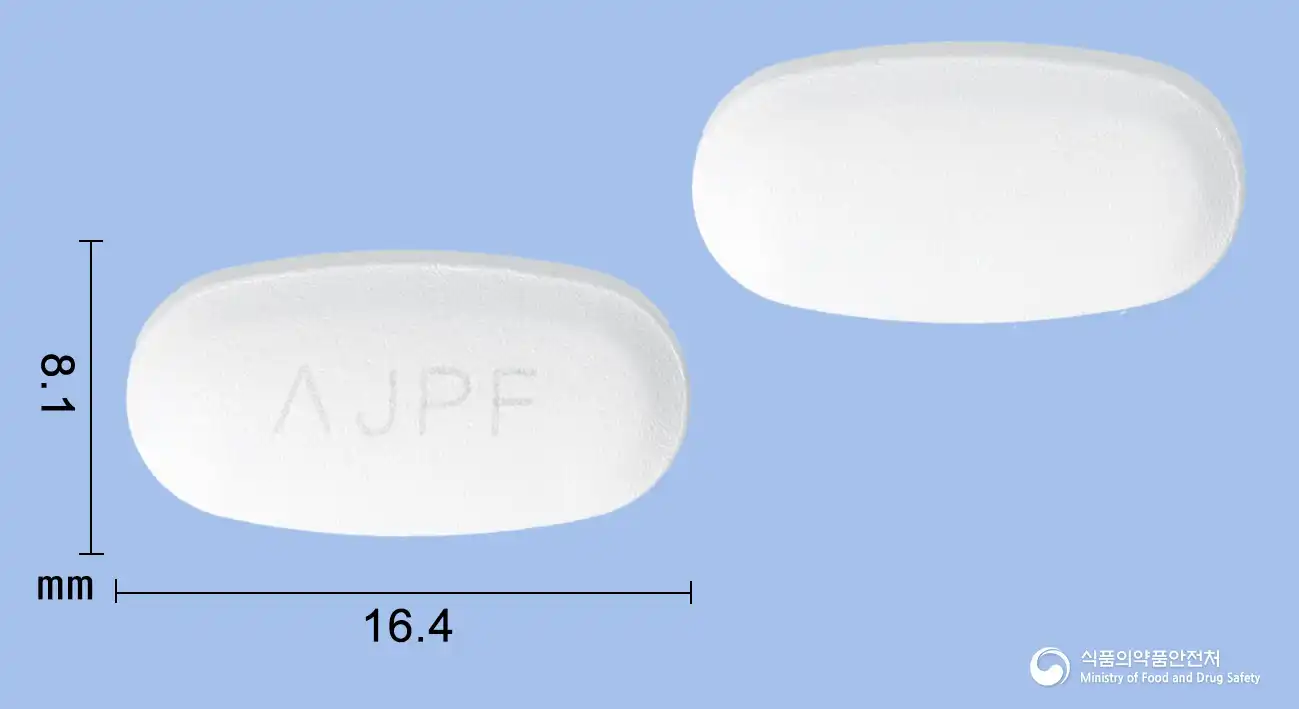 Combination
Pitavastatin Calcium Hydrate 2.205mg · Fenofibrate 160mg
Tablet · Prescription medication · Combination
Ajou Pharmaceutical Co., Ltd.
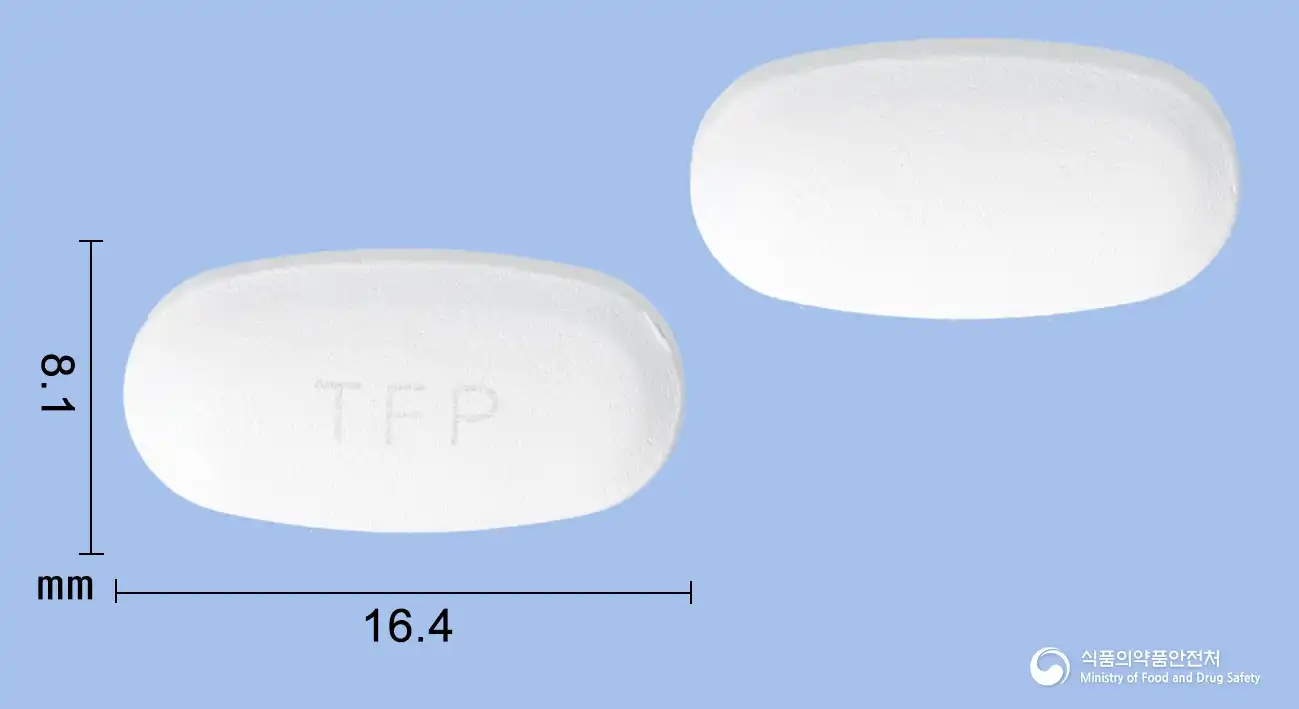 Combination
Pitavastatin Calcium Hydrate 2.205mg · Fenofibrate 160mg
Tablet · Prescription medication · Combination
Teragen Etex Co., Ltd.
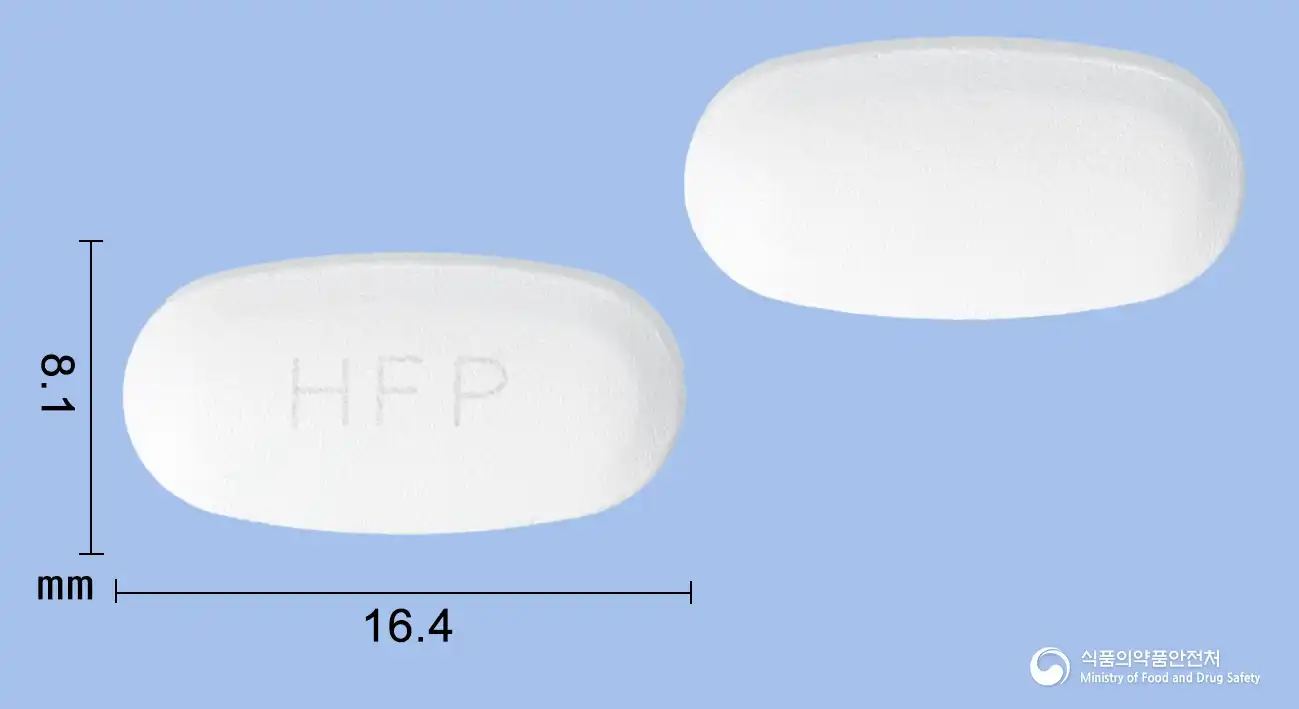 Combination
Pitavastatin Calcium Hydrate 2.205mg · Fenofibrate 160mg
Tablet · Prescription medication · Combination
Hana Pharmaceutical Co., Ltd.
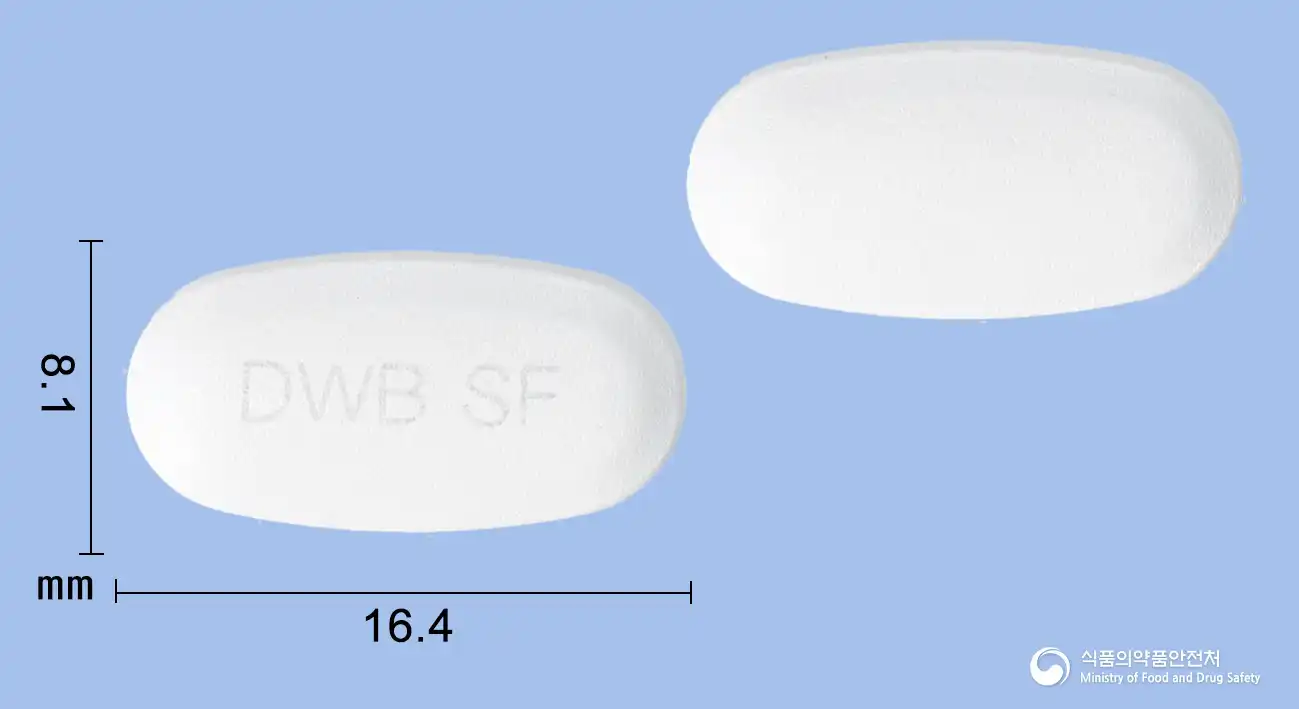 Combination
Pitavastatin Calcium Hydrate 2.205mg · Fenofibrate 160mg
Tablet · Prescription medication · Combination
Daewoong Bio Co., Ltd.
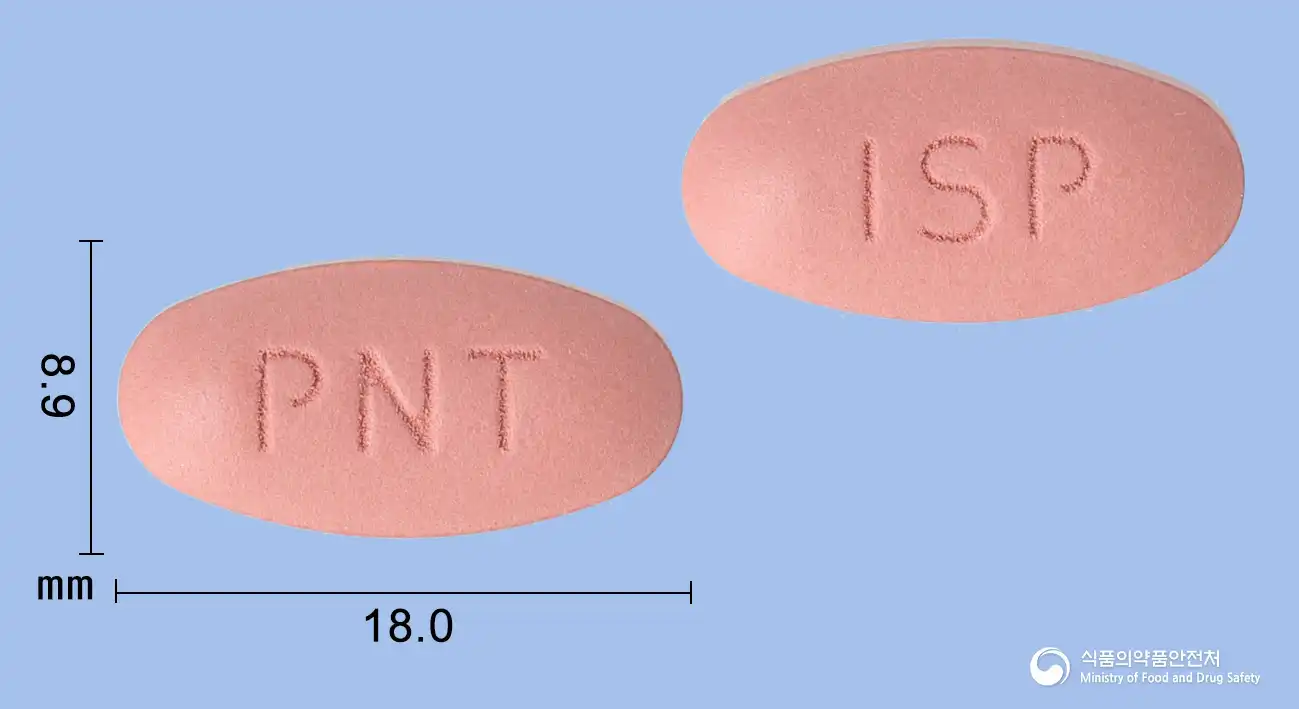 Combination
Fenofibrate 145mg · Pitavastatin Calcium 2mg
Tablet · Prescription medication · Combination
Il Sung IS Co., Ltd.
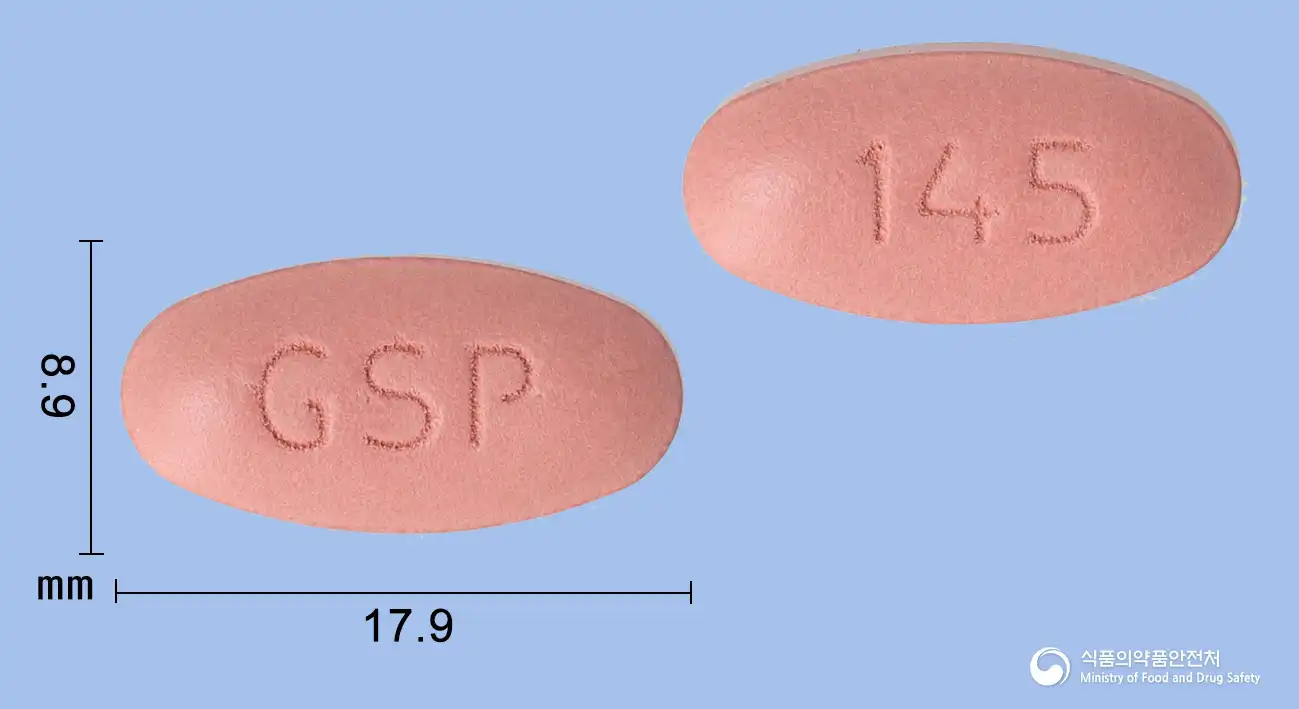 Combination
Fenofibrate 145mg · Pitavastatin Calcium 2mg
Tablet · Prescription medication · Combination
Samchundang Pharmaceutical Co., Ltd.
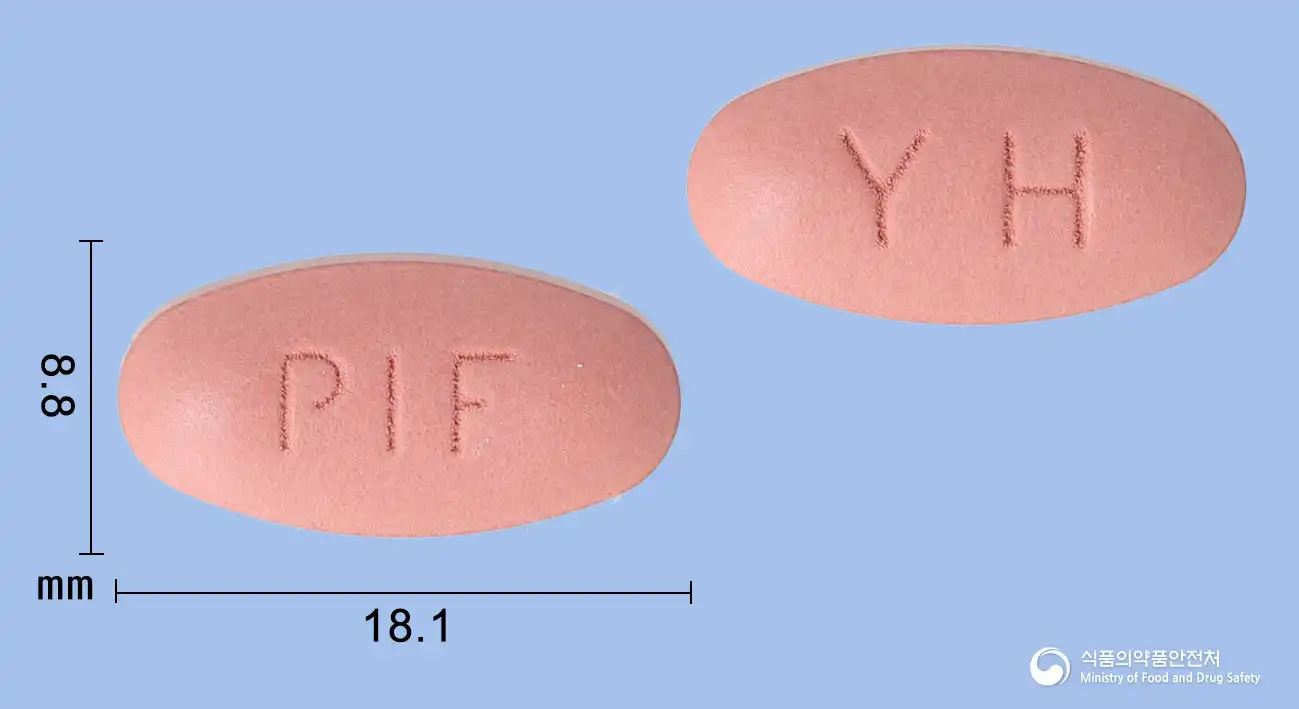 Combination
Fenofibrate 145mg · Pitavastatin Calcium 2mg
Tablet · Prescription medication · Combination
Yuhan Corporation
Even with the same ingredient, the dose and directions can differ by strength and dosage form. Talk to a doctor or pharmacist before switching from a medication you are already taking.
No questions yet.
For anything that needs medical judgment, consult a doctor or pharmacist.
This drug information is based on data provided by the Korea Ministry of Food and Drug Safety.
Consult a doctor or pharmacist for accurate dosage, administration, and usage instructions.