
 한국어
 English
 日本語
 中文(简体)
Dosage form image
Viewing nowTegoid 50 mg Tablet (Tegoprazan)
Tegoprazan 50mg
Tablet · Prescription medication
Ildong Pharmaceutical Co., Ltd.
MFDS item code 202503034 · Approved 2025.11.20
Treatment and maintenance of reflux disease (25mg), treatment of gastric ulcers, Helicobacter pylori eradication therapy
This medication is used for the treatment of erosive and non-erosive gastroesophageal reflux disease. It is also used in combination with antibiotics for the eradication of Helicobacter pylori in patients with gastric ulcers and peptic ulcers or chronic atrophic gastritis. It is used as maintenance therapy after the treatment of erosive gastroesophageal reflux disease to prevent symptom relapse. It is effectively used for the treatment and management of various gastrointestinal disorders.
This medicine is administered to adults as follows. 1. Treatment of erosive gastroesophageal reflux disease Administer 50 mg orally once daily for 4 weeks. For patients whose esophagitis has not healed or whose symptoms persist, administer for an additional 4 weeks. 2. Treatment of non-erosive gastroesophageal reflux disease Administer 50 mg orally once daily for 4 weeks. 3. Treatment of gastric ulcers Administer 50 mg orally once daily for 8 weeks. 4. Concomitant antibiotic therapy for Helicobacter pylori eradication in patients with peptic ulcers and/or chronic atrophic gastritis Patients with Helicobacter pylori infection should receive eradication therapy. Administer this medicine 50 mg with amoxicillin 1 g and clarithromycin 500 mg orally twice daily for 7 days. 5. Maintenance treatment after treatment of erosive gastroesophageal reflux disease <limited to 25mg> Administer 25 mg orally once daily. This medicine may be taken with or without food.
This medication should not be used in individuals with hypersensitivity to this drug or any of its components, or with a history of such reactions. It should be avoided in patients taking specific medications that may interact with this drug, as well as in pregnant or breastfeeding women. Due to insufficient experience with this drug in patients with impaired liver or kidney function, caution should be exercised when administering it. Older adults should also use it carefully considering decreased body function. Gastrointestinal symptoms such as nausea, diarrhea, and dyspepsia may occur while using this drug, and rare adverse reactions such as headache, dizziness, and skin rash may occur. Long-term use may lead to vitamin B12 deficiency, and tests should be performed if symptoms arise. It may also increase the risk of fractures related to osteoporosis, and appropriate treatment should be administered if necessary. Additionally, this medication suppresses gastric acid secretion, which may slightly increase the risk of bacterial infections in the gastrointestinal tract; thus, if diarrhea persists, consult a physician. There is no known specific impact on driving or machinery operation, but caution is required based on the patient's condition. This medication may interact with other drugs, so inform healthcare providers if you are taking other medications, especially specific antiviral or antifungal agents. It is safest not to use this medication during pregnancy or breastfeeding, and safety in pediatric and adolescent populations has not been established. Although serious cases of overdose are rare, immediate evaluation and treatment by healthcare providers are necessary if symptoms occur. This medication should be stored out of the reach of children, and transferring it to another container is not recommended for maintaining quality.
Not everyone experiences these, and they can vary from person to person.
This medication should be stored in a tightly sealed container to prevent exposure to air or moisture. It is important to maintain a storage temperature between 1 to 30 degrees Celsius.
Light pink oblong film-coated tablets
30 tablets/bottle, 300 tablets/bottle
Even with the same ingredient, strength, dosage form and how it is taken can differ.
Tegoprazan 50mg
Tablet · Prescription medication
Ildong Pharmaceutical Co., Ltd.
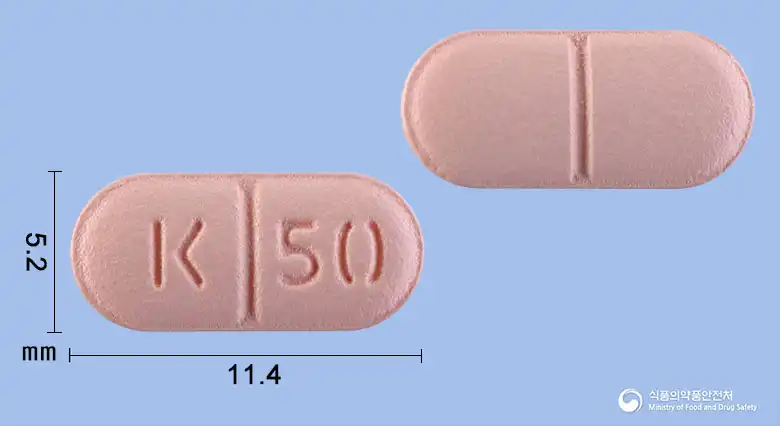
Tegoprazan 50mg
Tablet · Prescription medication
HK inno.N Co., Ltd.
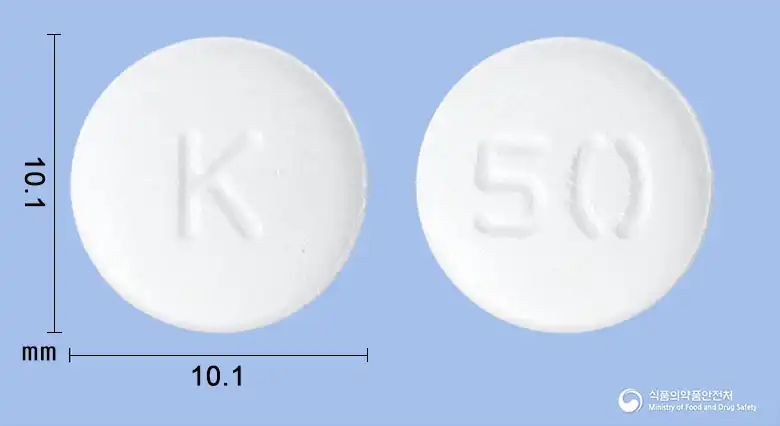
Tegoprazan 50mg
Orally disintegrating Tablet · Prescription medication
HK Inno.N Co., Ltd.
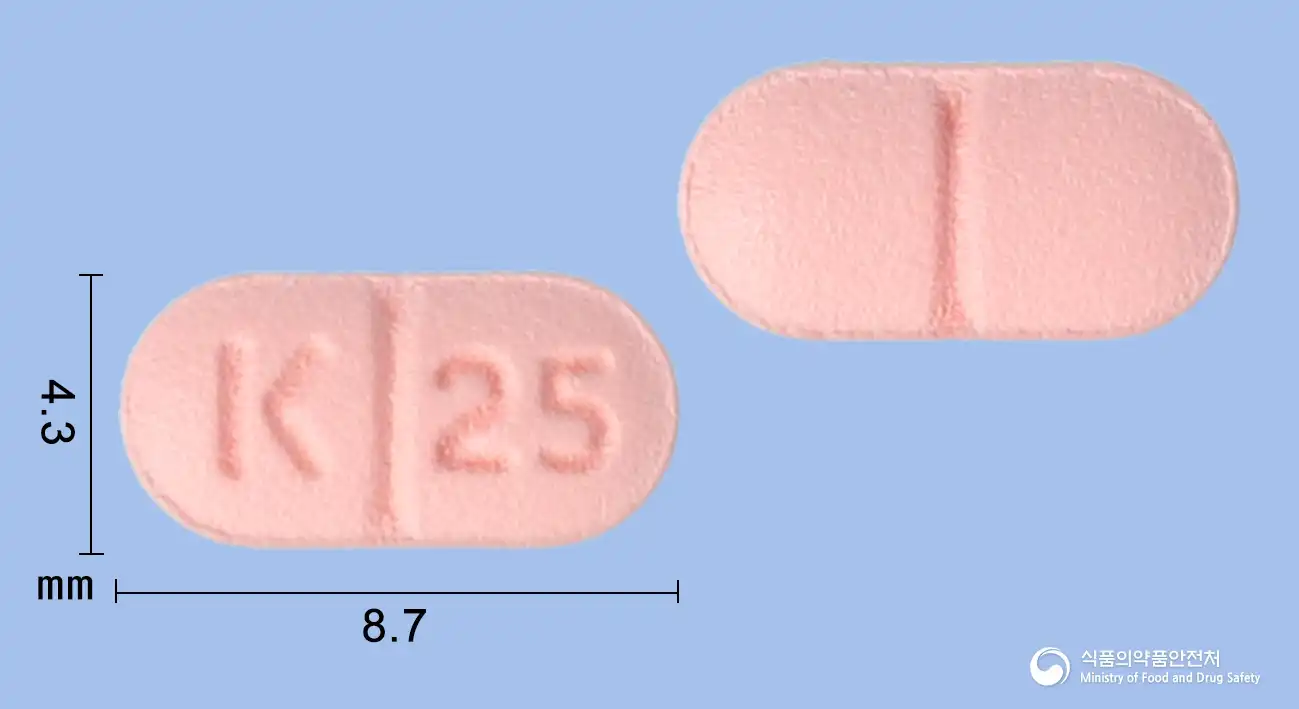
Tegoprazan 25mg
Tablet · Prescription medication
HK inno.N Co., Ltd.
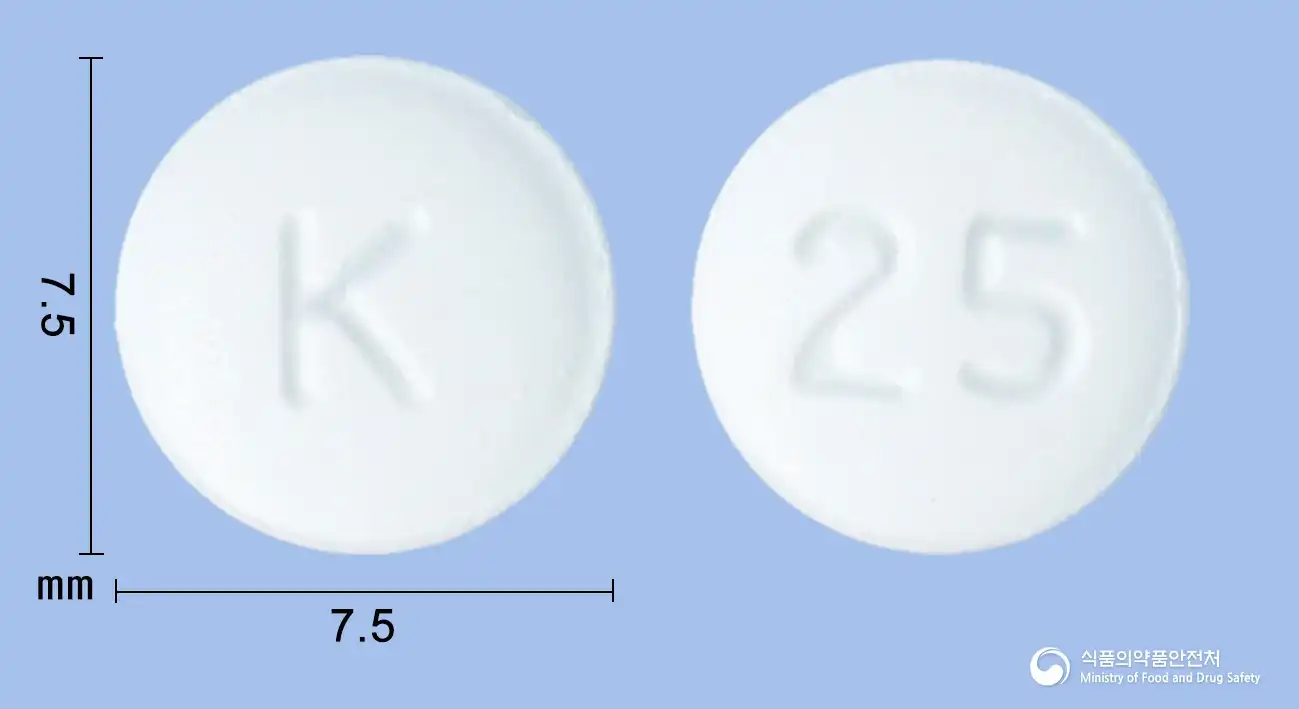
Tegoprazan 25mg
Orally disintegrating Tablet · Prescription medication
HK inno.N Co., Ltd.
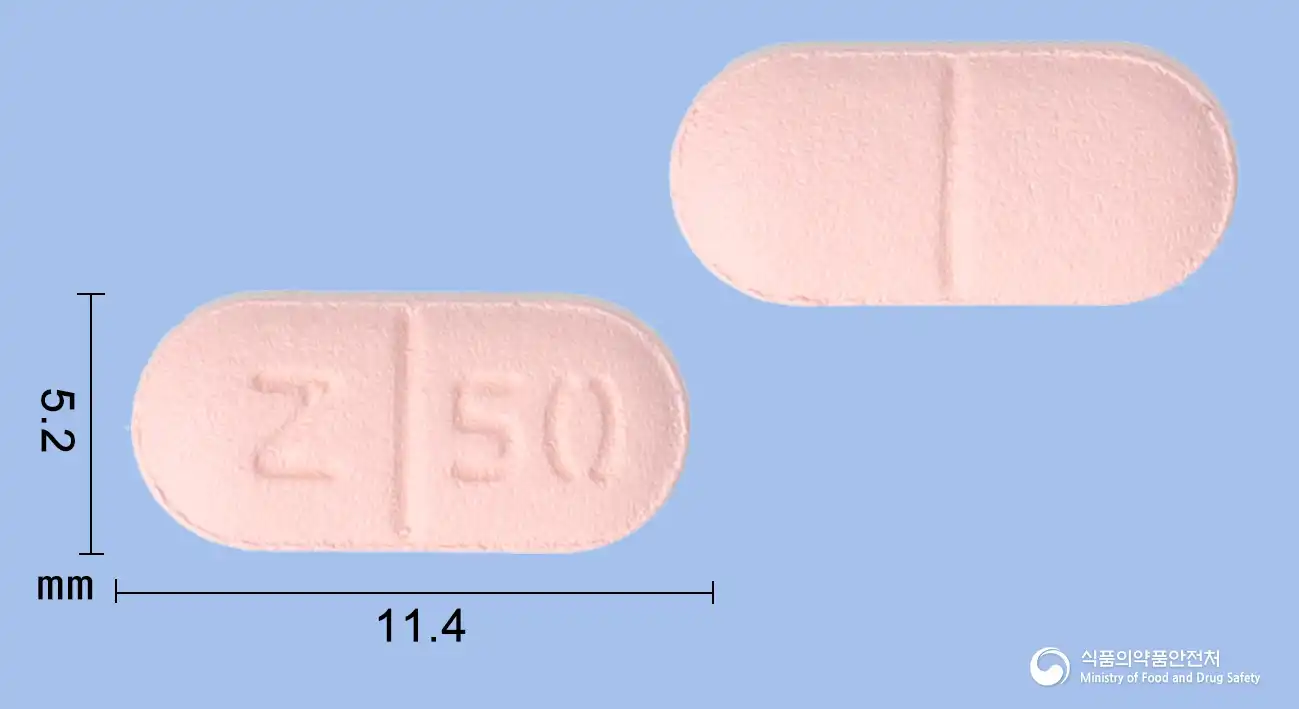
Tegoprazan 50mg
Tablet · Prescription medication
Kyungdong Pharmaceutical Co., Ltd.
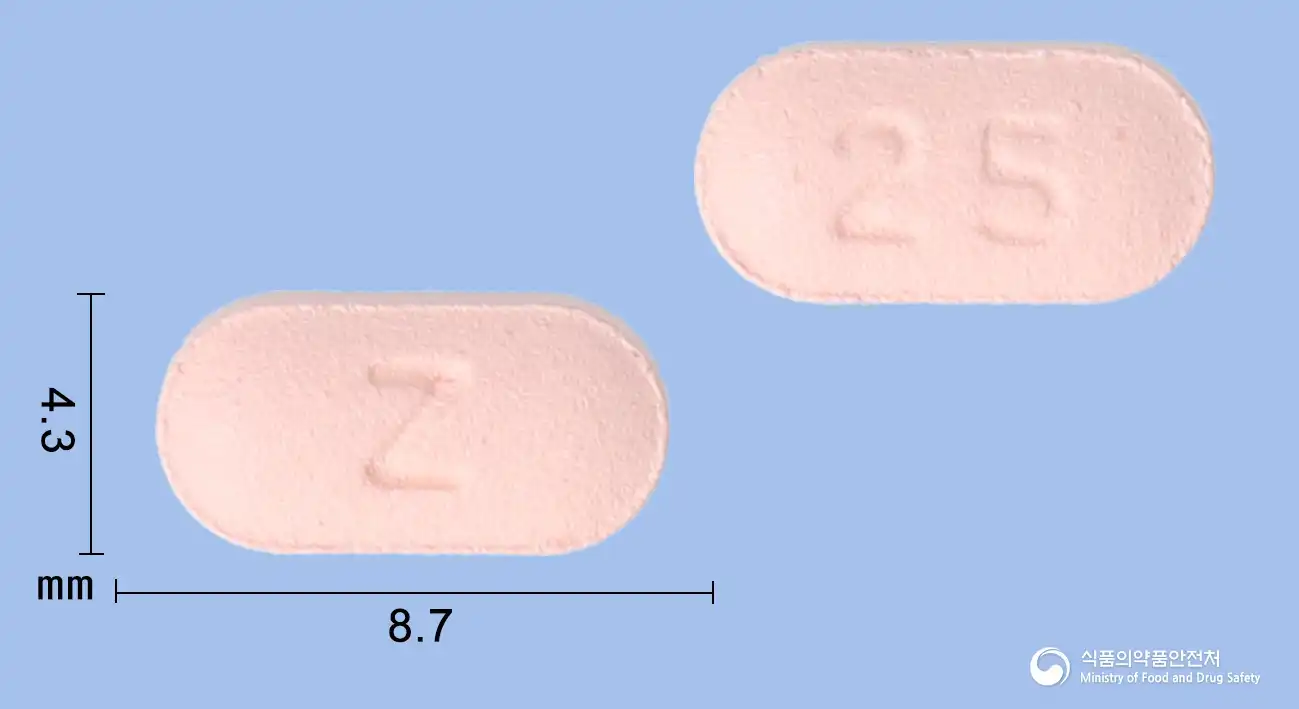
Tegoprazan 25mg
Tablet · Prescription medication
Kyung Dong Pharm. Co., Ltd.
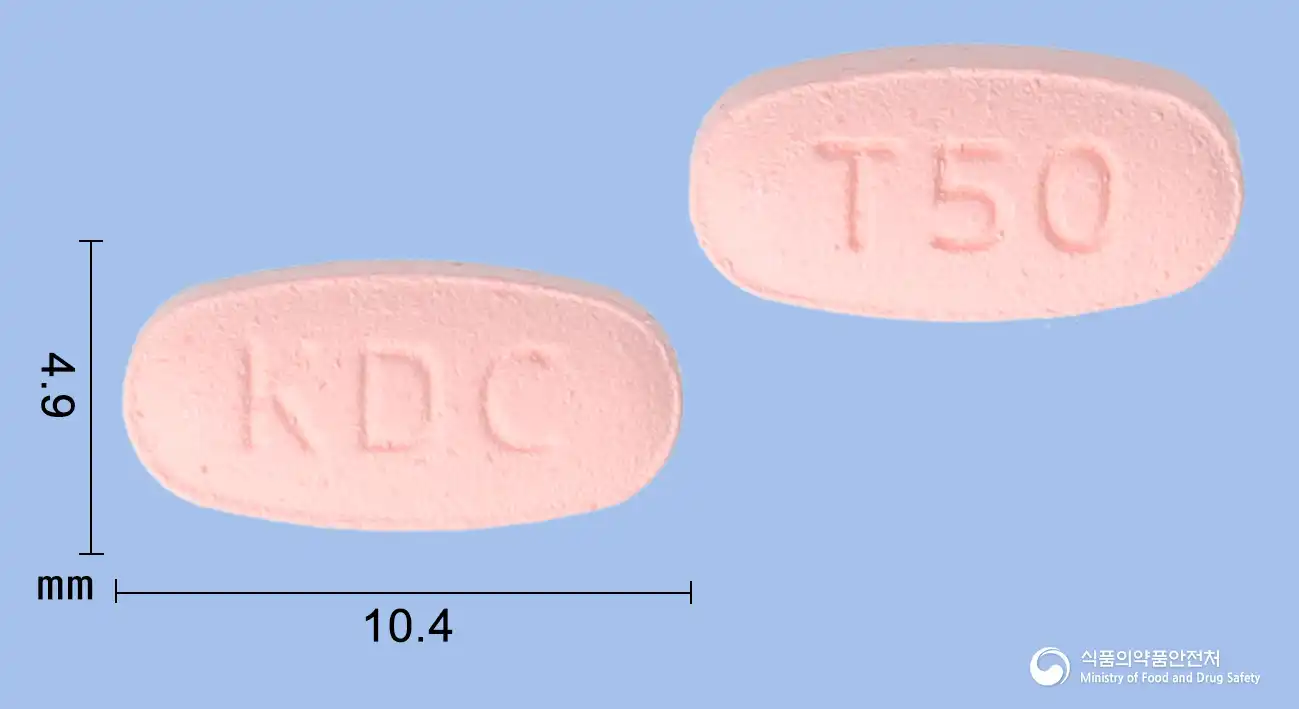
Tegoprazan 50mg
Tablet · Prescription medication
Korea Pharma Co., Ltd.
Even with the same ingredient, the dose and directions can differ by strength and dosage form. Talk to a doctor or pharmacist before switching from a medication you are already taking.
No questions yet.
For anything that needs medical judgment, consult a doctor or pharmacist.
This drug information is based on data provided by the Korea Ministry of Food and Drug Safety.
Consult a doctor or pharmacist for accurate dosage, administration, and usage instructions.