
 한국어
 English
 日本語
 中文(简体)
Dosage form image
Viewing nowJaycap Tablet 50 mg (Tegoprazan)
Tegoprazan 50mg
Tablet · Prescription medication
Genewon Science Co., Ltd.
MFDS item code 202503027 · Approved 2025.11.20
Treatment of gastroesophageal reflux disease, gastric ulcers, and Helicobacter pylori eradication
This medication is effective for treating erosive and non-erosive gastroesophageal reflux disease and is also used for the treatment of gastric ulcers. In addition, it is included in combination therapy with antibiotics for Helicobacter pylori eradication in patients with peptic ulcers or chronic atrophic gastritis, aiding in infection treatment. After the treatment of erosive gastroesophageal reflux disease, it is also used at a maintenance dose of 25 mg to prevent symptom recurrence. Overall, this medication plays an important role in managing gastric and esophageal diseases, helping to improve the patient's symptoms.
Administer 50 mg orally once daily for 4 weeks. For patients whose esophagitis has not healed or whose symptoms persist, administer for an additional 4 weeks. Administer 50 mg orally once daily for 4 weeks. Administer 50 mg orally once daily for 8 weeks. Administer this medicine 50 mg with amoxicillin 1 g and clarithromycin 500 mg orally twice daily for 7 days. Administer 25 mg orally once daily. This medicine may be taken with or without food.
This medication should not be used by individuals with allergic reactions or hypersensitivity to any of its components. Additionally, it is recommended that patients taking certain antiviral agents or those who are pregnant or breastfeeding refrain from using this medication. Patients with liver or kidney dysfunction, as well as the elderly, should use this drug with caution. During treatment, various side effects such as heartburn, diarrhea, headache, and dizziness may occur, and if any unusual symptoms arise, immediate consultation with a physician is advised. Long-term use may increase the risk of vitamin B12 deficiency or osteoporosis-related fractures, so regular check-ups are necessary. Furthermore, this medication suppresses gastric acid, which may promote bacterial growth in the stomach, thereby potentially increasing the risk of infections such as enteritis or diarrhea. When taken with other medications, interactions may occur, so it is essential to consult a doctor or pharmacist. Pregnant women should avoid this medication due to potential effects on the fetus, and breastfeeding women should discontinue breastfeeding while taking this drug. Safety in children and adolescents has not yet been established, so use in this age group is not recommended. Caution is required when driving or operating machinery during use, as side effects may impair concentration. The medication should be stored in a safe place out of reach of children, and it is advisable not to transfer it to other containers.
Not everyone experiences these, and they can vary from person to person.
This medication should be stored in a tightly sealed container to protect it from air and moisture. It is best to maintain storage temperatures between 1 and 30 degrees Celsius.
Pale pink rectangular film-coated tablet
30 tablets/bottle, 300 tablets/bottle
Even with the same ingredient, strength, dosage form and how it is taken can differ.
Tegoprazan 50mg
Tablet · Prescription medication
Genewon Science Co., Ltd.
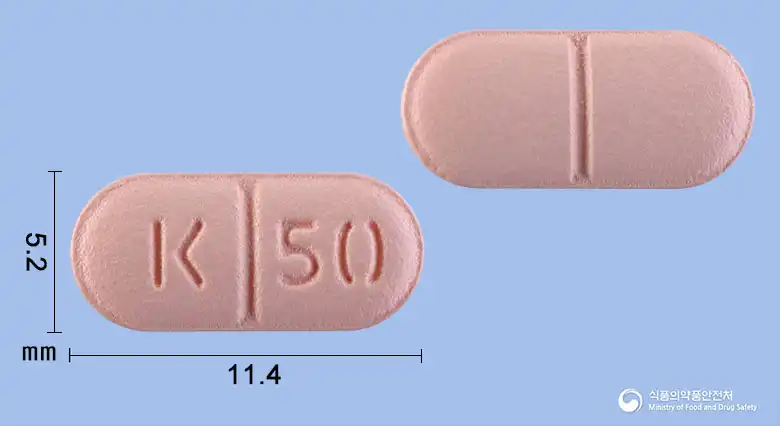
Tegoprazan 50mg
Tablet · Prescription medication
HK inno.N Co., Ltd.
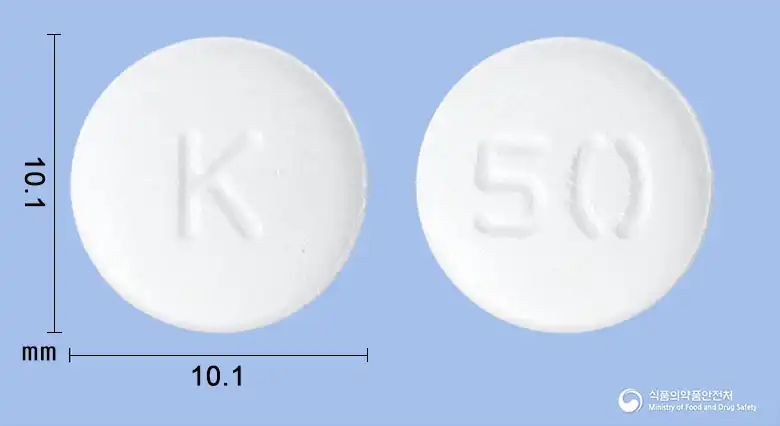
Tegoprazan 50mg
Orally disintegrating Tablet · Prescription medication
HK Inno.N Co., Ltd.
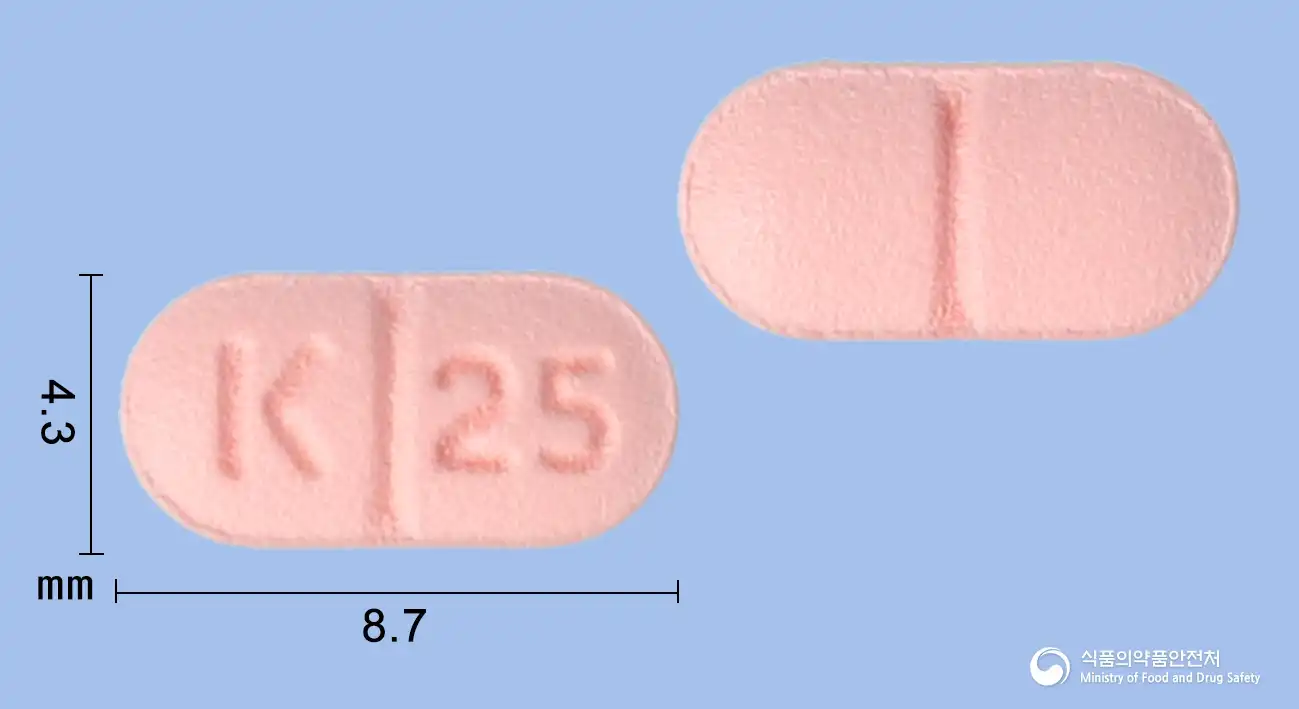
Tegoprazan 25mg
Tablet · Prescription medication
HK inno.N Co., Ltd.
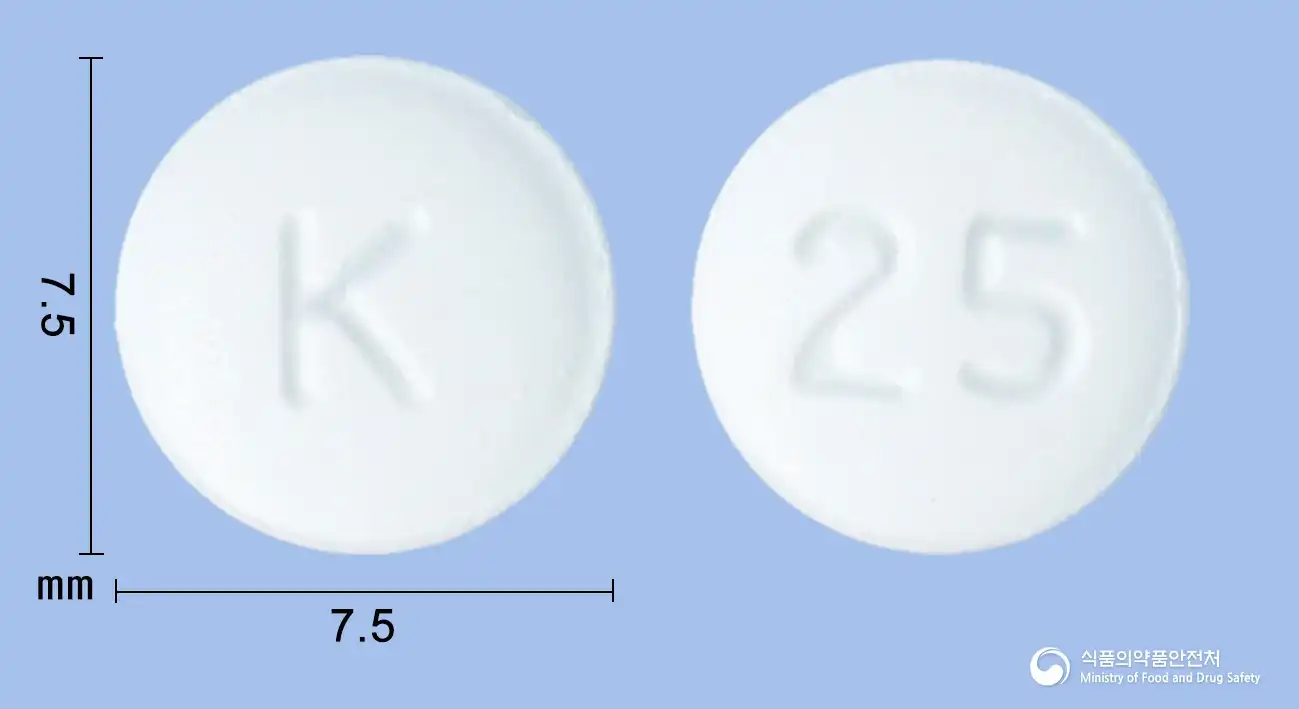
Tegoprazan 25mg
Orally disintegrating Tablet · Prescription medication
HK inno.N Co., Ltd.
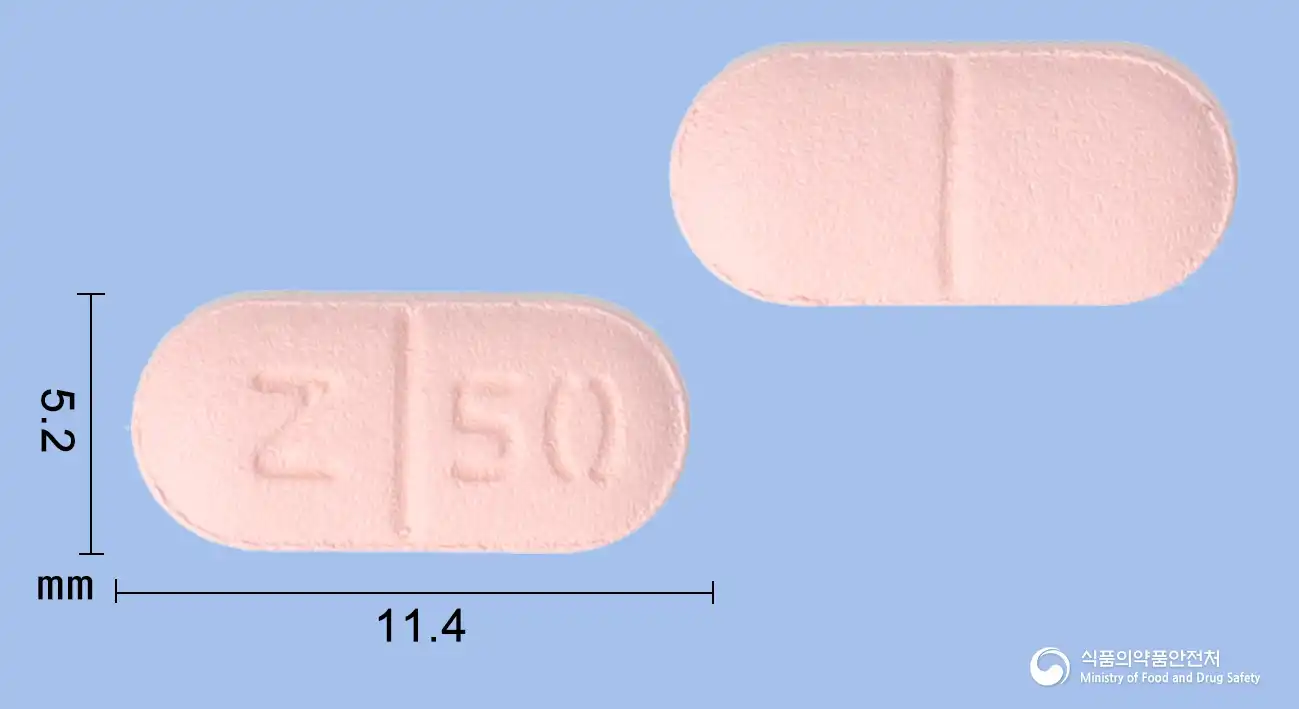
Tegoprazan 50mg
Tablet · Prescription medication
Kyungdong Pharmaceutical Co., Ltd.
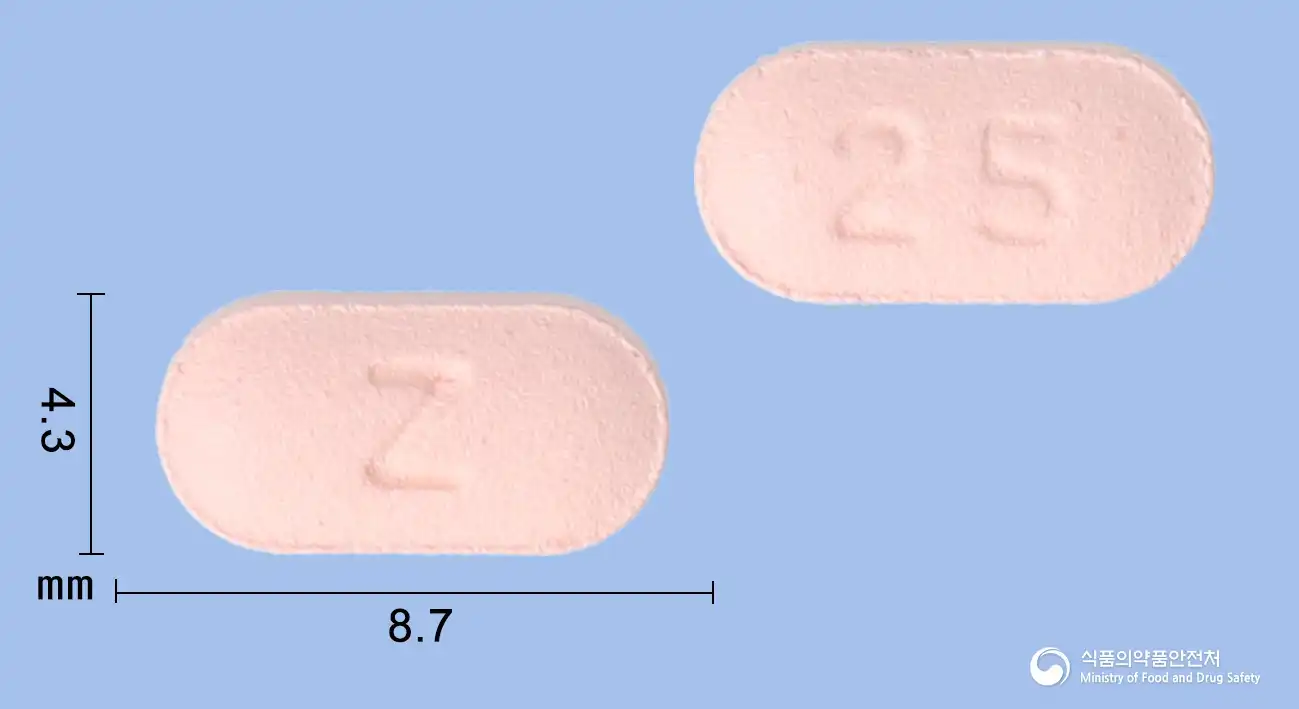
Tegoprazan 25mg
Tablet · Prescription medication
Kyung Dong Pharm. Co., Ltd.
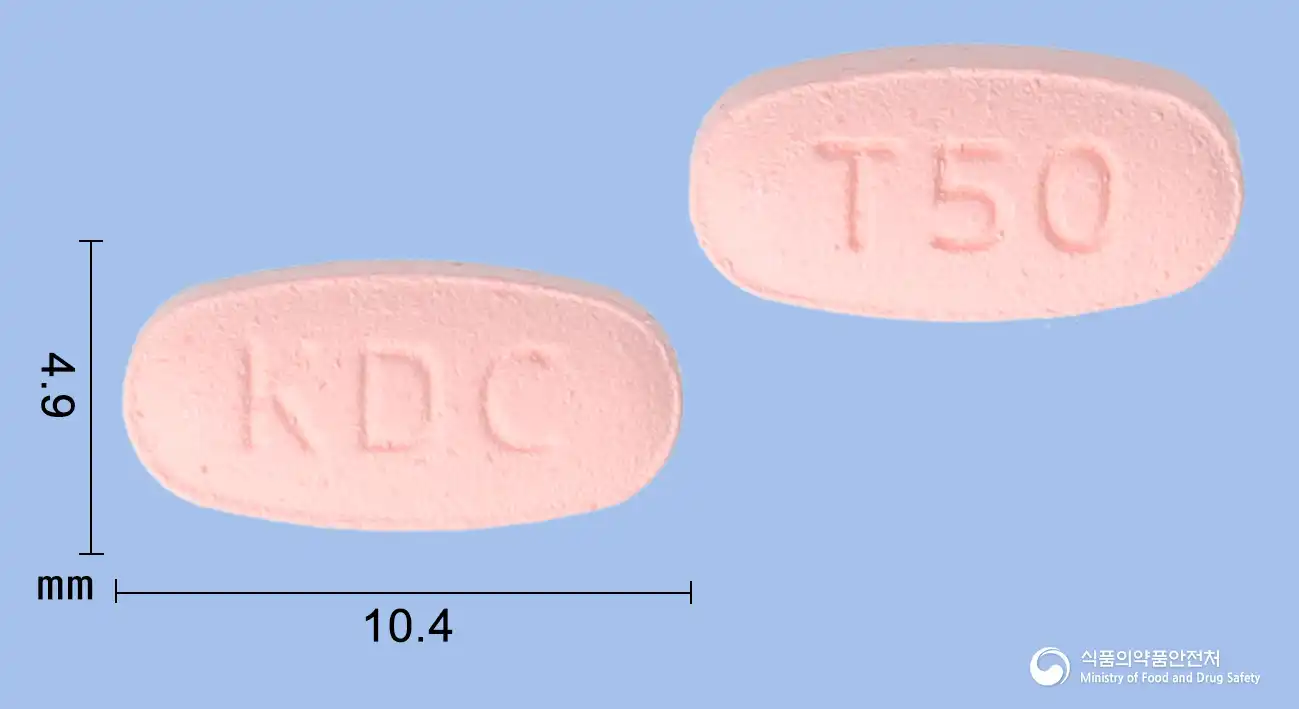
Tegoprazan 50mg
Tablet · Prescription medication
Korea Pharma Co., Ltd.
Even with the same ingredient, the dose and directions can differ by strength and dosage form. Talk to a doctor or pharmacist before switching from a medication you are already taking.
No questions yet.
For anything that needs medical judgment, consult a doctor or pharmacist.
This drug information is based on data provided by the Korea Ministry of Food and Drug Safety.
Consult a doctor or pharmacist for accurate dosage, administration, and usage instructions.