
 한국어
 English
 日本語
 中文(简体)
Dosage form image
Viewing nowJ-Cap 25mg (Tegoprazan)
Tegoprazan 25mg
Tablet · Prescription medication
Genewon Sciences Co., Ltd.
MFDS item code 202503026 · Approved 2025.11.20
Treatment and maintenance of gastroesophageal reflux disease, treatment of gastric ulcers, Helicobacter pylori eradication therapy
This medication is used for the treatment of erosive and non-erosive gastroesophageal reflux disease. It is also effective in the treatment of gastric ulcers and is included in the antibiotic combination therapy for eradication of Helicobacter pylori in patients with peptic ulcers and chronic atrophic gastritis. It is also applicable for maintenance therapy after treatment of erosive gastroesophageal reflux disease to prevent symptom recurrence. This medication is widely used for the treatment and prevention of gastrointestinal diseases.
Treatment of erosive gastroesophageal reflux disease Administer 50 mg orally once daily for 4 weeks. For patients whose esophagitis has not healed or whose symptoms persist, administer for an additional 4 weeks. Treatment of non-erosive gastroesophageal reflux disease Administer 50 mg orally once daily for 4 weeks. Treatment of gastric ulcers Administer 50 mg orally once daily for 8 weeks. Concomitant antibiotic therapy for Helicobacter pylori eradication in patients with peptic ulcers and/or chronic atrophic gastritis Patients with Helicobacter pylori infection should receive eradication therapy. Administer this medicine 50 mg with amoxicillin 1 g and clarithromycin 500 mg orally twice daily for 7 days. Maintenance treatment after treatment of erosive gastroesophageal reflux disease <limited to 25mg> Administer 25 mg orally once daily. This medicine may be taken with or without food.
This medication should not be used by patients who are allergic to this medication or its components, those taking certain antiviral drugs, and women who are pregnant or breastfeeding. Patients with poor liver or kidney function and elderly patients should exercise extra caution when using this medication. This medication may cause gastrointestinal issues such as nausea, diarrhea, dyspepsia, and neurological symptoms like headache and dizziness. Additionally, rare adverse reactions such as skin rash, fatigue, muscle pain, and cough have been reported. Long-term use may result in vitamin B12 deficiency, so if symptoms appear, consultation with a physician is advised. This medication reduces stomach acid, which may interfere with the absorption of certain drugs; therefore, inform your doctor or pharmacist if you are taking other medications. It is safer not to take this medication during pregnancy or breastfeeding. Safety and efficacy in children and adolescents have not been established, therefore caution is needed for their use. Elderly patients or those with compromised liver and kidney function should use this medication cautiously and may require regular monitoring. Long-term or high-dose use of this medication can increase the risk of osteoporosis-related fractures, so it is advisable to take it for the shortest duration possible. Also, gastrointestinal symptoms such as diarrhea or abdominal pain may occur during the use of this medication; if these symptoms persist, consult a healthcare provider. The effects of this medication on driving or operating machinery are not clear, so caution is advised based on symptoms. This medication should be kept out of reach of children, and it is advisable not to transfer it to another container.
Nausea, diarrhea, indigestion, nasopharyngitis, viral upper respiratory infection, chest discomfort, epigastric pain, abdominal discomfort, constipation, abdominal pain, abdominal distension, vomiting, belching, lower abdominal pain, gastric ulcer, anal bleeding, erosive duodenitis, flatulence, gastric polyps, gastroesophageal reflux disease, intestinal metaplasia, hematemesis, hemorrhoids, melena, folliculitis, bacterial gastroenteritis, latent tuberculosis, increased alanine aminotransferase, increased gamma-glutamyl transferase, increased bilirubin in blood, increased aspartate aminotransferase, increased creatine phosphokinase in blood, presence of hematuria, positive urine red blood cells, increased gastrin in blood, increased triglycerides in blood, fatigue, ligament sprain, concussion, abrasion, foot fracture, joint injury, muscle strain, myalgia, arthralgia, tendinitis, headache, dizziness, vascular swelling, dermatitis, seborrheic dermatitis, cough, oropharyngeal pain, throat irritation, vaginal discharge, vulvar pruritus, breast calcification, uterine adenomyosis, ovarian cyst, bile duct stones, liver cysts, overactive bladder, nocturia, kidney cysts, gastric adenocarcinoma, breast cancer, gastrointestinal adenoma, uterine leiomyoma, ventricular extrasystole, lymphadenitis, anemia, insomnia, dental implant, otalgia, diabetes mellitus, hypertension, thyroid cyst, diarrhea, epigastric pain, abdominal distension, indigestion, abdominal pain, taste disturbance, headache, urticaria, dry mouth, anal incontinence, duodenitis, passage of bloody stools, oral dysesthesia, migraine, drowsiness, pruritus, erythema, rash, drug rash, toxic skin rash, cystitis, shingles, miliaria, sinusitis, tonsillitis, weakness, chest pain, lumbar back pain, musculoskeletal stiffness, vocal dysfunction, palpitations, flushing, facial flushing, choroidal inflammation, retinal disorder, colonic adenoma, hepatic steatosis, type 2 diabetes mellitus, erosive gastritis, chronic gastritis, facial paralysis, sensory disturbances, cystitis, bronchitis, periodontitis, scoliosis, musculoskeletal discomfort, intervertebral disc disorder of the spine, bone loss, contusion, pelvic fracture, skin abrasion, dental fracture, wrist fracture, laryngeal ulceration, wet cough, chronic urticaria, diastolic dysfunction, hearing loss, thyroid mass, nephrolithiasis
Not everyone experiences these, and they can vary from person to person.
This medication should be stored in a tightly closed container to protect it from air and moisture. It is recommended to maintain a storage temperature between 1 to 30 degrees Celsius. This helps ensure the medication's effectiveness.
Pale pink oblong film-coated tablet
30 tablets/bottle, 300 tablets/bottle
Even with the same ingredient, strength, dosage form and how it is taken can differ.
Tegoprazan 25mg
Tablet · Prescription medication
Genewon Sciences Co., Ltd.
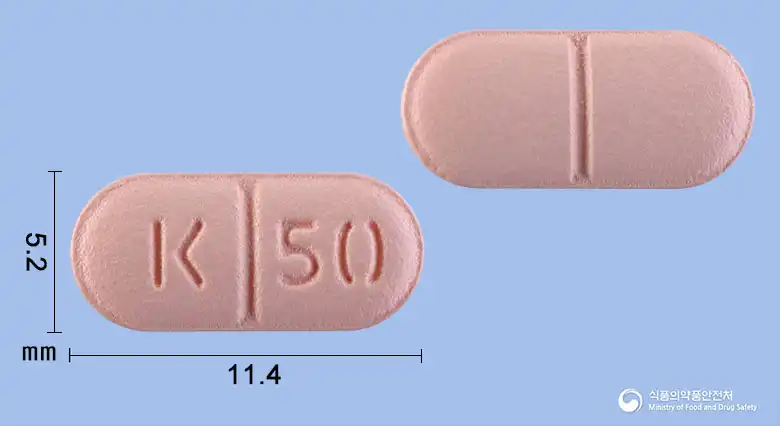
Tegoprazan 50mg
Tablet · Prescription medication
HK inno.N Co., Ltd.
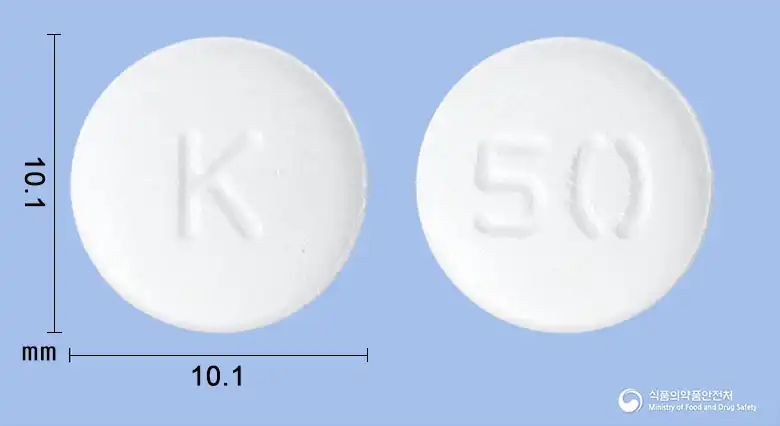
Tegoprazan 50mg
Orally disintegrating Tablet · Prescription medication
HK Inno.N Co., Ltd.
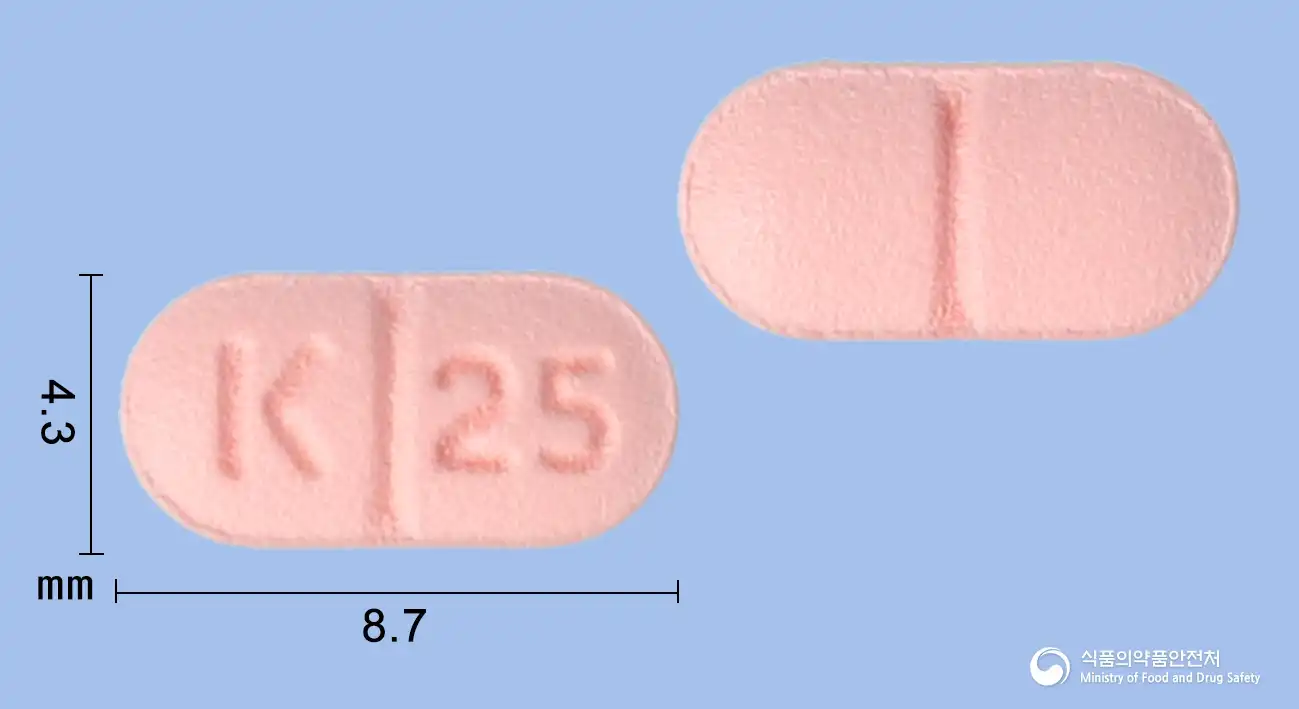
Tegoprazan 25mg
Tablet · Prescription medication
HK inno.N Co., Ltd.
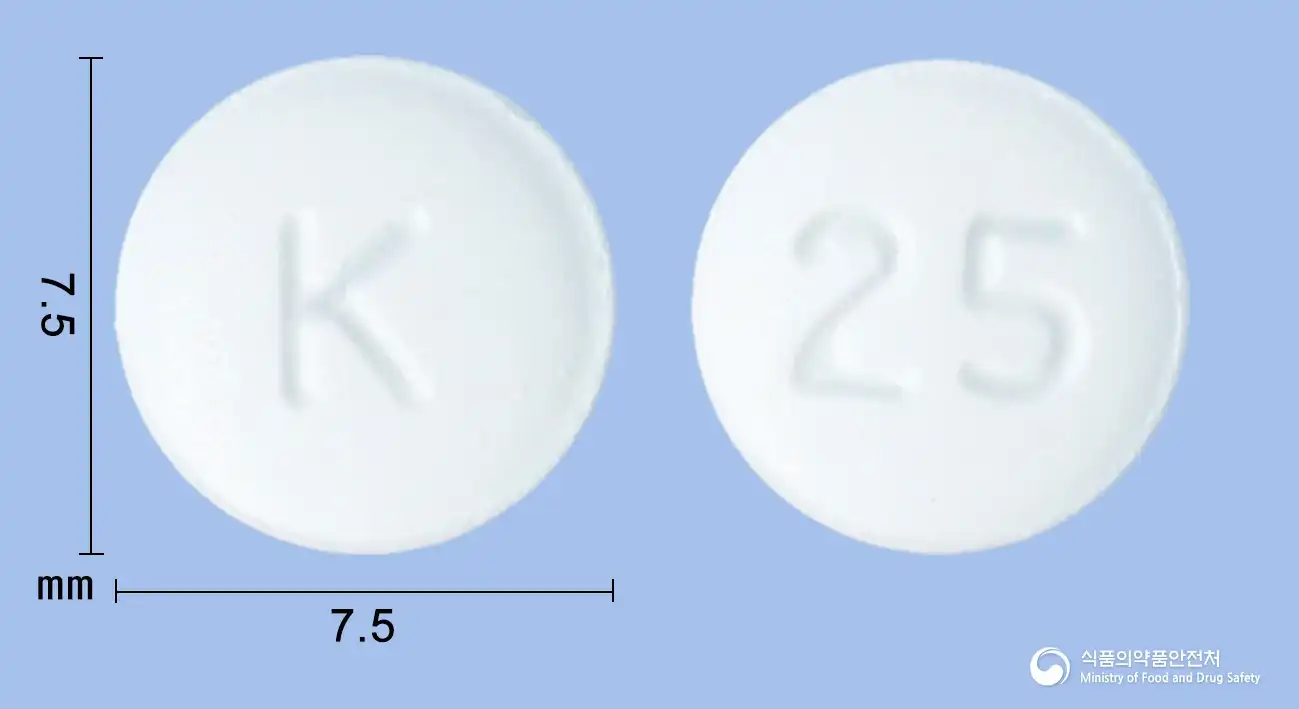
Tegoprazan 25mg
Orally disintegrating Tablet · Prescription medication
HK inno.N Co., Ltd.
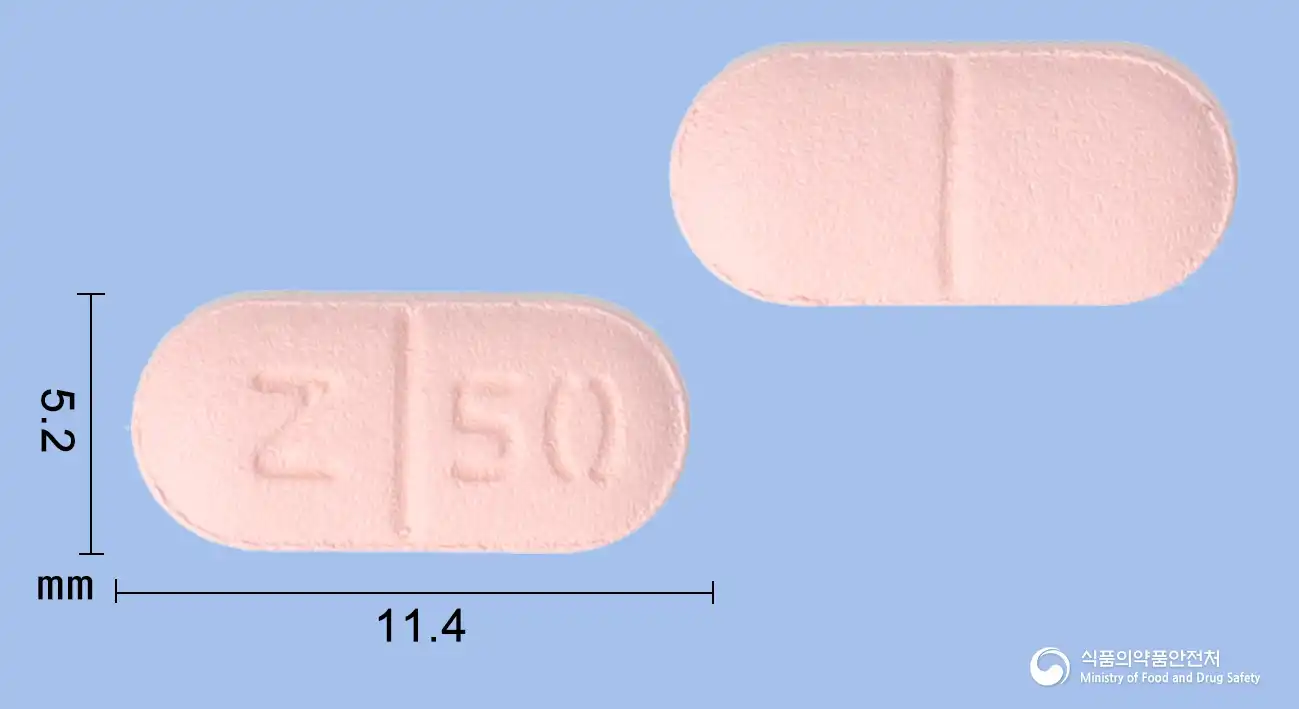
Tegoprazan 50mg
Tablet · Prescription medication
Kyungdong Pharmaceutical Co., Ltd.
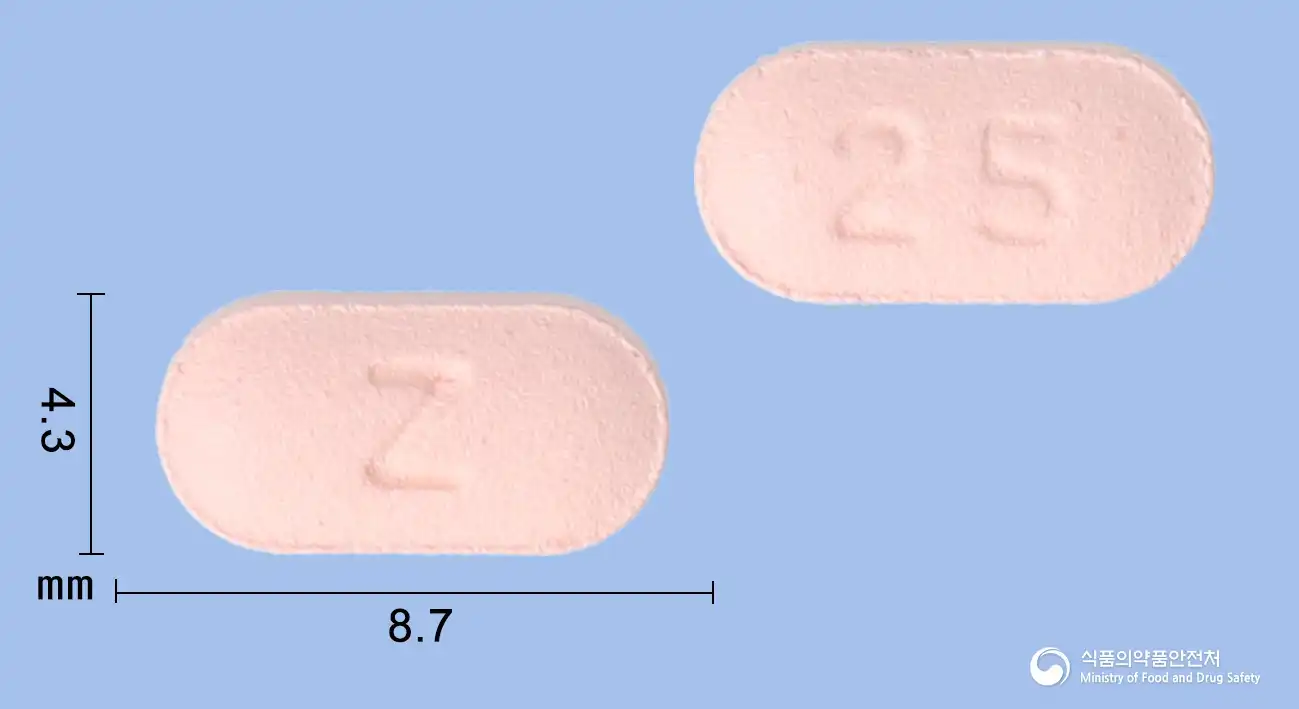
Tegoprazan 25mg
Tablet · Prescription medication
Kyung Dong Pharm. Co., Ltd.
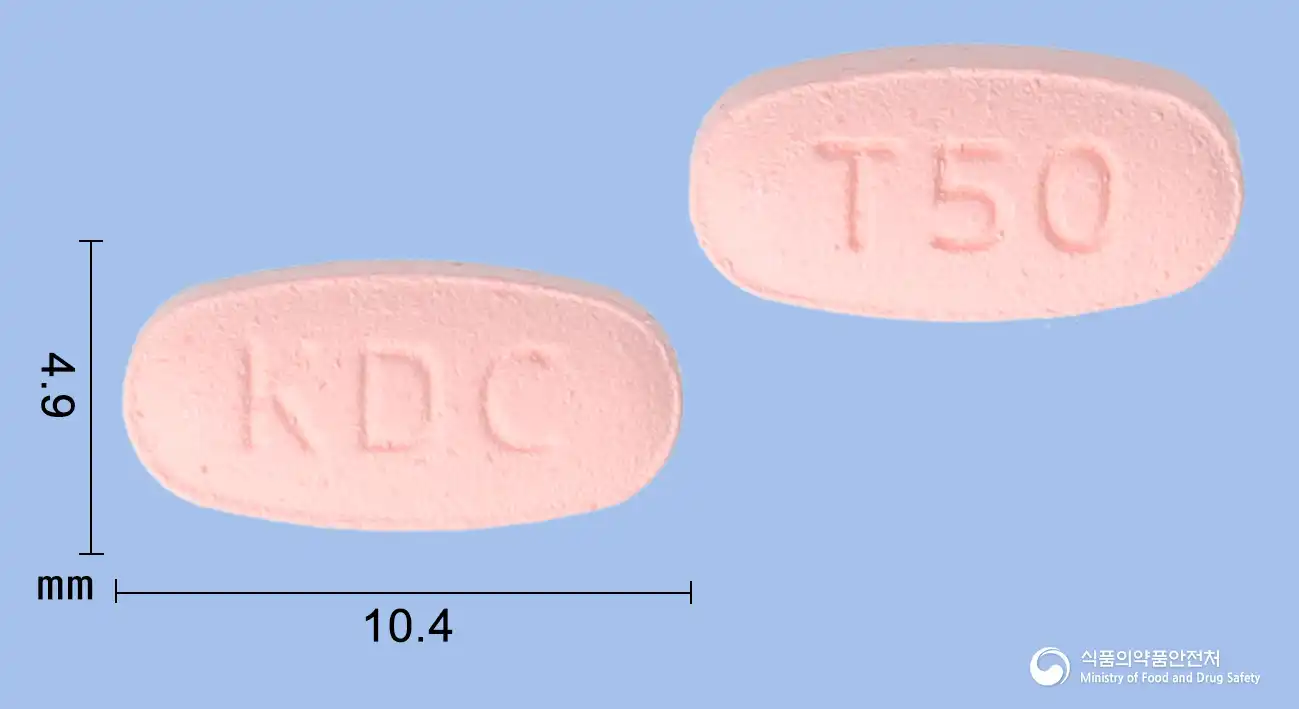
Tegoprazan 50mg
Tablet · Prescription medication
Korea Pharma Co., Ltd.
Even with the same ingredient, the dose and directions can differ by strength and dosage form. Talk to a doctor or pharmacist before switching from a medication you are already taking.
No questions yet.
For anything that needs medical judgment, consult a doctor or pharmacist.
This drug information is based on data provided by the Korea Ministry of Food and Drug Safety.
Consult a doctor or pharmacist for accurate dosage, administration, and usage instructions.