
 한국어
한국어 English
 日本語
日本語 中文(简体)
 Viewing nowCombination
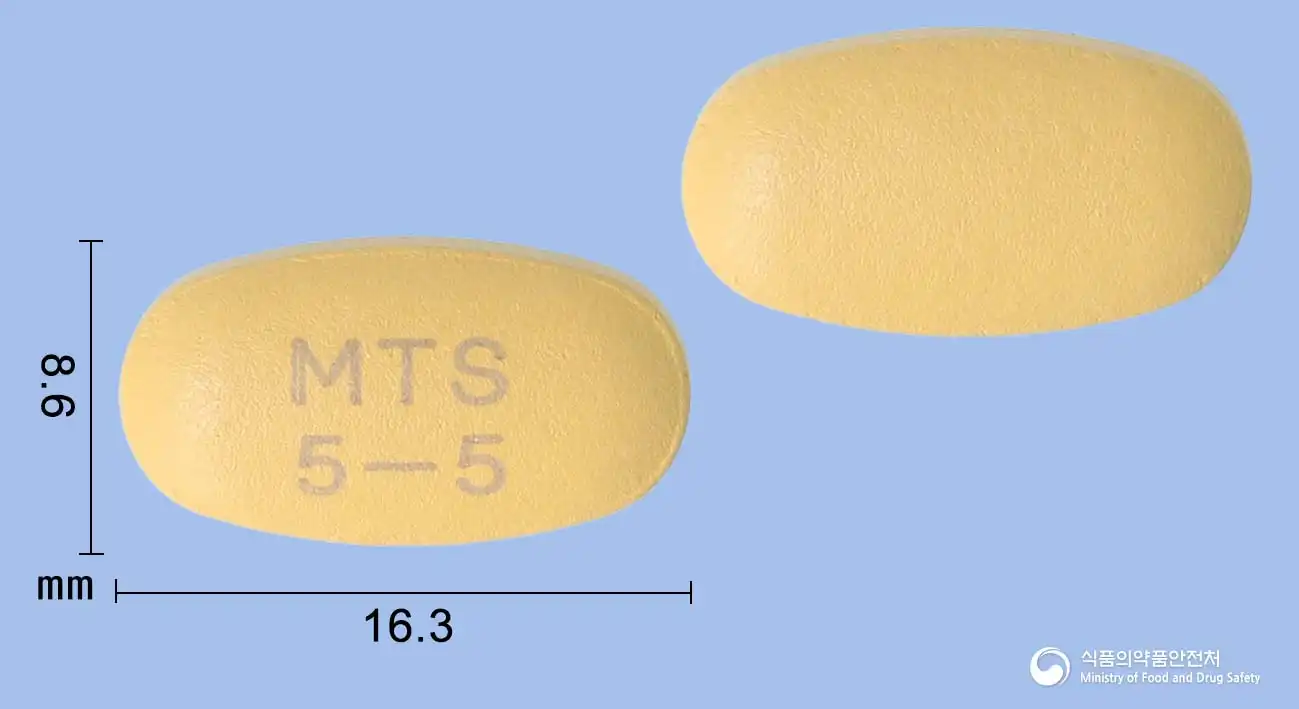
Zadiglimmet Tablet 5/500 mg (Empagliflozin 2L-Proline, Metformin)
Empagliflozin 2L-Proline 7.56mg · Metformin Hydrochloride 500mg
Tablet · Prescription medication · Combination
Mothers Pharmaceutical Co., Ltd.
MFDS item code 202503006 · Approved 2025.11.19
Effect of controlling blood sugar in type 2 diabetes and preventing cardiovascular events
This medication is used in combination with empagliflozin and metformin to improve blood sugar control in patients with type 2 diabetes. It is particularly effective when used alongside dietary and exercise interventions to manage blood sugar effectively. Additionally, in adults with type 2 diabetes who do not achieve sufficient blood sugar control and have cardiovascular disease, caution should be taken regarding the risk of cardiovascular events when using this medication, referring to specialized clinical trial information. Overall, this medication helps improve blood sugar control in patients with type 2 diabetes.
The recommended dose of this medication is 1 tablet, twice a day. The dosage should be determined considering each patient's therapeutic regimen, efficacy, and tolerability, not exceeding the maximum recommended daily doses of empagliflozin 25 mg and metformin 2000 mg. Patients who have difficulty with blood sugar control with metformin alone or in combination therapy will take empagliflozin 5 mg twice a day and the existing dose of metformin. Empagliflozin
This medication is an agent that helps lower blood sugar levels and is primarily used in diabetes treatment. When taking this medication, there is a risk of serious side effects such as lactic acidosis. Lactic acidosis is a dangerous condition that occurs when there is excessive accumulation of lactic acid in the body, with symptoms including fatigue, muscle pain, difficulty breathing, and abdominal pain. Furthermore, taking this medication in combination with other diabetes medications like insulin or sulfonylureas can increase the risk of hypoglycemia, so careful monitoring of blood sugar changes is essential. Patients with decreased kidney function or conditions such as dehydration, severe infections, or rapidly worsening heart function may be at risk when taking this medication and should avoid its use. It is particularly advised that individuals undergoing surgery, those undergoing tests involving iodinated contrast agents, and women who are pregnant or breastfeeding should refrain from taking this medication. This medication may affect kidney function, making it necessary to have regular kidney function tests and adjust dosage or discontinue use depending on the condition. Additionally, this medication can increase the risk of urinary or genital infections, so patients should consult a healthcare professional immediately if infection symptoms occur. Vitamin B12 levels may decrease, so it is recommended to conduct blood tests to check vitamin B12 status during long-term use. Elderly patients or those at risk of fluid loss should be cautious of dehydration and hypotension and ensure adequate hydration and monitoring of their conditions. It is advisable to avoid alcohol while taking this medication, and to inform healthcare professionals immediately if symptoms such as sudden weight loss, severe fatigue, or difficulty breathing occur. Lastly, this medication is not recommended for children and caution may be necessary when driving or operating machinery.
Nausea, vomiting, diarrhea, abdominal pain, loss of appetite, constipation, altered taste, itching, rash, angioedema, dysuria, thirst, increased serum lipids, increased serum creatinine, increased hematocrit, decreased and deficiency of vitamin B12, hypoglycemia (when combined with insulin and sulfonylureas), urinary infections, genital infections, increased urination, reduced fluid volume, increased serum creatinine and decreased glomerular filtration rate, headache, dizziness, and insomnia
Not everyone experiences these, and they can vary from person to person.
This medication should be stored in a tightly closed container, protected from air and moisture, and kept at room temperature between 1 and 30 degrees Celsius. This way, the efficacy of the medication can be maintained and it can be used safely.
Orange-yellow, oval-shaped film-coated tablets, biconvex on both sides
30 tablets/bottle
Even with the same ingredient, strength, dosage form and how it is taken can differ.
Viewing nowCombinationEmpagliflozin 2L-Proline 7.56mg · Metformin Hydrochloride 500mg
Tablet · Prescription medication · Combination
Mothers Pharmaceutical Co., Ltd.
 Combination
Empagliflozin 2L-Proline 18.9mg · Metformin Hydrochloride 1000mg
Tablet · Prescription medication · Combination
Mothers Pharmaceutical Co., Ltd.
 Combination
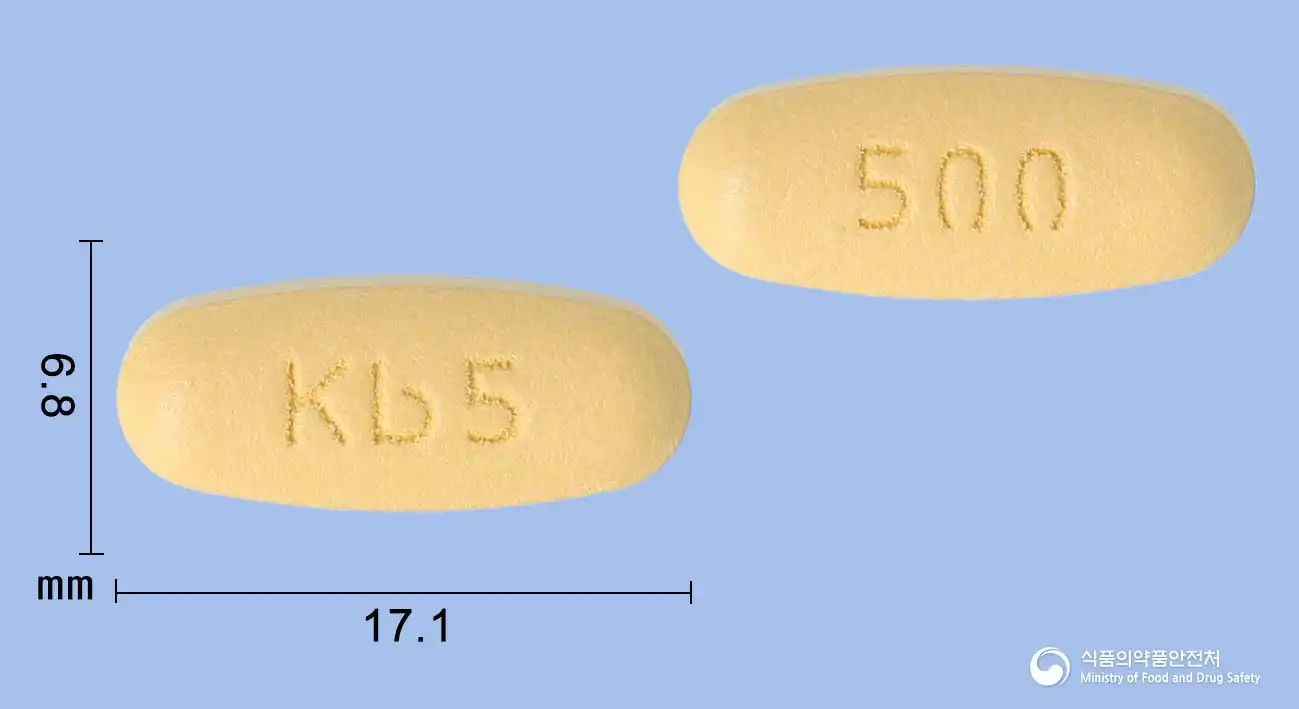
Empagliflozin 2L-Proline 7.55mg · Metformin Hydrochloride 500mg
Tablet · Prescription medication · Combination
Kyungbo Pharmaceutical Co., Ltd.
 Combination
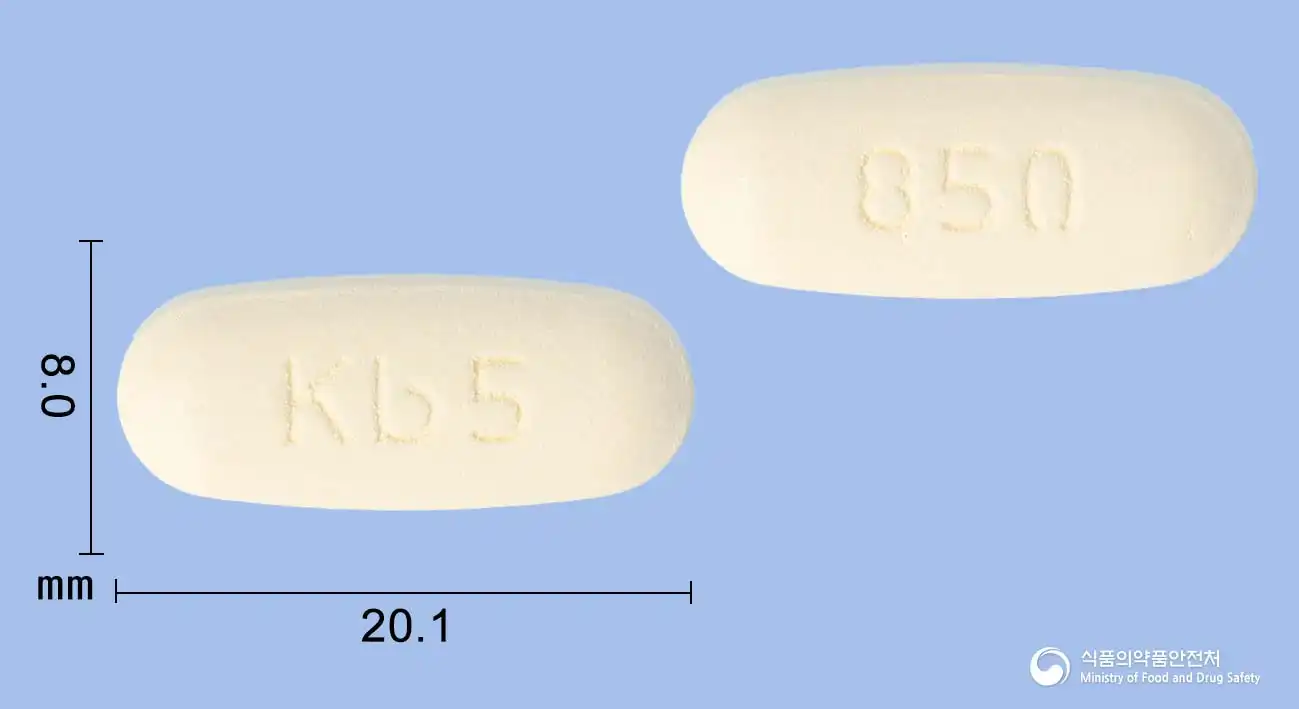
Empagliflozin 2L-Proline 7.55mg · Metformin Hydrochloride 850mg
Tablet · Prescription medication · Combination
Kyungbo Pharmaceutical Co., Ltd.
 Combination
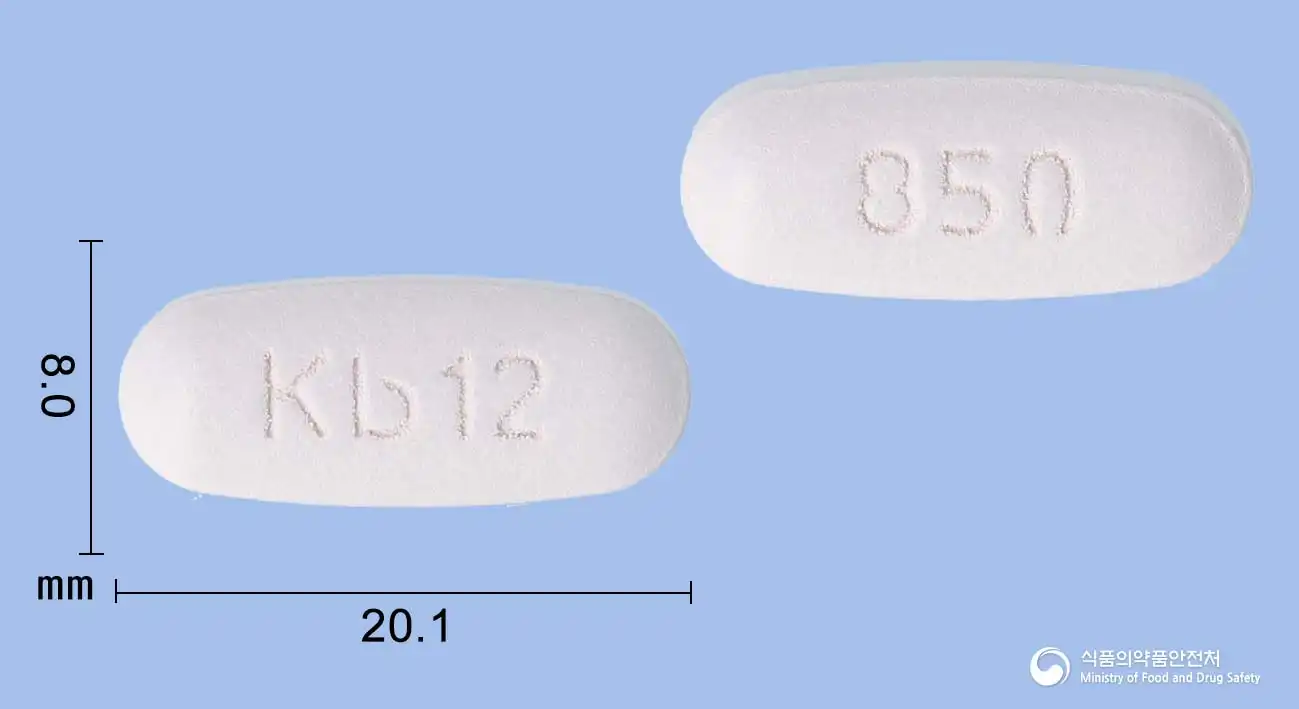
Empagliflozin 2L-Proline 18.88mg · Metformin Hydrochloride 850mg
Tablet · Prescription medication · Combination
Kyeongbo Pharmaceutical Co., Ltd.
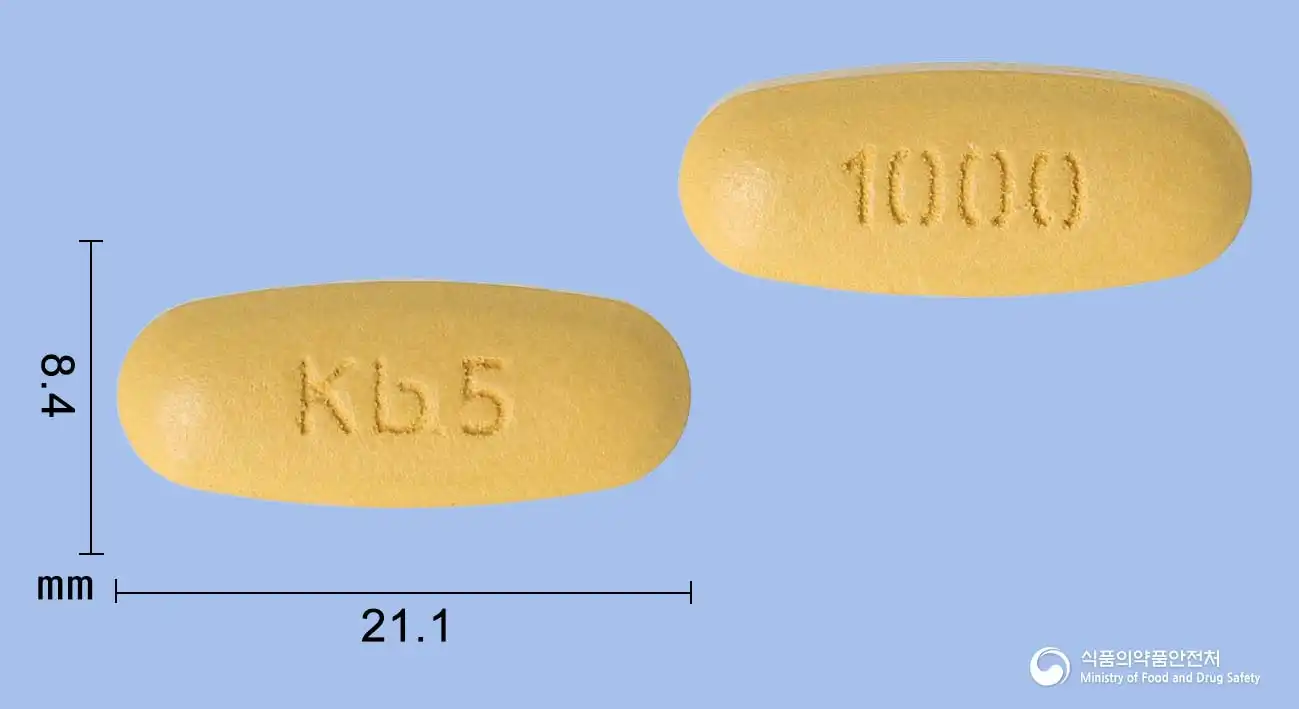 Combination
Empagliflozin 2L-Proline 7.55mg · Metformin Hydrochloride 1000mg
Tablet · Prescription medication · Combination
Kyungbo Pharmaceutical Co., Ltd.
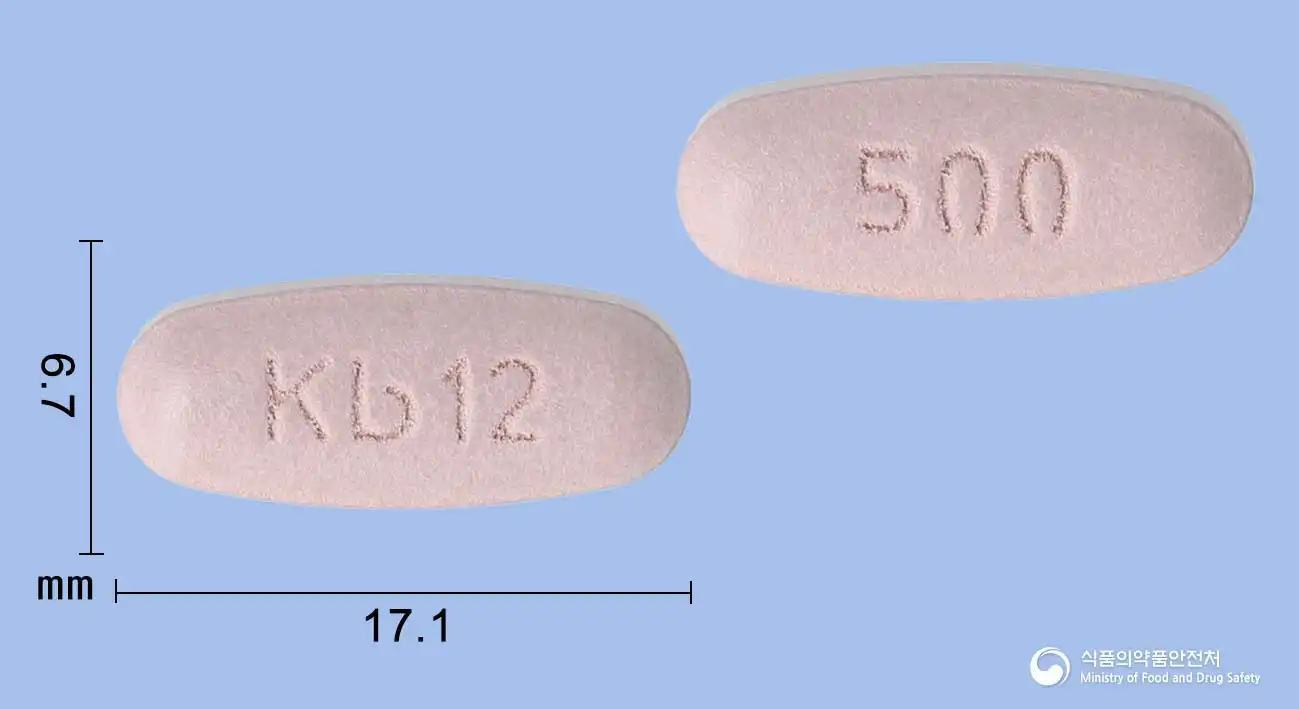 Combination
Empagliflozin 2L-Proline 18.88mg · Metformin Hydrochloride 500mg
Tablet · Prescription medication · Combination
Kyungbo Pharmaceutical Co., Ltd.
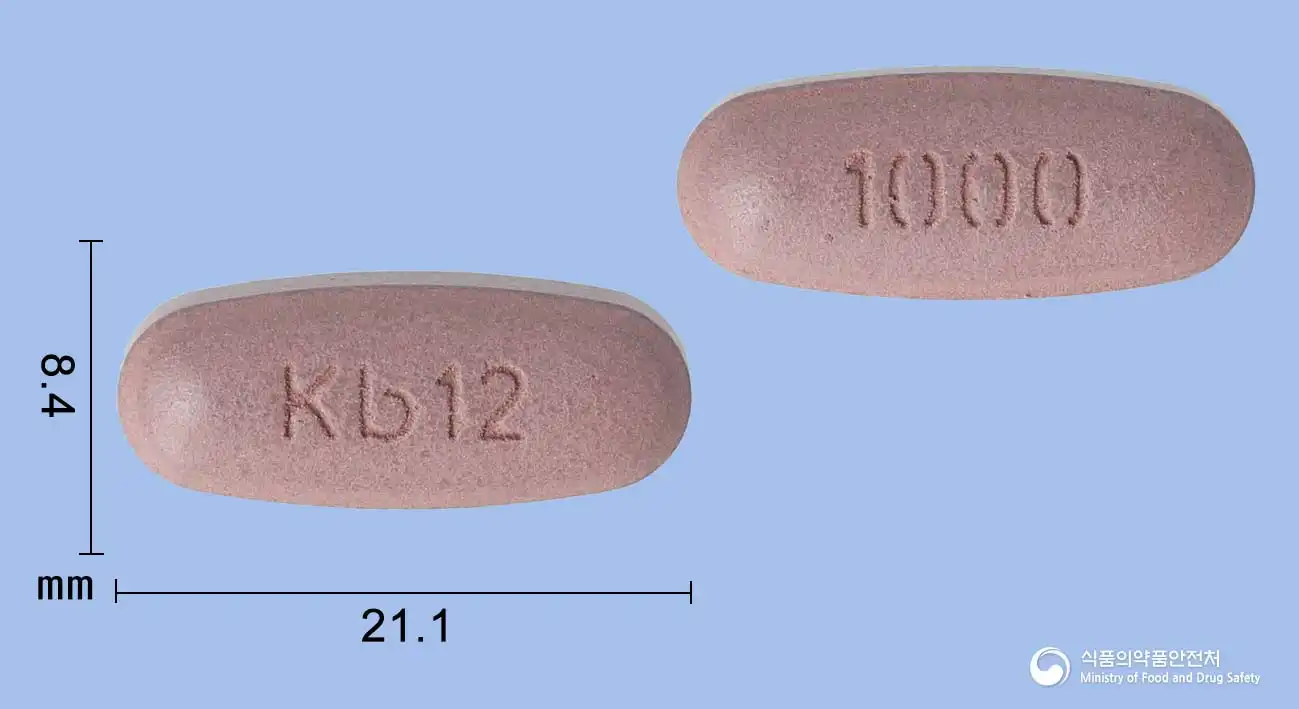 Combination
Empagliflozin 2L-Proline 18.88mg · Metformin Hydrochloride 1000mg
Tablet · Prescription medication · Combination
Kyungbo Pharmaceutical Co., Ltd.
Even with the same ingredient, the dose and directions can differ by strength and dosage form. Talk to a doctor or pharmacist before switching from a medication you are already taking.
No questions yet.
For anything that needs medical judgment, consult a doctor or pharmacist.
This drug information is based on data provided by the Korea Ministry of Food and Drug Safety.
Consult a doctor or pharmacist for accurate dosage, administration, and usage instructions.