
 한국어
한국어 English
 日本語
日本語 中文(简体)
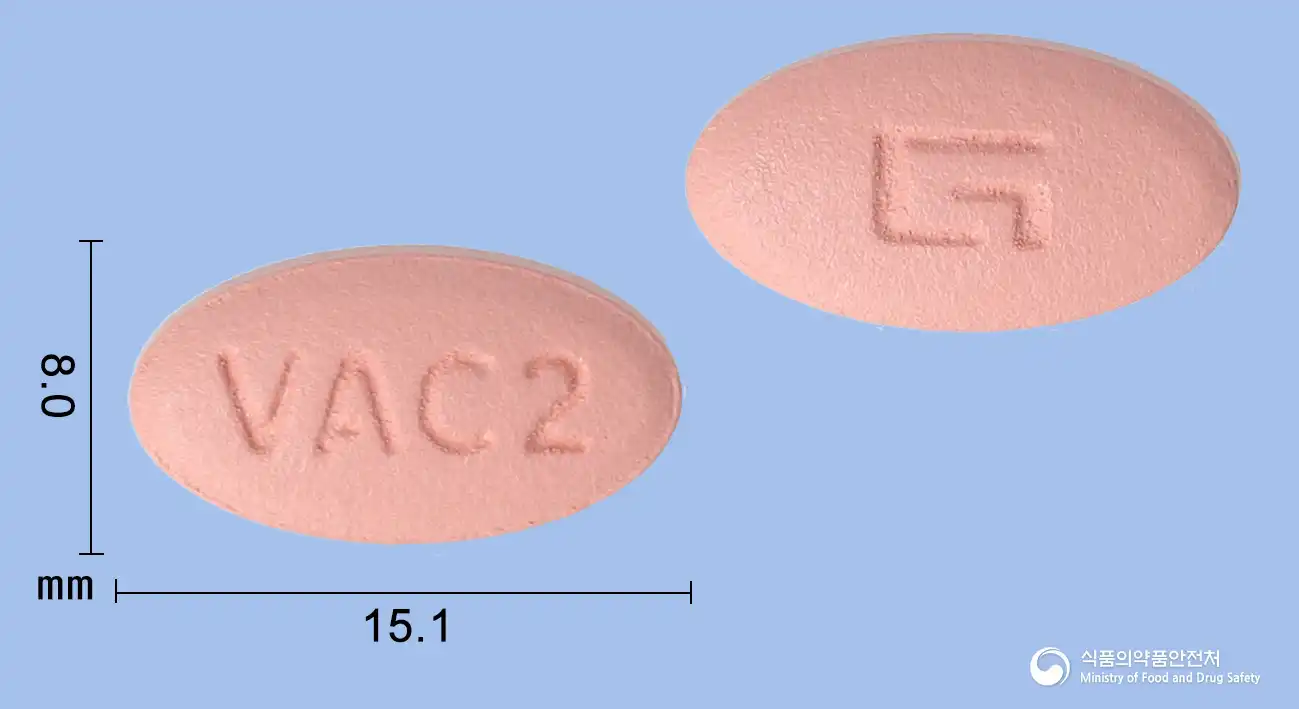 Viewing nowCombination
Baroset Tablets 10/160/25 mg (Amlodipine Besylate, Valsartan, Chlorthalidone)
Amlodipine Besylate 13.87mg · Valsartan 160mg +1 more
Tablet · Prescription medication · Combination
Dongkwang Pharm. Co., Ltd.
MFDS item code 202502996 · Approved 2025.11.18
Improvement in blood pressure control for essential hypertension
In patients with essential hypertension, if blood pressure control is inadequate even when amlodipine and valsartan are used together, additional therapeutic methods or medication adjustments may be necessary. These two medications each work to dilate blood vessels and lower blood pressure, aiding in the treatment of hypertension. However, it is important to consult with healthcare providers to adjust the treatment plan if blood pressure remains high. This combination therapy is used for effective management of essential hypertension.
This medication should be taken once daily, with one tablet, irrespective of meals, along with water. It is recommended to take it at the same time every day (e.g., in the morning). For patients whose blood pressure is not controlled with the combination therapy of amlodipine/valsartan, administer this medication at 5/80/12.5 mg, and adjust the dose considering the patient's blood pressure response at intervals of more than 2 weeks. The maximum dosage for this medication is 10/160/25 mg.
This medication can cause serious harm to the fetus if taken during pregnancy, especially during the second and third trimesters; therefore, it should be discontinued immediately if pregnancy is confirmed during treatment. Patients with impaired liver function or those with ongoing liver disease should be cautious as this drug can affect the body’s electrolyte balance and lead to hepatic encephalopathy. Patients with severely impaired kidney function should avoid or use this medication cautiously, as some components may accumulate in the body and cause toxicity. Patients with an allergy to this medication's components or similar class drugs, pregnant women, nursing mothers, patients with severe hypotension, and those with severe liver or kidney disorders should not take this medication. Patients with insufficient sodium or fluid should correct their condition before taking this medication, and blood pressure should be closely monitored post-administration due to the possibility of hypotension. Patients with high potassium levels or those taking medications that can increase potassium should frequently monitor potassium levels to ensure there are no abnormalities. Patients with cardiovascular diseases, recent myocardial infarction, or certain heart conditions such as aortic stenosis should use this drug with caution and follow their healthcare provider's instructions. Elderly patients and children require special attention, particularly older adults who are susceptible to electrolyte imbalance or hypotension; it is recommended to start at a lower dose and monitor their condition. During the use of this medication, symptoms such as dizziness, headache, and blood pressure reduction may occur, necessitating caution when driving or operating machinery. There may be interactions with other medications taken concurrently, so it is essential to inform healthcare providers about any other medications being used. In case of overdose, severe hypotension, shock, or altered consciousness may occur, requiring immediate medical attention for proper treatment. This medication should be stored out of the reach of children and kept away from direct sunlight, moisture, and heat.
Hives, severe swelling (edema), angioedema, chest pain, tightness in the chest, difficulty breathing, vasculitis, toxic epidermal necrolysis, hepatitis, jaundice, intrahepatic cholestasis, abnormal liver function, pulmonary edema, pancreatitis, agranulocytosis, acute kidney failure (interstitial nephritis, etc.), aplastic anemia, thrombocytopenia, leukopenia, severe allergic reactions, severe skin reactions, respiratory issues, liver abnormalities (jaundice), severe neurological symptoms, severe
Dizziness, headache, increased blood uric acid, increased alanine aminotransferase (ALT), increased aspartate aminotransferase (AST), increased creatine phosphokinase (CPK), increased blood glucose, increased triglycerides (TG), COVID-19, pharyngitis, upper respiratory infection, eyelid twitching, orthostatic hypotension, chest discomfort, vasculitis, weakness, fatigue, pain, weight gain/loss, palpitations, drowsiness, abdominal pain,
Not everyone experiences these, and they can vary from person to person.
This medication should be stored in a tightly closed container to prevent exposure to air or moisture. It is important to maintain storage temperatures between 1 degree and 30 degrees Celsius.
Oval film-coated tablets with a deep pink color
30 tablets/bottle
Even with the same ingredient, strength, dosage form and how it is taken can differ.
Viewing nowCombinationAmlodipine Besylate 13.87mg · Valsartan 160mg +1 more
Tablet · Prescription medication · Combination
Dongkwang Pharm. Co., Ltd.
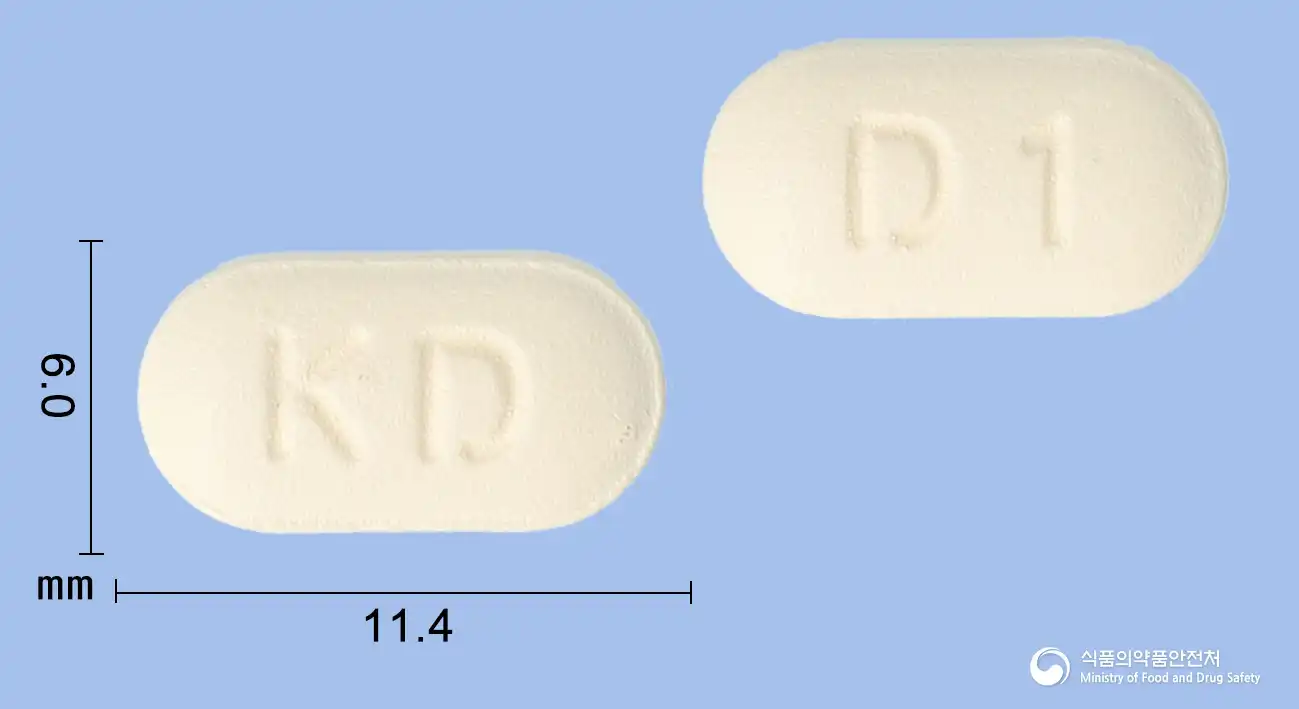 Combination
Amlodipine Besylate 6.935mg · Valsartan 80mg +1 more
Tablet · Prescription medication · Combination
Kyung Dong Pharm Co., Ltd.
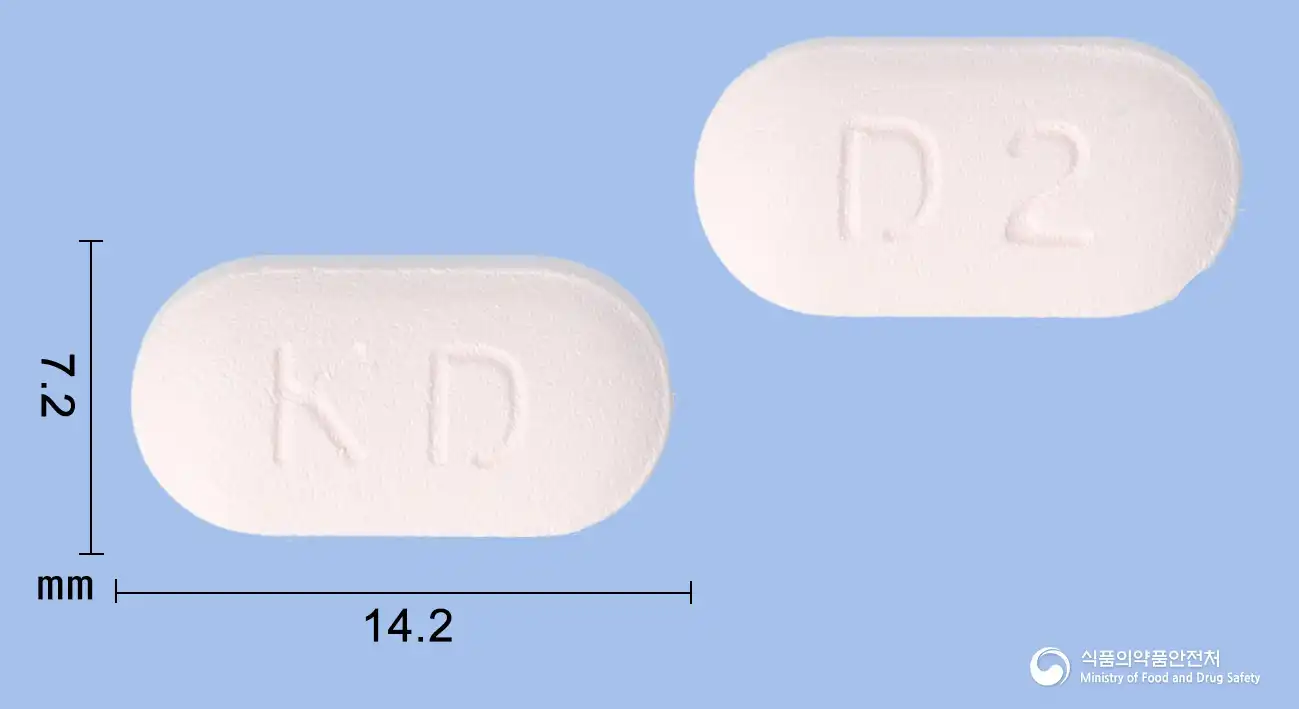 Combination
Amlodipine Besylate 6.935mg · Valsartan 160mg +1 more
Tablet · Prescription medication · Combination
Kyungdong Pharmaceutical Co., Ltd.
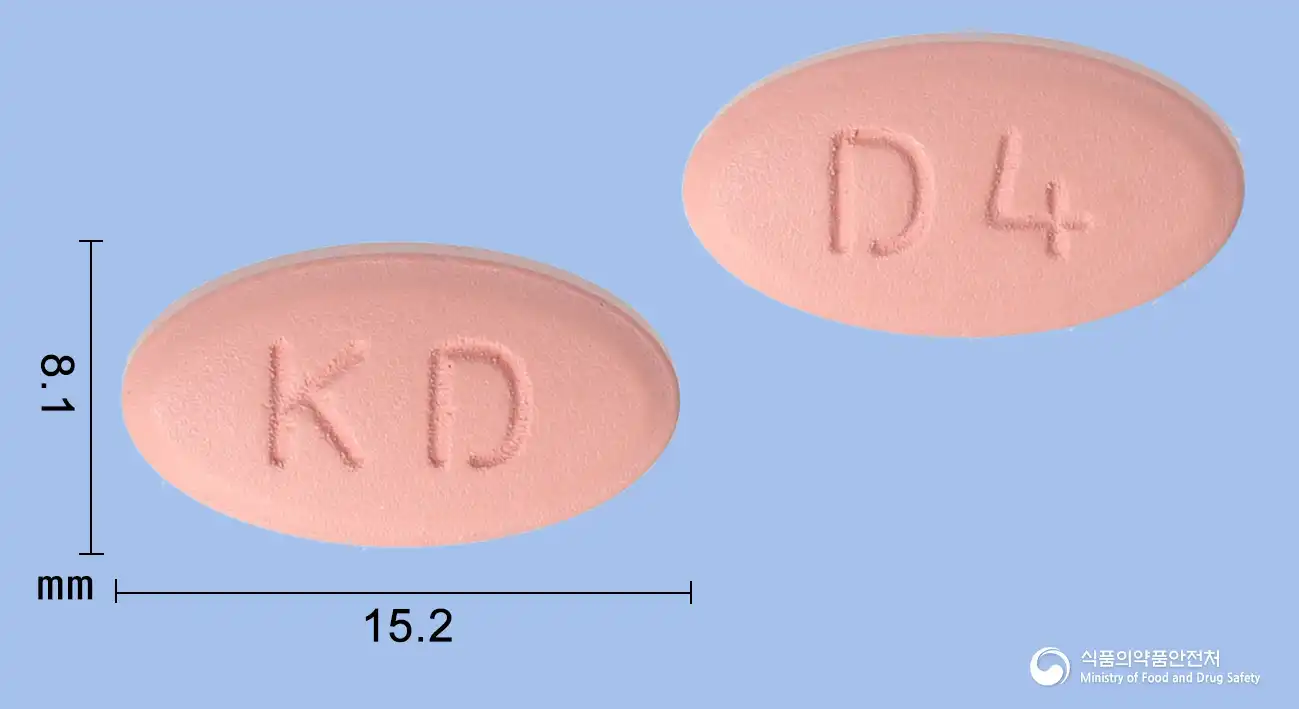 Combination
Amlodipine Besylate 13.87mg · Valsartan 160mg +1 more
Tablet · Prescription medication · Combination
Kyung Dong Pharmaceutical Co., Ltd.
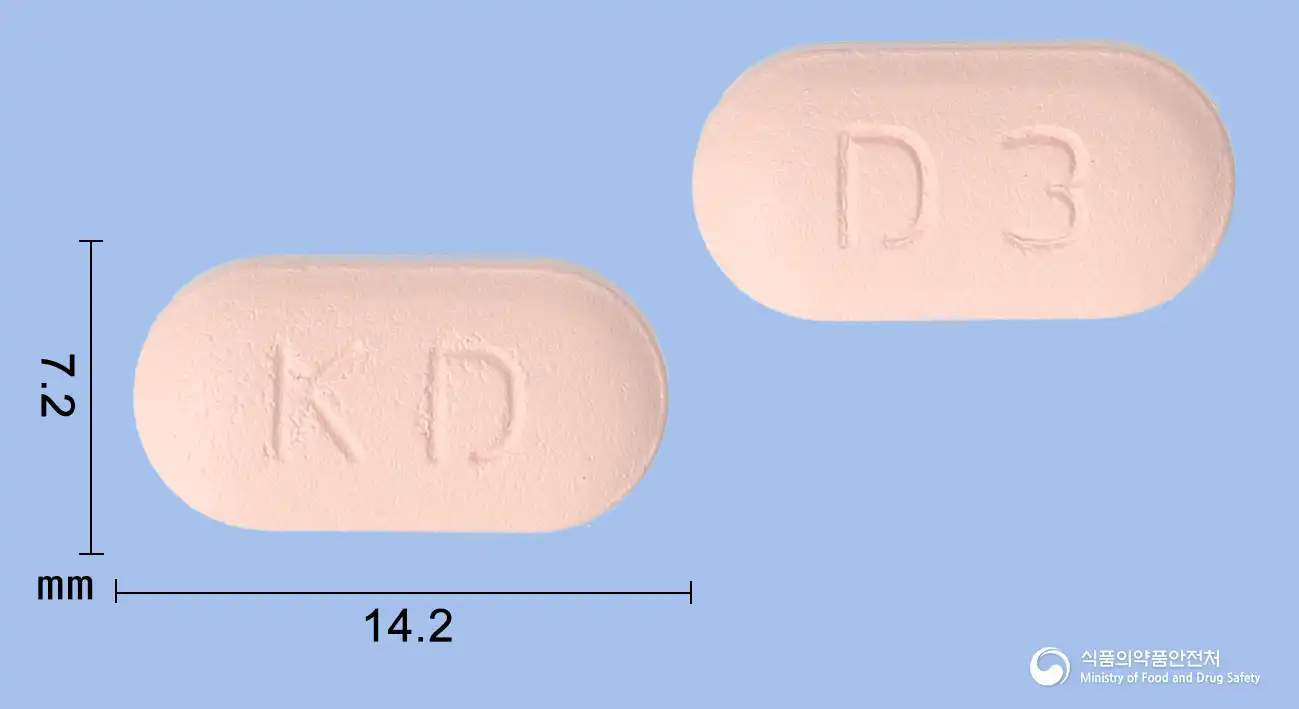 Combination
Amlodipine Besylate 13.87mg · Valsartan 160mg +1 more
Tablet · Prescription medication · Combination
Kyungdong Pharmaceutical Co., Ltd.
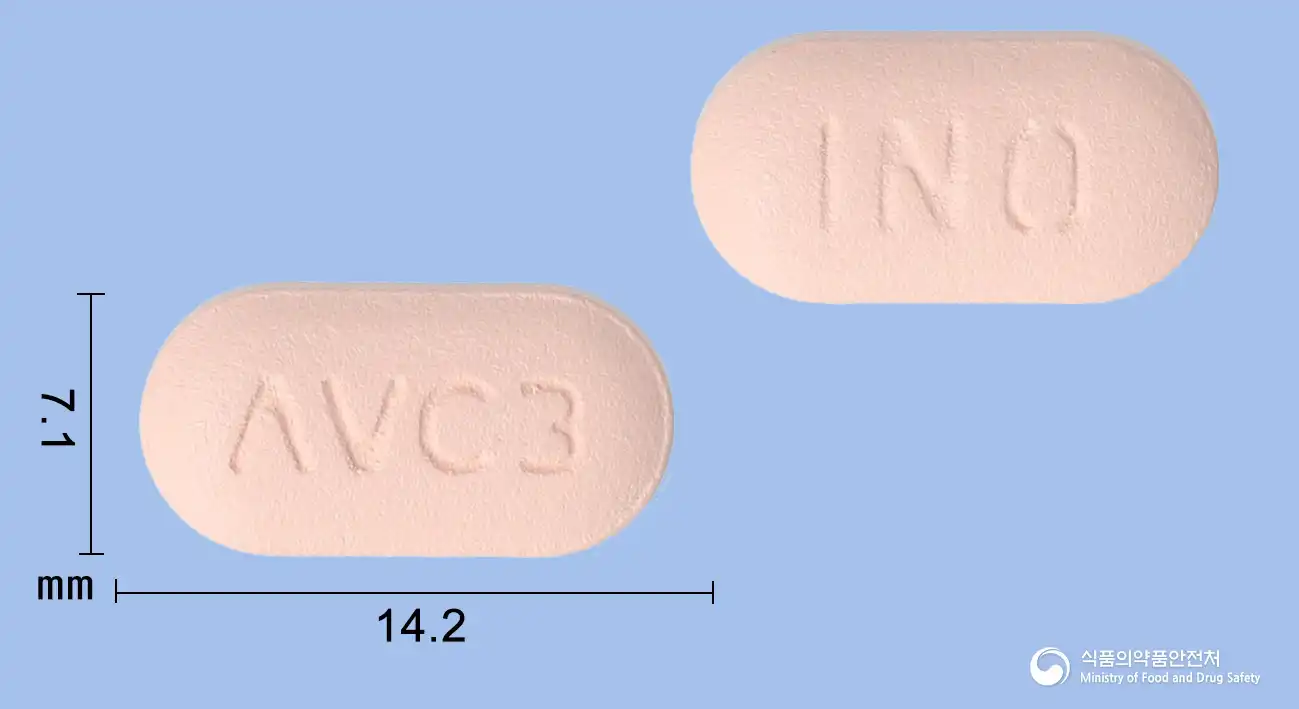 Combination
Amlodipine Besylate 13.87mg · Valsartan 160mg +1 more
Tablet · Prescription medication · Combination
HK inno.N Co., Ltd.
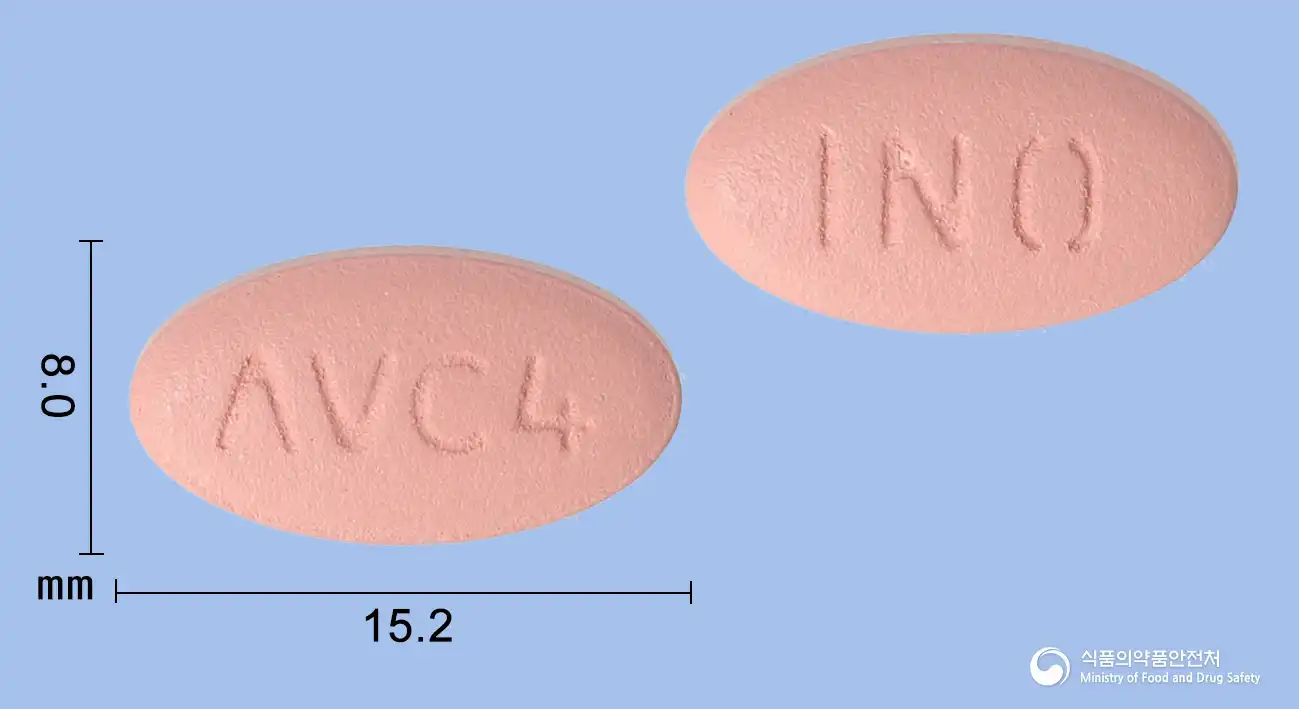 Combination
Amlodipine Besylate 13.87mg · Valsartan 160mg +1 more
Tablet · Prescription medication · Combination
HK inno.N Co., Ltd.
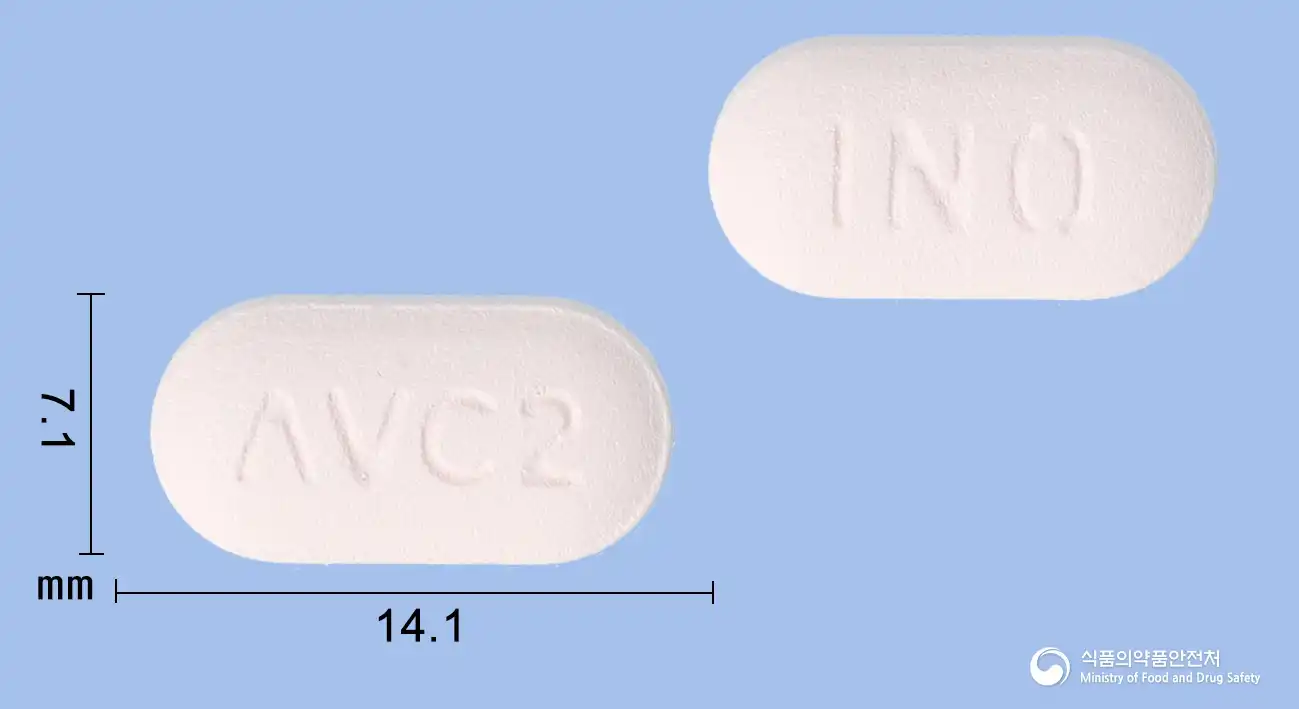 Combination
Amlodipine Besylate 6.935mg · Valsartan 160mg +1 more
Tablet · Prescription medication · Combination
HK inno.N Co., Ltd.
Even with the same ingredient, the dose and directions can differ by strength and dosage form. Talk to a doctor or pharmacist before switching from a medication you are already taking.
No questions yet.
For anything that needs medical judgment, consult a doctor or pharmacist.
This drug information is based on data provided by the Korea Ministry of Food and Drug Safety.
Consult a doctor or pharmacist for accurate dosage, administration, and usage instructions.