
 한국어
한국어 English
 日本語
日本語 中文(简体)
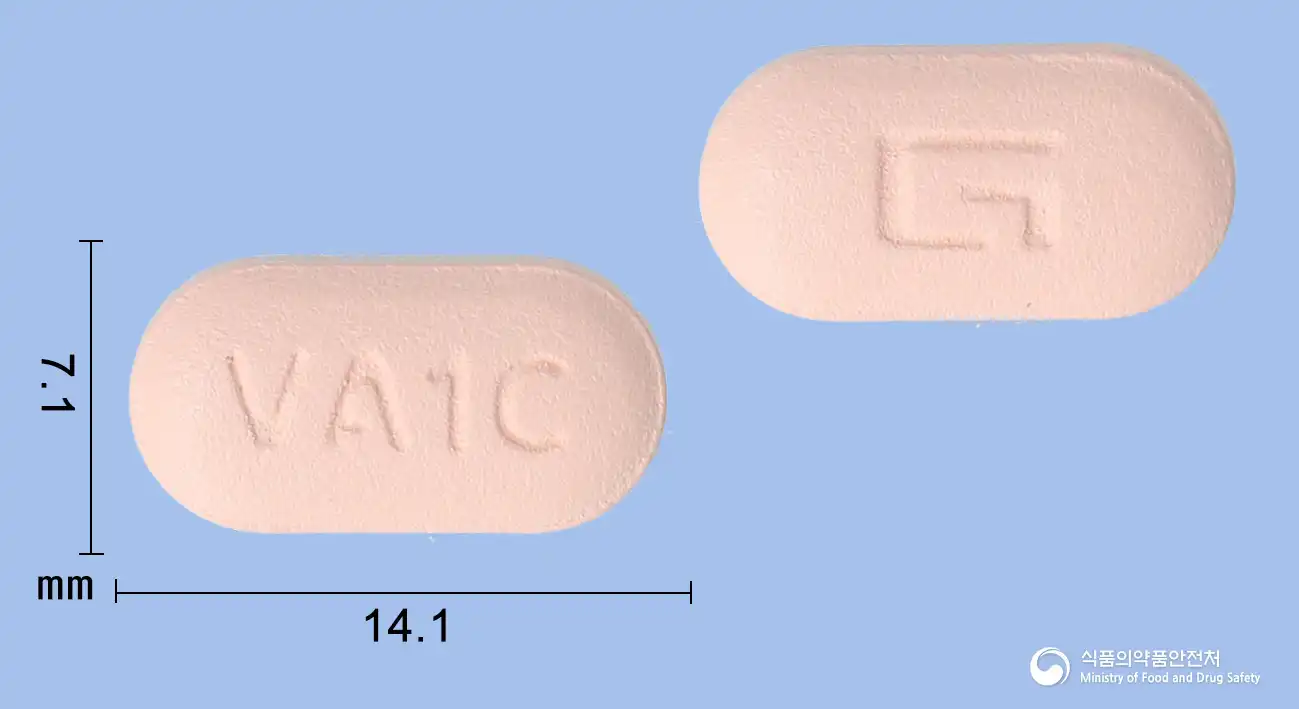 Viewing nowCombination
Baroset Tablet 10/160/12.5 mg (Amlodipine Besylate, Valsartan, Chlorthalidone)
Amlodipine Besylate 13.87mg · Valsartan 160mg +1 more
Tablet · Prescription medication · Combination
Dongkwang Pharmaceutical Co., Ltd.
MFDS item code 202502995 · Approved 2025.11.18 · Insurance code 645907660
Improvement of blood pressure control in essential hypertension
For patients with essential hypertension whose blood pressure is not sufficiently controlled even with combination therapy of amlodipine and valsartan, alternative treatment options should be considered. These medications help lower blood pressure, but it is important to consult a physician to adjust the treatment plan if blood pressure remains high, whether used alone or in combination. Essential hypertension requires continuous management to reduce the risk of cardiovascular diseases, and it is advisable to combine lifestyle improvements with pharmacotherapy. These medications are used to assist in controlling blood pressure to prevent complications caused by hypertension.
This drug should be taken once daily, 1 tablet, with water, regardless of meals. It is recommended to take it at the same time every day (e.g., in the morning). For patients whose blood pressure is not controlled with the amlodipine/valsartan combination therapy, administer this drug 5/80/12.5 mg, adjusting the dosage with intervals of more than 2 weeks based on the patient's blood pressure response. The maximum dosage of this drug is 10/160/25 mg.
This drug may cause serious harm to the fetus and newborn, especially after the second trimester of pregnancy, so it should be discontinued immediately if pregnancy is confirmed. Patients with impaired liver function or ongoing liver disease should be cautious as the risk of hepatic coma may occur when taking this drug. Patients with severe kidney disease should use this drug carefully due to the risk of worsening kidney function caused by the diuretic components included in this medication. Individuals with allergies to this drug or similar medications, pregnant or possibly pregnant women, and nursing women should avoid usage. Patients with severe hypotension or serious liver or kidney disorders should also refrain from taking this drug. Patients who are sodium or fluid depleted should correct their status before taking this drug, and blood pressure should be closely monitored during treatment. If potassium levels are high or combined with potassium-sparing diuretics, blood potassium levels should be checked frequently. Patients with heart disease, renal insufficiency, cerebrovascular disease, diabetes, and elderly individuals need more careful monitoring when taking this drug. This medication may cause side effects such as dizziness, headache, and fatigue, so caution is advised when driving or operating machinery. When used in combination with other medications, there may be interactions, so it is essential to consult with healthcare professionals, especially when taken with potassium-sparing diuretics or lithium. In case of overdose, symptoms like hypotension, shock, and electrolyte imbalance may occur, so immediate medical attention is required. The safety of this drug has not been established for children, and elderly patients should start with low doses and be closely monitored.
Hives, severe swelling (edema), chest tightness, difficulty breathing, cold sweat, pallor, severe allergic reactions, severe rash with high fever, blisters, peeling skin, pain in mucous membranes of mouth/eyes, severe skin reactions, shortness of breath or difficulty breathing, asthma attacks, cough with fever accompanied by breathing difficulties, breathing problems, yellowing of the skin or eyes (jaundice), extreme lethargy, liver dysfunction (jaundice), sudden and
Dizziness, headache, increased blood uric acid, increased alanine aminotransferase (ALT), increased aspartate aminotransferase (AST), increased blood creatine phosphokinase (CPK), increased blood sugar, increased blood triglycerides (TG), COVID-19, nasopharyngitis, upper respiratory infection, eyelid twitching, orthostatic hypotension, chest discomfort, flushing, fatigue, edema, palpitations, light-headedness, drowsiness, abdominal pain, nausea, weakness, lethargy
Not everyone experiences these, and they can vary from person to person.
This medication should be stored in a tightly sealed container to prevent air or moisture from entering. The recommended storage temperature is room temperature between 1 to 30 degrees Celsius.
Pink rectangular film-coated tablet
30 tablets per bottle
Even with the same ingredient, strength, dosage form and how it is taken can differ.
Viewing nowCombinationAmlodipine Besylate 13.87mg · Valsartan 160mg +1 more
Tablet · Prescription medication · Combination
Dongkwang Pharmaceutical Co., Ltd.
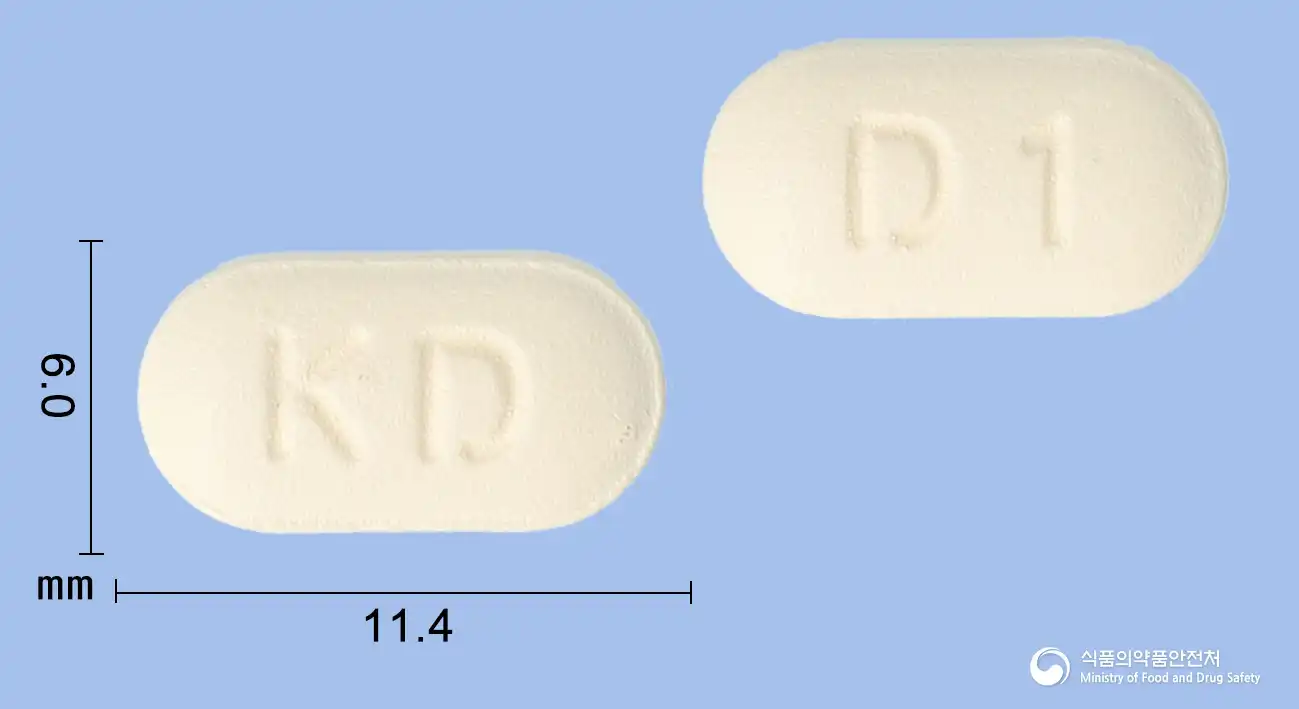 Combination
Amlodipine Besylate 6.935mg · Valsartan 80mg +1 more
Tablet · Prescription medication · Combination
Kyung Dong Pharm Co., Ltd.
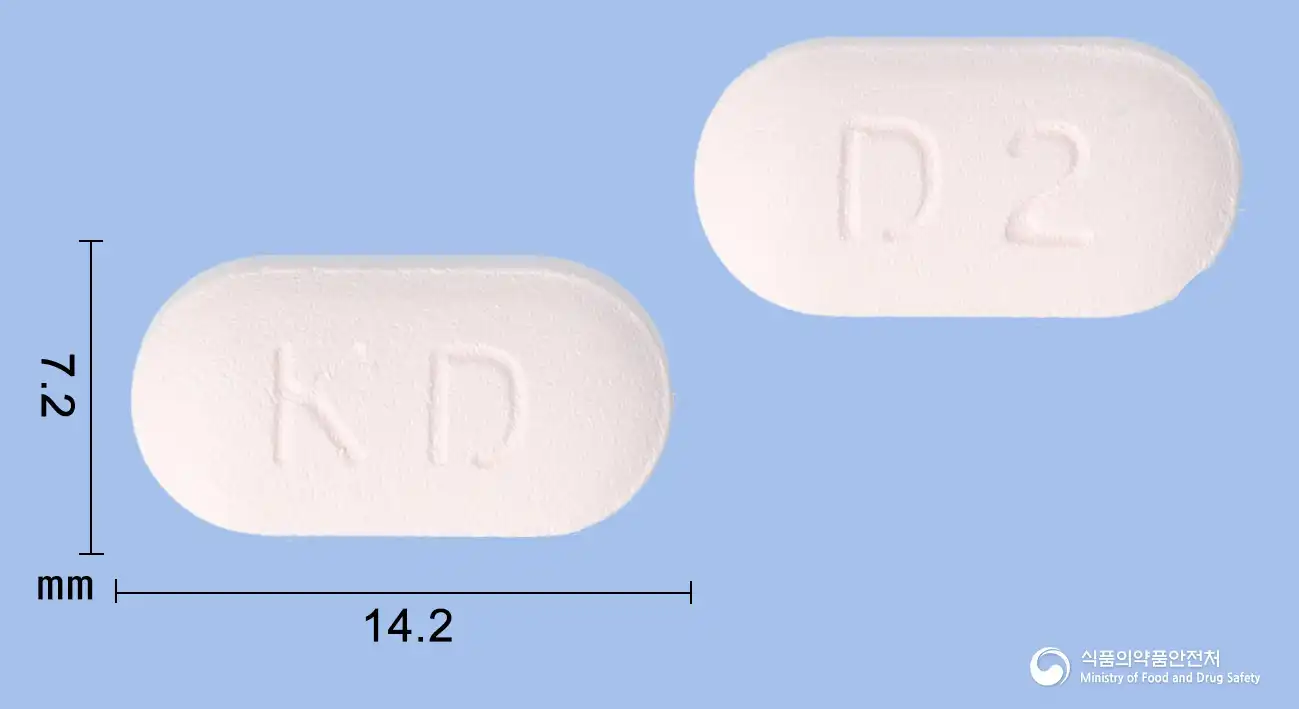 Combination
Amlodipine Besylate 6.935mg · Valsartan 160mg +1 more
Tablet · Prescription medication · Combination
Kyungdong Pharmaceutical Co., Ltd.
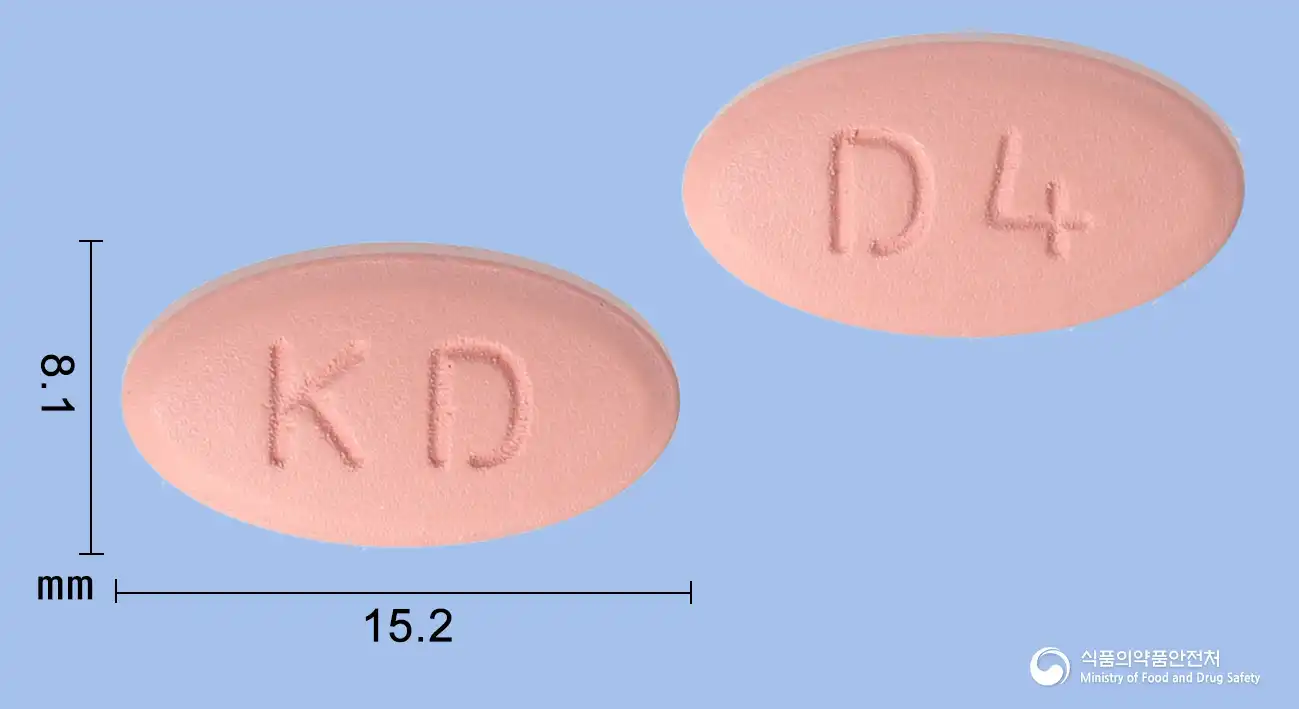 Combination
Amlodipine Besylate 13.87mg · Valsartan 160mg +1 more
Tablet · Prescription medication · Combination
Kyung Dong Pharmaceutical Co., Ltd.
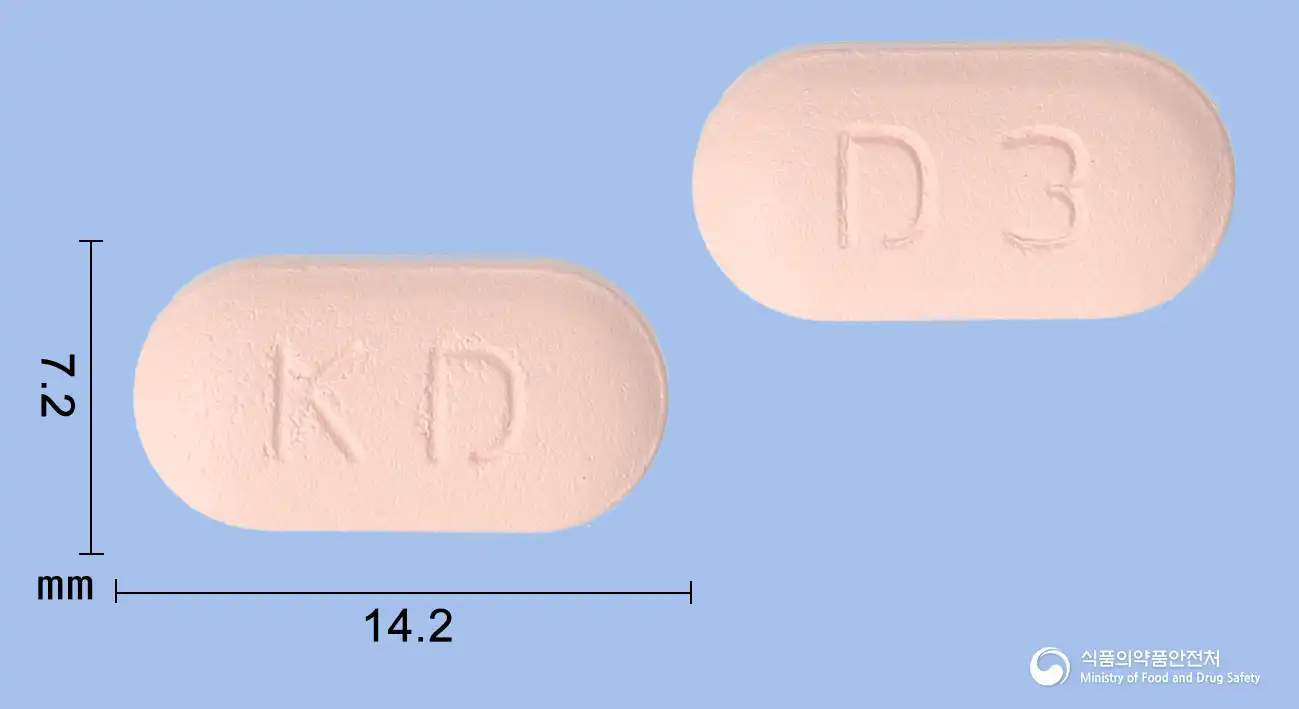 Combination
Amlodipine Besylate 13.87mg · Valsartan 160mg +1 more
Tablet · Prescription medication · Combination
Kyungdong Pharmaceutical Co., Ltd.
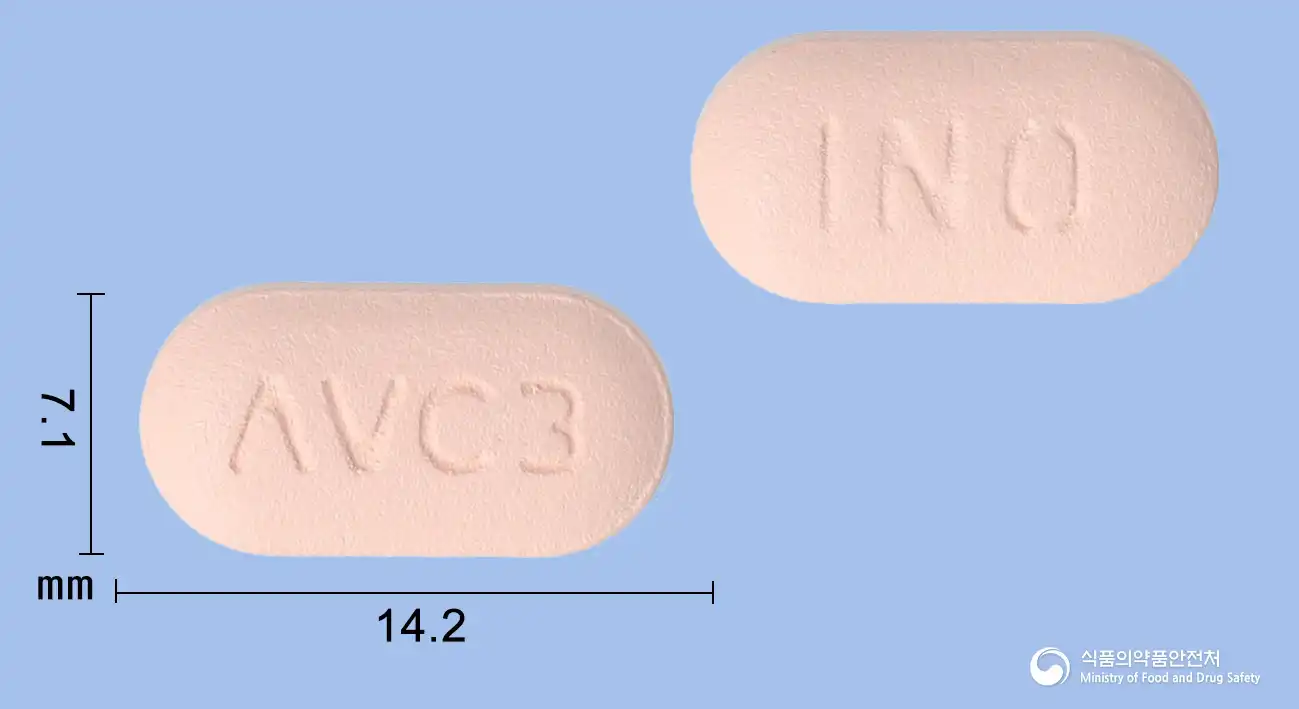 Combination
Amlodipine Besylate 13.87mg · Valsartan 160mg +1 more
Tablet · Prescription medication · Combination
HK inno.N Co., Ltd.
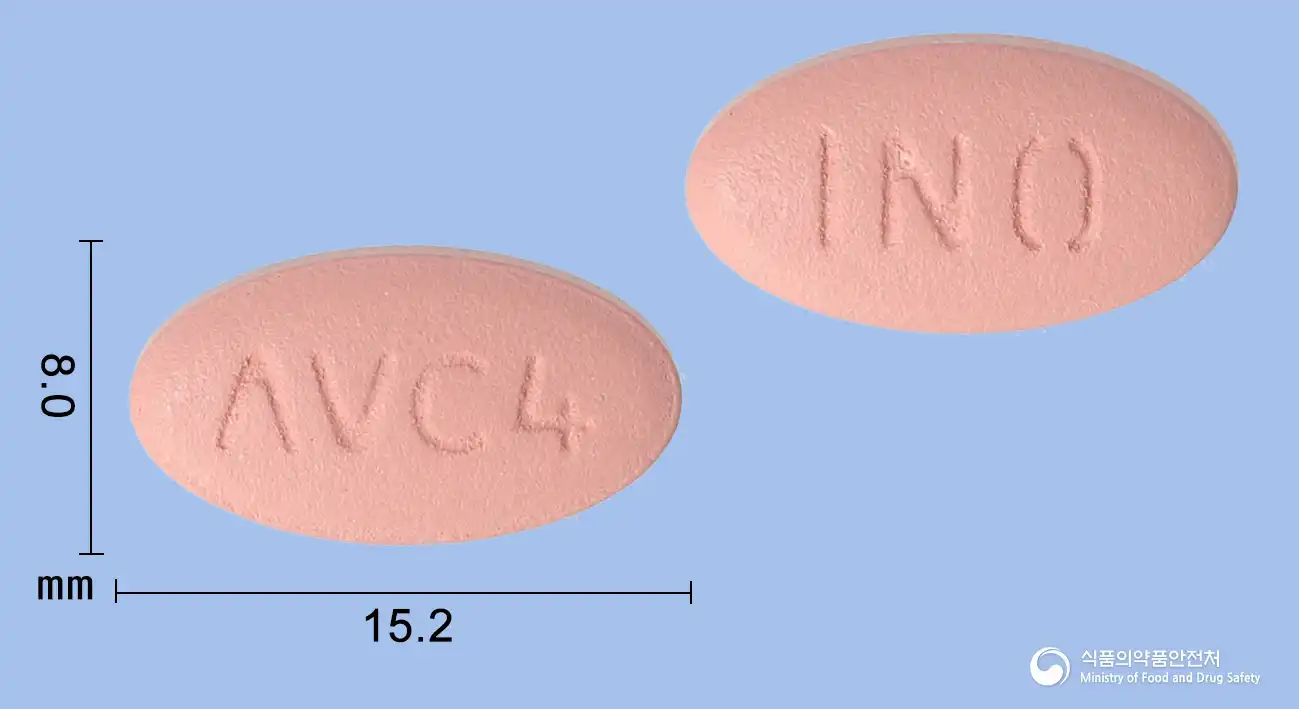 Combination
Amlodipine Besylate 13.87mg · Valsartan 160mg +1 more
Tablet · Prescription medication · Combination
HK inno.N Co., Ltd.
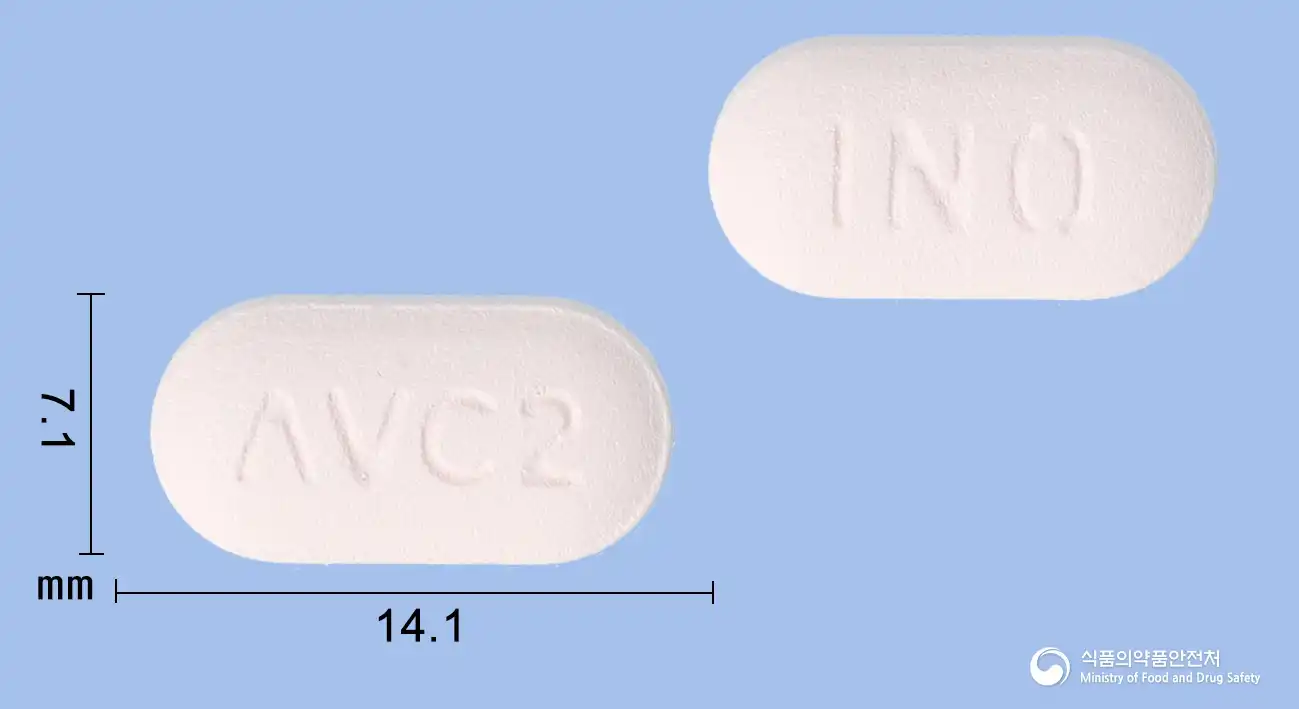 Combination
Amlodipine Besylate 6.935mg · Valsartan 160mg +1 more
Tablet · Prescription medication · Combination
HK inno.N Co., Ltd.
Even with the same ingredient, the dose and directions can differ by strength and dosage form. Talk to a doctor or pharmacist before switching from a medication you are already taking.
No questions yet.
For anything that needs medical judgment, consult a doctor or pharmacist.
This drug information is based on data provided by the Korea Ministry of Food and Drug Safety.
Consult a doctor or pharmacist for accurate dosage, administration, and usage instructions.