
 한국어
 English
 日本語
 中文(简体)
 Viewing nowCombination
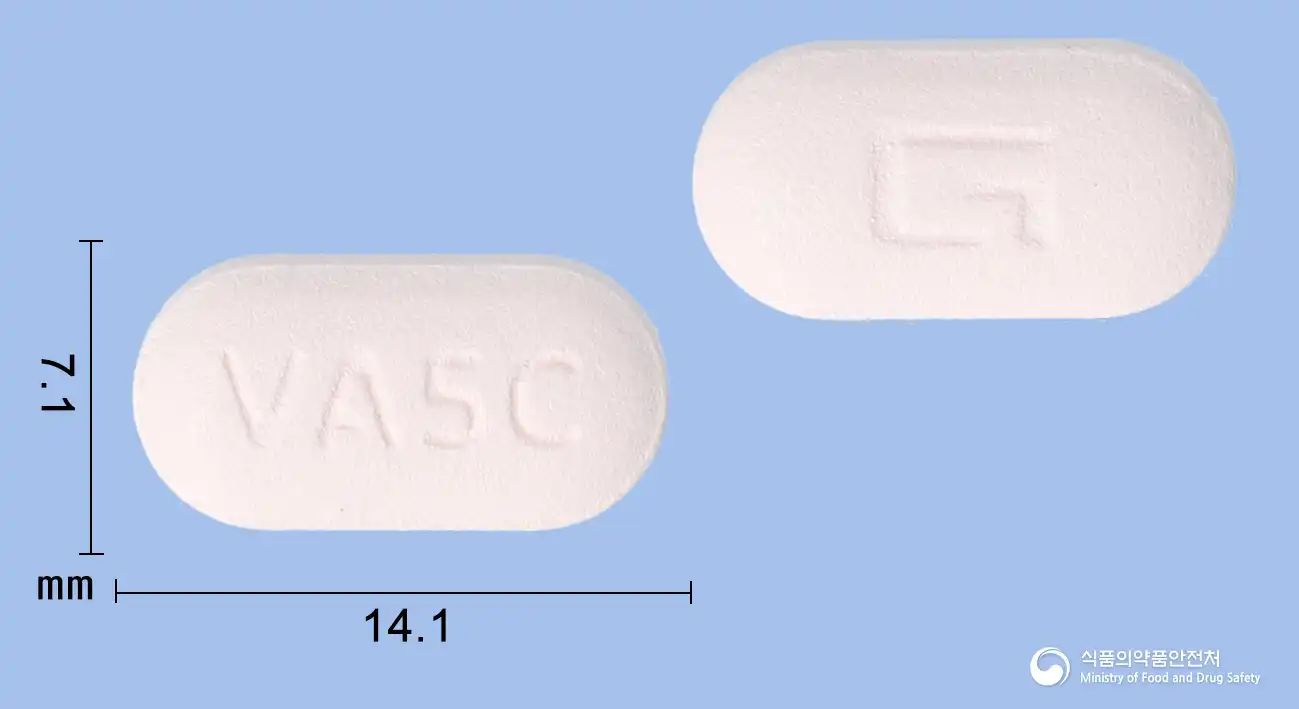
Baroset Tablet 5/160/12.5 mg (Amlodipine Besilate, Valsartan, Chlorthalidone)
Amlodipine Besylate 6.935mg · Valsartan 160mg +1 more
Tablet · Prescription medication · Combination
Dongkwang Pharmaceutical Co., Ltd.
MFDS item code 202502994 · Approved 2025.11.18 · Insurance code 645907650
Treatment of essential hypertension not controlled with amlodipine and valsartan combination therapy
This therapy is indicated for patients with essential hypertension whose blood pressure is not adequately controlled despite combination therapy with amlodipine and valsartan. Essential hypertension requires consistent management to avoid excessive burden on vital organs such as the heart or kidneys if blood pressure is not adequately managed. Amlodipine works by dilating blood vessels to lower blood pressure, while valsartan prevents blood vessel constriction to inhibit blood pressure elevation. The combined use of these two medications allows for more effective blood pressure control. However, if blood pressure cannot be controlled with combination therapy alone, additional treatment or lifestyle modifications may be necessary. This therapy helps effectively control hypertension and reduce the risk of complications.
Take 1 tablet once daily with water, with or without food. If possible, it is recommended to take this medicine at the same time each day (e.g., in the morning). Before starting this medicine, it is recommended that the dose be adjusted using the individual ingredients (amlodipine and valsartan as monotherapy or combination therapy). For patients whose blood pressure is not controlled with amlodipine/valsartan combination therapy, administer this medicine at 5/80/12.5 milligrams, and adjust the dose at intervals of 2 weeks or longer based on the patient's blood pressure response. The maximum dose of this medicine is 10/160/25 milligrams. Patients taking an amlodipine/valsartan combination product together with chlorthalidone as a single agent may switch to this medicine (a combination product containing the same amount of each active ingredient) for convenience.
This medication can cause serious harm to the fetus and newborns if administered to pregnant women, and use should be discontinued immediately upon confirmation of pregnancy. Patients with impaired liver function may experience fluid and electrolyte imbalance, particularly cirrhosis patients, who may be at risk for hepatic encephalopathy. Patients with severely impaired kidney function may experience increased blood urea nitrogen levels due to certain ingredients in this medication, and there is a risk of drug accumulation in the body. Individuals allergic to any component of this medication or similar drugs, pregnant or breastfeeding women, and patients with severe hypotension or significant liver or kidney disease should not take this medication. Additionally, patients with certain heart valve diseases, in shock, experiencing anuria, severe electrolyte imbalance, or taking specific medications should avoid using this drug. Patients with fluid or sodium depletion may experience hypotension, so conditions should be improved before administration, and blood pressure and symptoms should be carefully monitored during treatment. Patients with high potassium levels or those at risk for elevated potassium should frequently check serum potassium levels when taking this medication with potassium supplements or potassium-sparing diuretics. Patients with renal artery stenosis, those requiring dialysis for renal failure, heart failure, or patients post-myocardial infarction should use this medication cautiously and be prepared for potential symptom exacerbation. During the use of this medication, symptoms such as dizziness, hypotension, and headache may occur; therefore, caution is advised when driving or operating machinery. This medication may affect liver and kidney function, thus it requires regular blood tests and physical examinations to check for abnormalities. Elderly patients using this medication are at a higher risk for electrolyte imbalance and dizziness or fainting due to blood pressure drop, so it is recommended to start at a lower dose and closely monitor their condition. Overdose may result in severe hypotension, shock, decreased consciousness, among other symptoms, requiring immediate medical attention. This medication should be stored in a tightly closed container to protect it from moisture and heat, and it is recommended not to transfer it to another container.
Dizziness, headache, increased blood uric acid, increased alanine aminotransferase (ALT), increased aspartate aminotransferase (AST), increased blood creatine phosphokinase (CPK), increased blood glucose, increased blood triglycerides (TG), COVID-19, nasopharyngitis, upper respiratory infection, positional dizziness, eyelid twitching, orthostatic hypotension, chest discomfort, flushing, fatigue, edema, palpitations, vertigo, drowsiness, abdominal pain, nausea, weakness, lethargy, pain, weight gain/loss, hypotension, vasculitis, tension increase, sensory decrease/sensory abnormality, peripheral neuropathy, syncope, taste disturbance, tremor, extrapyramidal disorder, erectile dysfunction, gynecomastia, changes in bowel habits, dry mouth, dyspepsia (gastritis), gingival hypertrophy, pancreatitis, vomiting, hyperglycemia, arthralgia, low back pain, muscle cramps, myalgia, leukopenia, thrombocytopenia, insomnia, mood changes, cough, dyspnea, rhinitis, hair loss, hyperhidrosis, purpura, skin discoloration, urticaria, toxic epidermal necrolysis, tinnitus, visual disturbances, increased frequency of urination, urination disorders, nocturia, hepatitis, jaundice, elevation of liver enzymes, dyspepsia, anemia, tinnitus, tension increase, diminished exercise capacity, confusion, chest pain, rash, myalgia, vascular edema, redness, itching, serum sickness, vasculitis, kidney function impairment, syncope, nasal bleeding, hepatitis, hypoglycemia, shock, loss of consciousness, rhabdomyolysis, agranulocytosis, vesicular dermatitis, aplastic anemia, necrotizing vasculitis, pulmonary edema, acute renal failure, hypokalemia, hyperuricemia, increase in blood lipids, hyponatremia, hypomagnesemia, hyperglycemia, gout, hypercalcemia, diabetes, worsening of diabetic metabolic state, hypochloremic alkalosis, urticaria, skin redness, photosensitivity reaction, intrahepatic bile duct obstruction, jaundice, orthostatic hypotension, deep vein thrombosis, palpitations, sensory abnormalities, depression, heaviness, loss of appetite, gastrointestinal disturbances, nausea, vomiting, gastric pain, constipation, diarrhea, thrombocytopenia, leukopenia, agranulocytosis, eosinophilia, purpura, visual disturbances, yellowing of skin, erectile dysfunction, pulmonary edema, allergic enteritis, lethargy, weakness, hypotension, tachycardia, hypovolemic shock, consciousness disturbance, coma, muscle tone, muscle cramps, sensory abnormalities, drowsiness, confusion, thirst, nausea, vomiting, polyuria, oliguria in cases of blood concentration, anuria, venous thrombosis, hypovolemic condition, arrhythmia
Not everyone experiences these, and they can vary from person to person.
This medication should be stored in a sealed container to protect it from air and moisture. It is important to maintain a storage temperature between 1 and 30 degrees Celsius, at room temperature.
Pale pink rectangular film-coated tablet
30 tablets/bottle
Even with the same ingredient, strength, dosage form and how it is taken can differ.
Viewing nowCombinationAmlodipine Besylate 6.935mg · Valsartan 160mg +1 more
Tablet · Prescription medication · Combination
Dongkwang Pharmaceutical Co., Ltd.
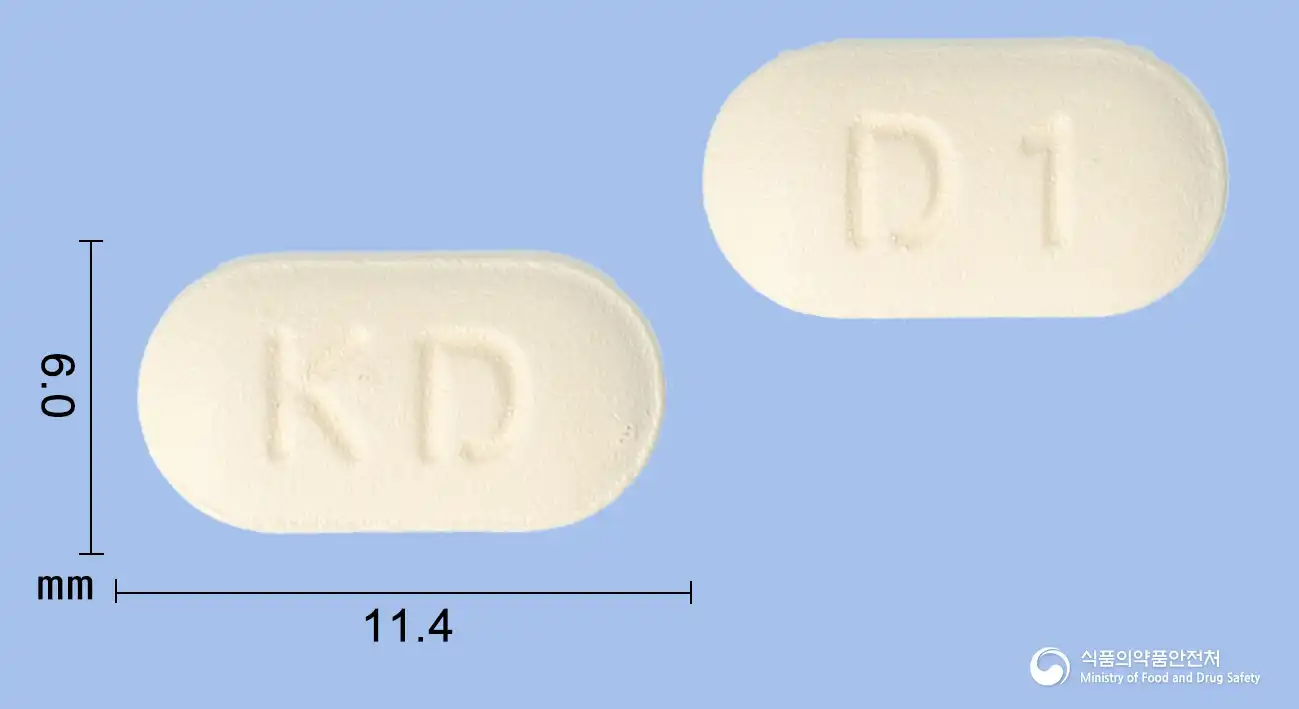 Combination
Amlodipine Besylate 6.935mg · Valsartan 80mg +1 more
Tablet · Prescription medication · Combination
Kyung Dong Pharm Co., Ltd.
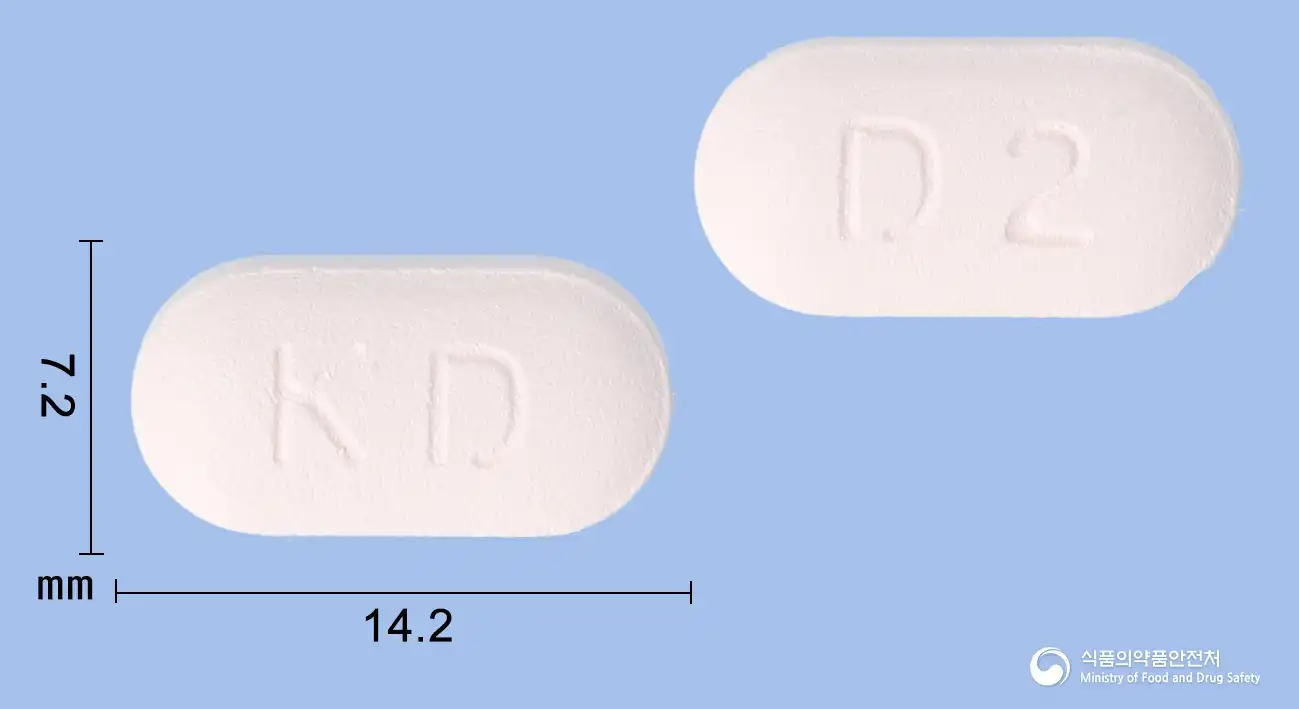 Combination
Amlodipine Besylate 6.935mg · Valsartan 160mg +1 more
Tablet · Prescription medication · Combination
Kyungdong Pharmaceutical Co., Ltd.
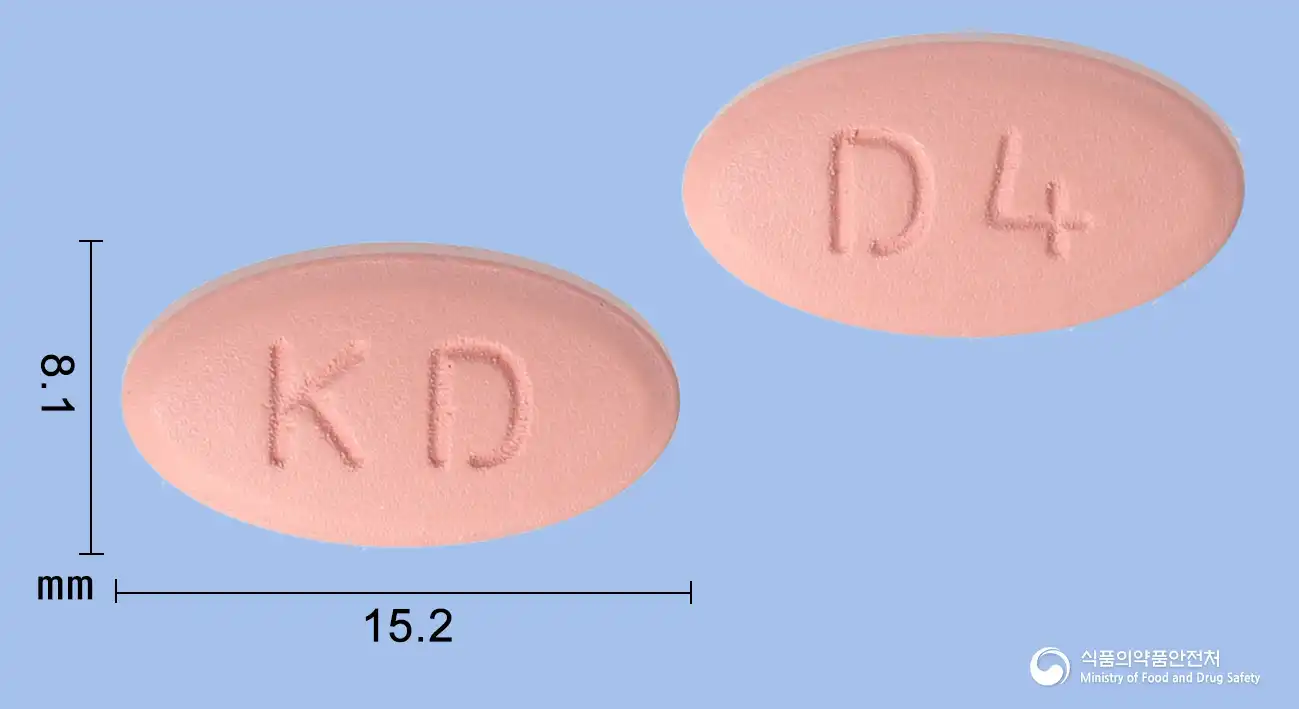 Combination
Amlodipine Besylate 13.87mg · Valsartan 160mg +1 more
Tablet · Prescription medication · Combination
Kyung Dong Pharmaceutical Co., Ltd.
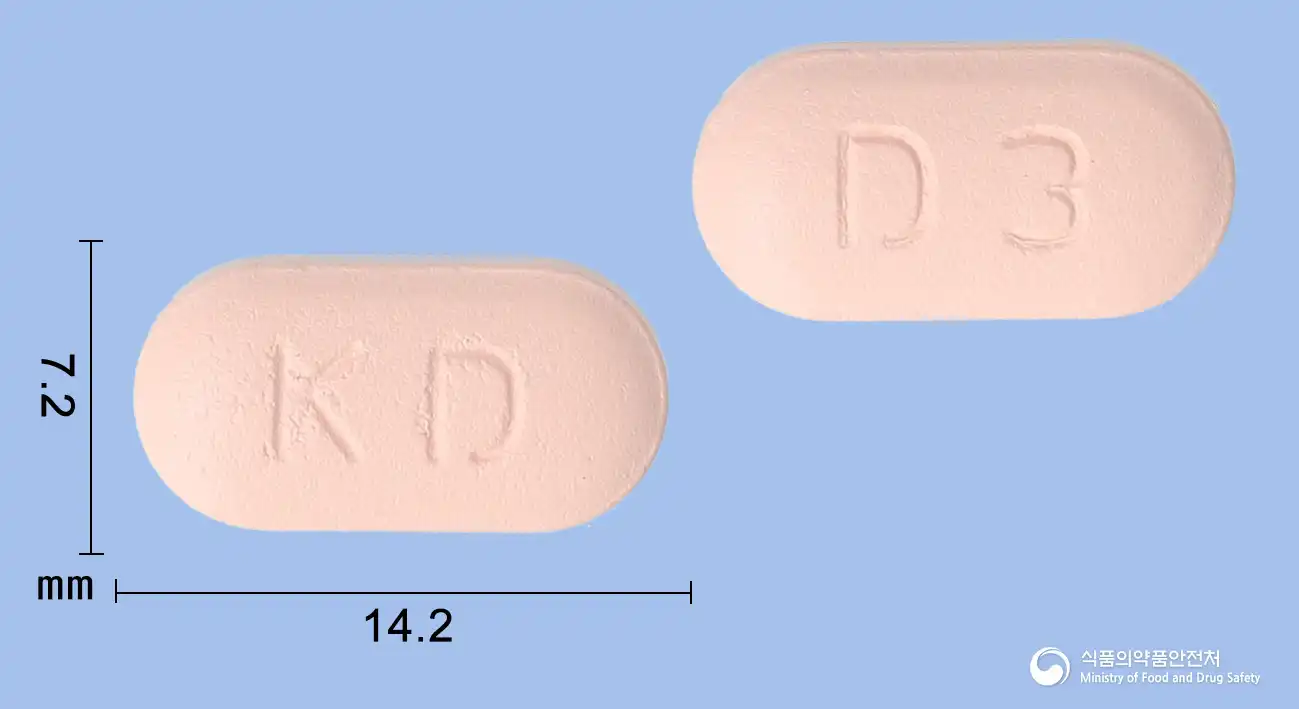 Combination
Amlodipine Besylate 13.87mg · Valsartan 160mg +1 more
Tablet · Prescription medication · Combination
Kyungdong Pharmaceutical Co., Ltd.
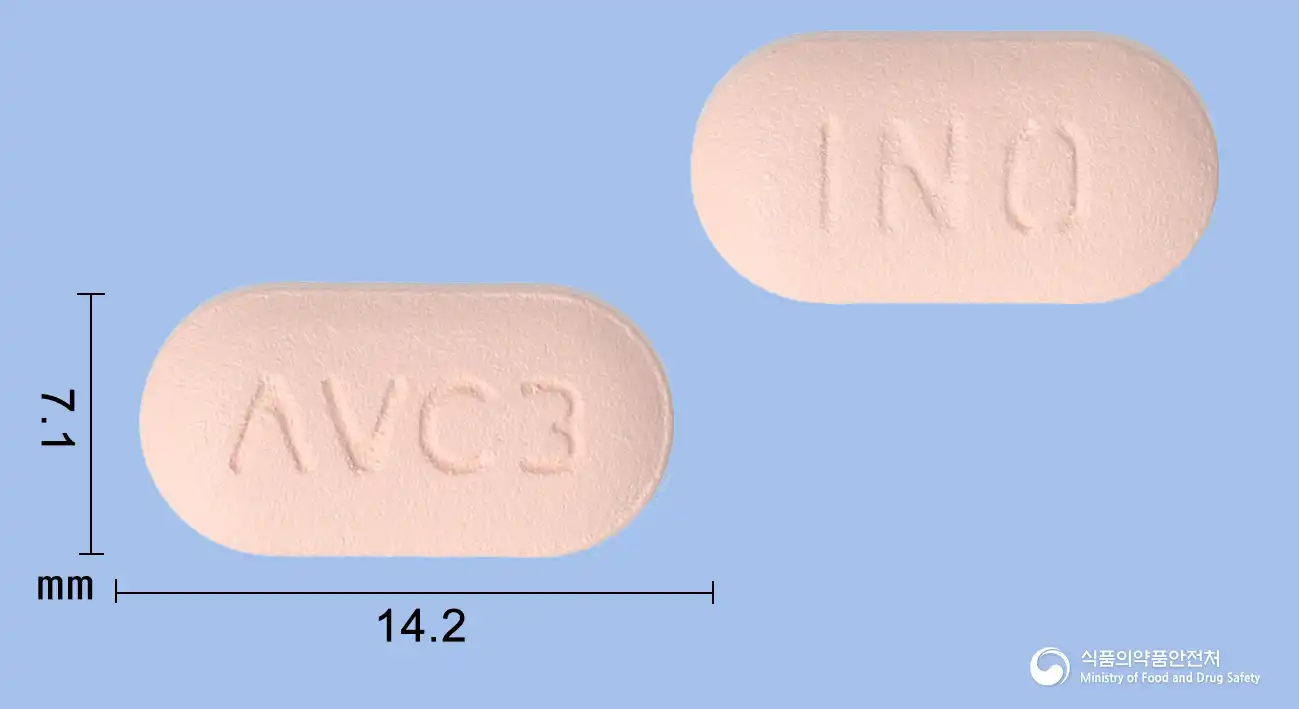 Combination
Amlodipine Besylate 13.87mg · Valsartan 160mg +1 more
Tablet · Prescription medication · Combination
HK inno.N Co., Ltd.
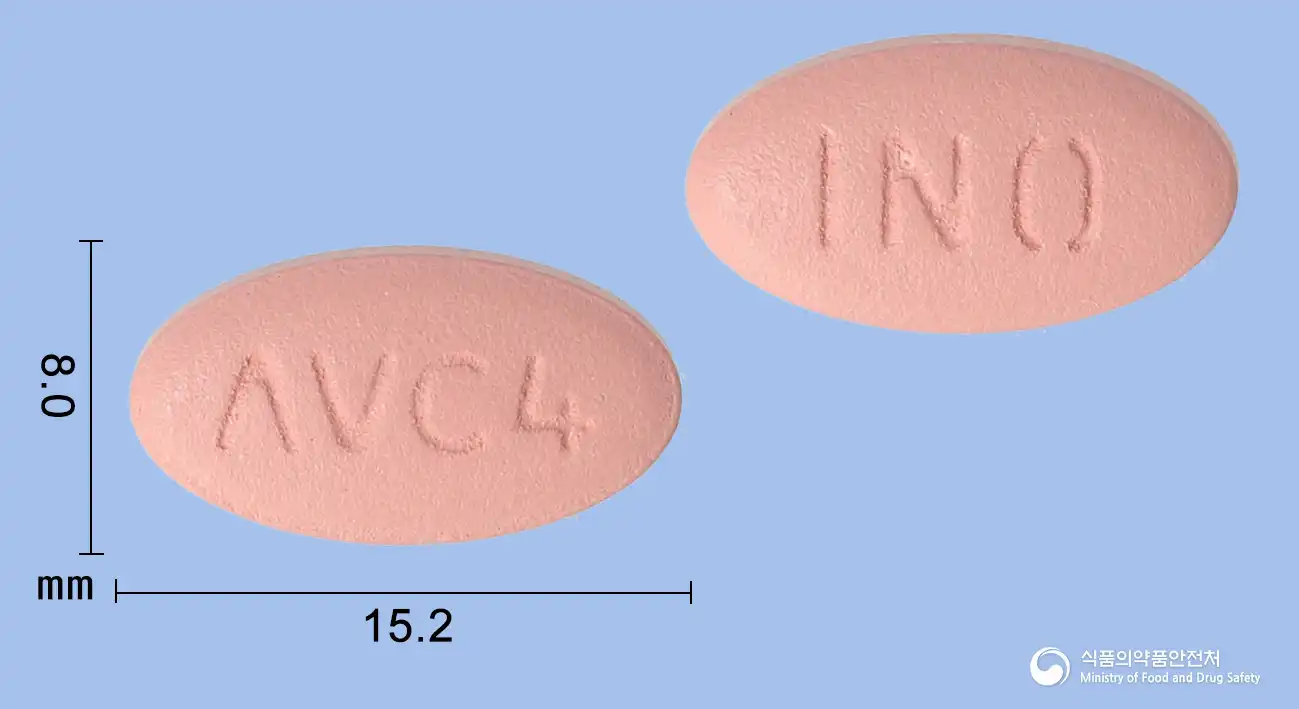 Combination
Amlodipine Besylate 13.87mg · Valsartan 160mg +1 more
Tablet · Prescription medication · Combination
HK inno.N Co., Ltd.
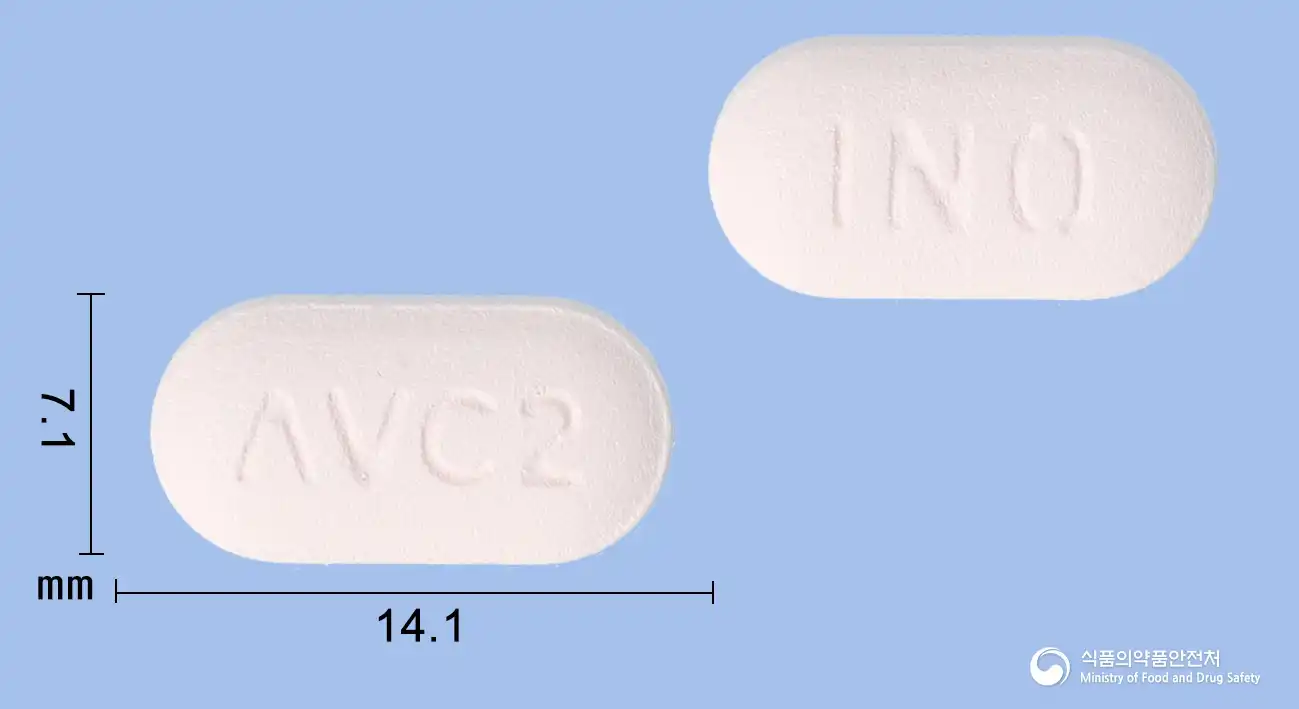 Combination
Amlodipine Besylate 6.935mg · Valsartan 160mg +1 more
Tablet · Prescription medication · Combination
HK inno.N Co., Ltd.
Even with the same ingredient, the dose and directions can differ by strength and dosage form. Talk to a doctor or pharmacist before switching from a medication you are already taking.
No questions yet.
For anything that needs medical judgment, consult a doctor or pharmacist.
This drug information is based on data provided by the Korea Ministry of Food and Drug Safety.
Consult a doctor or pharmacist for accurate dosage, administration, and usage instructions.