
 한국어
한국어 English
 日本語
日本語 中文(简体)
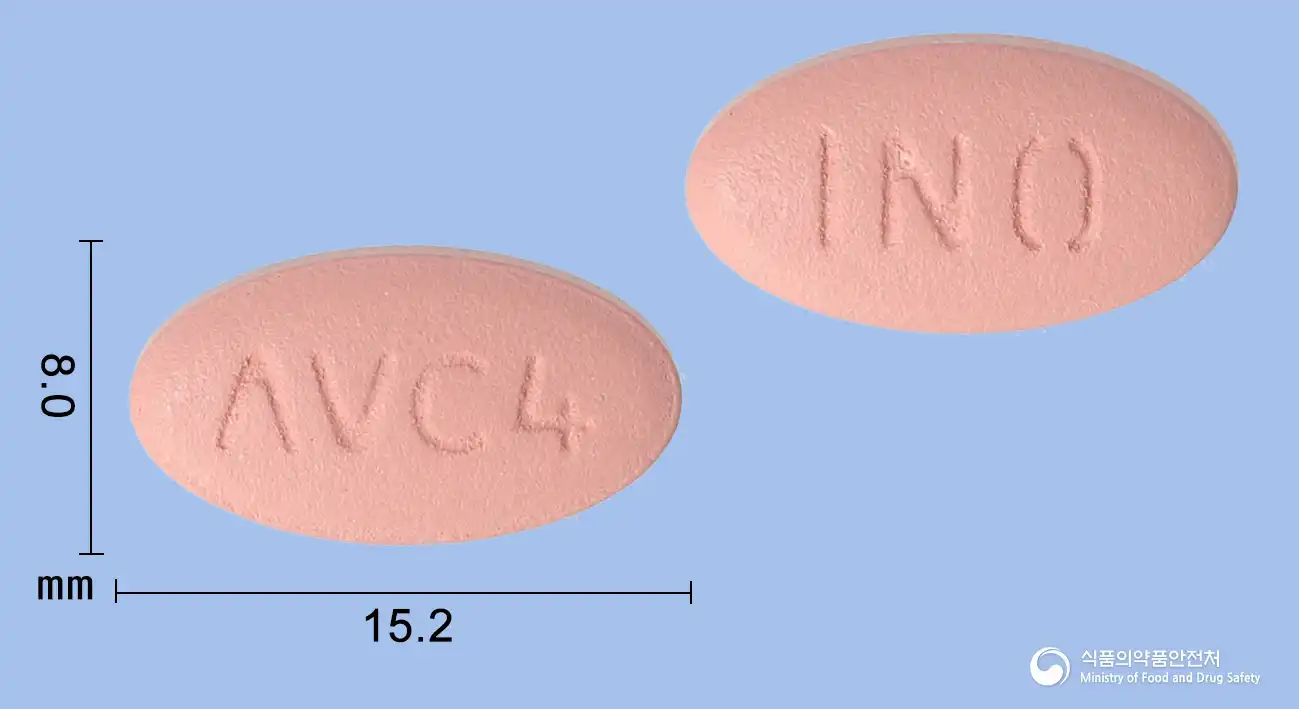 Viewing nowCombination
Xone Plus Tablets 10/160/25 mg (Amlodipine/Valsartan/Chlorthalidone)
Amlodipine Besylate 13.87mg · Valsartan 160mg +1 more
Tablet · Prescription medication · Combination
HK inno.N Co., Ltd.
MFDS item code 202502990 · Approved 2025.11.18 · Insurance code 640008030
Improvement in blood pressure control for essential hypertension
In patients with essential hypertension for whom blood pressure is not adequately controlled with combination therapy of amlodipine and valsartan, additional therapeutic strategies or medication adjustments may be necessary. This plays a crucial role in lowering the risk of cardiovascular diseases and maintaining health through blood pressure control. Therefore, it is important to consult with a specialist to find the optimal treatment method in such cases.
This medication should be taken once daily with one tablet, regardless of meals, with water. It is recommended to take it at the same time each day (e.g., morning). For patients whose blood pressure is not controlled with a combination therapy of amlodipine and valsartan, a dosage of 5/80/12.5 mg should be administered, and dosage adjustments should be made at intervals of more than 2 weeks based on the patient's blood pressure response. The maximum dosage of this medication is 10/160/25 mg.
This medication may cause serious harm to the fetus and newborn if taken during pregnancy, and use should be discontinued immediately upon confirmation of pregnancy. Caution is required for patients with impaired liver function or those with progressive liver disease, as serious side effects such as hepatic coma may occur when taking this medication. Patients with severe kidney disease should be cautious, as some ingredients may increase blood nitrogen levels or pose a risk of drug accumulation in the body. Patients with allergies to any components of this medication or similar drugs, pregnant or potentially pregnant women, nursing mothers, and those with severe hypotension or liver and kidney disorders should not take this medication. Patients with severe heart valve disease, in shock, experiencing anuria, with a history of hypokalemia, hyponatremia, hypercalcemia, or gout should also avoid administration. Patients with sodium or fluid depletion should correct their condition before taking this medication and remain vigilant for symptoms of blood pressure reduction during treatment, seeking immediate care if necessary. Regular monitoring of potassium levels is required in cases where blood potassium levels are high or potassium-increasing medications are taken concurrently. Special observation is needed for patients with heart conditions, those who have undergone kidney transplants, or those with acute myocardial infarction to avoid excessively low blood pressure. Side effects such as dizziness, headache, blood pressure reduction, abnormal liver function, and increased blood uric acid levels may occur during treatment, and patients should consult healthcare professionals if symptoms arise. Elderly patients are at higher risk for dehydration, hypotension, and electrolyte imbalances and should start with a low dose, closely monitoring their condition during treatment. In cases of overdose, severe blood pressure reduction, shock, and arrhythmias may occur, requiring immediate hospitalization for appropriate treatment. This medication should be stored in a tightly sealed container to avoid exposure to moisture and heat and kept out of reach of children, as transferring it to another container may negatively impact quality.
Urticaria, angioedema (swelling of the face, lips, pharynx, tongue), toxic epidermal necrolysis, hepatitis, jaundice, elevated liver enzyme levels, intrahepatic cholestasis, severe allergic reactions, heart failure, arrhythmias, atrial fibrillation, cardiovascular disorders, cerebral infarction, severe skin reactions, vesicular dermatitis, shock, syncope, loss of consciousness, hyperkalemia, acute renal failure, agranulocytosis, leukopenia, thrombocytopenia, pulmonary edema, pancreatitis, rhabdomyolysis
Dizziness, headache, increased blood uric acid, increased alanine aminotransferase (ALT), increased aspartate aminotransferase (AST), increased blood creatine phosphokinase (CPK), increased blood glucose, increased blood triglycerides (TG), COVID-19, nasopharyngitis, upper respiratory infection, eyelid tremors, orthostatic hypotension, chest discomfort, flushing, fatigue, edema, palpitations, vertigo, drowsiness, abdominal pain, nausea, weakness, lethargy
Not everyone experiences these, and they can vary from person to person.
This medication should be stored in a tightly sealed container to avoid exposure to air or moisture. It is important to maintain a storage temperature between 1 and 30 degrees Celsius.
Dark pink oval film-coated tablet
30 tablets/bottle
Even with the same ingredient, strength, dosage form and how it is taken can differ.
Viewing nowCombinationAmlodipine Besylate 13.87mg · Valsartan 160mg +1 more
Tablet · Prescription medication · Combination
HK inno.N Co., Ltd.
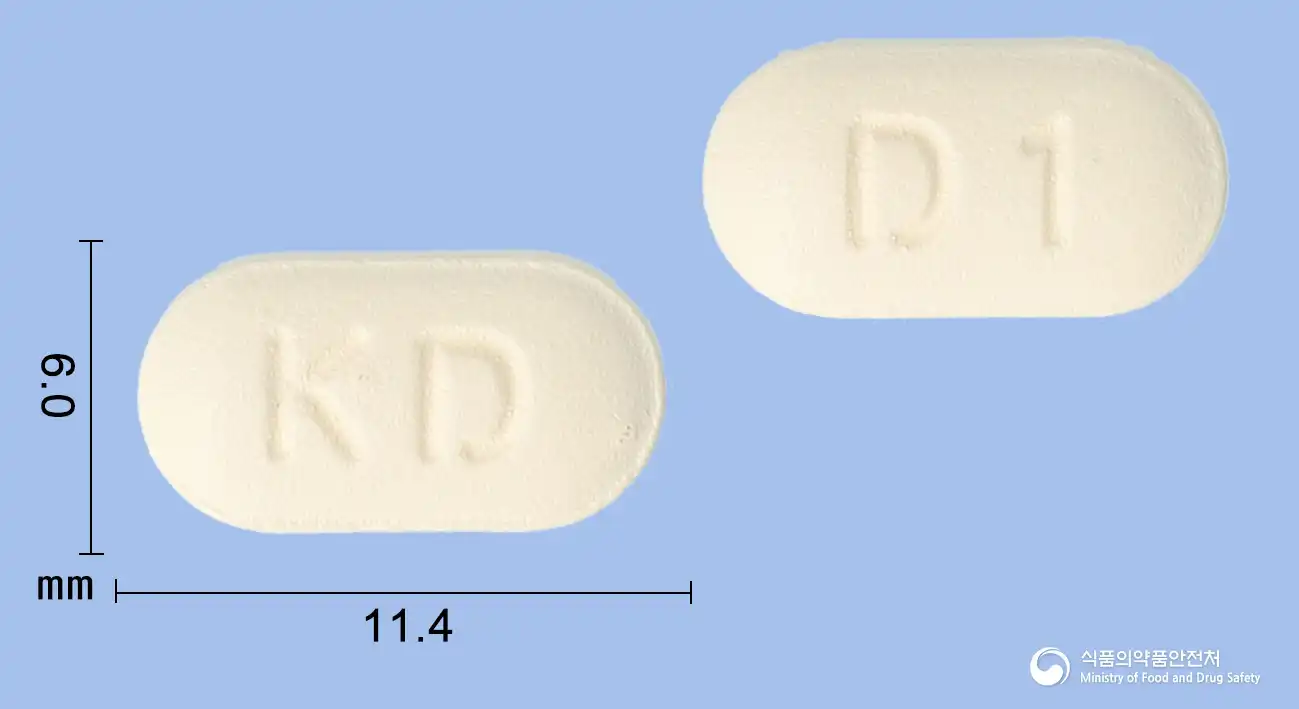 Combination
Amlodipine Besylate 6.935mg · Valsartan 80mg +1 more
Tablet · Prescription medication · Combination
Kyung Dong Pharm Co., Ltd.
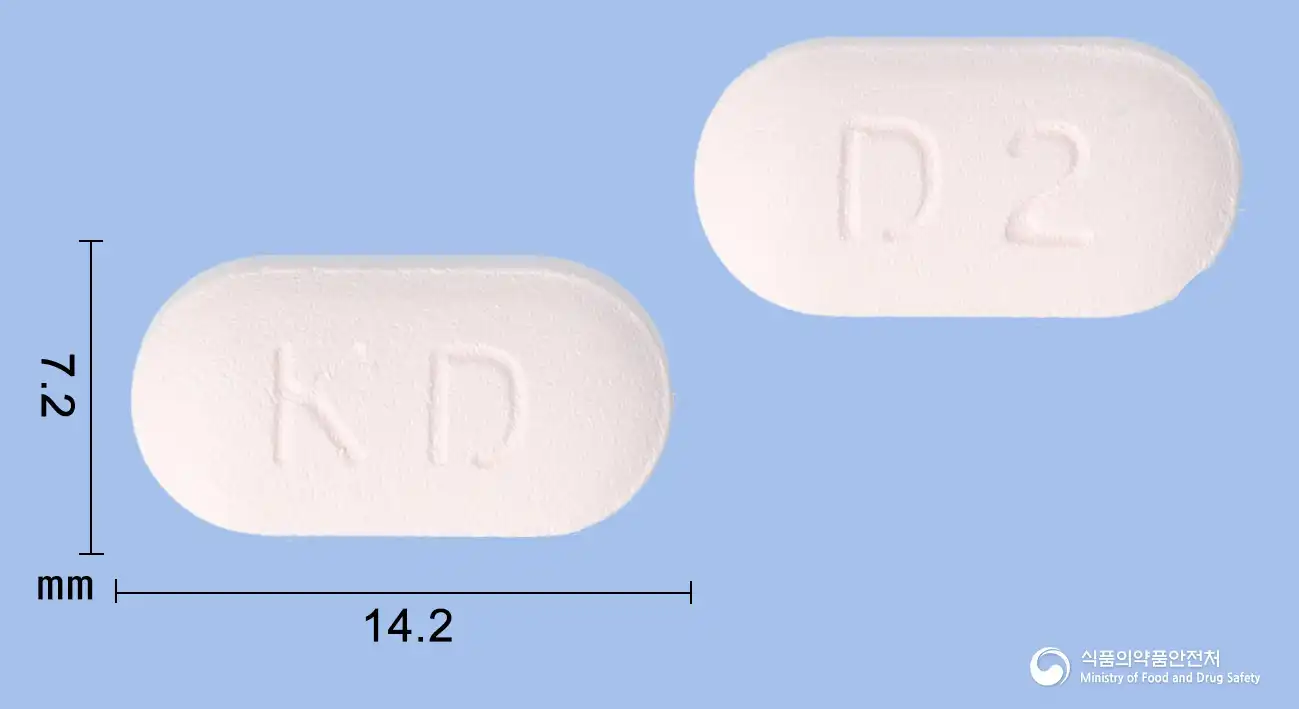 Combination
Amlodipine Besylate 6.935mg · Valsartan 160mg +1 more
Tablet · Prescription medication · Combination
Kyungdong Pharmaceutical Co., Ltd.
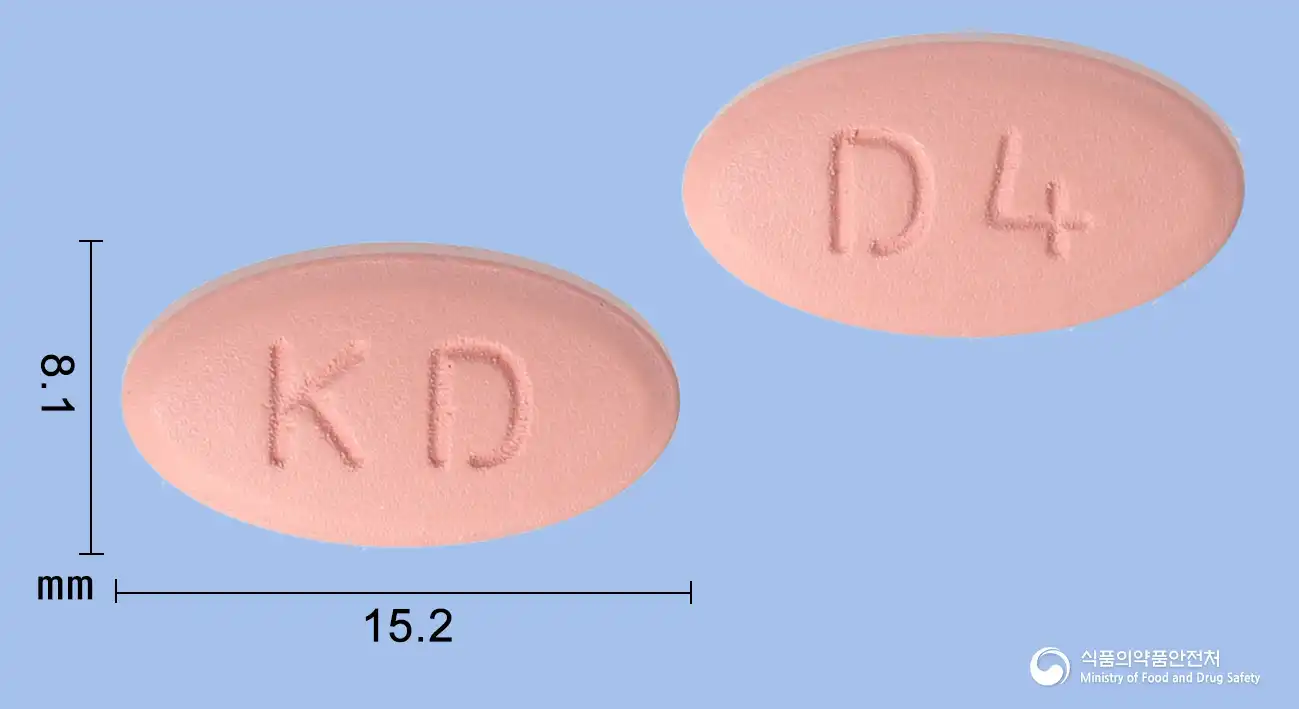 Combination
Amlodipine Besylate 13.87mg · Valsartan 160mg +1 more
Tablet · Prescription medication · Combination
Kyung Dong Pharmaceutical Co., Ltd.
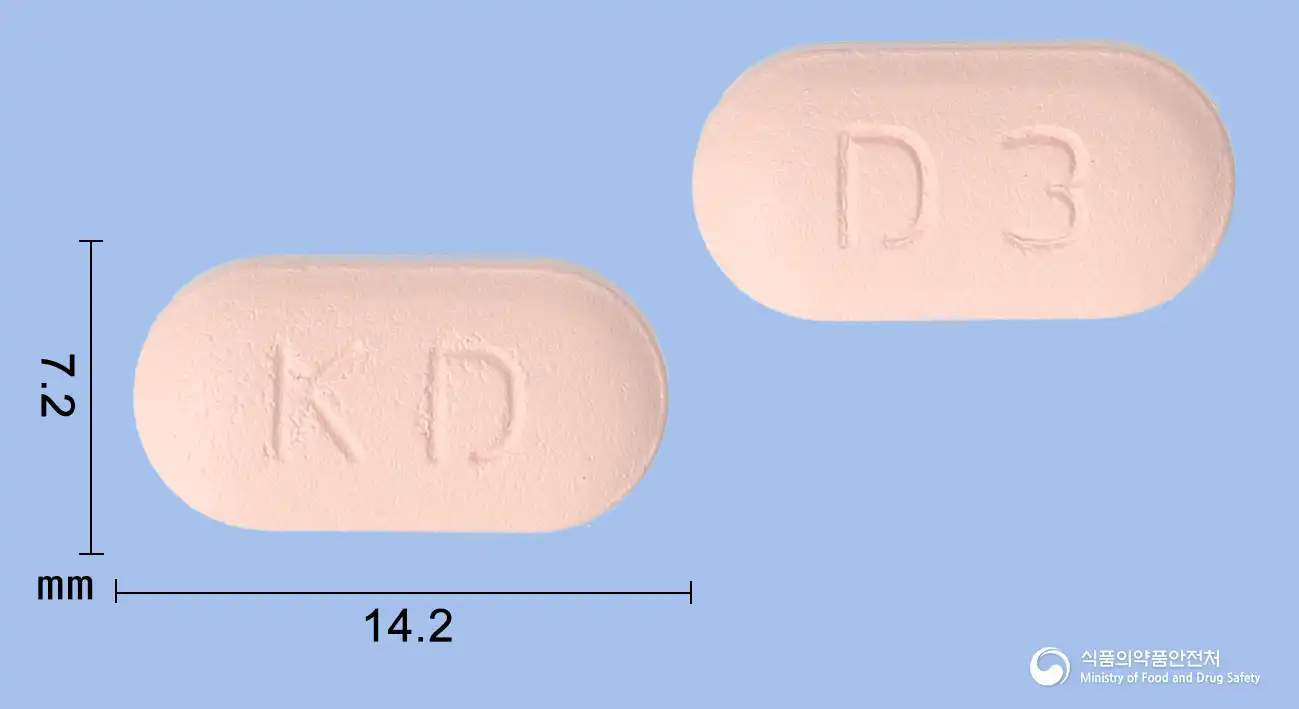 Combination
Amlodipine Besylate 13.87mg · Valsartan 160mg +1 more
Tablet · Prescription medication · Combination
Kyungdong Pharmaceutical Co., Ltd.
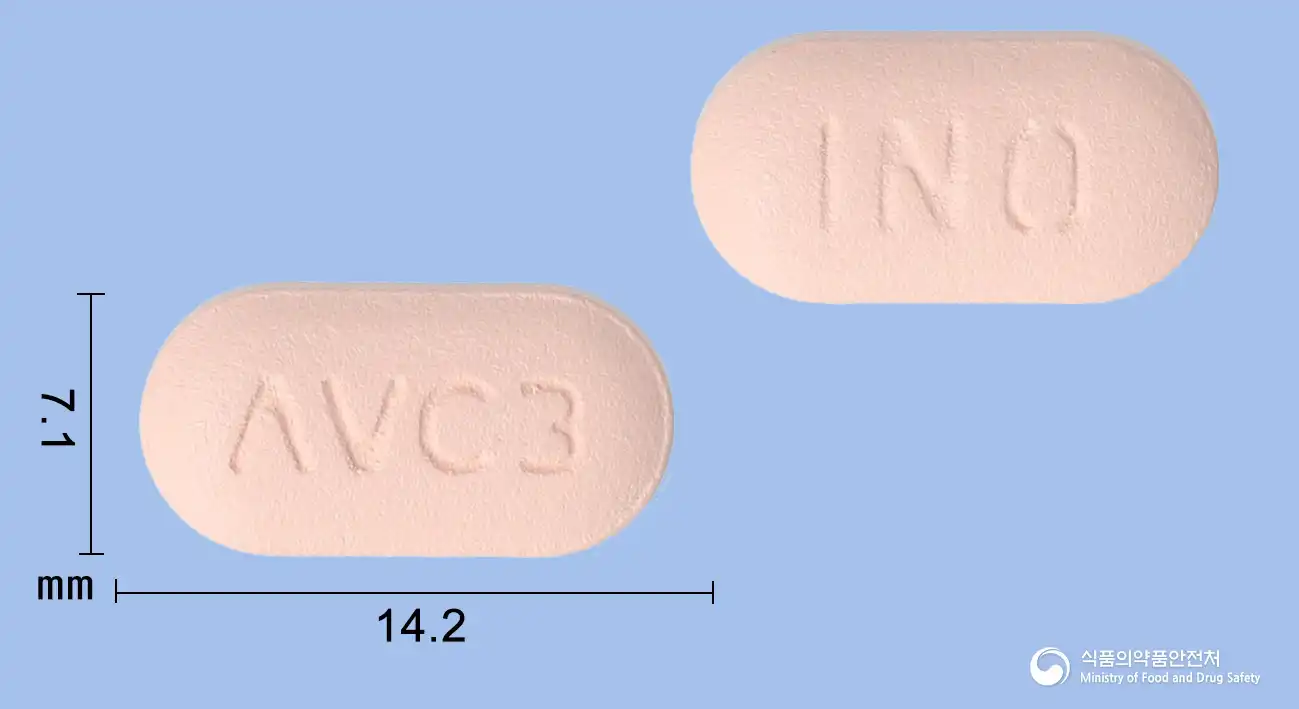 Combination
Amlodipine Besylate 13.87mg · Valsartan 160mg +1 more
Tablet · Prescription medication · Combination
HK inno.N Co., Ltd.
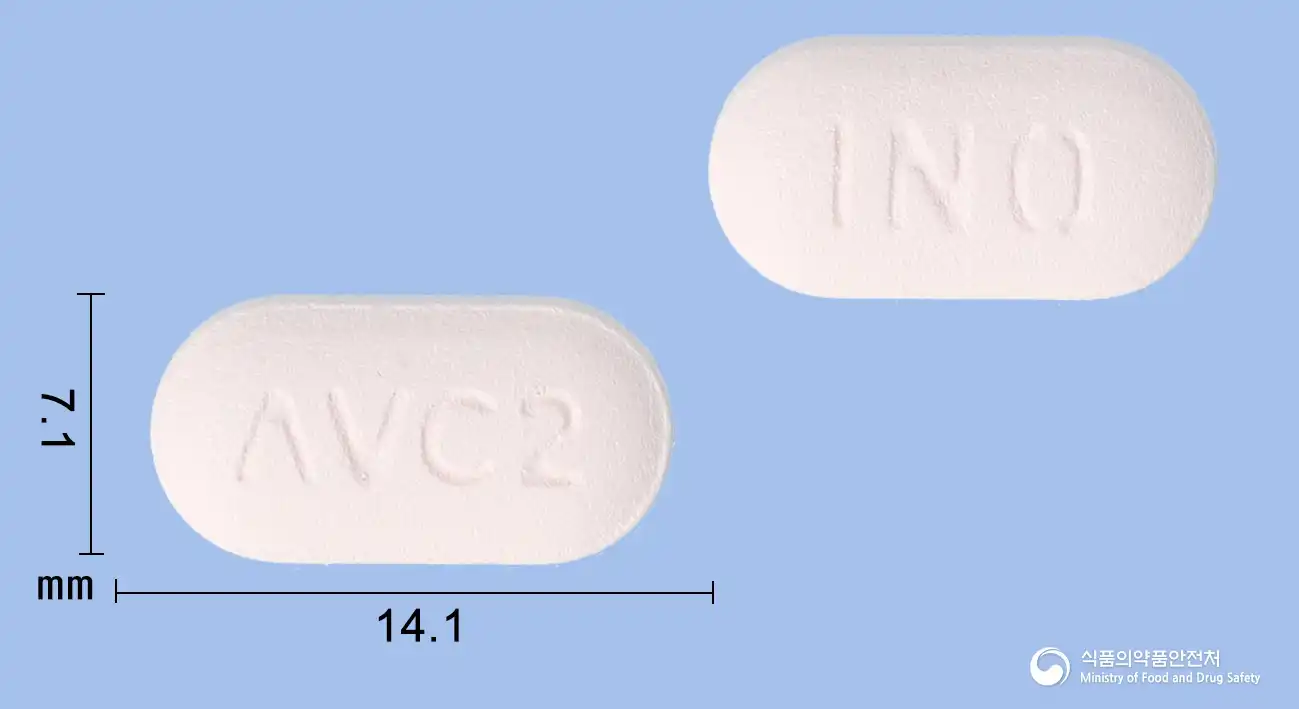 Combination
Amlodipine Besylate 6.935mg · Valsartan 160mg +1 more
Tablet · Prescription medication · Combination
HK inno.N Co., Ltd.
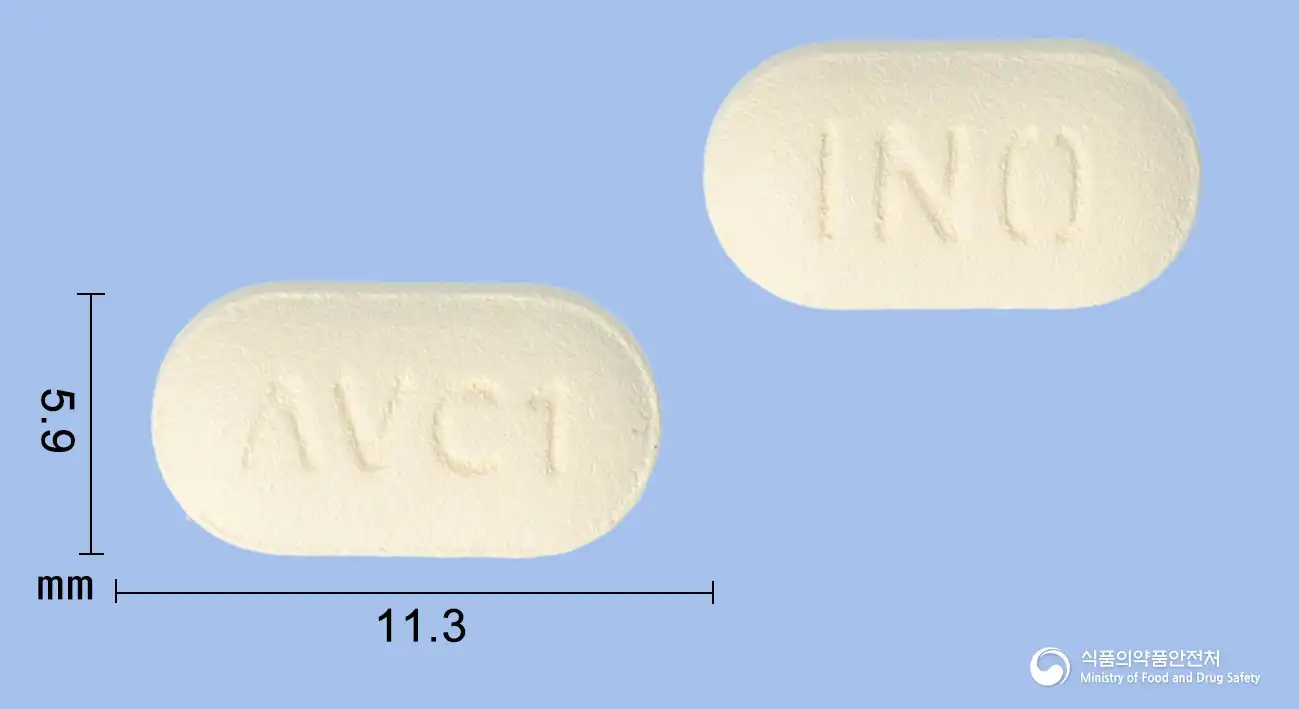 Combination
Amlodipine Besylate 6.935mg · Valsartan 80mg +1 more
Tablet · Prescription medication · Combination
HK inno.N Co., Ltd.
Even with the same ingredient, the dose and directions can differ by strength and dosage form. Talk to a doctor or pharmacist before switching from a medication you are already taking.
No questions yet.
For anything that needs medical judgment, consult a doctor or pharmacist.
This drug information is based on data provided by the Korea Ministry of Food and Drug Safety.
Consult a doctor or pharmacist for accurate dosage, administration, and usage instructions.