
 한국어
한국어 English
 日本語
日本語 中文(简体)
 Viewing now
Zadiglim Tablet 25 Milligrams (Empagliflozin 2L-Proline)
Empagliflozin 2L-Proline 37.8mg
Tablet · Prescription medication
Mothers Pharmaceutical Co., Ltd.
MFDS item code 202502963 · Approved 2025.11.17
Blood sugar control and prevention of cardiovascular events in adults with type 2 diabetes
This medication is used to assist in blood sugar control for adult patients with type 2 diabetes. It has a complementary effect in relation to basic dietary therapy and exercise therapy and can be administered either alone or in combination with other medications. Special attention is paid to patients with cardiovascular disease among those whose blood sugar is not adequately controlled. Before taking, one should refer to clinical trial information provided by professionals to confirm safety and efficacy. This medication helps improve blood sugar control and aids in the treatment of type 2 diabetes.
The recommended dosage for this medication is 10 mg once daily for monotherapy and additional combination therapy with insulin or other hypoglycemic agents. If the patient shows excellent tolerance to 10 mg of this medication but requires additional blood sugar control, the dosage may be increased to 25 mg once daily. This medication can be taken irrespective of meals. The tablet should be swallowed whole. If a dose is missed,
This medication should not be used in patients with hypersensitivity to the active ingredient or any of its components, in patients with type 1 diabetes, and in certain genetically predisposed lactose-intolerant patients. Patients with impaired kidney function must regularly assess their renal function before administering this drug, and it is not recommended for patients with end-stage renal disease or those undergoing dialysis. There is a risk of hypoglycemia when used in conjunction with insulin or insulin secretagogues, so dosage adjustment may be necessary when used with these medications. During treatment, adverse reactions such as hypoglycemia, genital infections, increased urination, urinary tract infections, and decreased fluid volume may occur, so caution is advised. Particularly, serious metabolic abnormalities such as ketoacidosis may occur; thus, if nausea, vomiting, abdominal pain, or difficulty breathing symptoms arise, consult a doctor immediately. Elderly patients and those at risk of fluid volume loss should be cautious of dehydration and low blood pressure, and may need to temporarily suspend this medication if necessary. This medication can cause serious urinary infections such as urosepsis and pyelonephritis, so prompt treatment is required in the presence of infection symptoms. It is advised that pregnant or breastfeeding women do not use this medication, and administration should be discontinued if pregnancy is confirmed. Safety and efficacy in children under 18 years have not been established. During treatment, caution is necessary when driving or operating machinery due to the risk of hypoglycemia, especially when taken with insulin or sulfonylureas. Additionally, this medication may affect hydration status in the body, making it important to regularly check blood pressure and fluid status. In case of overdose, seek prompt medical attention for appropriate treatment, and keep out of reach of children.
Not everyone experiences these, and they can vary from person to person.
This medication may be sensitive to air and moisture, so it should be stored in a tightly sealed container. The recommended storage temperature is room temperature between 1 degree and 30 degrees. Proper storage helps maintain the effectiveness of the medication.
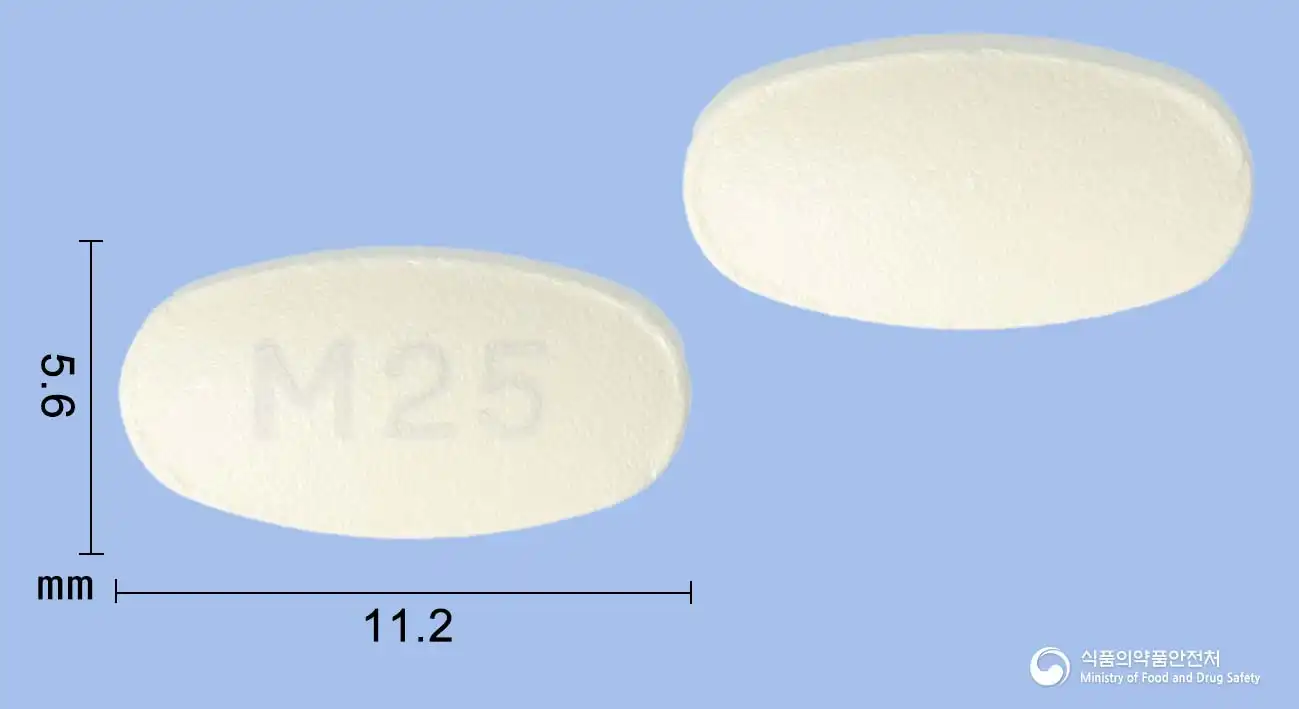
Light yellow, double-sided, convex oval film-coated tablet
30 tablets/bottle
Even with the same ingredient, strength, dosage form and how it is taken can differ.
Viewing nowEmpagliflozin 2L-Proline 37.8mg
Tablet · Prescription medication
Mothers Pharmaceutical Co., Ltd.
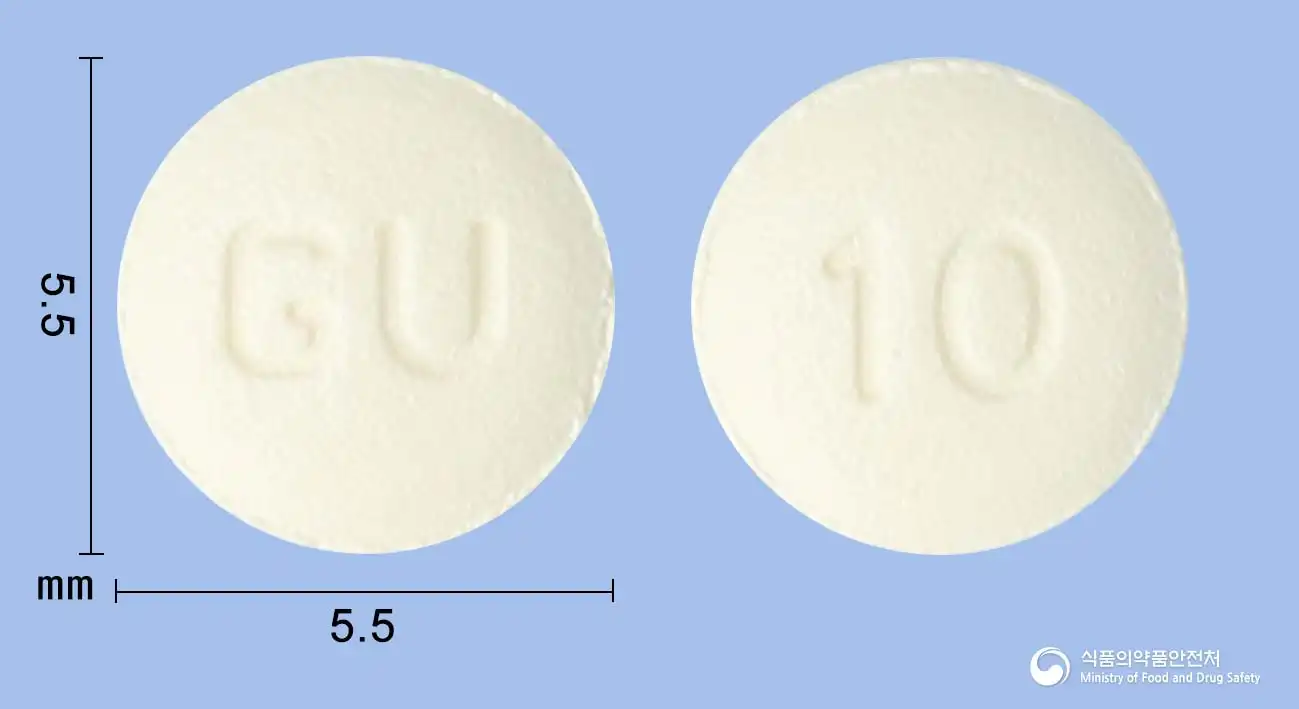
Empagliflozin 2L-Proline 15.107mg
Tablet · Prescription medication
Genewon Science Co., Ltd.
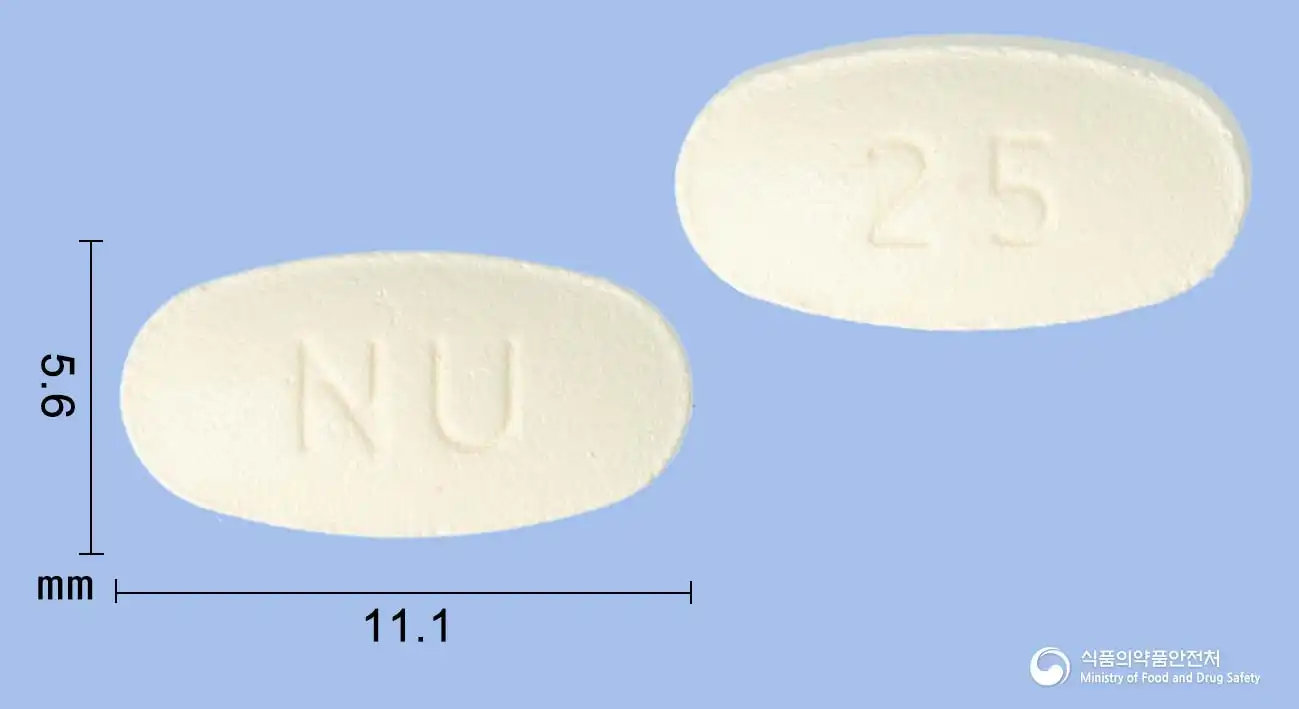
Empagliflozin 2L-Proline 37.766mg
Tablet · Prescription medication
Genewon Science Co., Ltd.
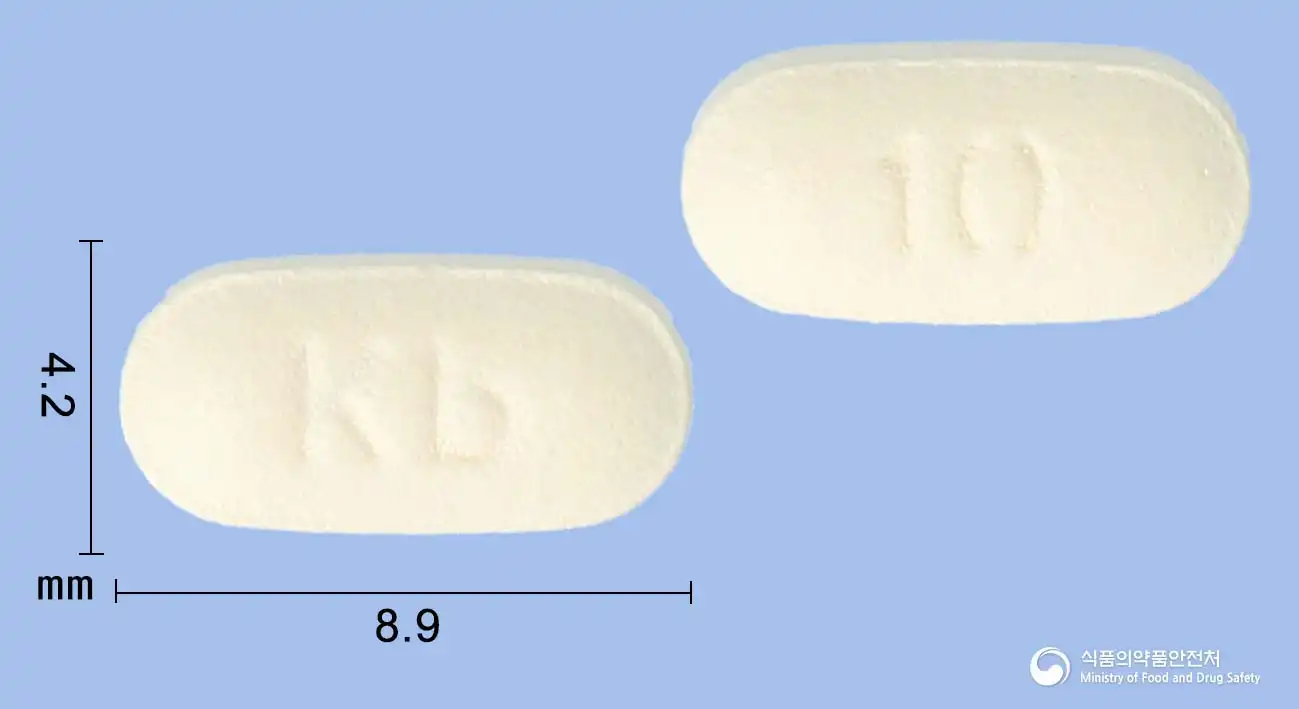
Empagliflozin 2L-Proline 15.11mg
Tablet · Prescription medication
Kyungbo Pharmaceutical Co., Ltd.
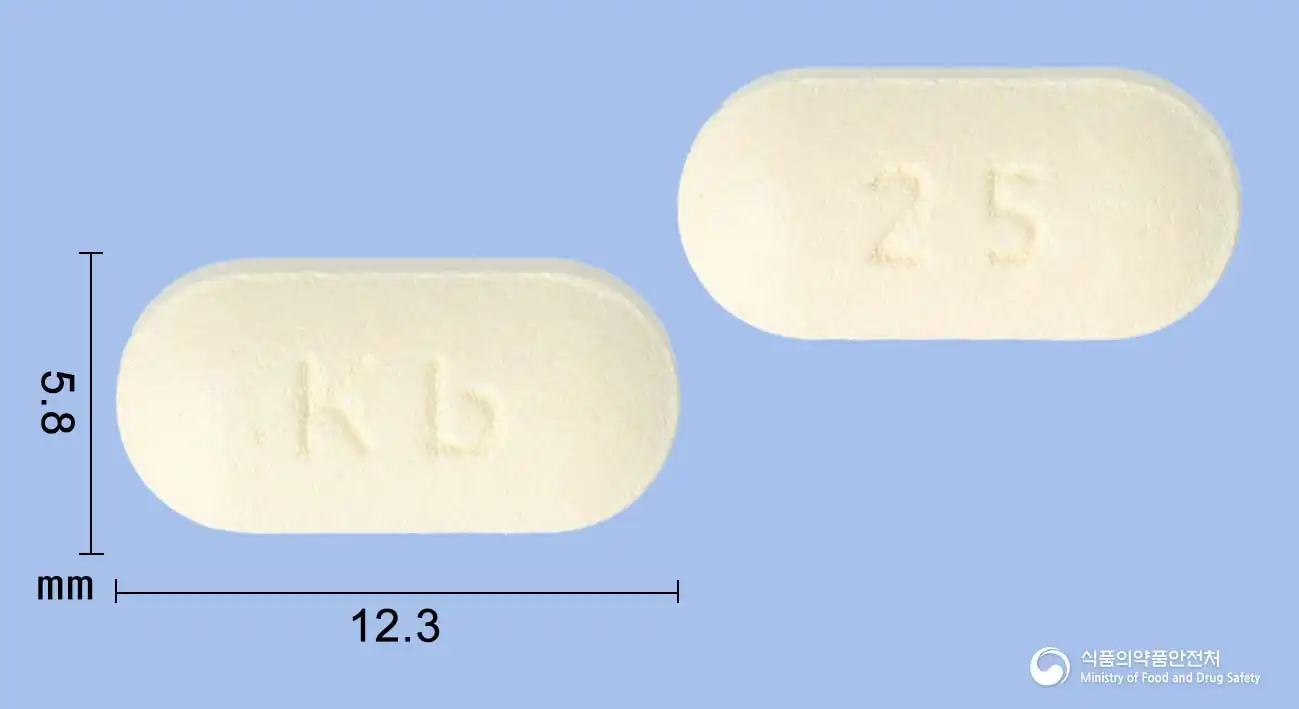
Empagliflozin 2L-Proline 37.77mg
Tablet · Prescription medication
Kyungbo Pharmaceutical Co., Ltd.
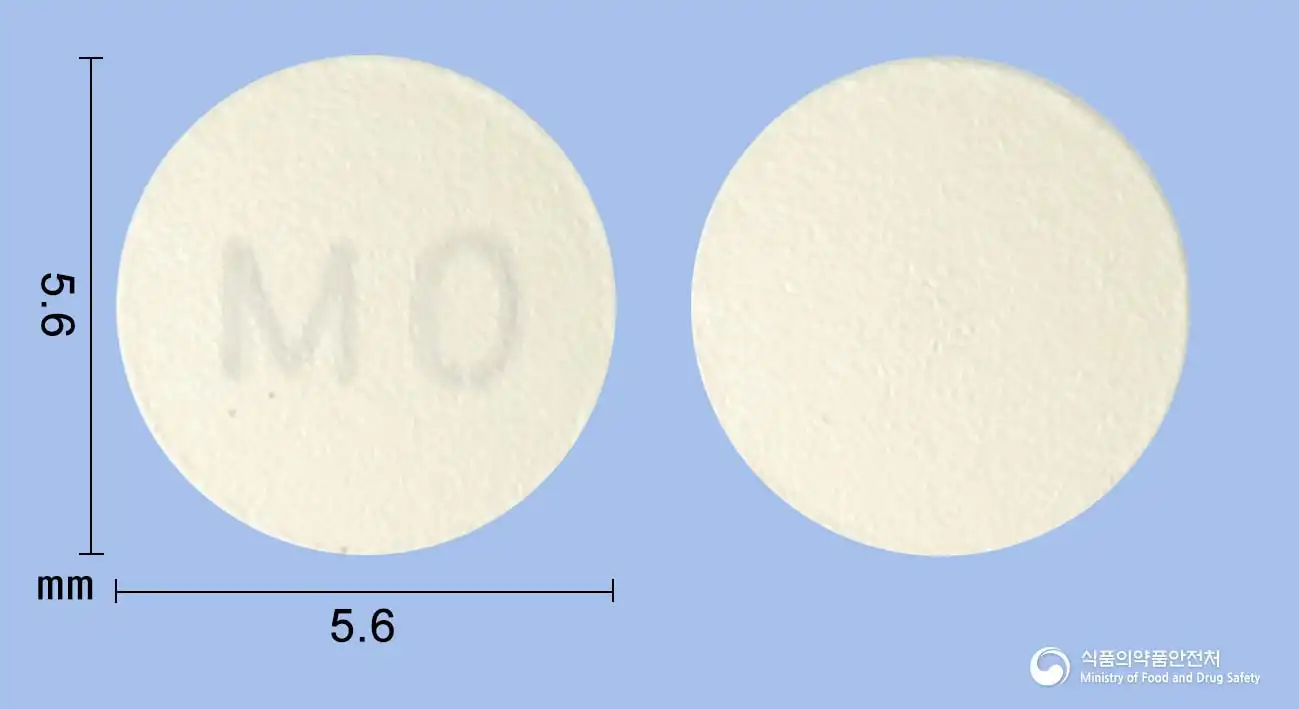
Empagliflozin 2L-Proline 15.12mg
Tablet · Prescription medication
Mothers Pharmaceutical Co., Ltd.
Even with the same ingredient, the dose and directions can differ by strength and dosage form. Talk to a doctor or pharmacist before switching from a medication you are already taking.
No questions yet.
For anything that needs medical judgment, consult a doctor or pharmacist.
This drug information is based on data provided by the Korea Ministry of Food and Drug Safety.
Consult a doctor or pharmacist for accurate dosage, administration, and usage instructions.