
 한국어
한국어 English
 日本語
日本語 中文(简体)
 Viewing now
Zadigleem Tablet 10mg (Empagliflozin 2L-Proline)
Empagliflozin 2L-Proline 15.12mg
Tablet · Prescription medication
Mothers Pharmaceutical Co., Ltd.
MFDS item code 202502961 · Approved 2025.11.17
Effect of blood sugar control in adults with type 2 diabetes and prevention of cardiovascular events
This medication is used as an adjunct to meal and exercise therapies for adults with type 2 diabetes. It can be used for both monotherapy and combination therapy with other medications. Additionally, it can be used for adults with cardiovascular disease among those whose blood sugar is not well controlled, so consulting with healthcare professionals can ensure safe usage. This medication may affect the risk of cardiovascular disease in conjunction with blood sugar control, so it is important to take it under the guidance of professional healthcare providers. Overall, it helps improve patients' blood sugar control and supports a healthy lifestyle.
The recommended dosage for this medication is 10 mg taken once daily for monotherapy and additional combination therapy with other glucose-lowering agents such as insulin. If good tolerability is demonstrated, dosage can be increased to 25 mg once daily for additional blood sugar control. This medication can be taken regardless of meals and should be swallowed whole. If a dose is missed, it should be taken as soon as remembered, but do not double the dose in one day.
This medication should not be used by individuals allergic to the main ingredient or components. It should not be administered to patients with type 1 diabetes or diabetic ketoacidosis. Patients with lactose intolerance or specific genetic conditions should not take this medication. Patients with impaired kidney function must have their kidney function regularly monitored while using this medication, and it is not recommended for those with severe renal impairment. Patients with heart failure should also carefully consider the use of this medication based on kidney function. When used concurrently with blood sugar-lowering agents like insulin or sulfonylureas, dosage adjustment may be necessary due to the risk of hypoglycemia. This medication may cause side effects such as hypoglycemia, genital and urinary infections, increased urination, and fluid loss. Particularly in the elderly or those prone to decreased fluid volume, caution should be taken to avoid dehydration and hypotension. Diabetic ketoacidosis may occur, so if symptoms such as vomiting, abdominal pain, or difficulty breathing develop, healthcare professionals should be notified immediately. There is also a risk of liver damage, so caution is necessary if symptoms of liver dysfunction occur. This medication may have a mild impact on driving or operating machinery, so caution should be observed if there is a risk of hypoglycemia. Serious side effects, such as limb amputation or perineal necrosis, have been reported, so immediate treatment is required if related symptoms occur. Women who are pregnant or breastfeeding should avoid taking this medication, and discontinuation should occur if pregnancy is confirmed. The safety and efficacy of this medication for children under 18 years of age have not been established. Although no specific toxicity has been reported in cases of overdose, appropriate management is required depending on the clinical situation. This medication should be kept out of reach of children and should not be transferred to other containers.
Hives, angioedema, ketoacidosis, urinary sepsis, pyelonephritis, perineal necrosis, severe allergic reactions, liver dysfunction (jaundice), acute kidney injury, severe edema or urination issues, acute cholecystitis, autoimmune hepatitis, cholelithiasis, headache (severe headache, thunderclap headache), cerebral infarction, intracranial aneurysm, vascular stent stenosis, vascular stent thrombosis, deep vein thrombosis, Prinzmetal angina, coronary artery disease.
Hypoglycemia, constipation, itching, rash, increased urination, urination difficulty, thirst, upper gastrointestinal disturbances (diarrhea, nausea, gastritis, etc.), decreased fluid volume, increased blood creatinine, increased serum lipids, dizziness, headache, fatigue, facial swelling, facial edema, weight gain and loss, musculoskeletal pain, back pain, myalgia, arthralgia, drowsiness, blurred vision, cough, nasal bleeding, anxiety, insomnia, abnormal urination, genital itching.
Not everyone experiences these, and they can vary from person to person.
This medication should be stored in a tightly sealed container to prevent exposure to air or moisture. Additionally, it is recommended to store the medication at room temperature between 1 and 30 degrees Celsius, avoiding extremely hot or cold places.
Light yellow, double-sided, convex round film-coated tablet with edges
30 tablets/bottle
Even with the same ingredient, strength, dosage form and how it is taken can differ.
Viewing nowEmpagliflozin 2L-Proline 15.12mg
Tablet · Prescription medication
Mothers Pharmaceutical Co., Ltd.
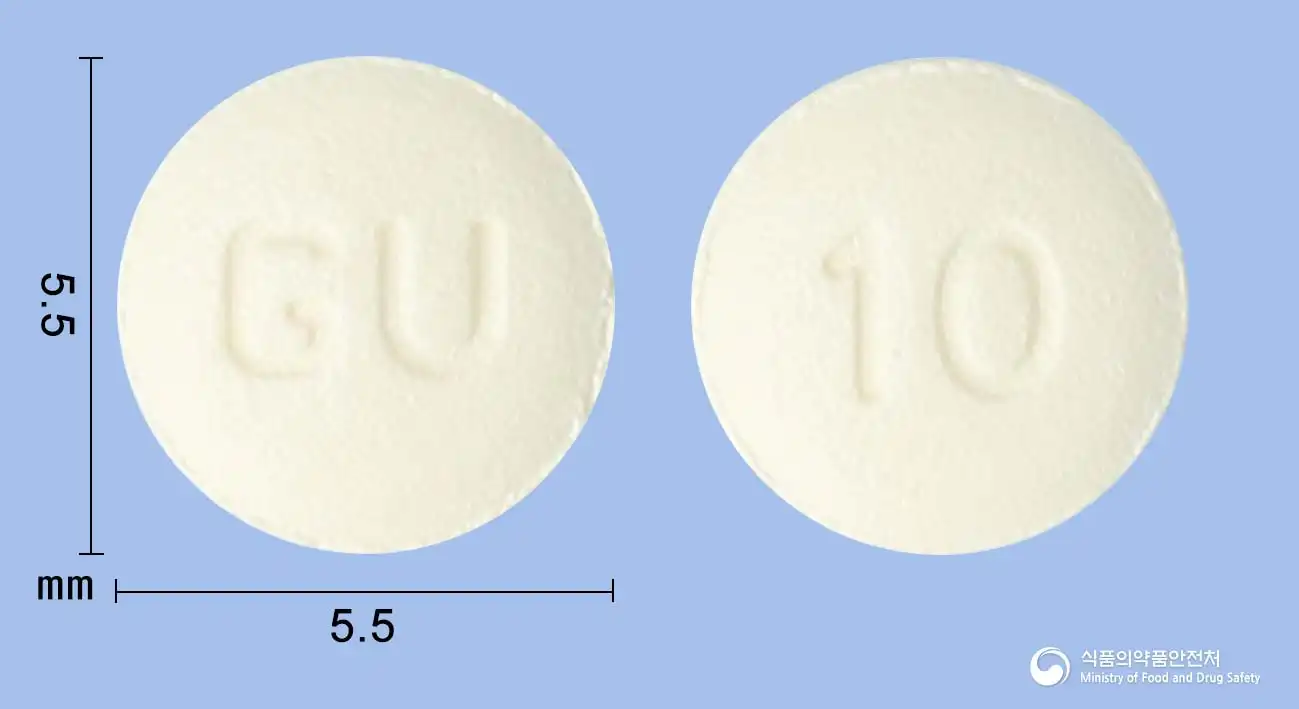
Empagliflozin 2L-Proline 15.107mg
Tablet · Prescription medication
Genewon Science Co., Ltd.
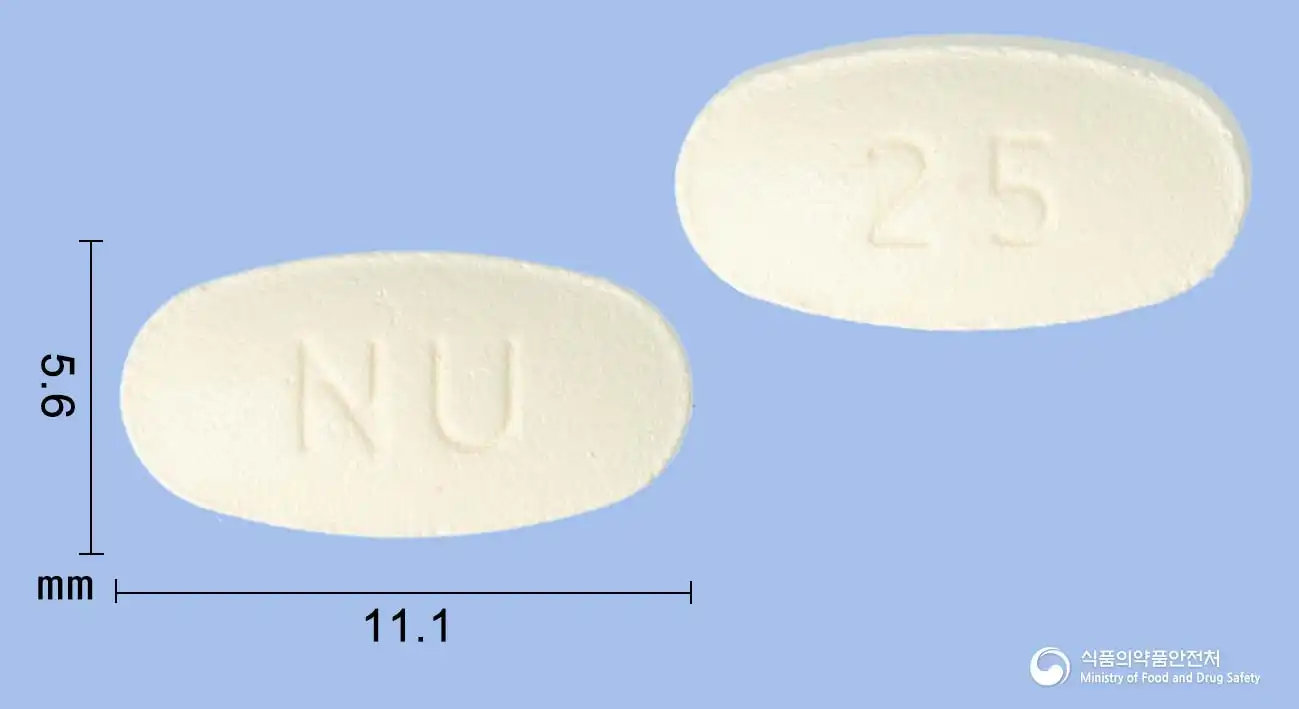
Empagliflozin 2L-Proline 37.766mg
Tablet · Prescription medication
Genewon Science Co., Ltd.
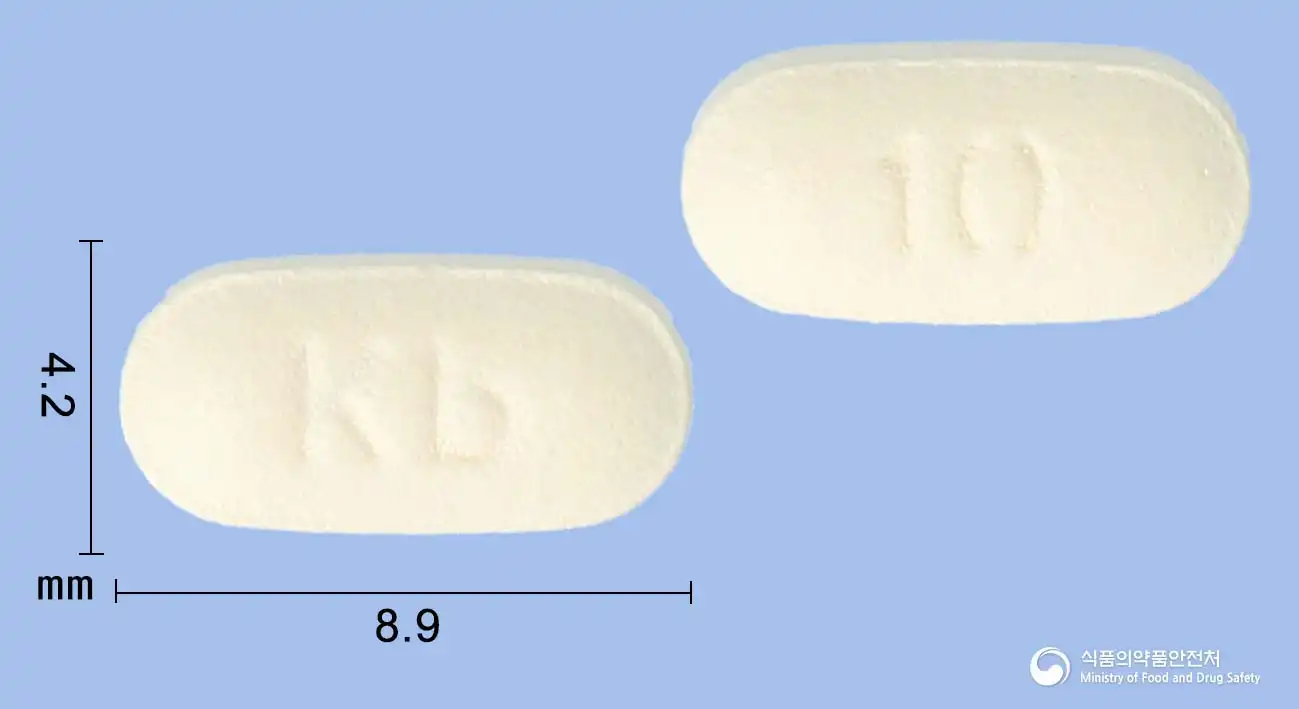
Empagliflozin 2L-Proline 15.11mg
Tablet · Prescription medication
Kyungbo Pharmaceutical Co., Ltd.
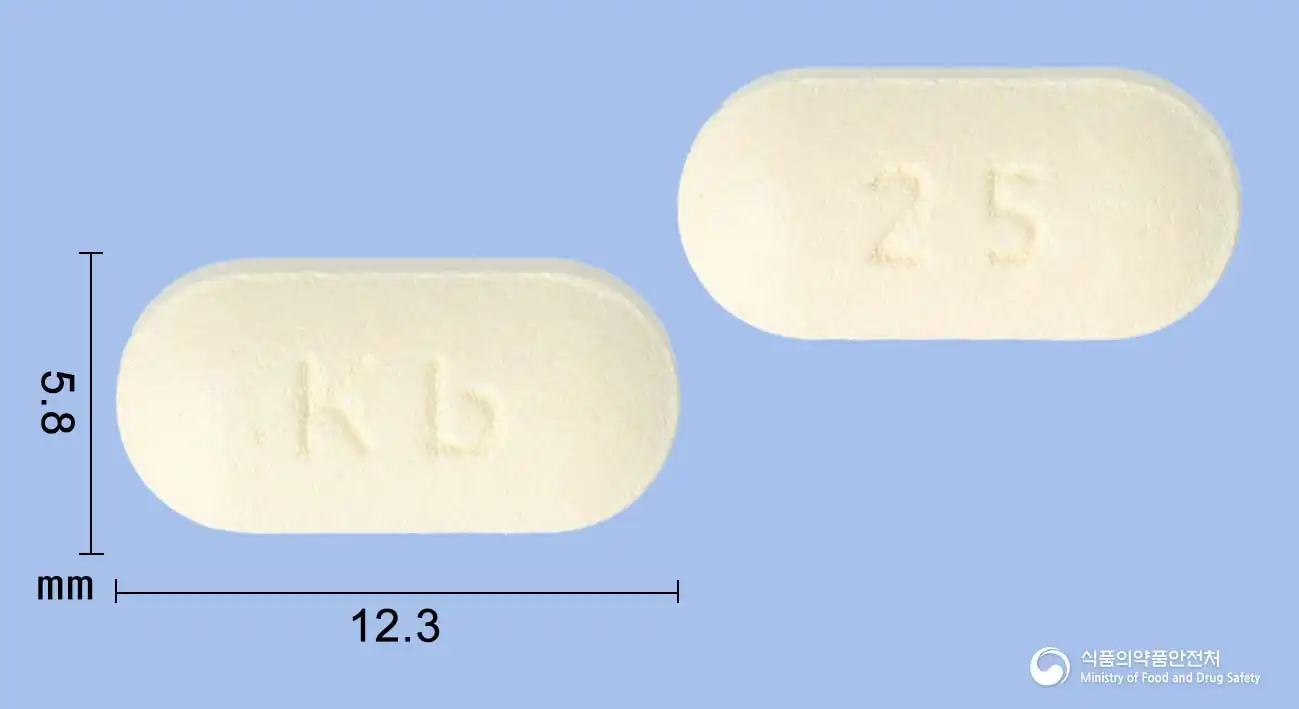
Empagliflozin 2L-Proline 37.77mg
Tablet · Prescription medication
Kyungbo Pharmaceutical Co., Ltd.
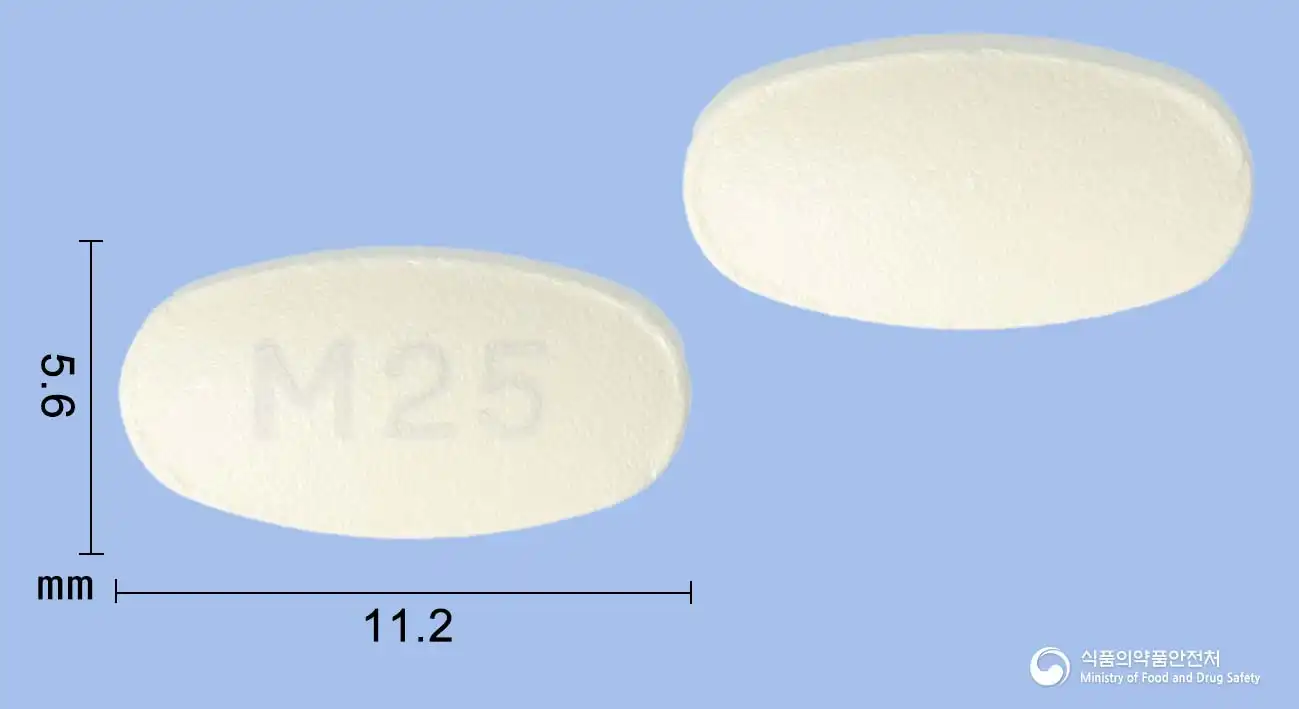
Empagliflozin 2L-Proline 37.8mg
Tablet · Prescription medication
Mothers Pharmaceutical Co., Ltd.
Even with the same ingredient, the dose and directions can differ by strength and dosage form. Talk to a doctor or pharmacist before switching from a medication you are already taking.
No questions yet.
For anything that needs medical judgment, consult a doctor or pharmacist.
This drug information is based on data provided by the Korea Ministry of Food and Drug Safety.
Consult a doctor or pharmacist for accurate dosage, administration, and usage instructions.