
 한국어
한국어 English
 日本語
日本語 中文(简体)
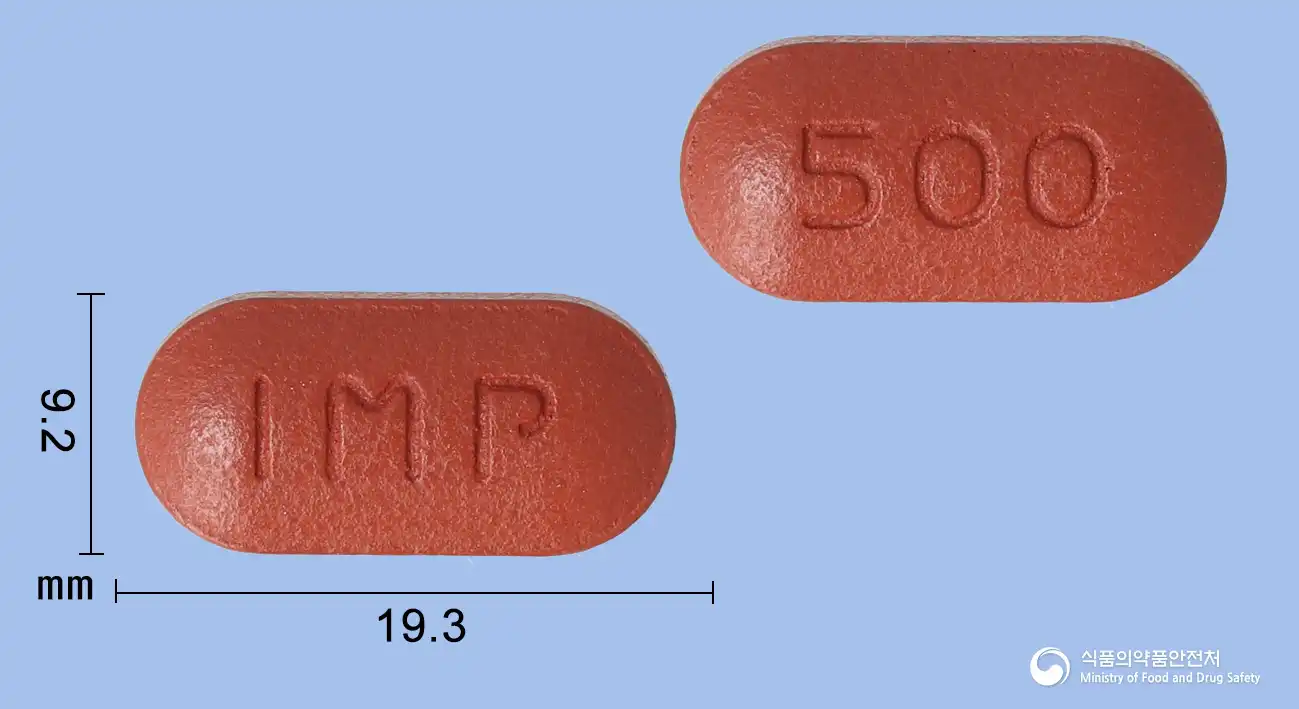 Viewing nowCombination
Magtenion Tablets
Magnesium Oxide 500mg · Mecobalamin 1000μg +5 more
Tablet · OTC medication · Combination
Korea Nelson Pharmaceutical Co., Ltd.
MFDS item code 202502951 · Notified 2025.11.14
Pain relief for neuralgia and myalgia, and improvement of physical fatigue
Vitamins B1, B6, and E are recommended for physical fatigue, during pregnancy and lactation, for reduced vitality during or after illness, and in the elderly. This medication helps relieve neuralgia, myalgia, arthralgia (especially lower back pain and shoulder stiffness), beriberi, and eye fatigue. It is also used for muscle cramps caused by magnesium deficiency. These ingredients are effective in enhancing health and vitality in our bodies and improving various pain symptoms. Therefore, this medication is used for alleviating various symptoms and enhancing vitality.
Adults should take 1 tablet once daily.
This medication should not be taken by individuals allergic to this medication or any of its components. It is also advisable for infants under 12 months or patients with severe kidney function impairment to refrain from taking this medication. Individuals allergic to soybean oil or peanuts should avoid this medication. During the use of this medication, it is essential to avoid taking phosphate, calcium salts, oral tetracycline antibiotics, antacids, and drugs like levodopa concurrently. Individuals receiving medical treatment, pregnant or lactating women, and those with gastrointestinal diseases or heart and kidney conditions should consult a specialist before taking this medication. Patients with hypoproteinemia or lipid metabolism disorders should also consult their doctor before use. If symptoms like gastrointestinal discomfort, diarrhea, rash, vomiting, abnormal heartbeats, dermatitis, hair loss, unpleasant breath, or agitation occur during use, stop taking the medication immediately and consult a specialist. Caution is also necessary if menstrual changes or prolonged bleeding occur. Especially, women taking estrogen-containing contraceptives or at risk of thrombosis should be cautious as vitamin E can increase the risk of thrombosis. High-dose long-term use of pyridoxine may lead to nerve damage symptoms, so caution is warranted. Patients with folic acid deficiency receiving high doses of vitamin B12 may experience hematological abnormalities. Excessive doses can cause nausea, vomiting, swelling, heart problems, etc., so it is vital to adhere to established dosages and administration. There is a risk of hyperkalemia when taken with anti-aldosterone agents or triamterene, so caution is required. If symptoms do not improve after one month of use, consulting a specialist is advisable. When taking this medication, it is best to avoid teas containing tannins, such as green tea or black tea. Patients at risk of lipid overload should monitor plasma lipid levels and adjust the dosage of this medication accordingly. If using with other injectable lipid medications, dosage adjustments should be made considering the lipid volume. This medication should be stored out of reach of children, protected from direct sunlight, and kept in a cool, dry place in a sealed container. It is also essential not to transfer it to another container to prevent misuse and maintain quality.
Cardiac arrest (heart rhythm failure)
Gastrointestinal discomfort, diarrhea, constipation, rash, redness (hyperemia), nausea, vomiting, loose stools, red spots, dermatitis, odor during sweating and breathing, hair loss, agitation, changes in menstruation and prolonged bleeding, sensory neuropathy or neurological symptoms, hematological adverse reactions, gastrointestinal symptoms, hypernatremia, congestive heart failure, edema, hyperkalemia
Not everyone experiences these, and they can vary from person to person.
This medication should be stored in a sealed container to prevent air and moisture from entering and kept at room temperature between 1 and 30 degrees Celsius for optimal safety. By storing it this way, the effectiveness of the medication can be maintained for a longer period.
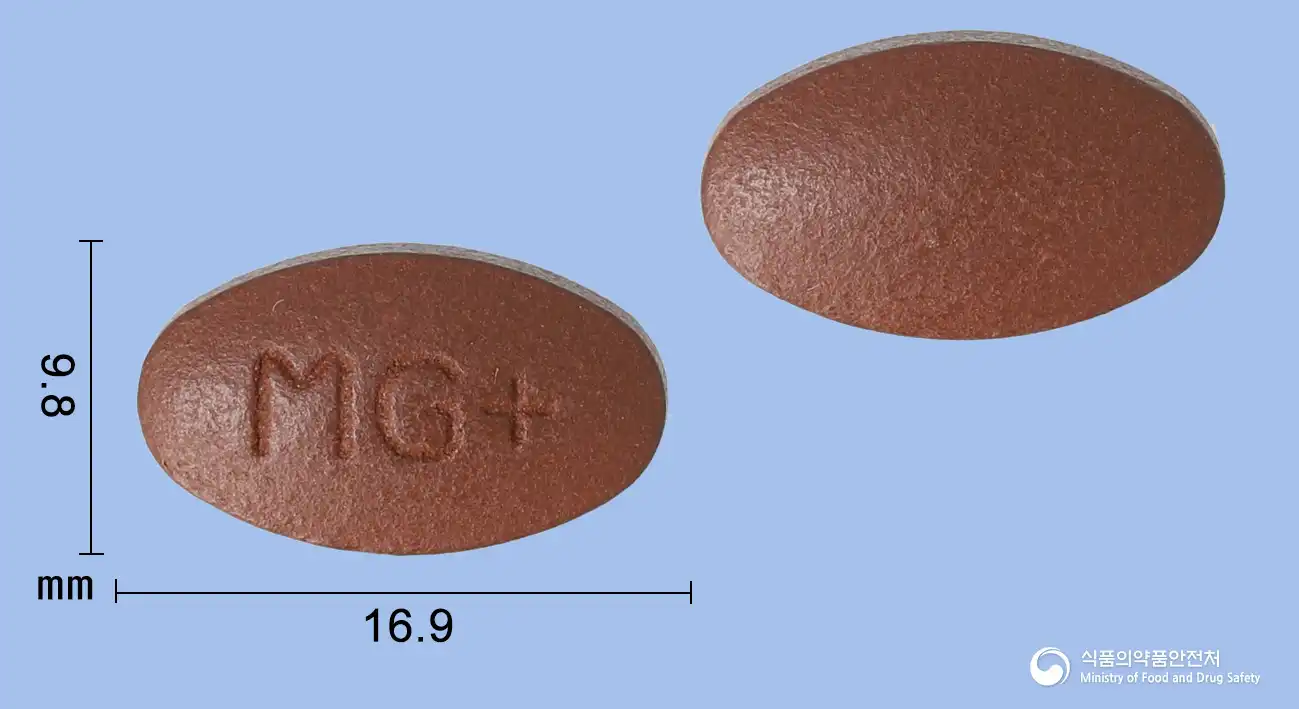
Brown rectangular film-coated tablets
Bottle) 60 tablets/bottle, 120 tablets/box (60 tablets/bottle * 2)
Even with the same ingredient, strength, dosage form and how it is taken can differ.
Viewing nowCombinationMagnesium Oxide 500mg · Mecobalamin 1000μg +5 more
Tablet · OTC medication · Combination
Korea Nelson Pharmaceutical Co., Ltd.
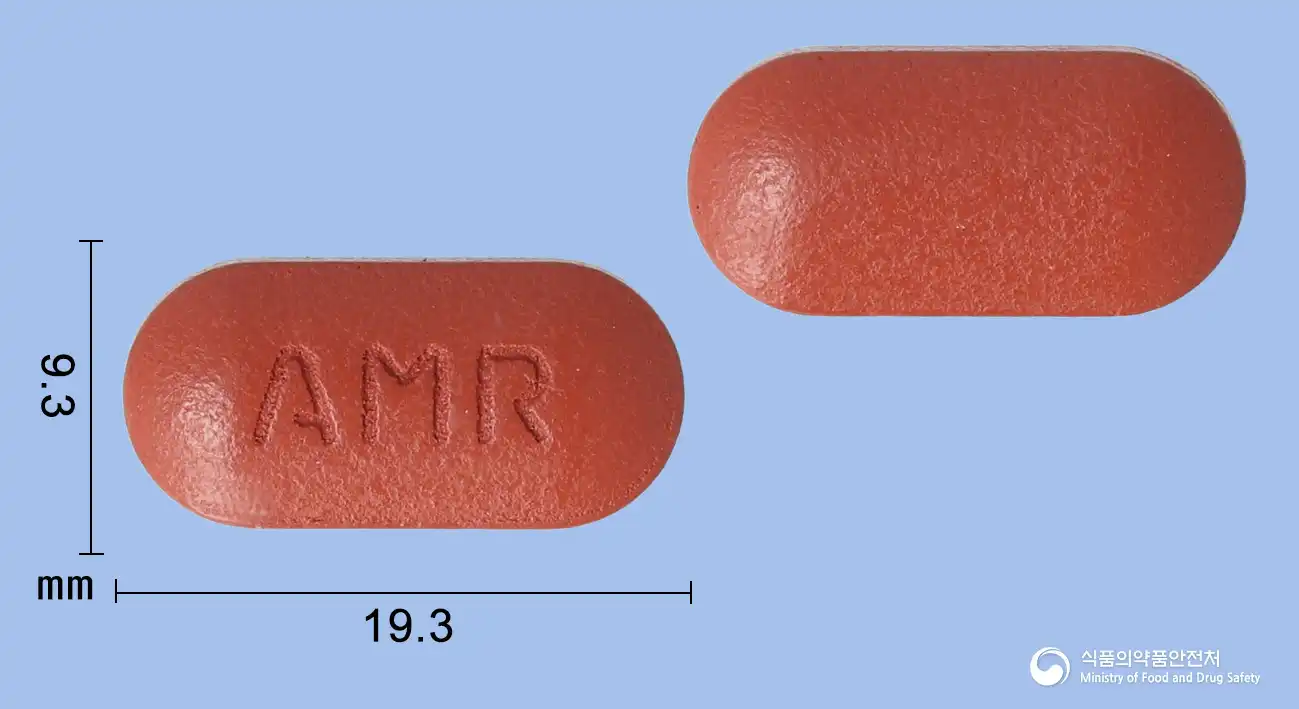 Combination
Magnesium Oxide 500mg · Mecobalamin 1000μg +5 more
Tablet · OTC medication · Combination
Medix Pharmaceutical Co., Ltd.
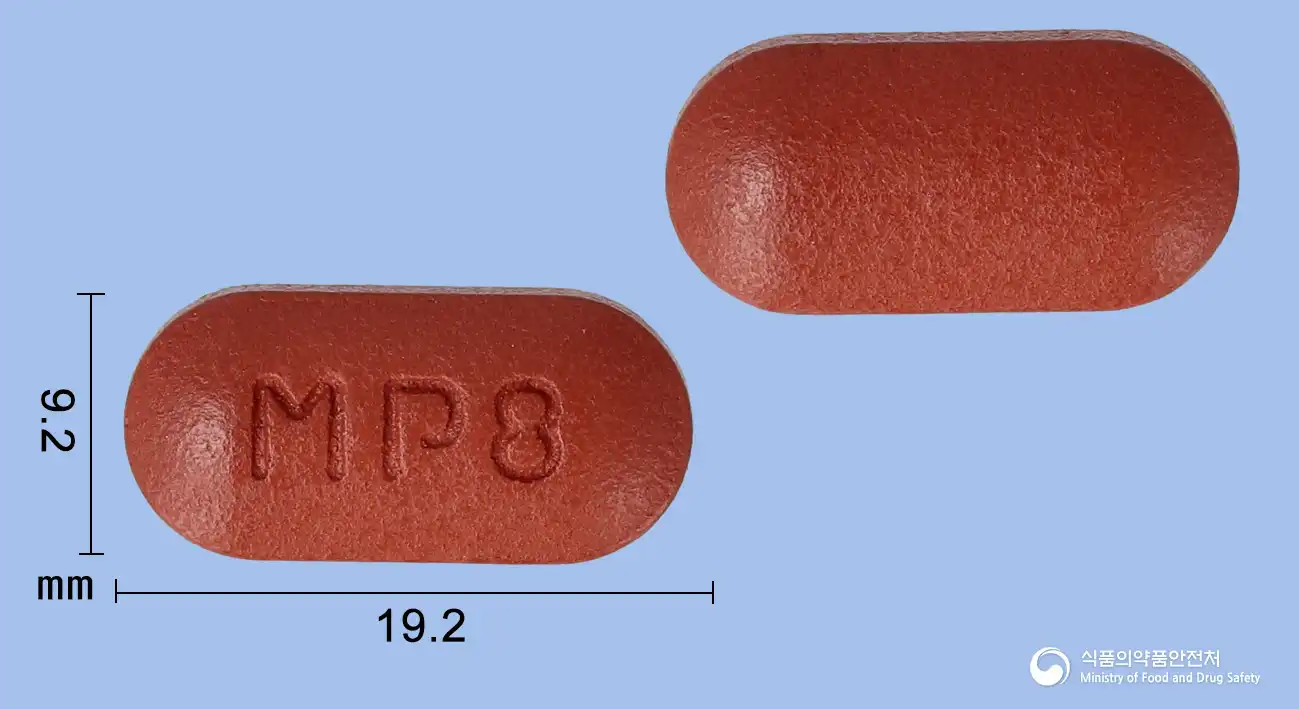 Combination
Magnesium Oxide 500mg · Mecobalamin 1000μg +5 more
Tablet · OTC medication · Combination
Il Yang Pharmaceutical Co., Ltd.
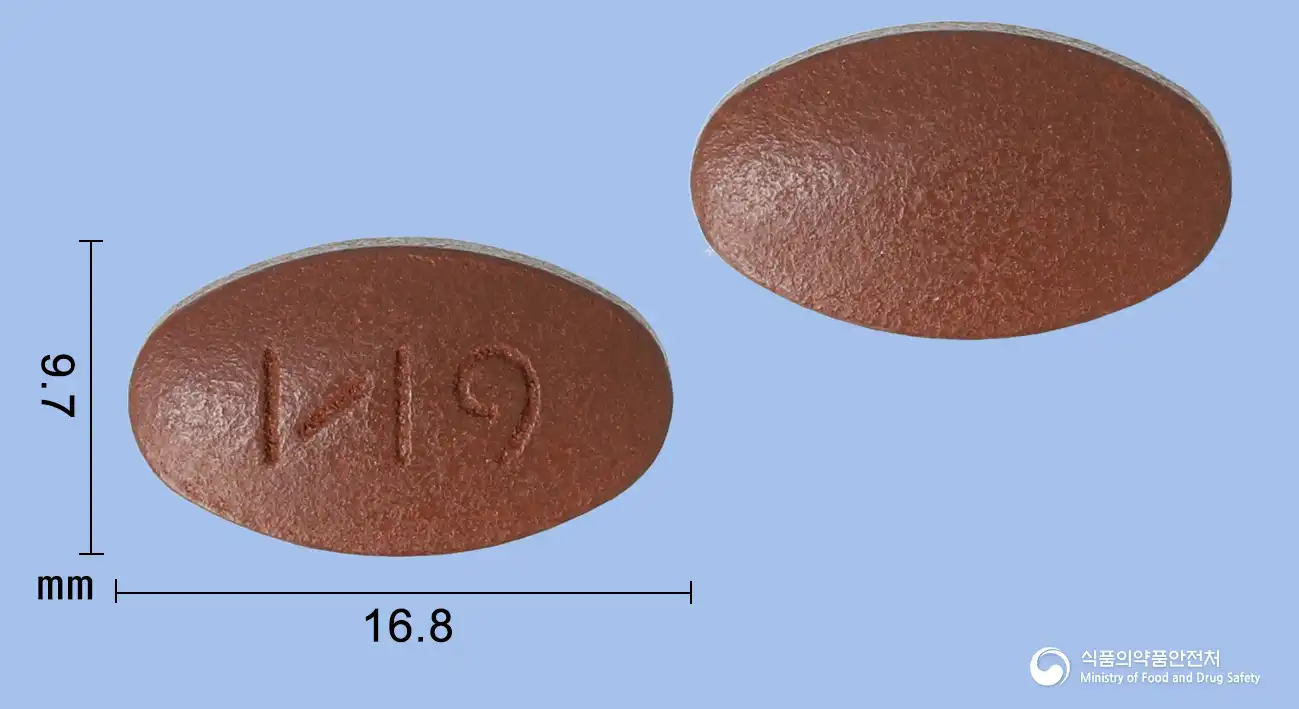 Combination
Magnesium Oxide 500mg · Tocopherol Acetate Powder 50% 100mg +5 more
Tablet · OTC medication · Combination
Nova M Healthcare Co., Ltd.
 Combination
Magnesium Oxide 500mg · Tocopherol Acetate Powder 50% 100mg +5 more
Tablet · OTC medication · Combination
SK Chemical Co., Ltd.
Even with the same ingredient, the dose and directions can differ by strength and dosage form. Talk to a doctor or pharmacist before switching from a medication you are already taking.
No questions yet.
For anything that needs medical judgment, consult a doctor or pharmacist.
This drug information is based on data provided by the Korea Ministry of Food and Drug Safety.
Consult a doctor or pharmacist for accurate dosage, administration, and usage instructions.