
 한국어
 English
 日本語
 中文(简体)
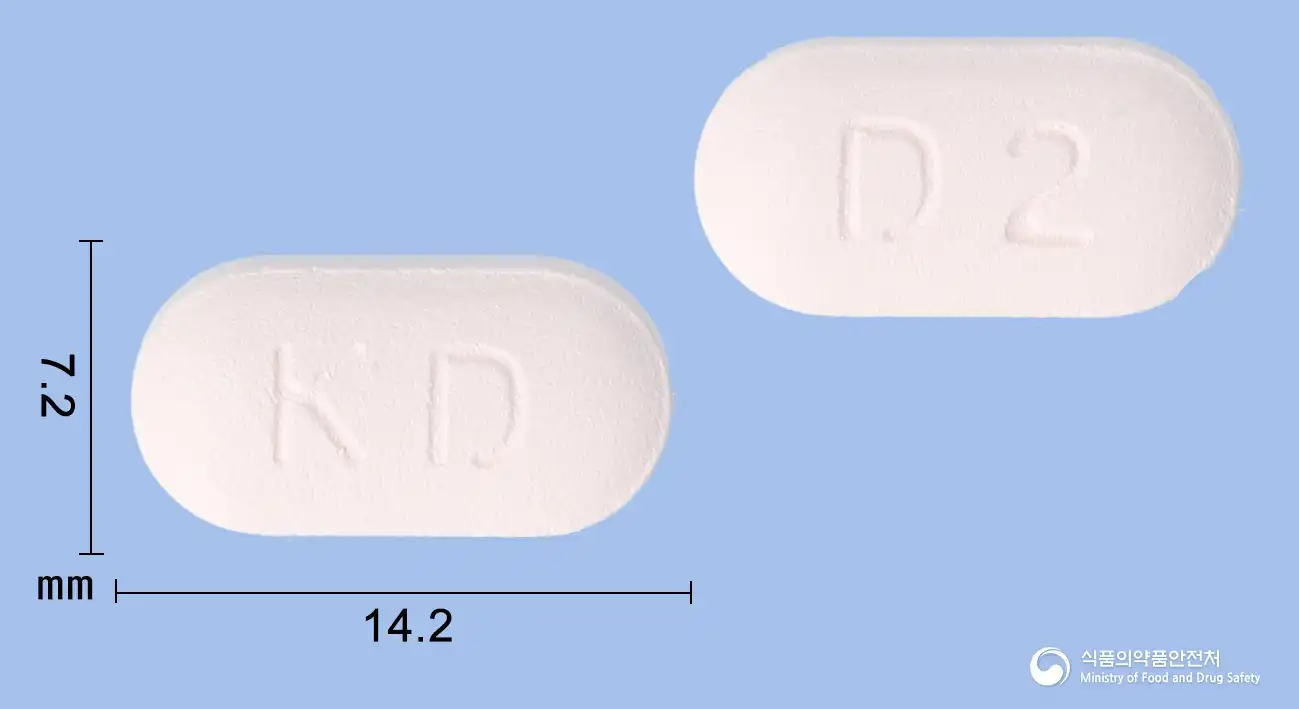 Viewing nowCombination
Valdipin Plus Tablet 5/160/12.5 mg (Amlodipine, Valsartan, Chlorthalidone)
Amlodipine Besylate 6.935mg · Valsartan 160mg +1 more
Tablet · Prescription medication · Combination
Kyungdong Pharmaceutical Co., Ltd.
MFDS item code 202502891 · Approved 2025.11.07 · Insurance code 648105290
Treatment of essential hypertension not controlled with amlodipine and valsartan combination therapy
This medication may be needed as an additional treatment or dosage adjustment in patients with essential hypertension whose blood pressure is not sufficiently controlled by a combination of amlodipine and valsartan therapy. Essential hypertension occurs without a specific cause, making continuous blood pressure management essential to lower the risk of cardiovascular diseases. In this case, your doctor may consider adjusting the drug dosage, adding other antihypertensive medications, or improving lifestyle habits to help manage blood pressure effectively. Patients should consistently monitor their blood pressure and health status and consult with healthcare providers to find the best treatment options. Proper management of essential hypertension improves cardiovascular health and prevents complications.
Take 1 tablet of this drug once daily with water, with or without food. If possible, it is recommended to take it at the same time each day (e.g., in the morning). Before administering this drug, it is recommended to adjust the dose using the individual components (amlodipine and valsartan as monotherapy or combination therapy). For patients whose blood pressure is not controlled with amlodipine/valsartan combination therapy, administer this drug 5/80/12.5 milligrams and adjust the dose at intervals of at least 2 weeks, taking the patient's blood pressure response into consideration. The maximum dose of this drug is 10/160/25 milligrams. Patients taking amlodipine/valsartan combination therapy together with chlorthalidone as a single agent may switch to this drug (a combination product containing the same amounts of each active ingredient) for convenience.
This medication can cause serious harm to the fetus and newborn, especially during pregnancy; therefore, it should be discontinued immediately if pregnancy is confirmed. Patients with impaired liver function or those with ongoing liver disease should exercise caution as severe side effects such as hepatic coma can occur when taking this medication. Patients with severely poor kidney function may experience elevated blood nitrogen levels due to some components of this medication, and kidney function should be closely monitored. Patients allergic to any of the ingredients of this medication or to similar drugs should not use it. Patients with very low blood pressure, severe liver impairment or biliary obstruction, and severe renal impairment should not take this medication. Patients with diabetes or moderate to severe renal impairment should avoid using this medication in combination with certain other drugs. Patients at risk of hyperkalemia or who are prone to increased blood potassium levels should frequently check their potassium levels while taking this medication, and special caution is advised if taking potassium supplements. Patients with fluid or sodium deficiency should replenish their condition before starting this medication, and if symptoms of hypotension occur, immediate lying down and intravenous therapy should be sought as necessary. Patients with heart failure, following myocardial infarction, renal failure, and the elderly should monitor their health more closely while using this medication, and dosage adjustments may be necessary. This medication can cause various side effects including dizziness, headaches, low blood pressure, electrolyte imbalances in the blood, etc.; if any unusual symptoms appear, consult a physician immediately. Special care should be taken as dizziness or drowsiness may occur while driving or operating machinery during the course of this medication. This medication may interact with other drugs; therefore, inform healthcare providers of any other medications being taken. Pregnant or breastfeeding women should not take this medication and should consult healthcare providers if planning to become pregnant or are currently pregnant. Safety and efficacy have not been established for children and adolescents under 18 years of age, so its use is not recommended. In cases of overdose, severe hypotension, shock, and electrolyte abnormalities may occur, necessitating immediate emergency treatment. This medication should be stored in a cool, dry place away from moisture and direct sunlight, and should be kept out of the reach of children. It is advisable not to transfer it to other containers.
Dizziness, headache, increased blood uric acid, increased alanine aminotransferase (ALT), increased aspartate aminotransferase (AST), increased creatine phosphokinase (CPK), increased blood glucose, increased blood triglycerides (TG), COVID-19, nasopharyngitis, upper respiratory tract infection, position-induced dizziness, eyelid tremor, orthostatic hypotension, chest discomfort, flushing, fatigue, edema, palpitations, dizziness, drowsiness, abdominal pain, nausea, weakness, lethargy, pain, weight gain/loss, hypotension, vasculitis, anxiety, sensory loss/sensory abnormality, peripheral neuropathy, syncope, taste disturbance, tremor, extrapyramidal disorder, erectile dysfunction, gynecomastia, changes in bowel habits, dry mouth, indigestion (gastritis), gingival hypertrophy, pancreatitis, vomiting, hyperglycemia, arthralgia, low back pain, muscle cramps, myalgia, leukopenia, thrombocytopenia, insomnia, mood changes, cough, dyspnea, rhinitis, hair loss, hyperhidrosis, purpura, skin discoloration, urticaria, toxic epidermal necrolysis, tinnitus, visual disturbances, increased urinary frequency, urinary dysfunction, nocturia, hepatitis, jaundice, elevated liver enzyme levels, pruritus, rash, angioedema, erythema multiforme, myocardial infarction, arrhythmia (including bradycardia, ventricular tachycardia, atrial fibrillation), chest pain, edema, redness, itching, serum sickness, vasculitis, renal function impairment, syncope, epistaxis, hepatitis, hypoglycemia, shock, loss of consciousness, rhabdomyolysis, agranulocytosis, vesicular dermatitis, intestinal vascular edema, aplastic anemia, necrotizing vasculitis, pulmonary edema, acute renal failure, hypokalemia, hyperuricemia, increased blood lipids, hyponatremia, hypomagnesemia, hyperglycemia, gout, hypercalcemia, diabetes, worsening diabetic metabolic state, hypochloremic alkalosis, urticaria, skin erythema, photosensitivity reaction, intrahepatic biliary stasis, jaundice, orthostatic hypotension, deep vein thrombosis, palpitations, sensory abnormality, depression, heaviness, loss of appetite, gastrointestinal disturbances, nausea, vomiting, gastric pain, constipation, diarrhea, thrombocytopenia, leukopenia, agranulocytosis, eosinophilia, purpura, visual disturbances, xanthosis, erectile dysfunction, pulmonary edema, allergic enteritis, lethargy, loss of strength, hypotension, tachycardia, hypovolemic shock, altered consciousness, coma, muscle elasticity, muscle cramps, sensory abnormality, drowsiness, confusion, thirst, nausea, vomiting, polyuria, oliguria, anuria, venous thrombosis, hypovolemic shock, arrhythmia, hypochloremia, elevated BUN
Not everyone experiences these, and they can vary from person to person.
This medication is sensitive to air and moisture, so it must be stored in an airtight container. It is advisable to maintain room temperature between 1 and 30 degrees Celsius for optimal storage, which helps preserve the medication's effectiveness.
Pale pink rectangular film-coated tablet
30 tablets/bottle
Even with the same ingredient, strength, dosage form and how it is taken can differ.
Viewing nowCombinationAmlodipine Besylate 6.935mg · Valsartan 160mg +1 more
Tablet · Prescription medication · Combination
Kyungdong Pharmaceutical Co., Ltd.
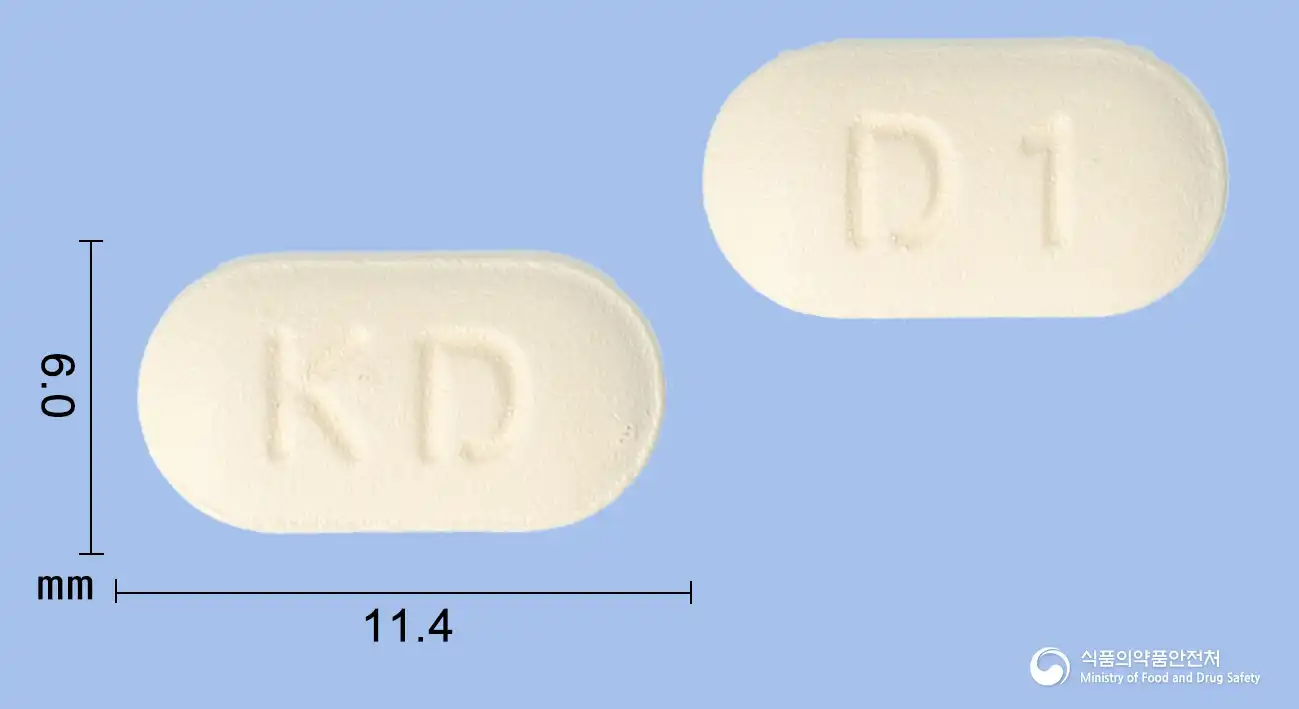 Combination
Amlodipine Besylate 6.935mg · Valsartan 80mg +1 more
Tablet · Prescription medication · Combination
Kyung Dong Pharm Co., Ltd.
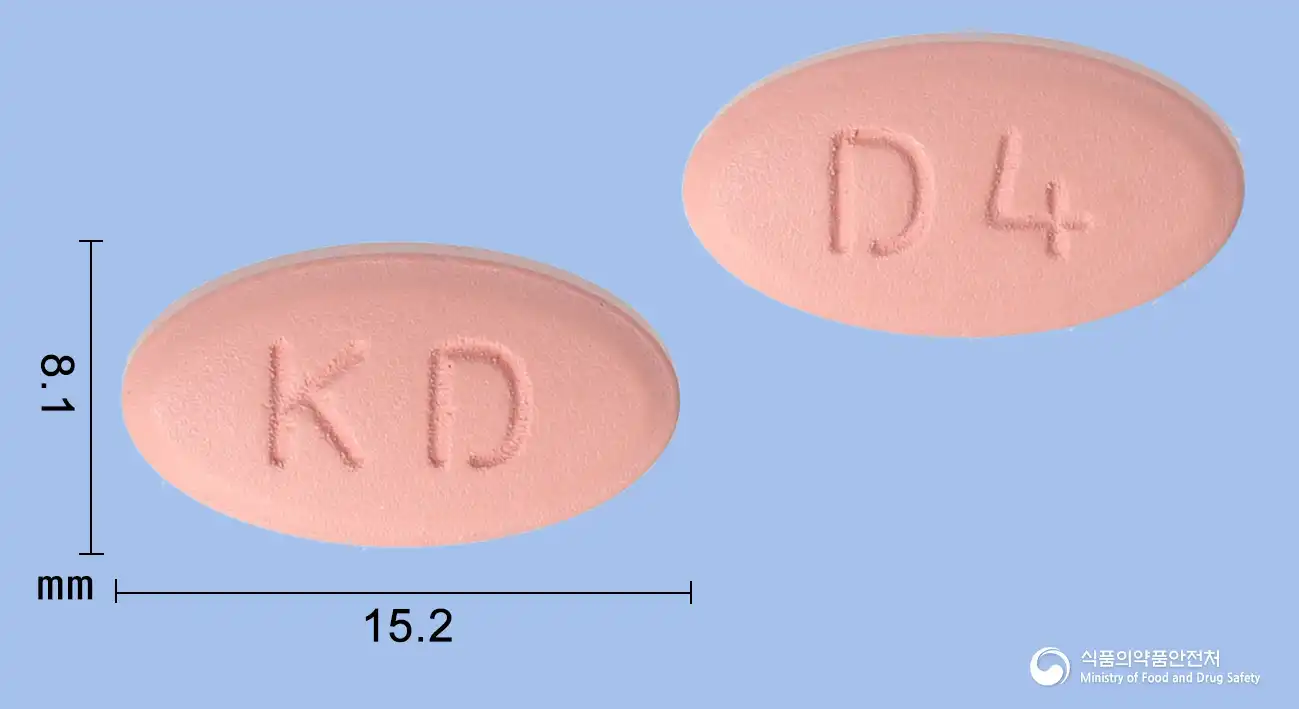 Combination
Amlodipine Besylate 13.87mg · Valsartan 160mg +1 more
Tablet · Prescription medication · Combination
Kyung Dong Pharmaceutical Co., Ltd.
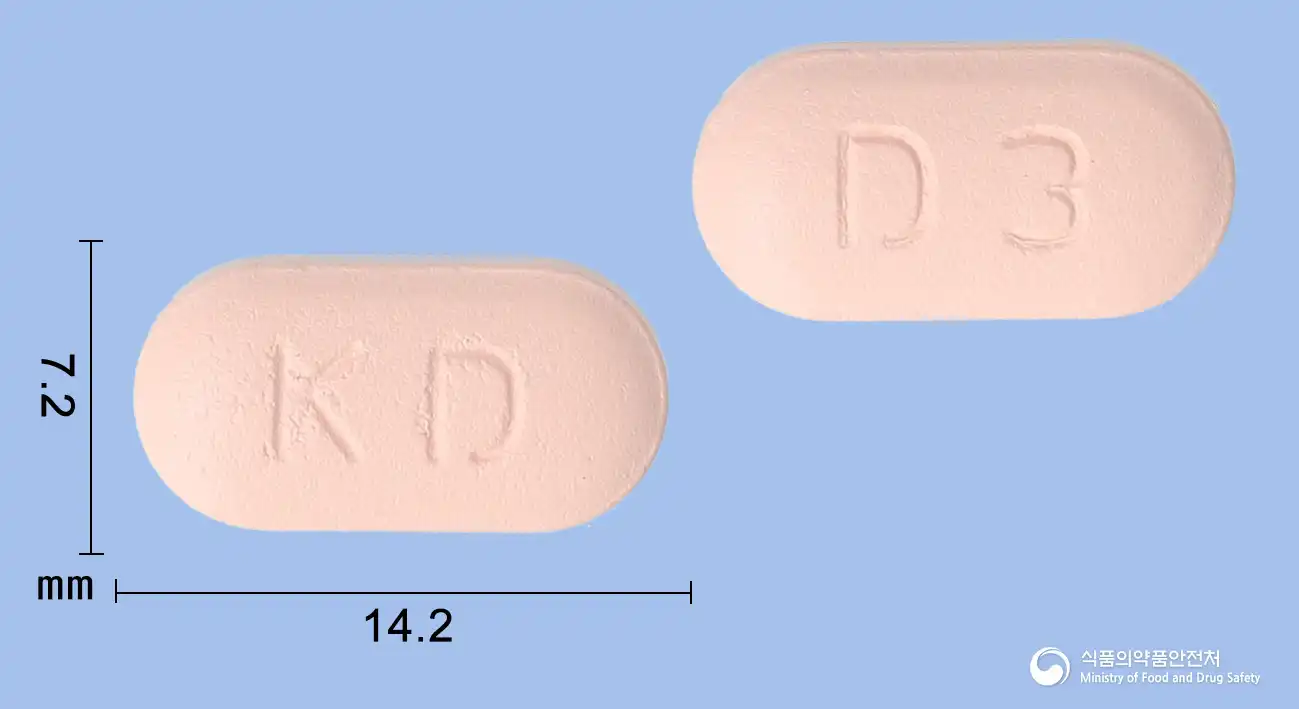 Combination
Amlodipine Besylate 13.87mg · Valsartan 160mg +1 more
Tablet · Prescription medication · Combination
Kyungdong Pharmaceutical Co., Ltd.
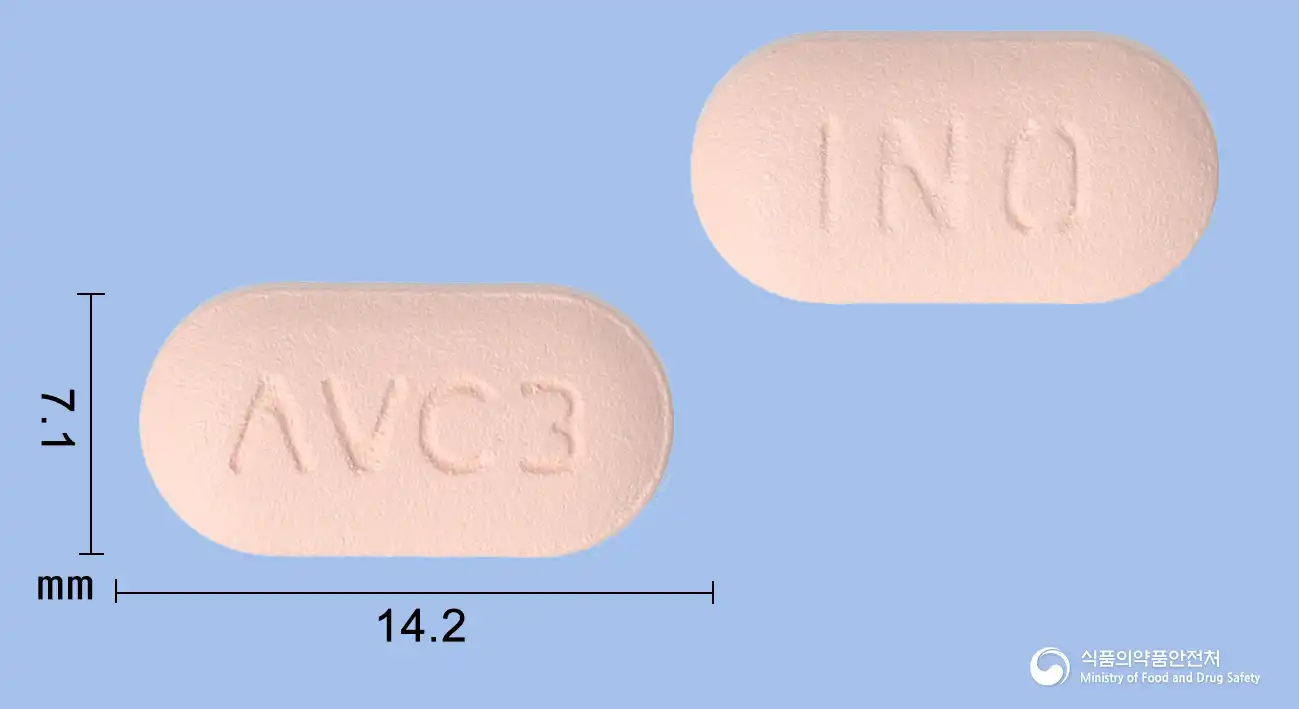 Combination
Amlodipine Besylate 13.87mg · Valsartan 160mg +1 more
Tablet · Prescription medication · Combination
HK inno.N Co., Ltd.
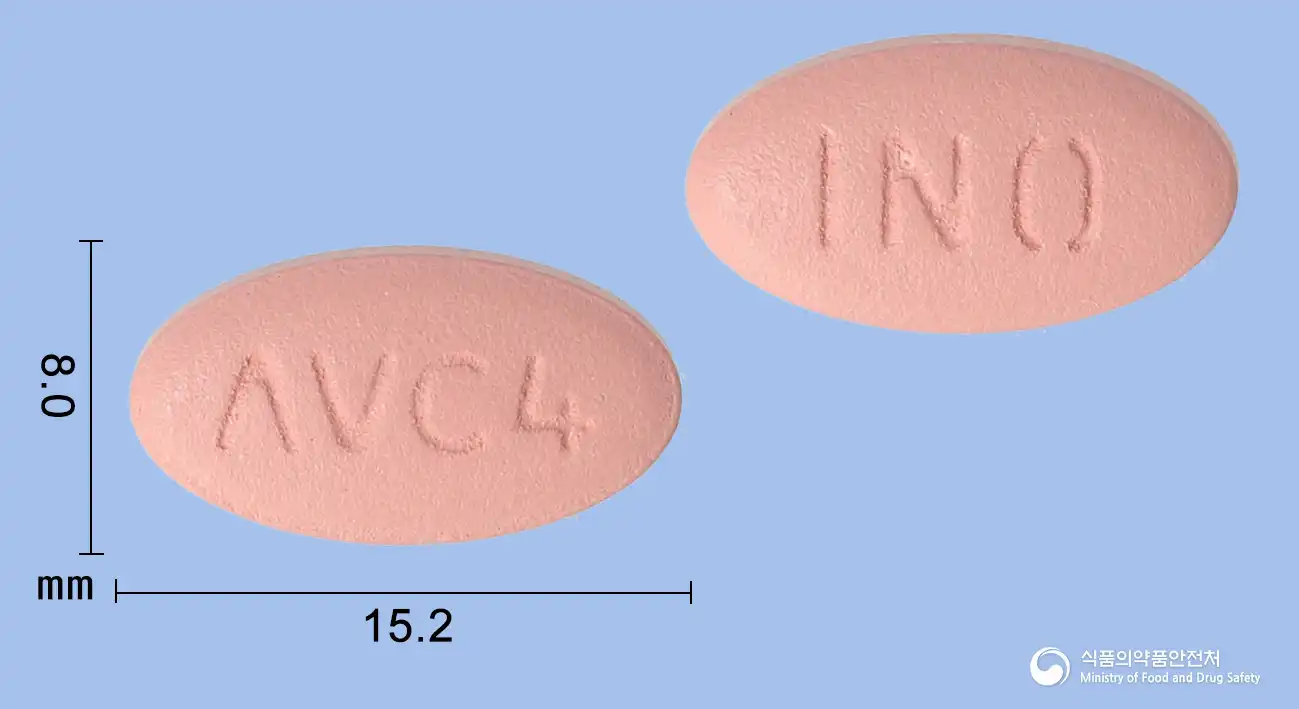 Combination
Amlodipine Besylate 13.87mg · Valsartan 160mg +1 more
Tablet · Prescription medication · Combination
HK inno.N Co., Ltd.
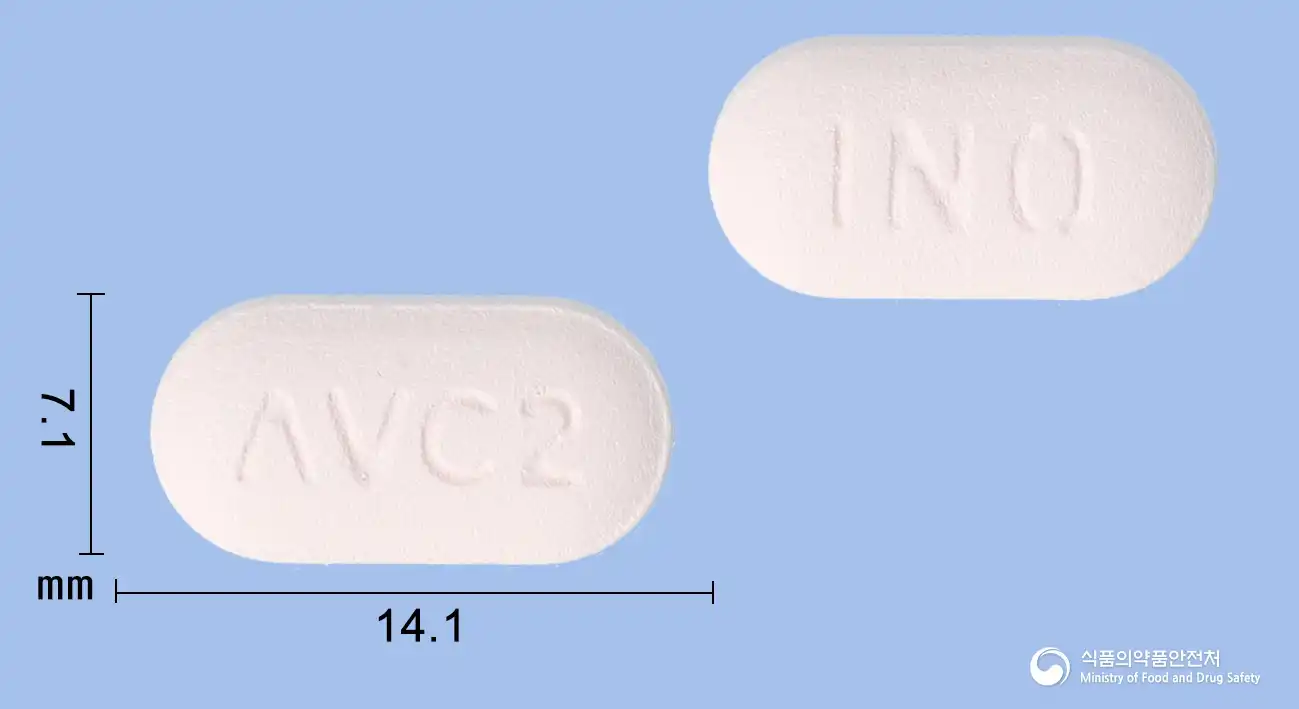 Combination
Amlodipine Besylate 6.935mg · Valsartan 160mg +1 more
Tablet · Prescription medication · Combination
HK inno.N Co., Ltd.
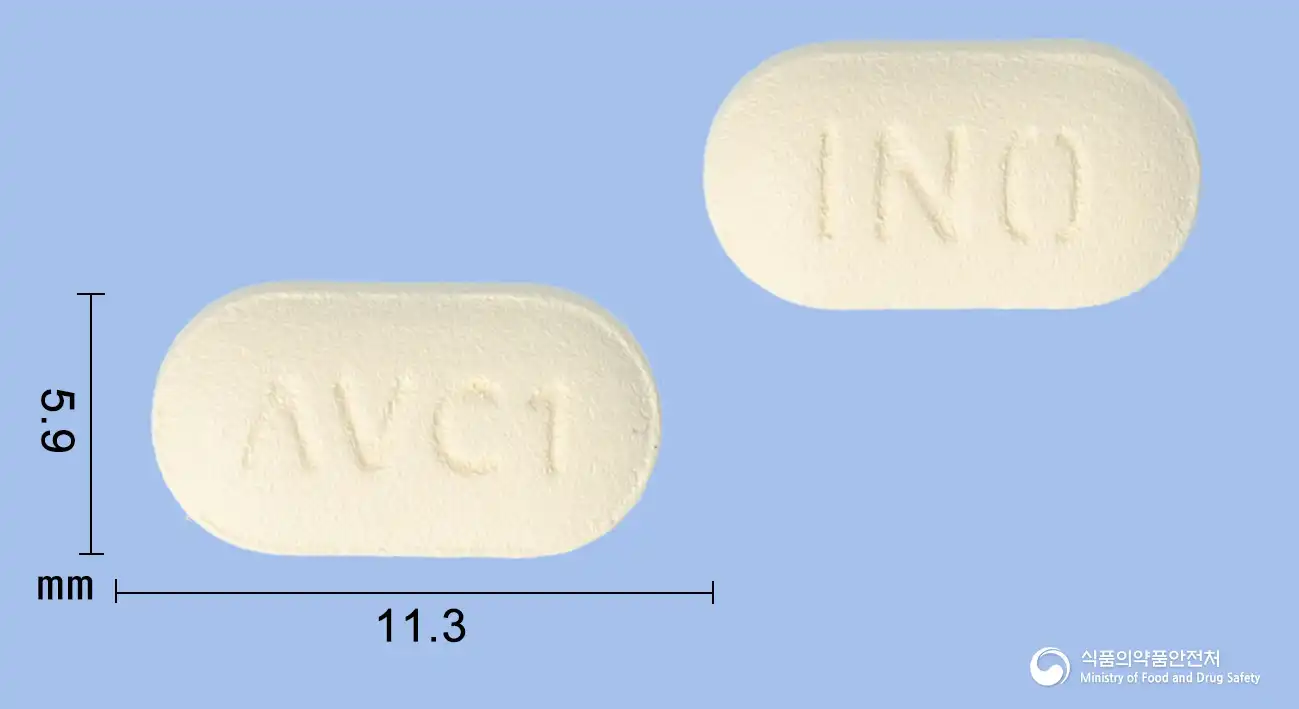 Combination
Amlodipine Besylate 6.935mg · Valsartan 80mg +1 more
Tablet · Prescription medication · Combination
HK inno.N Co., Ltd.
Even with the same ingredient, the dose and directions can differ by strength and dosage form. Talk to a doctor or pharmacist before switching from a medication you are already taking.
No questions yet.
For anything that needs medical judgment, consult a doctor or pharmacist.
This drug information is based on data provided by the Korea Ministry of Food and Drug Safety.
Consult a doctor or pharmacist for accurate dosage, administration, and usage instructions.