
 한국어
한국어 English
 日本語
日本語 中文(简体)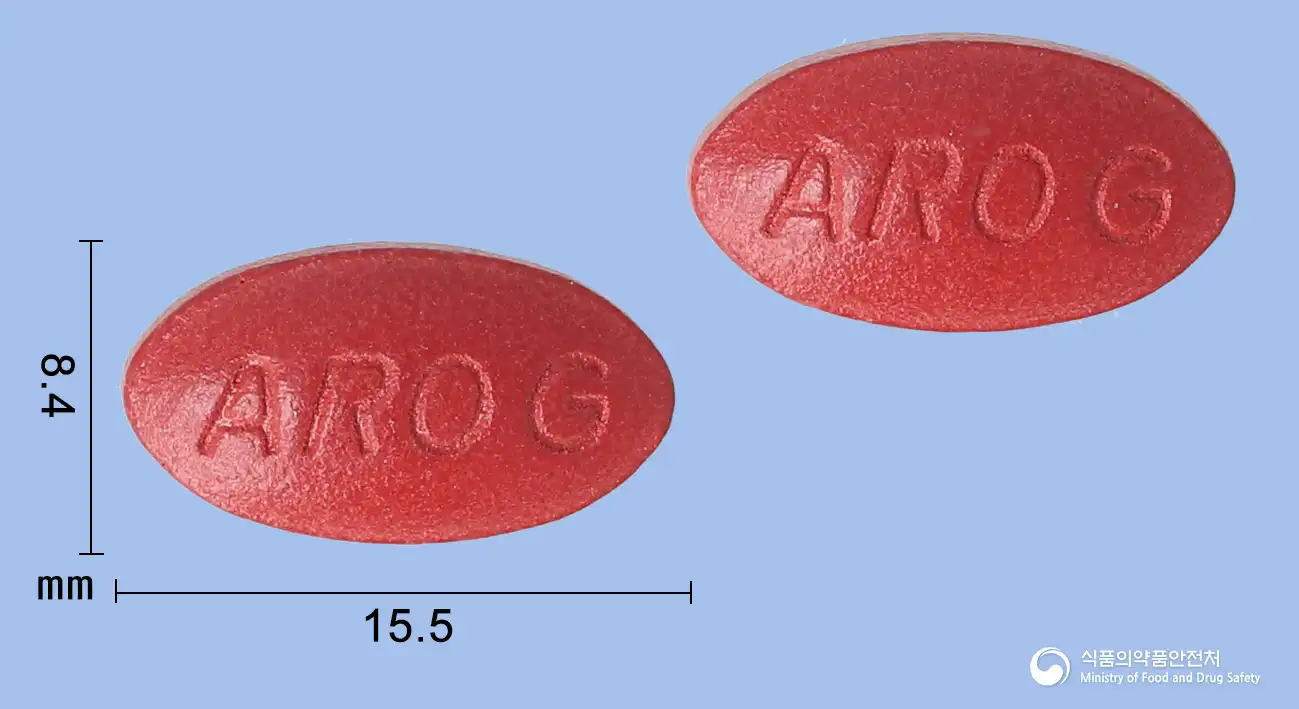
Summary
- Main use
- Pain relief from neuralgia, muscle pain, etc., and improvement of beriberi and eye fatigue
- Who uses it
- Adults · Children
- Adult dosage
- Aged 8 or older and adults: 1 to 2 times a day, 1 tablet per dose.
- Children's dosage
- Aged 8 or older: 1 to 2 times a day, 1 tablet per dose.
Ingredients
- Fursultiamine50mg / 1 tablet
- Riboflavin Butyrate2.5mg / 1 tablet
- Nicotinamide10mg / 1 tablet
- Calcium Pantothenate10mg / 1 tablet
- Pyridoxal Phosphate Hydrate2.5mg / 1 tablet
- Folic Acid0.2mg / 1 tablet
- Mecobalamin0.5mg / 1 tablet
- Ascorbic Acid51.6mg / 1 tablet
- Tocopherol Acetate Powder 50%40mg / 1 tablet
- Manufacturer
- 일동제약(주)
Efficacy & effects
Pain relief from neuralgia, muscle pain, etc., and improvement of beriberi and eye fatigue
- Physical fatigue
- decreased physical strength
- elderly period
- neuralgia
- muscle pain
- joint pain
- beriberi
- eye fatigue
View approved original textHide original text
The vitamins B1, B2, B6, E, and C included in this medicine help relieve physical fatigue, assist in maintaining physical strength during pregnancy, lactation, and after an illness, and support health in elderly individuals. It also alleviates symptoms of neuralgia, muscle pain, joint pain (such as lower back pain and shoulder stiffness), and is effective for beriberi and eye fatigue. Therefore, this medication is used for various physical discomforts and fatigue recovery.
Dosage and Administration
Adult dosage
Aged 8 or older and adults: 1 to 2 times a day, 1 tablet per dose.
Children's dosage
Aged 8 or older: 1 to 2 times a day, 1 tablet per dose.
Precautions
This medication should not be taken by individuals who are allergic to this medication or its ingredients. It is safest for infants under 3 months not to take this medication. Infants under 1 year, individuals currently receiving medical treatment, and those with certain kidney diseases must consult with a doctor or pharmacist before taking this medicine. Pregnant women or those who may become pregnant, lactating individuals, premature infants, and children should also consult a professional before taking this medication. People with gout or kidney stones should also consult with a professional before taking this medication. If symptoms such as gastrointestinal discomfort, diarrhea, constipation, skin rash, vomiting, mouth inflammation, decreased appetite, abdominal bloating, etc., occur while taking this medication, immediately stop taking it and consult a professional. Consult a professional if there are changes in menstrual cycles or prolonged bleeding. Women taking contraceptives containing estrogen or those at risk of thrombosis need to be cautious as vitamin E may increase the risk of thrombosis. Long-term high doses may lead to tolerance, so please adhere to the prescribed dosage. Taking vitamin B6 in doses exceeding 500 mg per day for a long time may cause nerve damage, so caution is advised. Individuals deficient in folic acid who take high doses of vitamin B12 may experience hematological adverse reactions. High-dose intake may lead to exacerbation of peptic ulcers, blood glucose control issues, increased uric acid, and liver damage. In the event of overdose, immediate professional consultation is necessary, and if symptoms do not improve even after one month of taking, it should be discontinued and consultation is required. This medication must be taken according to the specified method and dosage, and when taken by children, supervision by a guardian is required. Taking this medication may affect blood sugar detection in certain urine tests, and urine may turn yellow, which can impact clinical test results. This medication should be stored away from children's reach, shielded from direct sunlight, and kept in a sealed container in a cool, dry place. For quality preservation, do not transfer to another container.
Side effects and when to seek care immediately
Mild side effects
Gastrointestinal discomfort, diarrhea, constipation, rash, erythema, nausea, vomiting, loose stools, stomatitis (oral inflammation), decreased appetite, abdominal bloating, menstrual changes (early menstruation or prolonged bleeding), sensory neuropathy or neurogenic symptoms (peripheral nerve dysfunction), hematological adverse reactions, promotion of peptic ulcers, glucose intolerance, hyperuricemia, liver damage, interference with urinary blood glucose detection, yellow discoloration of urine.
Not everyone experiences these, and they can vary from person to person.
Storage
This medication should be stored in a sealed container to prevent exposure to air or moisture. It is advisable to maintain storage temperatures between 1 and 30 degrees Celsius.
Appearance and packaging
Appearance
Red oval film-coated tablet
Package unit
100 tablets/box [10 tablets/PTP * 10], 300 tablets/box [10 tablets/PTP * 30], 90 tablets/box [10 tablets/PTP * 9], 150 tablets/box [10 tablets/PTP * 15]
Questions about this medicine
No questions yet.
For anything that needs medical judgment, consult a doctor or pharmacist.