
 한국어
 English
 日本語
 中文(简体)
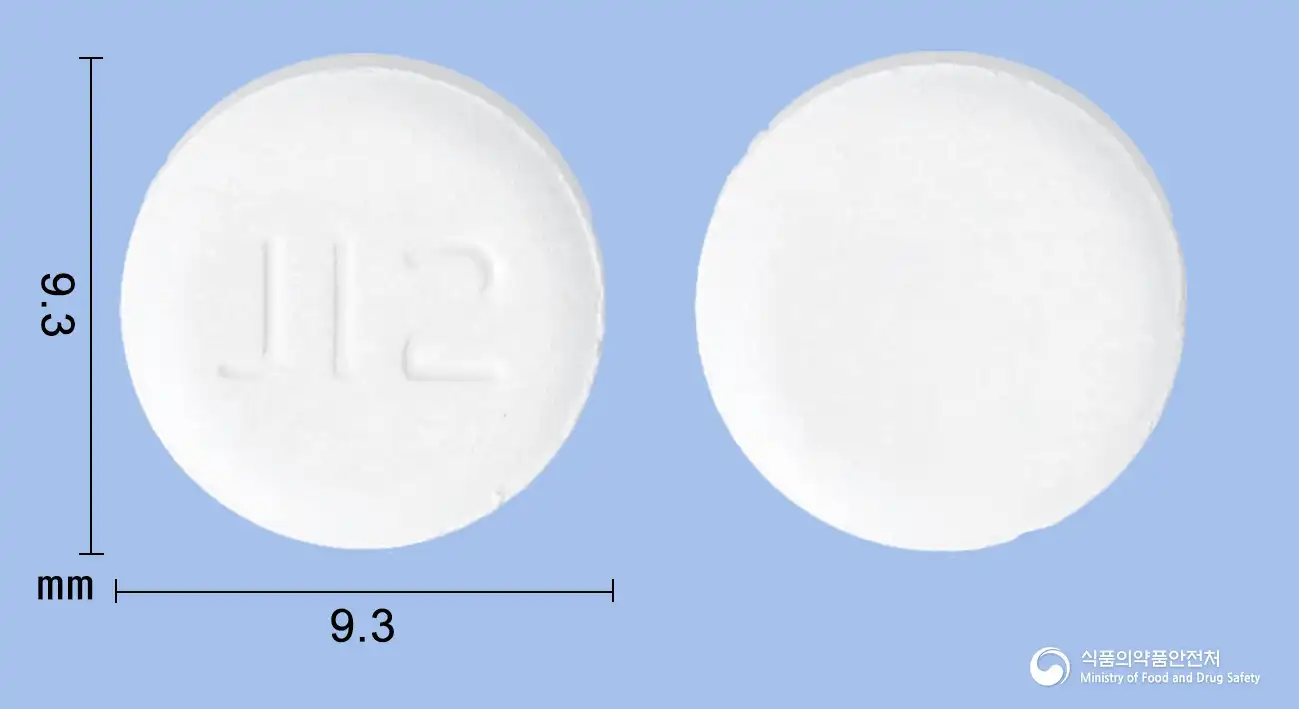 Viewing now
Zacubo Orally Disintegrating Tablet 20 mg (Zastaparazone Citrate)
Zastaprazan Citrate 20mg
Orally disintegrating Tablet · Prescription medication
Onconic Therapeutics Co., Ltd.
MFDS item code 202502813 · Approved 2025.10.30 · Insurance code 078600020
Treatment of erosive gastroesophageal reflux disease and gastric ulcers
This medication is used for the treatment of erosive gastroesophageal reflux disease and gastric ulcers.
This medicine is administered to adults as follows. It may be taken with or without food. 1. Treatment of erosive gastroesophageal reflux disease - Take 20 mg orally once daily for 4 weeks. If the condition is not resolved, continue treatment for an additional 4 weeks. 2. Treatment of gastric ulcers - Take 20 mg orally once daily for up to 8 weeks. This medicine is an orally disintegrating tablet. Place it on the tongue and allow it to dissolve in saliva, or take it with water.
This medication should not be used by individuals who have allergies or have experienced hypersensitivity to this drug or its components. Furthermore, patients taking certain antiviral medications such as atazanavir, nelfinavir, or rilpivirine should not take this drug. It is also safest for pregnant or breastfeeding women to avoid using this medication. Patients with liver or kidney function issues should be especially cautious when using this drug, as should the elderly. This medication may cause various side effects such as gastrointestinal disorders, headaches, and skin rashes, and if any abnormal symptoms occur, one should consult a healthcare professional immediately. Patients suspected of having malignant tumors should confirm malignancy before using this medication, and there is a slight increase in the risk of gastrointestinal bacterial infections due to acid suppression. Long-term use may increase the risk of osteoporosis-related fractures, so it may be advisable to undergo bone density tests if necessary. Prolonged use may lower blood magnesium levels, and regular blood tests are recommended. Long-term use can lead to vitamin B12 deficiency, so testing is necessary if symptoms occur. This medication may interact with other drugs, so be sure to inform your healthcare provider of any other medications you are taking. Pregnant or breastfeeding women should avoid using this medication, and particularly breastfeeding women should discontinue breastfeeding for safety. Safety for children and adolescents has not been established, and use is not recommended. Elderly patients or those with decreased liver or kidney function should use this drug cautiously after consulting a healthcare provider. No specific overdose symptoms have been reported, but if any issues arise, immediate treatment at a medical facility is necessary. This medication should be stored out of reach of children and should not be transferred to other containers.
inguinal hernia, dyspepsia, chronic gastritis, erosive gastritis, nausea, abdominal distension, abdominal pain, epigastric pain, diarrhea, duodenal polyp, discomfort in the upper abdomen, bloating, food poisoning, gastric polyp, gastritis, hemorrhoids, enteropathy, esophageal dysplasia, oral dysesthesia, vomiting, duodenitis, constipation, hypergastrinemia, COVID-19, herpes zoster, bronchitis, milliamperage, headache, radiculopathy, tension headache, tremor, migraine, drowsiness, arthralgia, intervertebral disc disorders of the spine, muscle cramps, limb pain, increased alanine aminotransferase, increased aspartate aminotransferase, increased blood bilirubin, increased blood creatine phosphokinase, increased blood lactate dehydrogenase, increased gamma-glutamyl transferase, increased post-void residual urine volume, weight gain, increased blood gastrin, hypertriglyceridemia, hyperkalemia, hyperlipidemia, rash, pruritus, asthenia, pain, conjunctival deposits, dry eyes, ligament sprain, contusion, skin laceration, sleep disturbances, thyroid nodule, atrial fibrillation, thrombophlebitis, hematuria, renal cyst, dysmenorrhea, benign pituitary tumor, epigastric pain, gastroesophageal reflux disease, nausea, colorectal polyp, abdominal discomfort, gingival swelling, belching, melena, dizziness, lumbosacral radiculopathy, osteoarthritis, low back pain, chest pain, allergic conjunctivitis, keratitis, fibula fracture, overactive bladder, cough, vocal cord hypertrophy
Not everyone experiences these, and they can vary from person to person.
This medication should be stored in a tightly sealed container to avoid exposure to air or moisture. It is also important to store it at room temperature between 1 and 30 degrees Celsius. This will help maintain the medication's effectiveness for a long time.
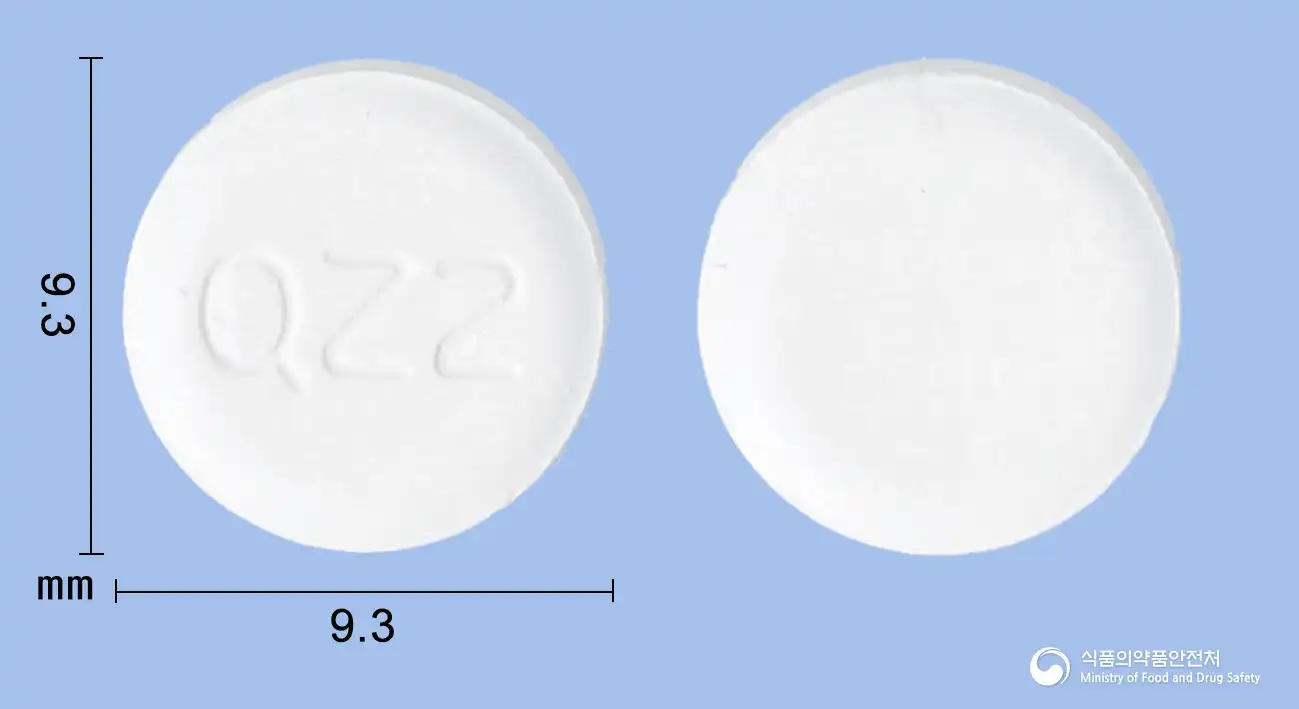
White round orally disintegrating tablet
30 tablets/bottle, 14 tablets/bottle, 28 tablets/box [7 tablets/PTPx4]
Even with the same ingredient, strength, dosage form and how it is taken can differ.
Viewing nowZastaprazan Citrate 20mg
Orally disintegrating Tablet · Prescription medication
Onconic Therapeutics Co., Ltd.
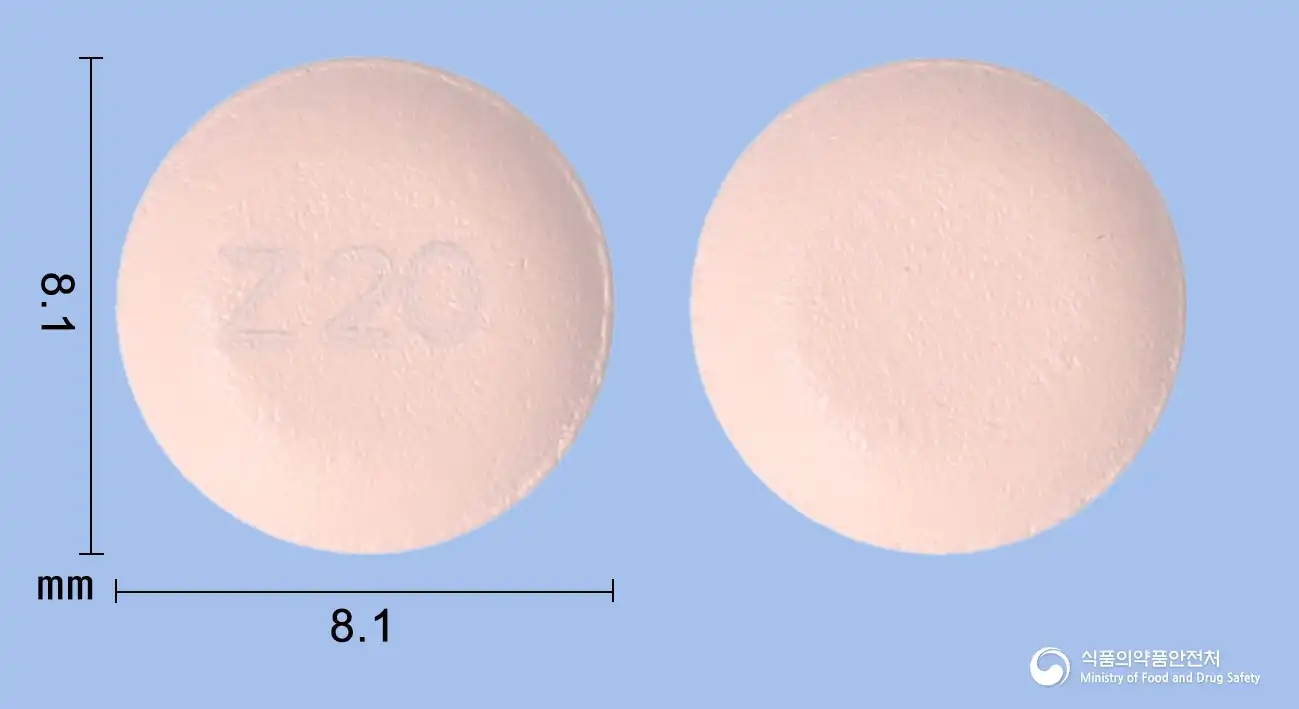
Zastaprazan Citrate 20mg
Tablet · Prescription medication
Oncologic Therapeutics Co., Ltd.
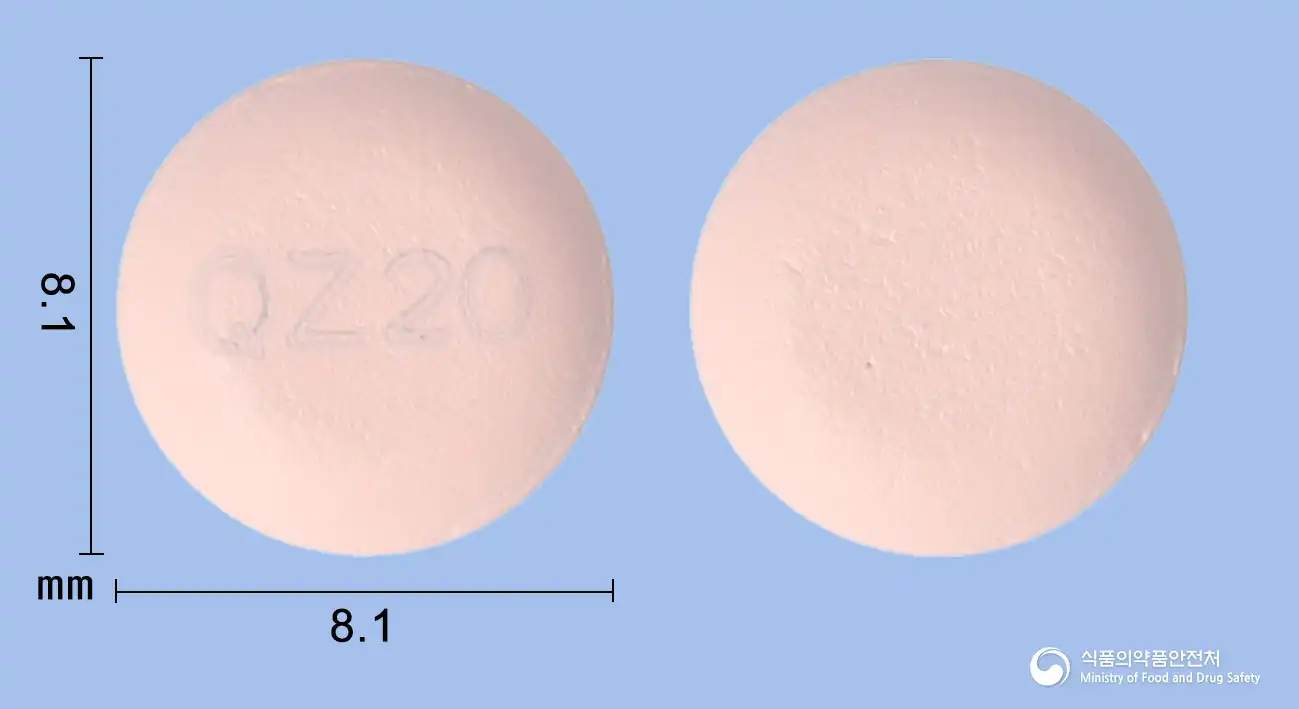
Zastaprazan Citrate 20mg
Tablet · Prescription medication
Jeil Pharmaceutical Co., Ltd.
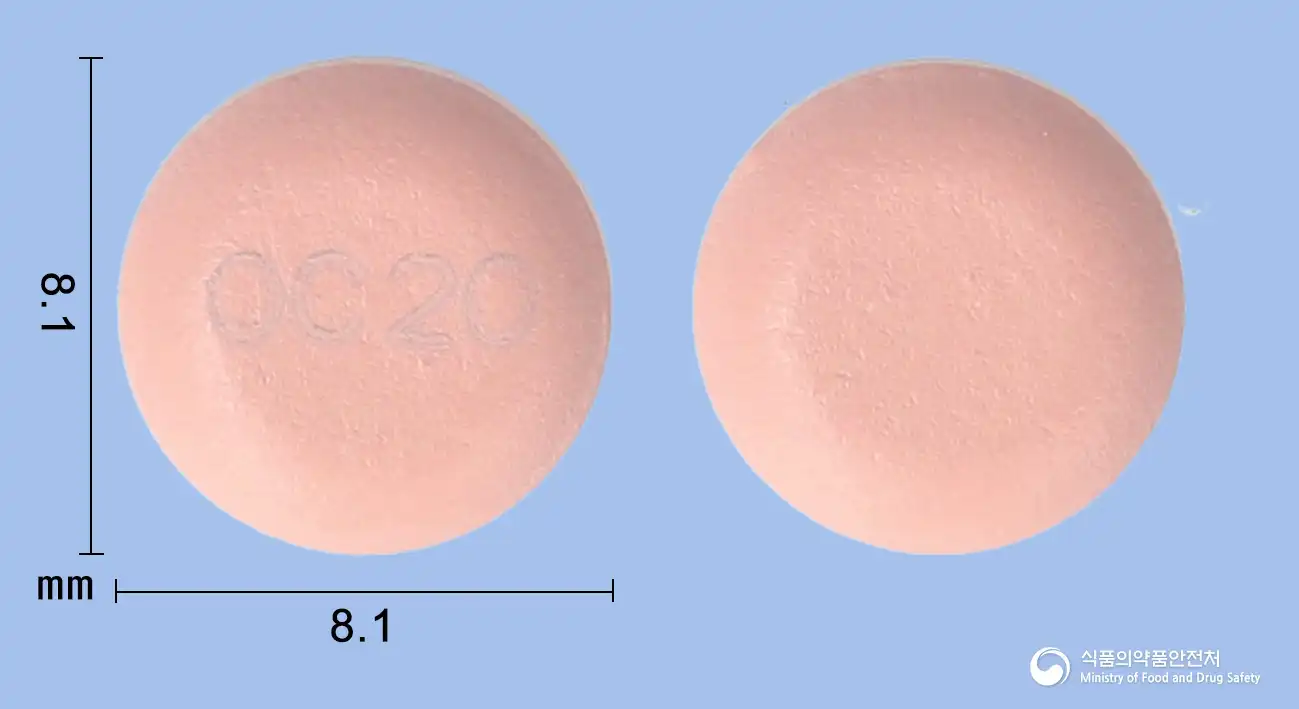
Zastaprazan Citrate 20mg
Tablet · Prescription medication
Jeil Pharmaceutical Co., Ltd.
Zastaprazan Citrate 20mg
Orally disintegrating Tablet · Prescription medication
Jeil Pharmaceutical Co., Ltd.
Even with the same ingredient, the dose and directions can differ by strength and dosage form. Talk to a doctor or pharmacist before switching from a medication you are already taking.
No questions yet.
For anything that needs medical judgment, consult a doctor or pharmacist.
This drug information is based on data provided by the Korea Ministry of Food and Drug Safety.
Consult a doctor or pharmacist for accurate dosage, administration, and usage instructions.