
 한국어
한국어 English
 日本語
日本語 中文(简体)
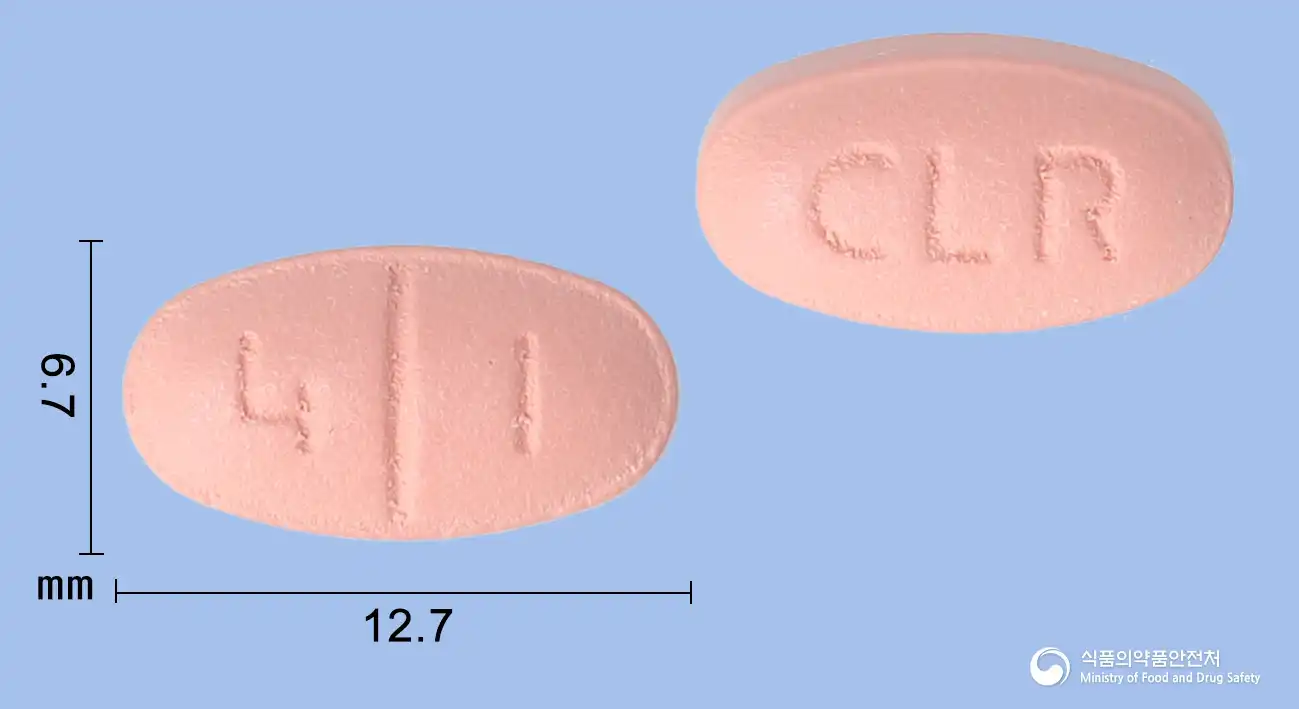 Viewing nowCombination
IdalDIPIN 40/10 mg (Azilsartan Medoxomil, Amlodipine Besylate)
Potassium Azilsartan Medoxomil 42.68mg · Amlodipine Besylate 13.889mg
Tablet · Prescription medication · Combination
Celltrion, Inc.
MFDS item code 202502799 · Approved 2025.10.29 · Insurance code 623800380
Improvement of blood pressure control in essential hypertension
This medication is used to effectively control blood pressure in patients with essential hypertension whose blood pressure is not adequately controlled with monotherapy of azilsartan medoxomil or amlodipine.
This medication is taken once daily, with one tablet taken with water at any time regardless of meals. It is recommended to take it at the same time every day (e.g., in the morning). 40/5 mg: Administered to patients whose blood pressure is not adequately controlled with monotherapy of azilsartan medoxomil 40 mg or amlodipine 5 mg. 40/10 mg: Administered to patients whose blood pressure is not adequately controlled with monotherapy of azilsartan medoxomil 40 mg or amlodipine 10 mg or this medication 40/5 mg.
Safety and efficacy of this medication have not been established in pediatric and adolescent patients under the age of 18.
This medication can cause serious harm to the fetus and newborn if taken during the second and third trimester of pregnancy. Therefore, it should be discontinued immediately if pregnancy is confirmed. Patients who are allergic to this medication or have hypersensitivity to its components should not take it. Patients with diabetes or severe renal disease should avoid taking this medication with certain drugs, and it is also recommended that those with severe hepatic impairment do not take it. This medication should not be used in patients with severe aortic stenosis or in shock. Caution should be exercised for patients with congestive heart failure, severe renal impairment, renal artery stenosis, or similar conditions dependent on the renin-angiotensin-aldosterone system, as there is a risk of acute hypotension or renal failure. This medication may cause a sudden drop in blood pressure, so patients with reduced blood volume or low salt levels may experience hypotension, requiring condition adjustment before starting and monitoring by healthcare professionals. Patients with hyperkalemia or at risk of elevated serum potassium levels should have their potassium levels frequently checked when taking this medication. Patients with aortic stenosis, mitral stenosis, obstructive or hypertrophic cardiomyopathy, ischemic cardiomyopathy, cerebrovascular disease, heart failure, post-myocardial infarction patients, and elderly patients should be especially cautious when taking this medication. This medication may cause various side effects such as dizziness, headache, hypotension, peripheral edema, etc. If any unusual symptoms occur, consult immediately with medical personnel. For patients with impaired liver function, the half-life of this medication may be prolonged, requiring dose adjustment and caution. Due to blood pressure lowering effects, drowsiness or dizziness may occur while driving or operating machinery, so caution is advised. This medication may interact with other drugs, particularly lithium, non-steroidal anti-inflammatory drugs, potassium-sparing diuretics, and potassium supplements. Blood pressure, kidney function, and electrolyte levels should be monitored periodically while taking these medications together. Pregnant and nursing women should not take this medication, as it can be particularly dangerous to the fetus during pregnancy and must be discussed with healthcare professionals. Safety for children and adolescents under 18 years of age has not been established, so it is preferable not to use it. Elderly patients, especially those over 75, are at higher risk of hypotension and should start at a lower dose and be closely monitored. In case of overdose, hypotension, dizziness, and in severe cases, shock may occur, requiring immediate emergency treatment, and continuous monitoring of blood pressure and cardiac function is necessary even after discontinuation of the medication.
Urticaria, vascular edema, difficulty breathing, decreased hemoglobin and thrombocytopenia, severe allergic reactions, toxic epidermal necrolysis, subdural hemorrhage, severe swelling, acute kidney injury, acute renal failure, severe skin reactions, jaundice, hepatitis, severe hypotension, syncope, pre-syncope, severe neurological symptoms (including seizures), myocardial infarction, arrhythmias, pulmonary edema, acute pulmonary edema
Not everyone experiences these, and they can vary from person to person.
This medication should be stored in a tightly closed container to avoid exposure to air or moisture, at a temperature between 1 degree Celsius and 30 degrees Celsius. Storing it this way helps maintain the medication's effectiveness for a longer period.
Bright red oval film-coated tablet
30 tablets / PTP [(15 tablets * 2 ea)]
Even with the same ingredient, strength, dosage form and how it is taken can differ.
Viewing nowCombinationPotassium Azilsartan Medoxomil 42.68mg · Amlodipine Besylate 13.889mg
Tablet · Prescription medication · Combination
Celltrion, Inc.
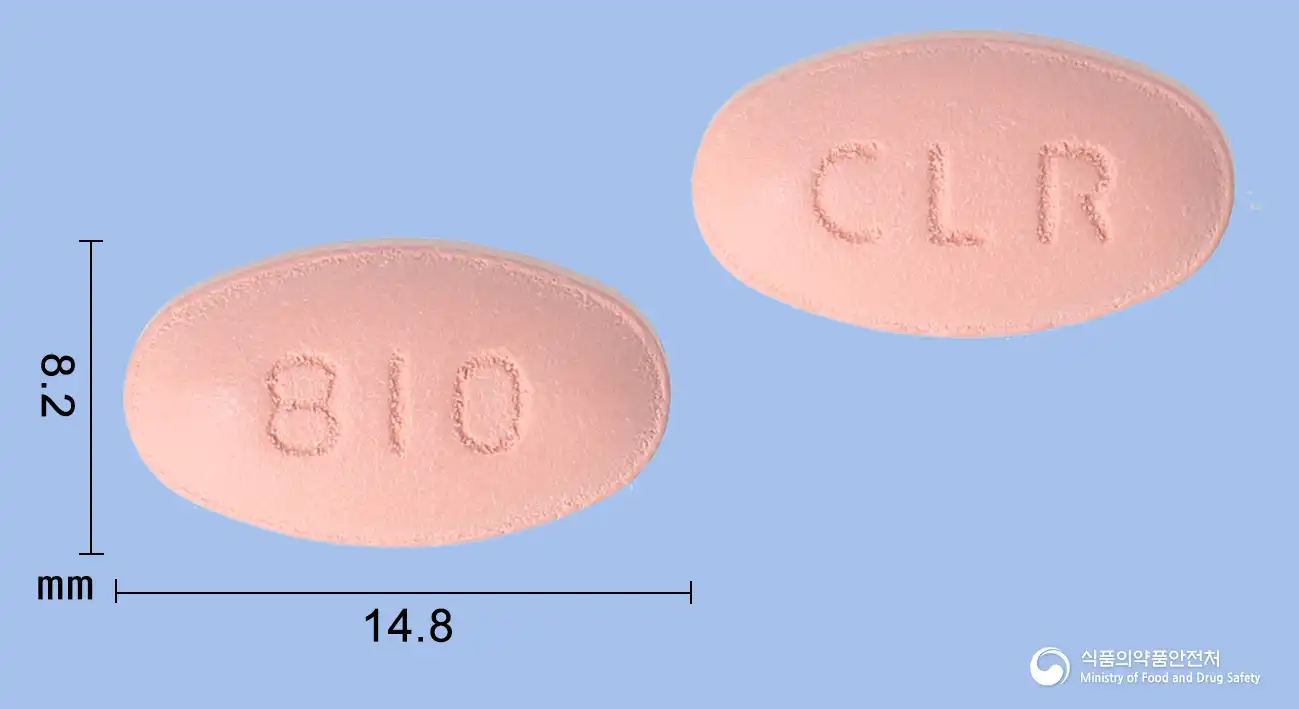 Combination
Potassium Azilsartan Medoxomil 85.36mg · Amlodipine Besylate 13.889mg
Tablet · Prescription medication · Combination
Celltrion, Inc.
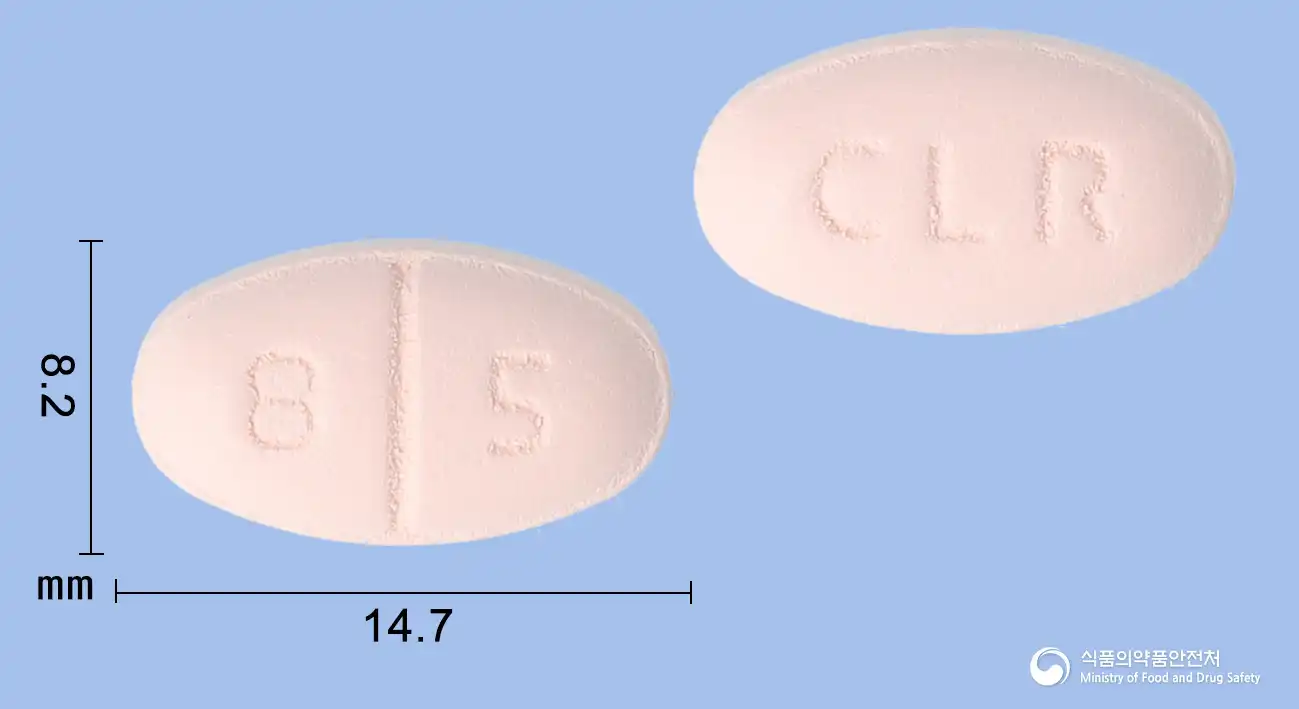 Combination
Potassium Azilsartan Medoxomil 85.36mg · Amlodipine Besylate 6.945mg
Tablet · Prescription medication · Combination
Celltrion, Inc.
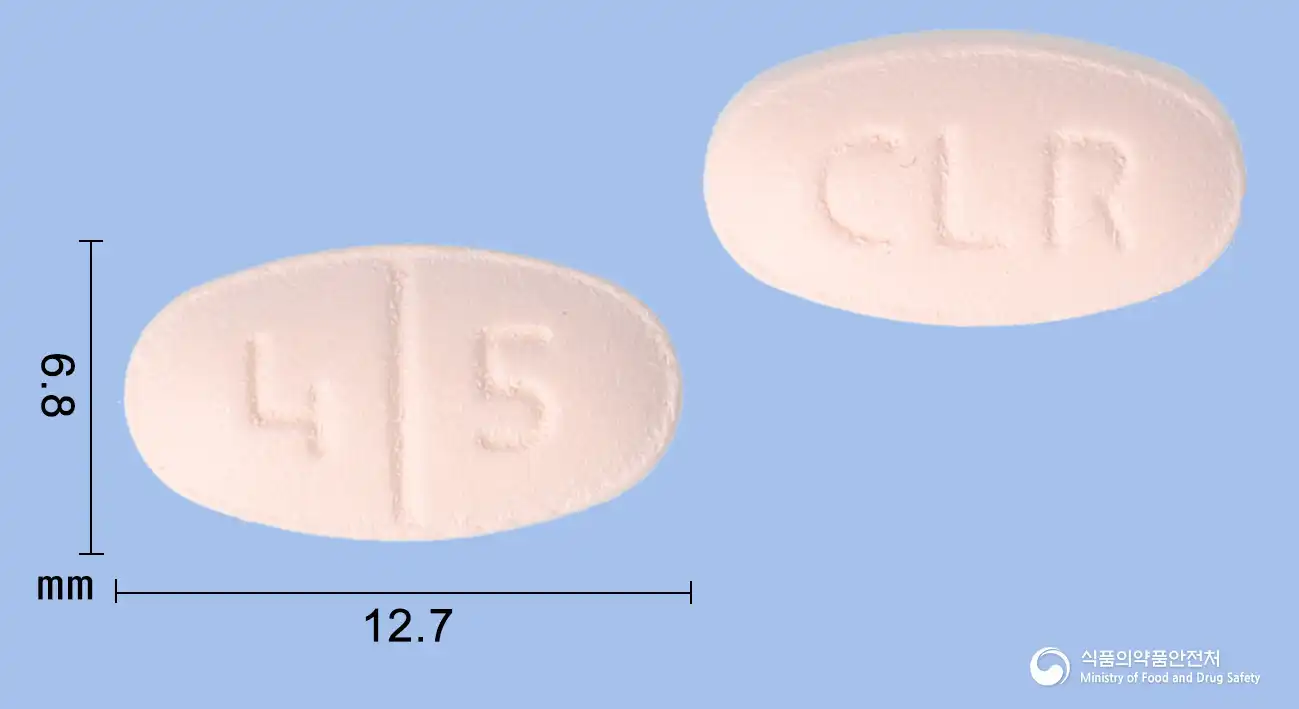 Combination
Potassium Azilsartan Medoxomil 42.68mg · Amlodipine Besylate 6.945mg
Tablet · Prescription medication · Combination
(Co., Ltd. ) Celltrion
Even with the same ingredient, the dose and directions can differ by strength and dosage form. Talk to a doctor or pharmacist before switching from a medication you are already taking.
No questions yet.
For anything that needs medical judgment, consult a doctor or pharmacist.
This drug information is based on data provided by the Korea Ministry of Food and Drug Safety.
Consult a doctor or pharmacist for accurate dosage, administration, and usage instructions.