
 한국어
 English
 日本語
 中文(简体)
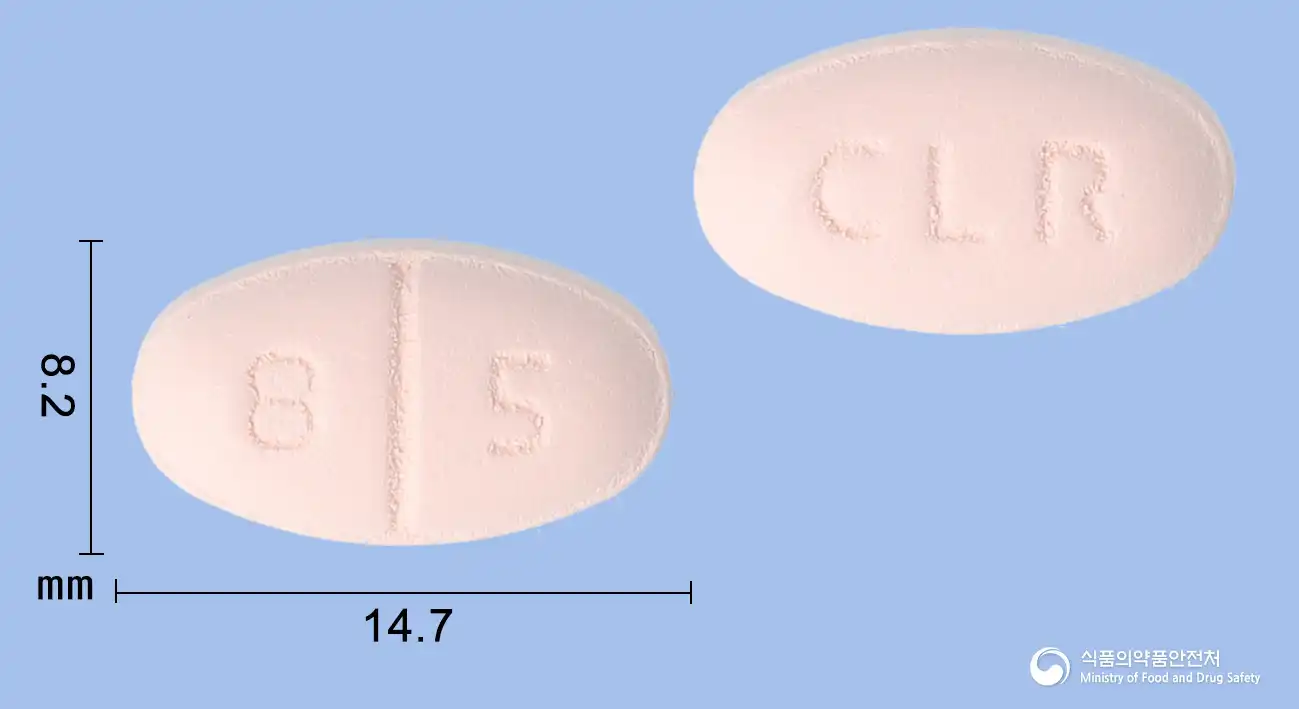 Viewing nowCombination
Idal dipine tablet 80/5 mg (Azilsartan medoxomil potassium, Amlodipine besylate)
Potassium Azilsartan Medoxomil 85.36mg · Amlodipine Besylate 6.945mg
Tablet · Prescription medication · Combination
Celltrion, Inc.
MFDS item code 202502798 · Approved 2025.10.29 · Insurance code 623800410
Treatment of essential hypertension not controlled with monotherapy
This medication is used for essential hypertension where blood pressure is not sufficiently controlled by monotherapy with azilsartan medoxomil or amlodipine.
Adults Take 1 tablet once daily with water, with or without food. It is recommended to take the tablet at the same time each day (e.g., in the morning), if possible. 40/5 mg: For patients whose blood pressure is not adequately controlled with azilsartan medoxomil 40 mg or amlodipine 5 mg monotherapy. 40/10 mg: For patients whose blood pressure is not adequately controlled with azilsartan medoxomil 40 mg or amlodipine 10 mg monotherapy, or with this drug 40/5 mg. 80/5 mg: For patients whose blood pressure is not adequately controlled with azilsartan medoxomil 80 mg monotherapy. 80/10 mg: For patients whose blood pressure is not adequately controlled with azilsartan medoxomil 80 mg or this drug 80/5 mg. Patients taking each of the individual drugs concomitantly may switch to this drug (a combination product containing the same amount of each active ingredient) for convenience. Elderly patients Dosage adjustment is generally not necessary; however, for patients 75 years of age or older, an initial dose of azilsartan medoxomil 20 mg should be considered, so starting treatment with this drug is not recommended. Patients with renal impairment Dosage adjustment is not necessary in patients with mild or moderate renal impairment. Patients with hepatic impairment For patients with mild to moderate hepatic impairment, an initial dose of azilsartan medoxomil 20 mg should be considered, so starting treatment with this drug is not recommended. Patients with intravascular volume depletion For patients who are salt-depleted or may have reduced effective circulating volume (e.g., those with vomiting or diarrhea, or those receiving high doses of diuretics), an initial dose of azilsartan medoxomil 20mg should be considered, so starting treatment with this drug is not recommended.
The safety and efficacy of this drug have not been established in children and adolescents under 18 years of age.
This medication may cause serious harm to the fetus and newborn if taken during pregnancy, particularly in the second and third trimesters, so it should be discontinued immediately upon confirmation of pregnancy. People with allergies to this medication or its components, pregnant or nursing women, and patients with certain severe kidney diseases or severely impaired liver function should not take this medication. Patients with compromised heart or kidney function, very low blood pressure, hyperkalemia, or those at risk of elevated potassium levels, and patients with certain cardiac valve diseases require special caution when using this medication. During treatment, side effects such as dizziness, headache, hypotension, fatigue, and peripheral edema may occur; if any unusual symptoms arise, consult a healthcare professional. This medication may interact with other drugs, so it is crucial to inform your doctor or pharmacist if you are taking lithium, non-steroidal anti-inflammatory drugs, potassium-sparing diuretics, certain antibiotics, or heart medications. It is advisable that pregnant and nursing women do not take this medication, and those planning a pregnancy should consult a healthcare provider for safe alternative treatments. Safety and efficacy in children and adolescents have not been established, so its use is not recommended for them. Elderly patients are at higher risk of hypotension, so treatment should begin with a low dose and be monitored closely. Overdose may result in hypotension, dizziness, and in severe cases, shock; immediate medical attention is necessary as self-treatment could be dangerous. This medication should be stored away from light and moisture, out of the reach of children, and it is safest to keep it in the original packaging.
Hyperkalemia, dizziness, headache, hypotension, glomerulonephritis, weakness, peripheral edema, peripheral swelling, diarrhea, nausea, rash, pruritus, angioedema, muscle spasms, fatigue, increased blood creatine phosphokinase levels, increased blood creatinine, increased blood uric acid, nasopharyngitis, chest discomfort, constipation, vomiting, bad breath, weakness, dyspnea, dyslipidemia, hypercholesterolemia, gout, arthralgia, myalgia, musculoskeletal stiffness, increased aspartate aminotransferase, urinary tract infection, upper respiratory tract infection, acute kidney injury, diabetic nephropathy, dermatitis, urticaria, hair loss, subdural hematoma, irregular menstruation, worsening hypertension, chest pain, palpitations, flushing, fatigue, edema, palpitations, dizziness, drowsiness, abdominal pain, nausea, weakness, lethargy, pain, weight gain, weight loss, vasculitis, anxiety, sensory impairment, paresthesia, peripheral neuropathy, syncope, taste disturbance, tremor, extrapyramidal disorder, erectile dysfunction, gynecomastia, changes in bowel habits, dry mouth, dyspepsia, gastritis, gingival hypertrophy, pancreatitis, heaviness, warmth, impaired glucose tolerance, weakness, hypotension, atrioventricular block, bundle branch block, abdominal discomfort, diarrhea, loose stools, constipation, skin flushing, maculopapular rash, heaviness, warmth, impaired glucose tolerance, weakness, angina, acute myocardial infarction, rapid drop in blood pressure, shock, syncope, transient loss of consciousness, renal function decline, non-cardiogenic pulmonary edema
Not everyone experiences these, and they can vary from person to person.
This medication should be stored in a tightly closed container to protect it from air and moisture, and the storage temperature should be maintained at room temperature between 1 and 30 degrees Celsius. Storing it this way will help maintain its effectiveness and safety.
Pale red oval film-coated tablet
30 tablets / PTP [(15 tablets * 2 ea)]
Even with the same ingredient, strength, dosage form and how it is taken can differ.
Viewing nowCombinationPotassium Azilsartan Medoxomil 85.36mg · Amlodipine Besylate 6.945mg
Tablet · Prescription medication · Combination
Celltrion, Inc.
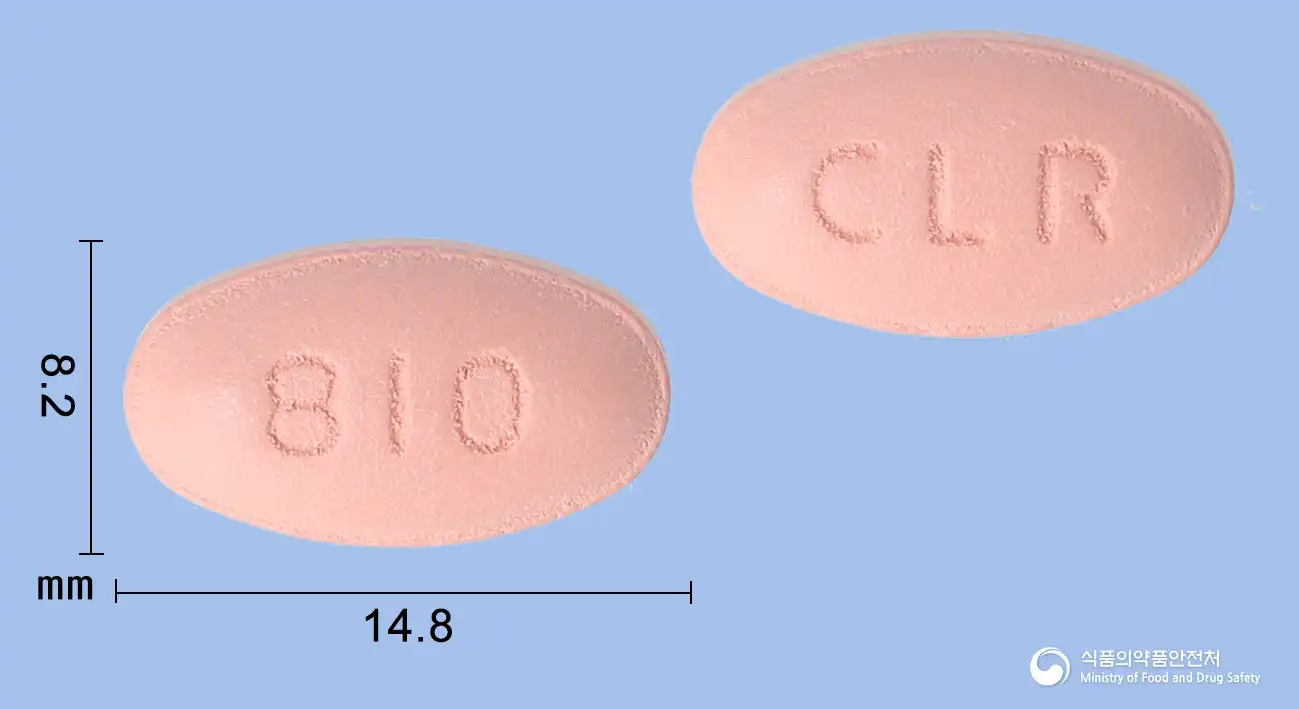 Combination
Potassium Azilsartan Medoxomil 85.36mg · Amlodipine Besylate 13.889mg
Tablet · Prescription medication · Combination
Celltrion, Inc.
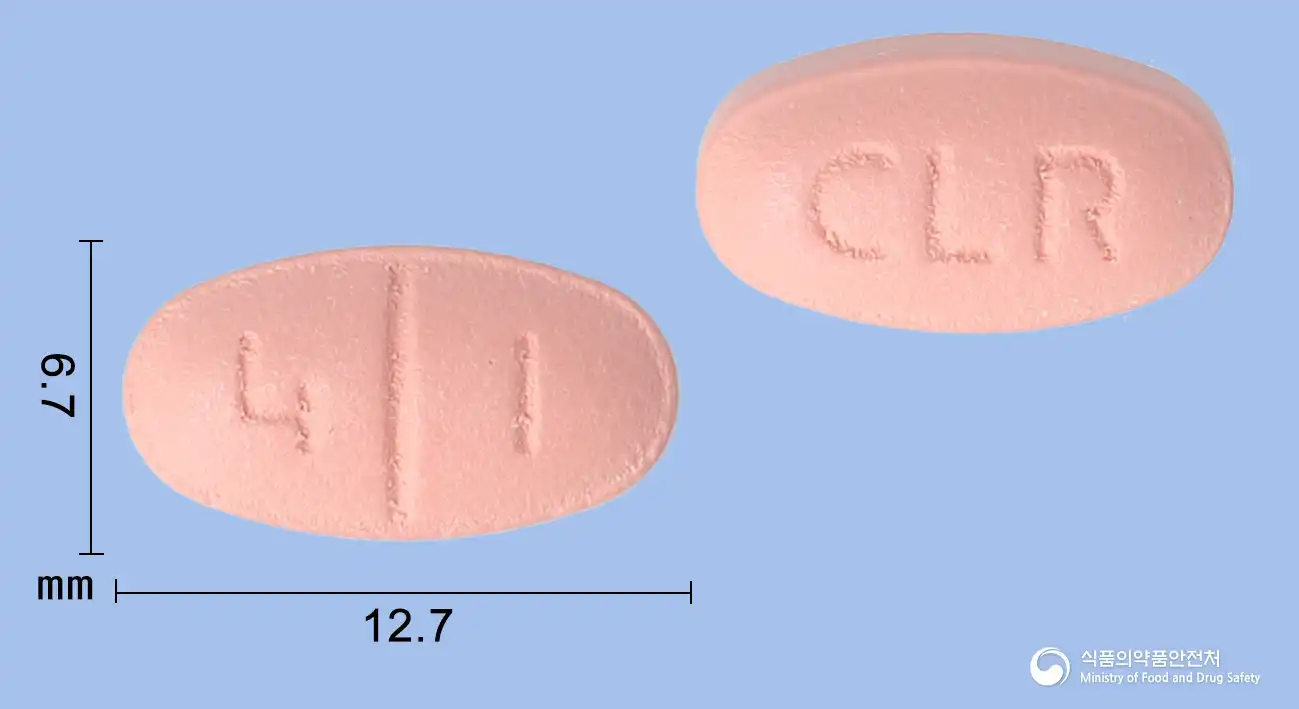 Combination
Potassium Azilsartan Medoxomil 42.68mg · Amlodipine Besylate 13.889mg
Tablet · Prescription medication · Combination
Celltrion, Inc.
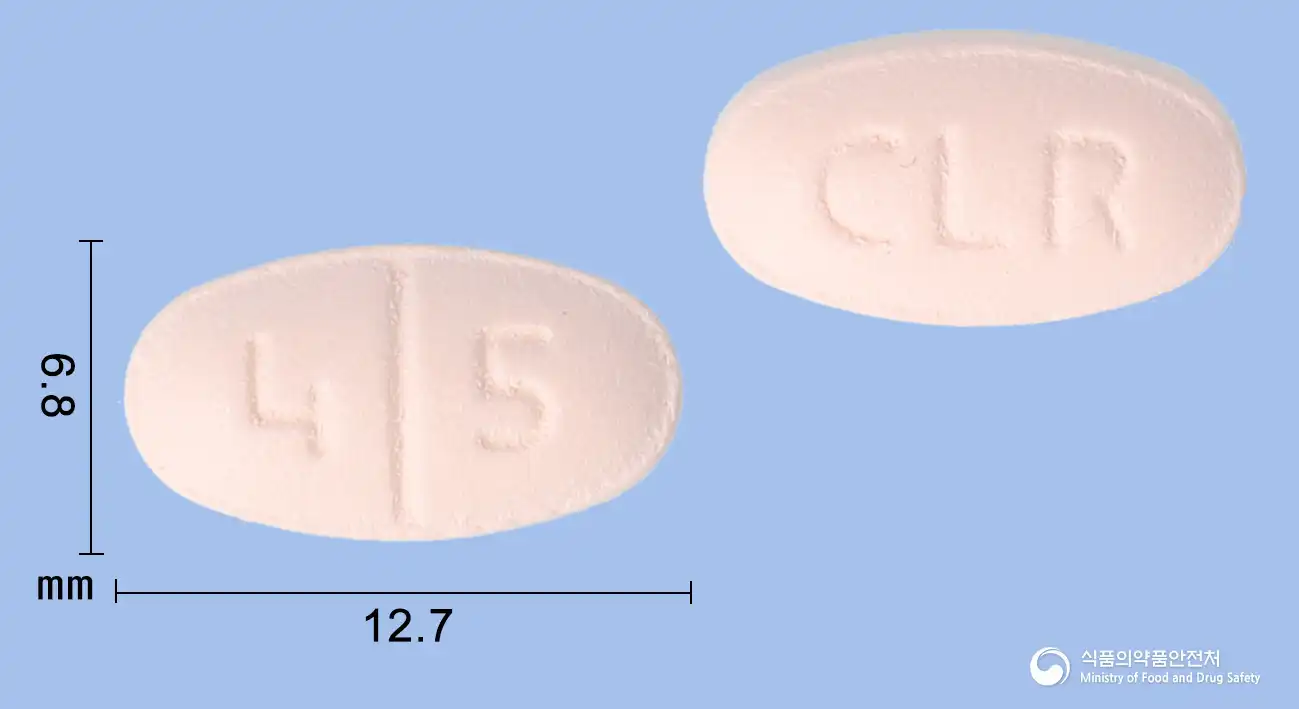 Combination
Potassium Azilsartan Medoxomil 42.68mg · Amlodipine Besylate 6.945mg
Tablet · Prescription medication · Combination
(Co., Ltd. ) Celltrion
Even with the same ingredient, the dose and directions can differ by strength and dosage form. Talk to a doctor or pharmacist before switching from a medication you are already taking.
No questions yet.
For anything that needs medical judgment, consult a doctor or pharmacist.
This drug information is based on data provided by the Korea Ministry of Food and Drug Safety.
Consult a doctor or pharmacist for accurate dosage, administration, and usage instructions.