
 한국어
한국어 English
 日本語
日本語 中文(简体)
Dosage form image
Viewing nowCombinationLinaglipton Empagliflozin 10/5 Milligrams (Empagliflozin, Linagliptin)
Empagliflozin 10mg · Linagliptin Micronized 5mg
Tablet · Prescription medication · Combination
Cheil Pharmaceutical Co., Ltd.
MFDS item code 202502793 · Approved 2025.10.29
Improvement of blood sugar control in type 2 diabetes
This medication is used in conjunction with dietary therapy and exercise therapy to help control blood sugar in patients with type 2 diabetes. Empagliflozin and linagliptin work together to effectively lower blood sugar and improve blood sugar control. This supports diabetes management in patients and enhances treatment effects.
The recommended starting dose of this medication is 10 mg of empagliflozin and 5 mg of linagliptin once daily. If additional blood sugar control is needed and tolerability to 10 mg/5 mg of empagliflozin and linagliptin is established, the dose may be increased to 25/5 mg once daily. This medication can be taken regardless of meals. The tablet should be swallowed whole. If a dosage is missed, it should be taken as soon as it is remembered.
This medication consists of the ingredients empagliflozin and linagliptin, and is primarily used for the treatment of type 2 diabetes. This medication should not be used in patients allergic to empagliflozin or linagliptin, patients with type 1 diabetes, patients with diabetic ketoacidosis, and patients currently undergoing kidney dialysis. In patients with impaired kidney function, the effectiveness of this medication may be decreased, hence kidney function should be regularly monitored and administered with caution. Patients with heart failure or a history of pancreatitis also need to be cautious while taking this medication, and if severe abdominal pain, a symptom of pancreatitis, occurs, the medication should be stopped immediately. This medication may cause side effects such as urinary tract infections, genital infections, hypoglycemia, dehydration, and hypotension, thus symptoms should be discussed with a healthcare professional. Particularly, the risk of hypoglycemia may increase if taken in conjunction with insulin or sulfonylureas, hence caution is required. Elderly patients (75 years or older) should be more careful when administering this medication due to a greater risk of fluid loss and hypotension. It is recommended that pregnant or breastfeeding women do not take this medication and consult healthcare professionals if necessary. The safety and efficacy of this medication have not been established in children under 18 years of age, and it is advisable not to use it in this population. In case of overdose, one should immediately visit a hospital for appropriate treatment, and measures such as removing the drug from the gastrointestinal tract may be necessary depending on the clinical condition. During the course of this medication, caution is advised when driving or operating machinery due to the risk of hypoglycemia. Additionally, patients taking this medication should regularly consult with healthcare professionals and monitor blood sugar, kidney function, and for any adverse reactions.
Hives, angioedema, ketoacidosis, pancreatitis, bullous pemphigoid, Fournier's gangrene, severe swelling, chest tightness, difficulty breathing, cold sweat, pallor, severe rash with fever, blisters, skin peeling, pain in oral/ocular mucosa, shortness of breath or difficulty breathing, asthma attacks, breathing difficulties accompanied by cough and fever, yellowing of the skin or eyes (jaundice), profound lethargy, sudden and severe headache
Not everyone experiences these, and they can vary from person to person.
This medication may be sensitive to air or moisture, so it should be stored in a tightly closed container. Additionally, it should be kept in a place away from extremes of temperature, ideally between 1 and 30 degrees Celsius at room temperature.
Yellow round film-coated tablet
30 tablets/bottle
Even with the same ingredient, strength, dosage form and how it is taken can differ.
Empagliflozin 10mg · Linagliptin Micronized 5mg
Tablet · Prescription medication · Combination
Cheil Pharmaceutical Co., Ltd.
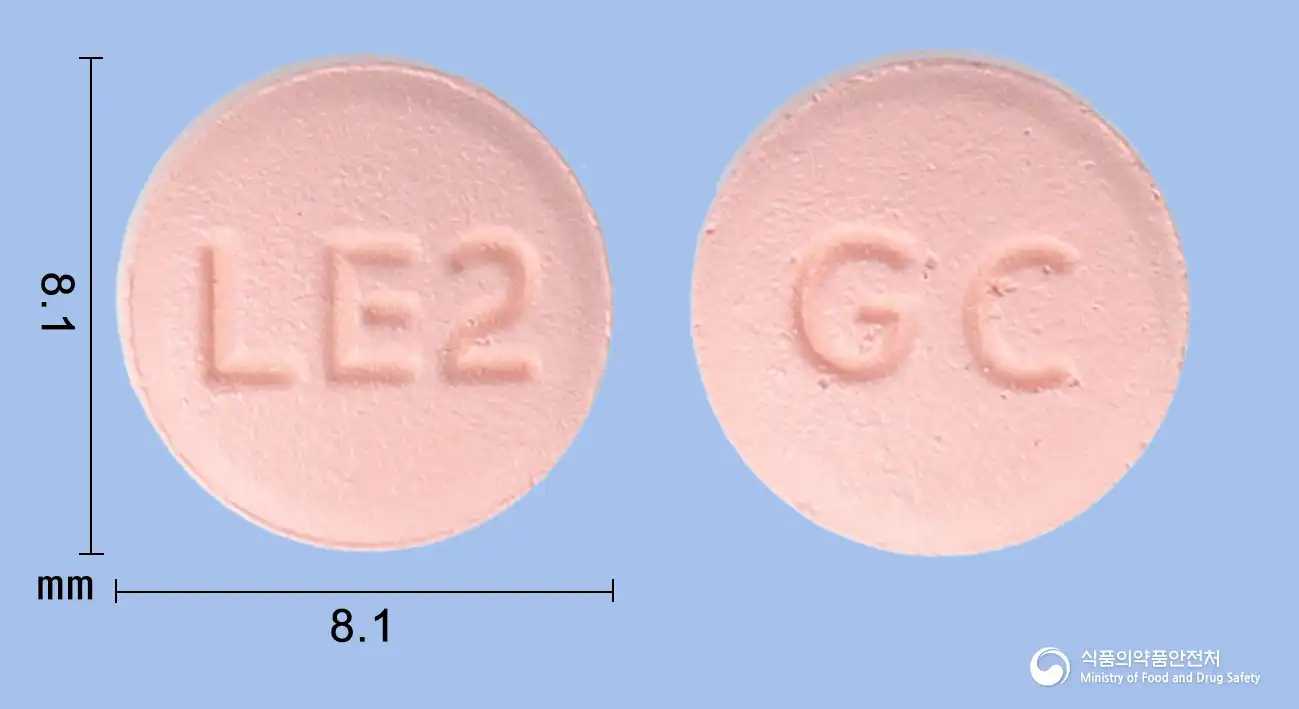 Combination
Linagliptin Micronized 5mg · Empagliflozin 25mg
Tablet · Prescription medication · Combination
(Co., Ltd.) Green Cross
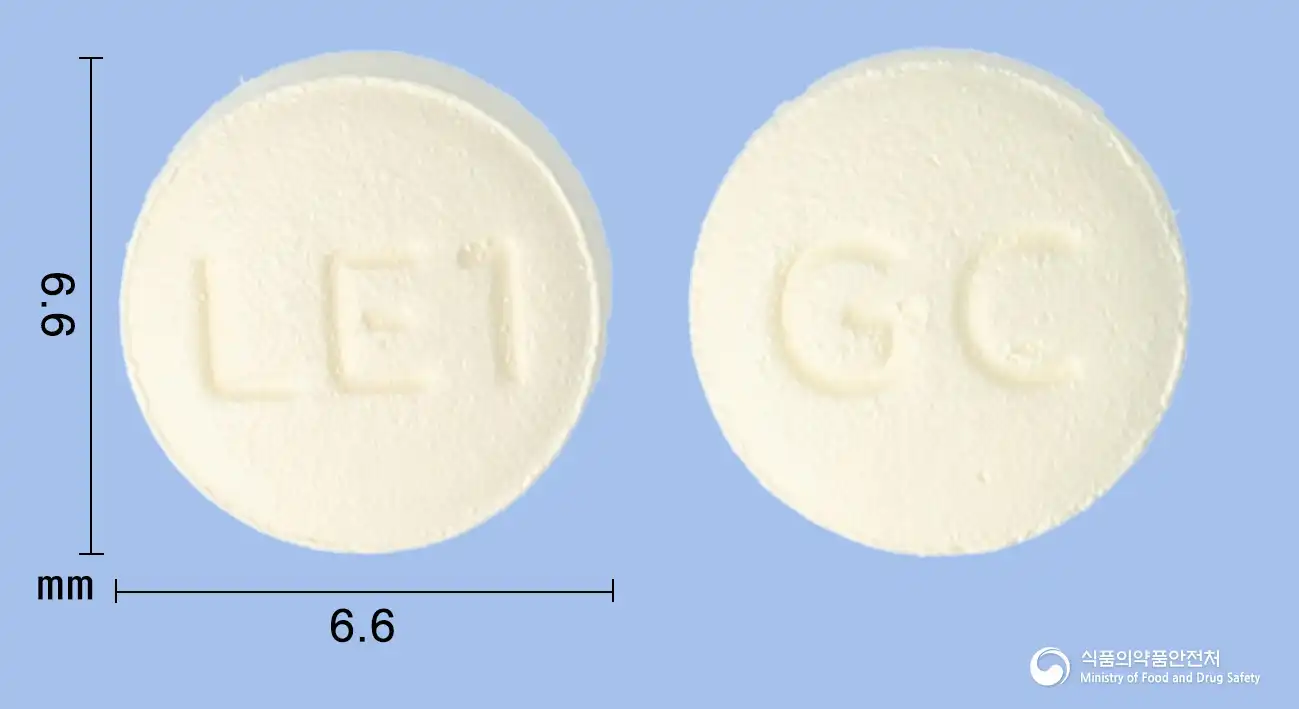 Combination
Linagliptin Micronized 5mg · Empagliflozin 10mg
Tablet · Prescription medication · Combination
Green Cross Corporation
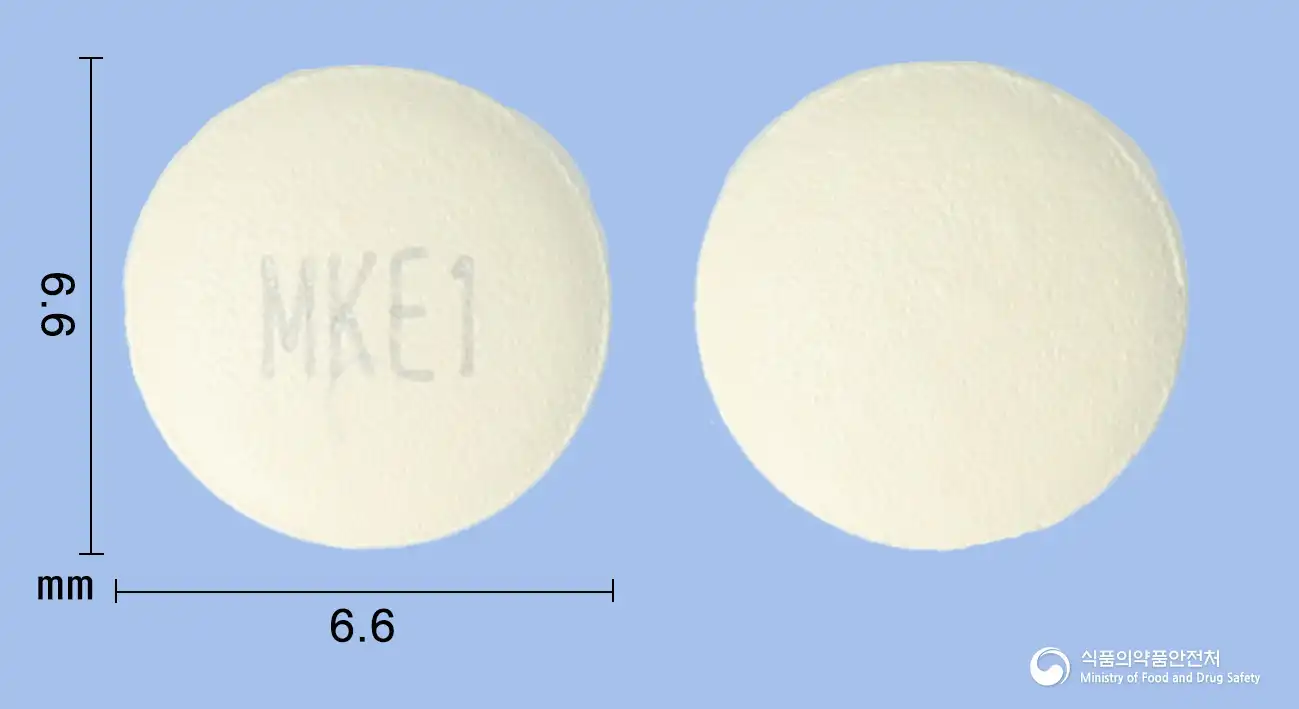 Combination
Empagliflozin 10mg · Linagliptin Micronized 5mg
Tablet · Prescription medication · Combination
Medica Korea Co., Ltd.
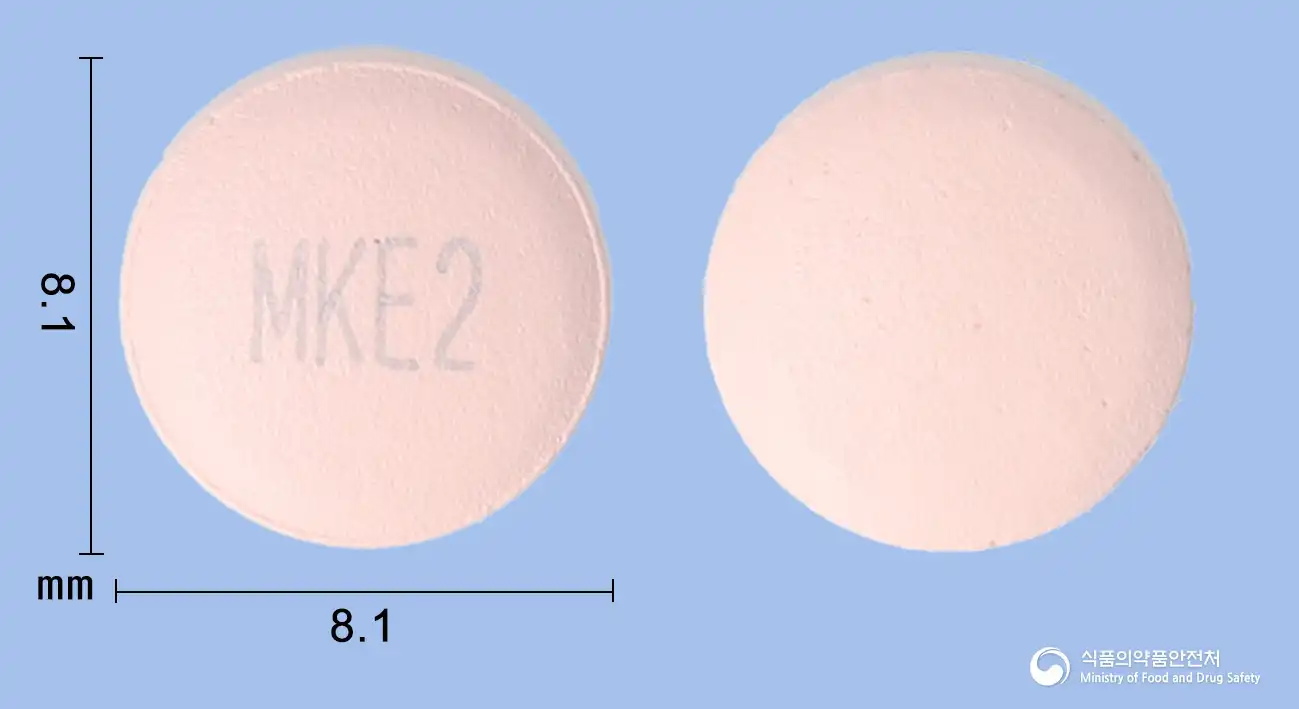 Combination
Empagliflozin 25mg · Linagliptin Micronized 5mg
Tablet · Prescription medication · Combination
Medica Korea Co., Ltd.
Empagliflozin 25mg · Linagliptin Micronized 5mg
Tablet · Prescription medication · Combination
Jeil Pharmaceutical Co., Ltd.
Even with the same ingredient, the dose and directions can differ by strength and dosage form. Talk to a doctor or pharmacist before switching from a medication you are already taking.
No questions yet.
For anything that needs medical judgment, consult a doctor or pharmacist.
This drug information is based on data provided by the Korea Ministry of Food and Drug Safety.
Consult a doctor or pharmacist for accurate dosage, administration, and usage instructions.