Medication info
Rodienset Tablet 40/2.5/12.5 mg (Telmisartan, Esaxerenone, Chlorthalidone)

Rodienset Tablet 40/2.5/12.5 mg (Telmisartan, Esaxerenone, Chlorthalidone)

Prescription medicationOral
Ingredient · strength
Telmisartan›40mg / 1 tabletS-Amlodipine Nicotinate›3.253mg / 1 tabletChlorthalidone›12.5mg / 1 tablet
Manufacturer / importer
Hankook Pharmaceutical Co., Ltd.
Appearance
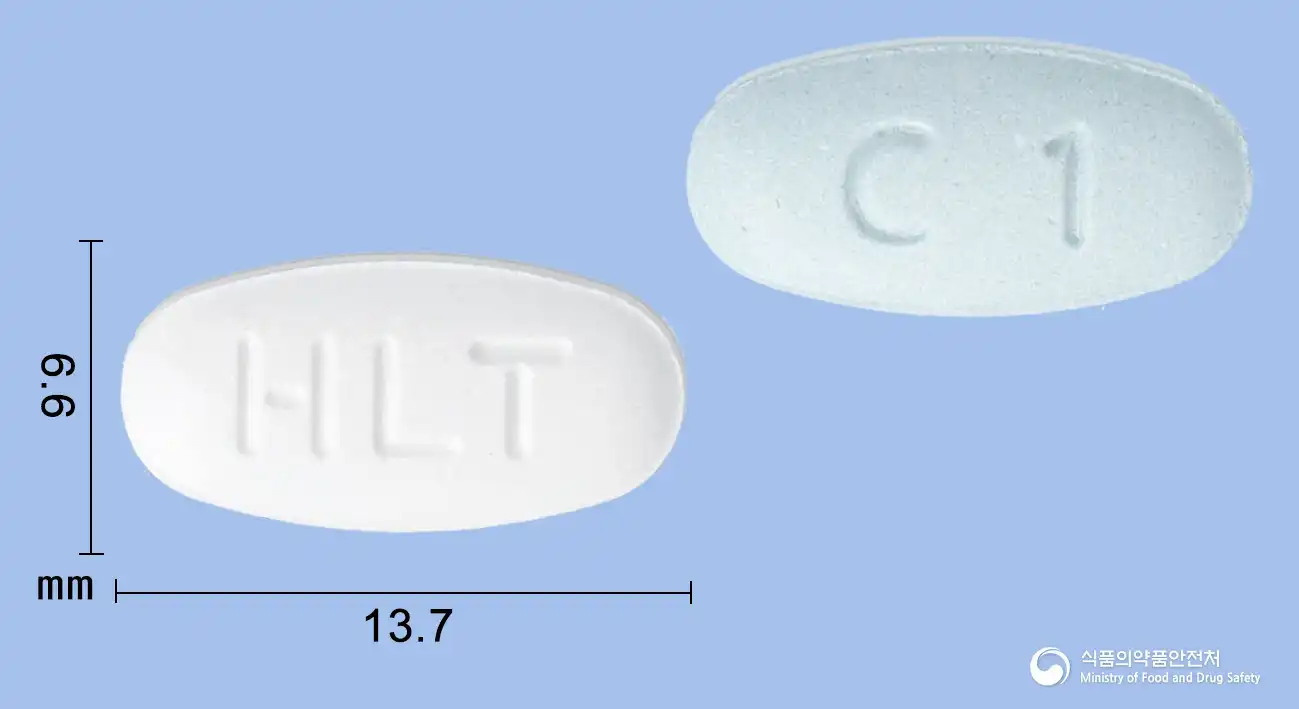
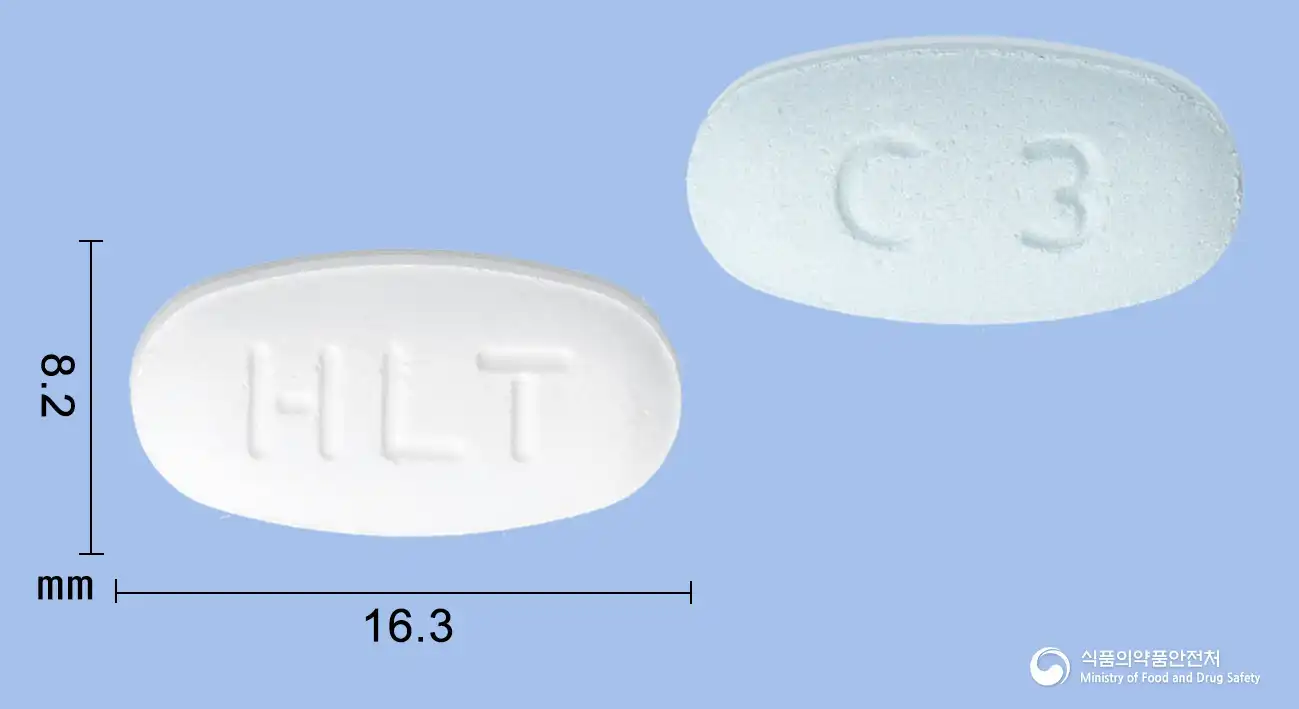
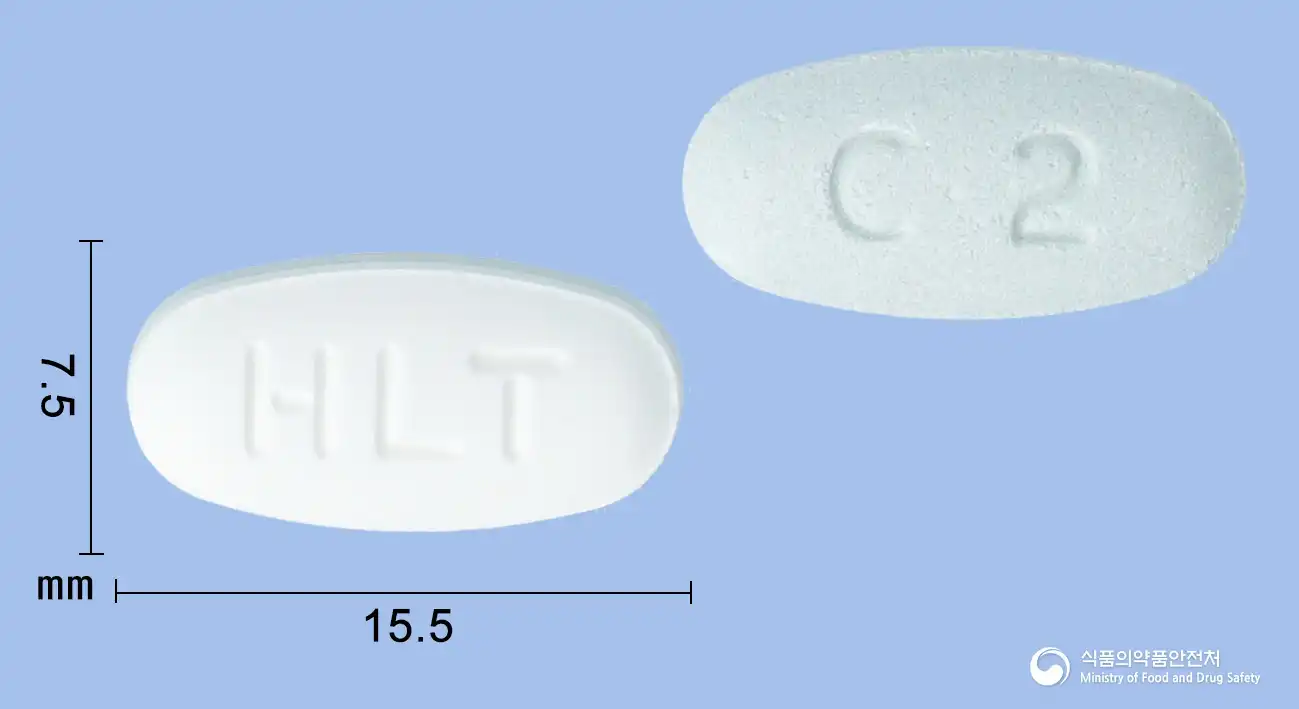
An oval-shaped, three-layer tablet with a light blue lower layer and white to light yellow upper and middle layers.
Packaging
30 tablets/bottle
Approval status
Active

MFDS item code 202502785 · Approved 2025.10.28 · Insurance code 645307320

Summary

Main use
Treatment of essential hypertension not controlled with combination therapy
Who takes it
Adults
Adult dose
Take 1 tablet once daily with water, with or without food. If possible, it is recommended to take it at the same time each day (e.g., in the morning). Before starting this medicine, it is recommended to adjust the dose using the individual components (telmisartan and S-amlodipine [amlodipine]) as monotherapy or combination therapy. This medicine 40/2.5/12.5 milligrams may be given to patients whose blood pressure is not controlled with telmisartan/S-amlodipine (amlodipine) combination therapy. Adjust the dose at intervals of 2 weeks or more, taking the patient’s blood pressure response into consideration. The maximum dose of this medicine is 80/2.5/25 milligrams. For patients taking telmisartan/S-amlodipine (amlodipine) combination therapy with chlorthalidone as a single agent, they may switch to this medicine (a combination product containing the same amounts of each active ingredient) for convenience.

Ingredients

Manufacturer
Hankook Pharmaceutical Co., Ltd.

Efficacy & effects

Treatment of essential hypertension not controlled with combination therapy

  • Essential hypertension
View approved original text

The combination therapy of telmisartan and esaxerenone (amlodipine) is used in patients with essential hypertension for whom blood pressure control is difficult with a single-drug treatment. This combination works together to dilate blood vessels and effectively lower blood pressure, aiding in the management of hypertension. This helps reduce the risk of cardiovascular disease and maintain a healthy blood pressure state.

How to take

Adult dose

Take 1 tablet once daily with water, with or without food. If possible, it is recommended to take it at the same time each day (e.g., in the morning). Before starting this medicine, it is recommended to adjust the dose using the individual components (telmisartan and S-amlodipine [amlodipine]) as monotherapy or combination therapy. This medicine 40/2.5/12.5 milligrams may be given to patients whose blood pressure is not controlled with telmisartan/S-amlodipine (amlodipine) combination therapy. Adjust the dose at intervals of 2 weeks or more, taking the patient’s blood pressure response into consideration. The maximum dose of this medicine is 80/2.5/25 milligrams. For patients taking telmisartan/S-amlodipine (amlodipine) combination therapy with chlorthalidone as a single agent, they may switch to this medicine (a combination product containing the same amounts of each active ingredient) for convenience.

Precautions

This medication should not be taken during pregnancy, especially in the second and third trimesters, as it can cause serious harm to the fetus. Patients with impaired liver function should be cautious as this medication can affect the body's fluid and electrolyte balance, potentially leading to hepatic coma. In patients with severely impaired kidney function, this medication may worsen kidney function, so it should be avoided. Patients with allergic reactions or hypersensitivity to any components contained in this medication should not take it. Women who are pregnant or may become pregnant, and breastfeeding women should also avoid taking this medication. Administration is prohibited in patients with specific conditions such as biliary obstruction, severe liver dysfunction, severe aortic stenosis, and in a state of shock. This medication lowers blood pressure, so it should be used cautiously in patients with hypotension and severe renal failure, and elderly patients should start at a low dose and be monitored. During administration, side effects such as dizziness, headache, hypotension, and electrolyte imbalance may occur, and if any abnormal symptoms arise, medical consultation should be sought immediately. There may be interactions with other drugs, so it is important to inform your physician about any medications you are currently taking, especially those involving lithium, digoxin, some diuretics, and non-steroidal anti-inflammatory drugs. This medication may cause drowsiness or dizziness when driving or operating machinery, so caution is advised. In case of overdose, symptoms such as hypotension, cardiac arrhythmias, and worsening of kidney function may occur, so seek appropriate treatment immediately from a medical institution. This medication should be stored in a cool, dry place away from direct sunlight and out of reach of children.

Side effects

  • Dizziness
  • dyslipidemia
  • low back pain
  • rash
  • orthostatic dizziness
  • headache
  • sensory impairment
  • abdominal pain
  • rectal bleeding
  • nausea
Show 201 more
  • hemorrhagic gastritis
  • retinal hemorrhage
  • visual disturbances
  • chest discomfort
  • chest pain
  • weakness
  • hypokalemia
  • hyponatremia
  • gingivitis
  • gastrointestinal submucosal tumors
  • insomnia
  • dyspnea
  • hypotension
  • foreign body sensation
  • musculoskeletal stiffness
  • peripheral edema
  • orthostatic hypotension
  • low back pain
  • headache
  • headache
  • asthenia
  • weakness
  • edema
  • facial edema
  • lower limb edema
  • angioedema
  • pruritus
  • hypersensitivity reaction
  • increased sweating
  • erythema
  • chest pain
  • atrial fibrillation
  • congestive heart failure
  • myocardial infarction
  • increased blood pressure
  • hypertension exacerbation
  • hypotension
  • syncope
  • dyspepsia
  • diarrhea
  • pain
  • urinary tract infection
  • erectile dysfunction
  • low back pain
  • abdominal pain
  • muscle cramps
  • myalgia
  • bradycardia
  • eosinophilia
  • thrombocytopenia
  • increased uric acid
  • abnormal liver function
  • liver disease
  • rhabdomyolysis
  • angioedema
  • headache
  • edema
  • dizziness
  • flushing
  • palpitations
  • fatigue
  • nausea
  • drowsiness
  • arrhythmia
  • bradycardia
  • chest pain
  • peripheral ischemia
  • syncope
  • postural hypotension
  • vasculitis
  • peripheral neuropathy
  • sensory disturbances
  • tremors
  • vertigo
  • loss of appetite
  • constipation
  • dyspepsia
  • dysphagia
  • diarrhea
  • flatulence
  • pancreatitis
  • vomiting
  • gingival hyperplasia
  • allergic reactions
  • low back pain
  • burning sensation
  • lethargy
  • pain
  • stiffness
  • weight gain
  • weight loss
  • arthralgia
  • arthritis
  • muscle cramps
  • myalgia
  • sexual dysfunction
  • insomnia
  • neuroticism
  • depression
  • abnormal dreams
  • anxiety
  • depersonalization
  • dyspnea
  • epistaxis
  • angioedema
  • erythema multiforme
  • pruritus
  • rash
  • erythematous rash
  • papular rash
  • visual disturbances
  • conjunctivitis
  • diplopia
  • ocular pain
  • tinnitus
  • ear pain
  • frequent urination
  • urinary disorders
  • nocturia
  • dry mouth
  • increased sweating
  • hyperglycemia
  • thirst
  • leukopenia
  • purpura
  • thrombocytopenia
  • gynecomastia
  • jaundice
  • elevated liver enzyme levels
  • leukopenia
  • confusion
  • exfoliative dermatitis
  • Stevens-Johnson syndrome
  • photosensitivity reaction
  • toxic epidermal necrolysis
  • aplastic anemia
  • necrotizing vasculitis
  • pulmonary edema
  • pancreatitis
  • agranulocytosis
  • acute renal failure
  • urticaria
  • skin flushing
  • photoallergic reaction
  • intrahepatic cholestasis
  • jaundice
  • orthostatic hypotension
  • deep vein thrombosis
  • palpitations
  • sensory disturbances
  • depression
  • feeling of heaviness
  • loss of appetite
  • mild gastrointestinal discomfort
  • nausea
  • vomiting
  • gastric pain
  • constipation
  • diarrhea
  • thrombocytopenia
  • leukopenia
  • agranulocytosis
  • eosinophilia
  • purpura
  • visual disturbances
  • xanthopsia
  • erectile dysfunction
  • specific pulmonary edema
  • allergic enterocolitis
  • lethargy
  • weakness
  • hypotension
  • tachycardia
  • bradycardia
  • acute renal failure
  • hypovolemic shock
  • altered consciousness
  • coma
  • muscle elasticity
  • muscle cramps
  • sensory disturbances
  • fatigue
  • somnolence
  • confusion
  • dizziness
  • thirst
  • nausea
  • vomiting
  • polyuria
  • oliguria
  • anuria
  • venous thrombosis
  • drowsiness
  • hypovolemia
  • arrhythmia
  • hyponatremia
  • hypokalemia
  • hypochloremia
  • increased BUN
  • hyperuricemia
  • hypercalcemia

Not everyone experiences these, and they can vary from person to person.

Storage

This medication should be stored in a tightly sealed container to protect it from air and moisture. Ideally, it should be kept at room temperature between 1 and 30 degrees Celsius.

Appearance and packaging

Appearance

An oval-shaped, three-layer tablet with a light blue lower layer and white to light yellow upper and middle layers.

Package unit

30 tablets/bottle

Same-ingredient medicines

Even with the same ingredient, strength, dosage form and how it is taken can differ.

Even with the same ingredient, the dose and directions can differ by strength and dosage form. Talk to a doctor or pharmacist before switching from a medication you are already taking.

Questions about this medicine

No questions yet.

For anything that needs medical judgment, consult a doctor or pharmacist.

Related searches

Search tags

Suggested searches

This drug information is based on data provided by the Korea Ministry of Food and Drug Safety.
Consult a doctor or pharmacist for accurate dosage, administration, and usage instructions.