
 한국어
 English
 日本語
 中文(简体)
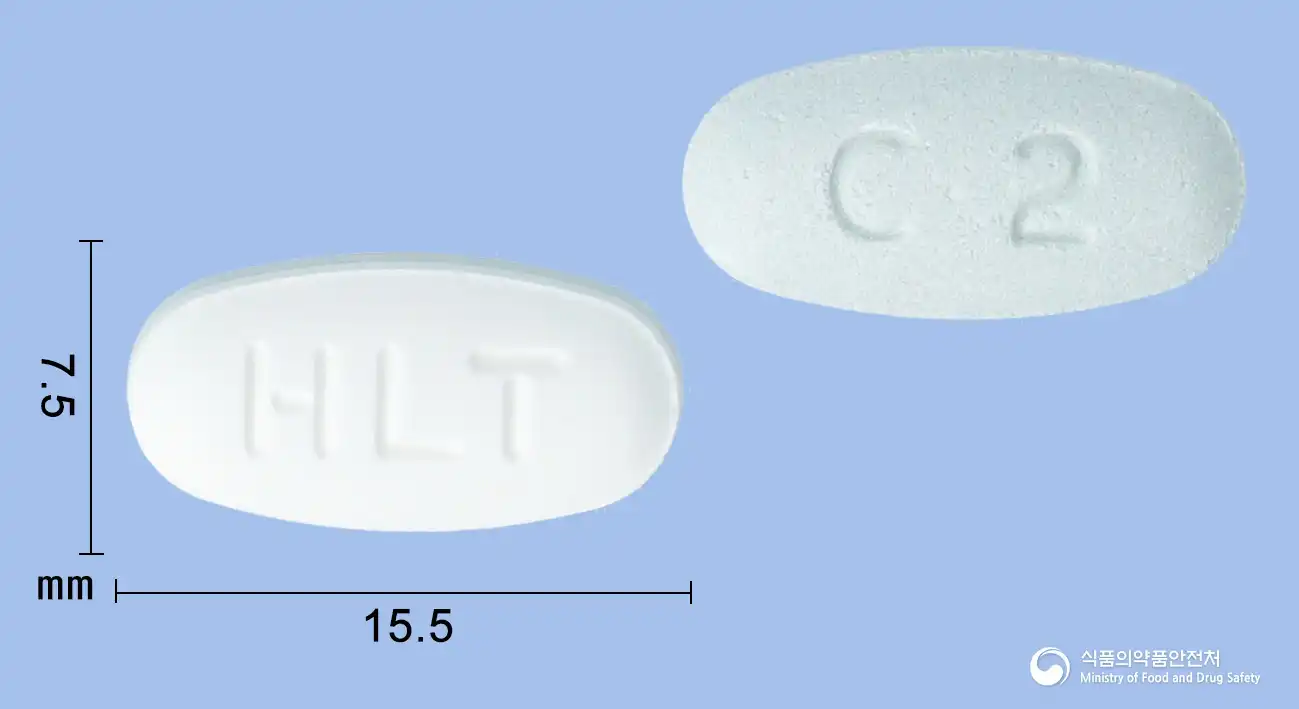 Viewing nowCombination
Rodientset Tablet 80/2.5/12.5 mg (Telmisartan, Esamlodipine Nicotinate, Chlorthalidone)
Telmisartan 80mg · S-Amlodipine Nicotinate 3.253mg +1 more
Prescription medication · Combination
Hanlim Pharmaceutical Co., Ltd.
MFDS item code 202502784 · Approved 2025.10.28 · Insurance code 645307310
Treatment of essential hypertension not controlled with telmisartan and S-amlodipine combination therapy
This medication is used for essential hypertension, specifically for patients whose blood pressure is not adequately controlled, through a combination therapy of telmisartan and esamlodipine. This treatment effectively lowers blood pressure by having the two drugs work together and helps reduce the risk of cardiovascular disease occurrences. Hence, it is effective for improving blood pressure management and supports stable blood pressure control.
Take 1 tablet once daily with water, with or without food. If possible, it is recommended to take it at the same time each day (e.g., in the morning). Before starting this medicine, it is recommended to adjust the dose using the individual components (telmisartan and S-amlodipine [amlodipine]) as monotherapy or combination therapy. This medicine 40/2.5/12.5 milligrams may be given to patients whose blood pressure is not controlled with telmisartan/S-amlodipine (amlodipine) combination therapy. Adjust the dose at intervals of 2 weeks or more, taking the patient’s blood pressure response into consideration. The maximum dose of this medicine is 80/2.5/25 milligrams. For patients taking telmisartan/S-amlodipine (amlodipine) combination therapy with chlorthalidone as a single agent, they may switch to this medicine (a combination product containing the same amounts of each active ingredient) for convenience.
This medication may pose a severe risk to the fetus, particularly during the second and third trimesters, therefore it should not be taken by pregnant women or women who could become pregnant. Patients with impaired liver function or those with progressing liver disease may face serious issues such as hepatic coma while taking this medication, thus caution is advised. Patients with severe renal disease should use this medication carefully as it may worsen kidney function. Individuals with hypersensitivity to any of the components in this medication, those with certain heart diseases, biliary obstruction disease, women in mid to late pregnancy, and nursing mothers should not use this medication. Special caution is required for patients with diabetes or renal impairment, hypotension, electrolyte imbalance, or a history of gout in addition to hypertension or heart problems. This medication can cause various side effects including dizziness, hypotension, edema, headache, gastrointestinal disorders; if symptoms are severe, consultation with a doctor is advised. Blood pressure may drop significantly, so it is necessary to start the dosage gradually under medical supervision when initially taking it or changing the dosage, while closely monitoring your condition. This medication may interact with other antihypertensive drugs, diuretics, cardiac medications, etc., so individuals should inform their healthcare provider about any other medications they are taking. Nursing mothers should not take this medication, and it is recommended to discontinue use during pregnancy and switch to an alternative medication. Elderly patients may experience stronger effects from this medication, so starting with a lower dose and gradually increasing it is safer. In case of overdose, symptoms such as hypotension, dizziness, and abnormal heart functions may appear, and immediate medical attention is essential for proper treatment. This medication should be kept in a cool, dry place, away from direct sunlight, and out of reach of children.
Not everyone experiences these, and they can vary from person to person.
This medication may be sensitive to air or moisture and should be stored in a tightly sealed container. It is advisable to keep the medication at room temperature between 1 and 30 degrees Celsius, ensuring effectiveness and safety.
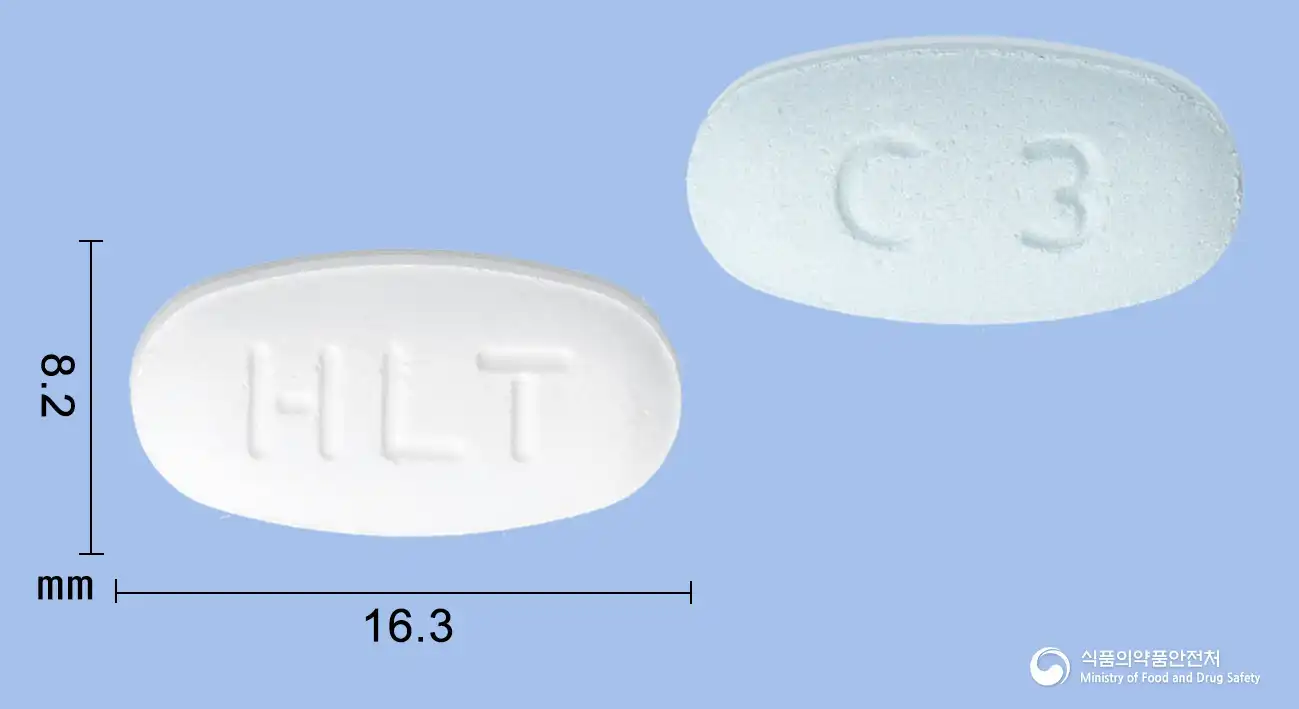
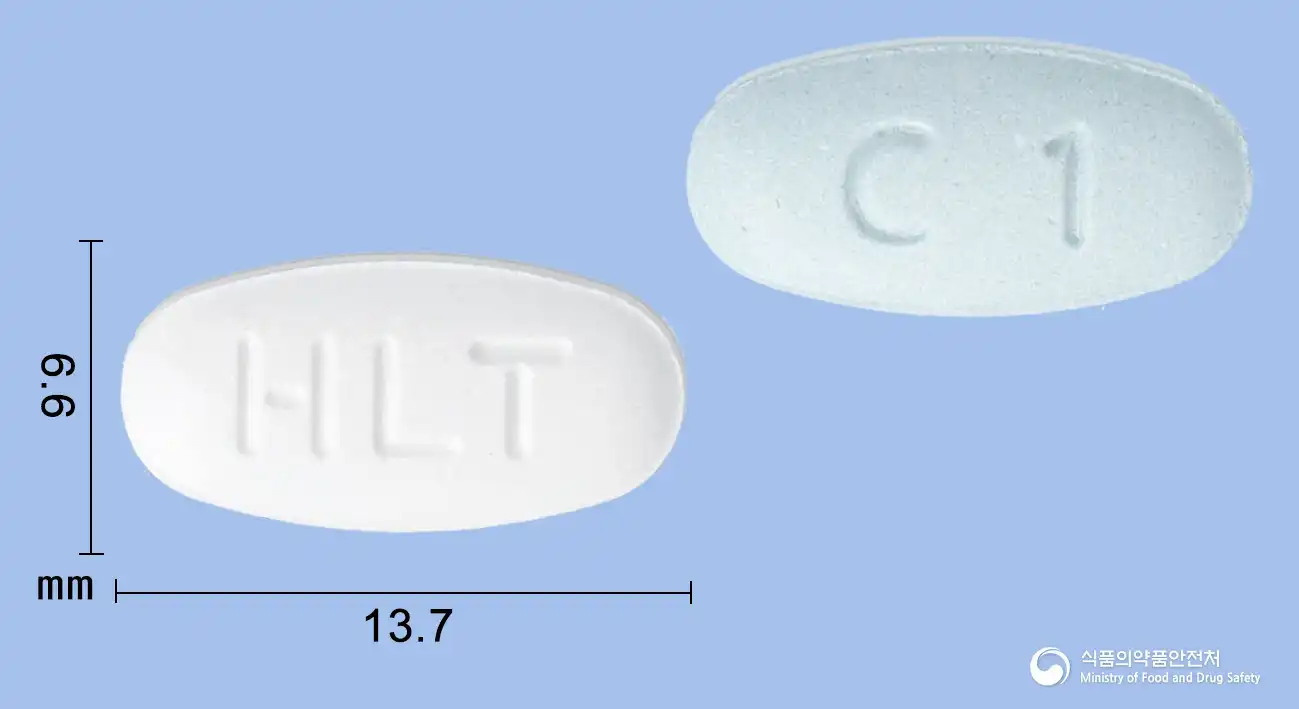
An oval three-layer tablet with the lower layer being light blue and the upper and middle layers being white to light yellow.
30 tablets/bottle
Even with the same ingredient, strength, dosage form and how it is taken can differ.
Viewing nowCombinationTelmisartan 80mg · S-Amlodipine Nicotinate 3.253mg +1 more
Prescription medication · Combination
Hanlim Pharmaceutical Co., Ltd.
 Combination
Telmisartan 80mg · S-Amlodipine Nicotinate 3.253mg +1 more
Prescription medication · Combination
Hanlim Pharmaceutical Co., Ltd.
 Combination
Telmisartan 40mg · S-Amlodipine Nicotinate 3.253mg +1 more
Prescription medication · Combination
Hankook Pharmaceutical Co., Ltd.
Even with the same ingredient, the dose and directions can differ by strength and dosage form. Talk to a doctor or pharmacist before switching from a medication you are already taking.
No questions yet.
For anything that needs medical judgment, consult a doctor or pharmacist.
This drug information is based on data provided by the Korea Ministry of Food and Drug Safety.
Consult a doctor or pharmacist for accurate dosage, administration, and usage instructions.