
 한국어
 English
 日本語
 中文(简体)
 Viewing nowCombination
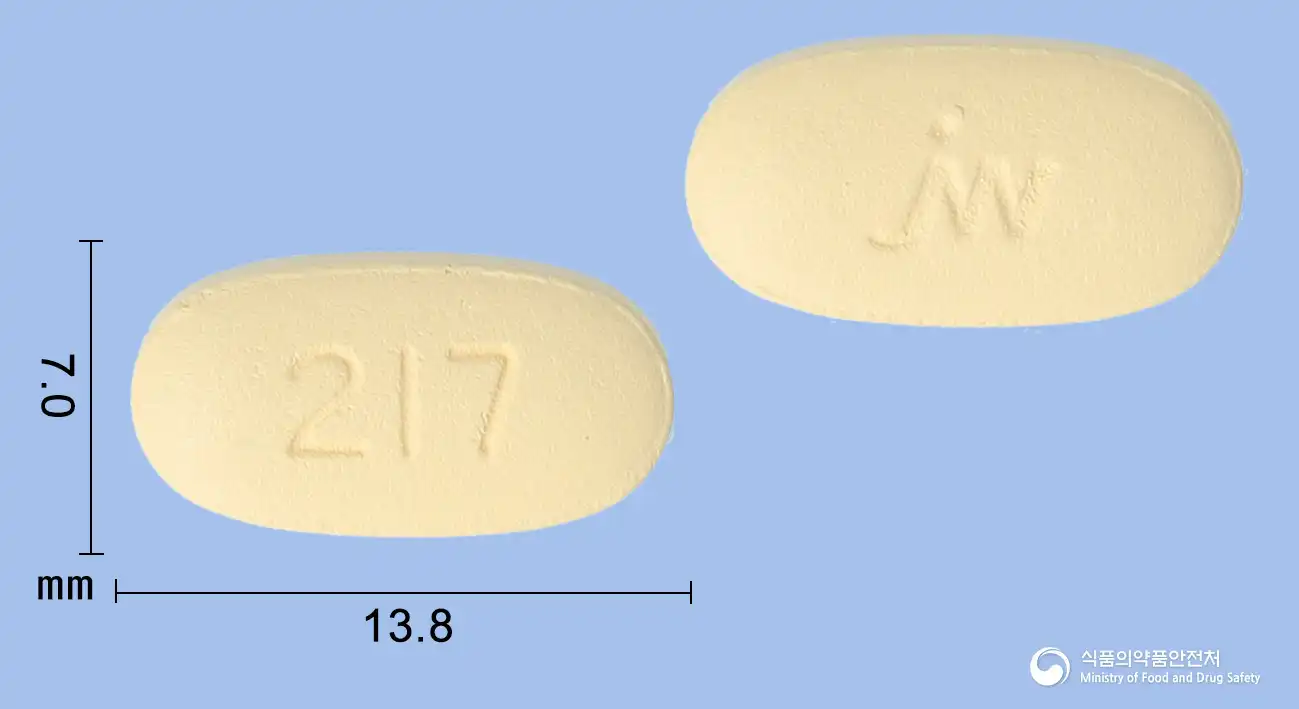
Rivaroxaban Hi Tablets 2/160/5 mg (Pitavastatin Calcium Hydrate, Valsartan, Amlodipine Besilate)
Valsartan 160mg · Amlodipine Besylate 6.94mg +1 more
Tablet · Prescription medication · Combination
JW Pharmaceutical Corp.
MFDS item code 202502594 · Approved 2025.09.30 · Insurance code 644915480
Treatment of dyslipidemia (hypercholesterolemia, etc.) and essential hypertension
This medication is used for patients taking a combination of amlodipine and valsartan who have poorly controlled essential hypertension with monotherapy and need to receive pitavastatin concurrently. Amlodipine and valsartan effectively lower blood pressure and aid in the treatment of essential hypertension. Pitavastatin helps improve blood cholesterol and triglyceride levels in patients with hypercholesterolemia and dyslipidemia, supporting cardiovascular health. This medication is utilized to assist the treatment of hypertension patients with difficult blood pressure control and hyperlipidemia simultaneously.
Take 1 tablet once daily with water. If possible, it is recommended to take it at the same time each day (e.g., before breakfast). This medicine is for adults only. The dose should be individualized for each patient based on the efficacy and tolerability of the amlodipine/valsartan combination and pitavastatin. For patients taking an amlodipine/valsartan combination and pitavastatin as separate products, they may switch to this medicine (a combination product containing the same amounts of each active ingredient) for convenience. Before administering the amlodipine/valsartan combination, it is recommended to adjust the dose using the individual components (amlodipine or valsartan). However, if blood pressure is not controlled with monotherapy using the individual components as follows, switching directly to the amlodipine/valsartan combination may be considered. 5/80 mg: For patients whose blood pressure is not adequately controlled with amlodipine 5 mg or valsartan 80 mg monotherapy. 5/160 mg: For patients whose blood pressure is not adequately controlled with amlodipine 5 mg or valsartan 160 mg monotherapy. 10/160 mg: For patients whose blood pressure is not adequately controlled with amlodipine 10 mg or valsartan 160 mg monotherapy, or with 5/160 mg. Patients with renal impairment: No dose adjustment is necessary for patients with mild or moderate renal impairment (creatinine clearance ≥10mL/min). However, the amlodipine/valsartan combination should not be administered to patients with severe renal impairment (creatinine clearance <10mL/min) or patients receiving dialysis. In patients with moderate renal impairment, monitoring of potassium levels and creatinine is recommended. Patients with hepatic impairment: In patients with mild or moderate hepatic impairment, the daily dose of valsartan should not exceed 80mg. The amlodipine/valsartan combination should not be administered to patients with severe hepatic impairment, biliary cirrhosis, biliary obstruction, or cholestasis. Elderly patients aged 65 years or older: Use caution when increasing the dose. Patients must follow a standard cholesterol-lowering diet before and during treatment with this medicine. The usual initial dose for adults is 1~2 mg of pitavastatin calcium once daily. If the LDL cholesterol-lowering effect is insufficient, the dose may be increased to a maximum of 4 mg daily. Depending on LDL cholesterol levels, treatment goals, and patient response, the dose may be adjusted at intervals of 4 weeks or longer as appropriate. The therapeutic effect of this medicine is maintained with continued administration.
This medication can cause severe harm or death to the fetus and neonate if administered to pregnant women in the second and third trimesters, so use must be discontinued if pregnant or potentially pregnant. Do not use in patients with allergies to any component of this medication, those with specific liver or kidney diseases, pregnant or nursing women, and those genetically unable to digest lactose. Caution must be exercised when administering this medication to patients with low sodium or body fluid levels, hyperkalemia, renal artery stenosis, heart failure, or those recovering from myocardial infarction; careful pre-assessment and attentive monitoring during treatment are essential. Various side effects such as myalgia, liver dysfunction, blood abnormalities, and allergic reactions may occur, so immediate consultation with a physician is required if any unusual symptoms arise. Caution is needed during driving or operating machinery as dizziness or fatigue may occur. Interactions may occur when using with other drugs, so it is essential to inform healthcare providers of any other medications being taken. This medication is not recommended for use during pregnancy or breastfeeding, and women planning to become pregnant should consult prior to using this medication. Safety and efficacy have not been established for children under 18 years of age, so it should not be used in these patients. When administered to the elderly, dosage adjustments may be necessary, and careful observation for side effects is advised. In case of overdose, there is a risk of severe hypotension and shock, requiring immediate emergency treatment. This medication should be kept out of reach of children and stored in its original container to maintain quality.
COVID-19, nasopharyngitis, systemic edema, peripheral edema, increased creatine phosphokinase in the blood, headache, itching, sudden deafness, intestinal stenosis, diplopia, thrombocytopenia, leukopenia, allergic reaction, hyperglycemia, insomnia, mood changes, tremor, sensory loss, taste disturbance, peripheral neuropathy, muscle hypertonia, arrhythmia, bradycardia, atrial fibrillation, ventricular tachycardia, myocardial infarction, vasculitis, respiratory distress, rhinitis, vomiting, dyspepsia, pancreatitis, gastritis, gingival hyperplasia, hepatitis, jaundice, alopecia, purpura, skin depigmentation, photosensitivity reaction, angioedema, urticaria, erythema multiforme, Stevens-Johnson syndrome, myalgia, urination disorders, nocturia, gynecomastia, pain, fatigue, chest pain, weight loss, weight gain, serum sickness, increased serum potassium, renal failure, kidney damage, elevated serum creatinine, thrombocytopenia, vascular edema, vesicular dermatitis, myalgia, insomnia, decreased libido, pharyngitis, rhinitis, sinusitis, upper respiratory tract infection, viral infection, abdominal pain, rash, paralysis, elevated γ-GT, increased plasma creatine phosphokinase levels, elevated serum ALT, elevated serum AST, rhabdomyolysis, myopathy, liver dysfunction, jaundice, hypersensitivity symptoms, elevated bilirubin, increased cholinesterase, rigidity, drowsiness, heavy head, dizziness, thirst, abdominal bloating, constipation, stomatitis, decreased appetite, glossitis, nausea, gastric discomfort, diarrhea, decreased granulocyte count, increased eosinophil count, leukocytosis, increased globulins, positive Coombs test, anemia, polyuria, elevated BUN, decreased aldosterone, increased aldosterone, elevated ACTH, increased cortisol, decreased testosterone, muscle cramps, increased myoglobin in blood, muscle pain, weakness, palpitations, fatigue, skin pain, burning sensation, arthralgia, edema, blurred vision, photophobia, hearing loss, hematuria, elevated uric acid levels, increased serum potassium and phosphate, taste disturbance, discolored urine, chronic fatigue, positive ANA, alopecia, sleep disorders, memory loss, depression, interstitial lung disease, sexual dysfunction, immune-mediated necrotizing myopathy, facial edema, arm edema, hypersensitivity, skin paresthesia, elevated blood pressure, chest discomfort, dizziness, skin paresthesia, weakness, dyspepsia, hypochromic anemia
Not everyone experiences these, and they can vary from person to person.
Store this medication at room temperature between 1 to 30 degrees Celsius, and it is important to keep it in a sealed container to prevent air or moisture ingress.
Pale yellow oval film-coated tablets
30 tablets / PTPI [6 tablets / PTPI x 5]
Even with the same ingredient, strength, dosage form and how it is taken can differ.
Viewing nowCombinationValsartan 160mg · Amlodipine Besylate 6.94mg +1 more
Tablet · Prescription medication · Combination
JW Pharmaceutical Corp.
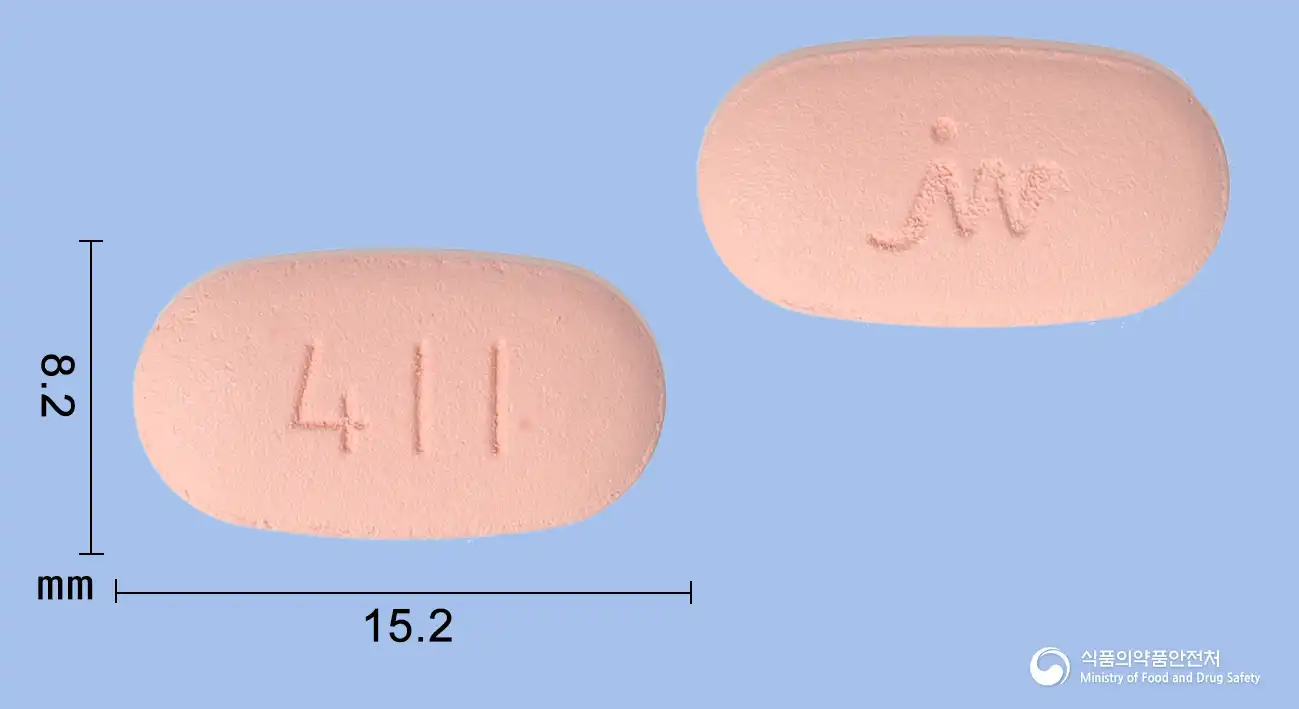 Combination
Valsartan 160mg · Amlodipine Besylate 13.87mg +1 more
Tablet · Prescription medication · Combination
JW Pharmaceutical Co., Ltd.
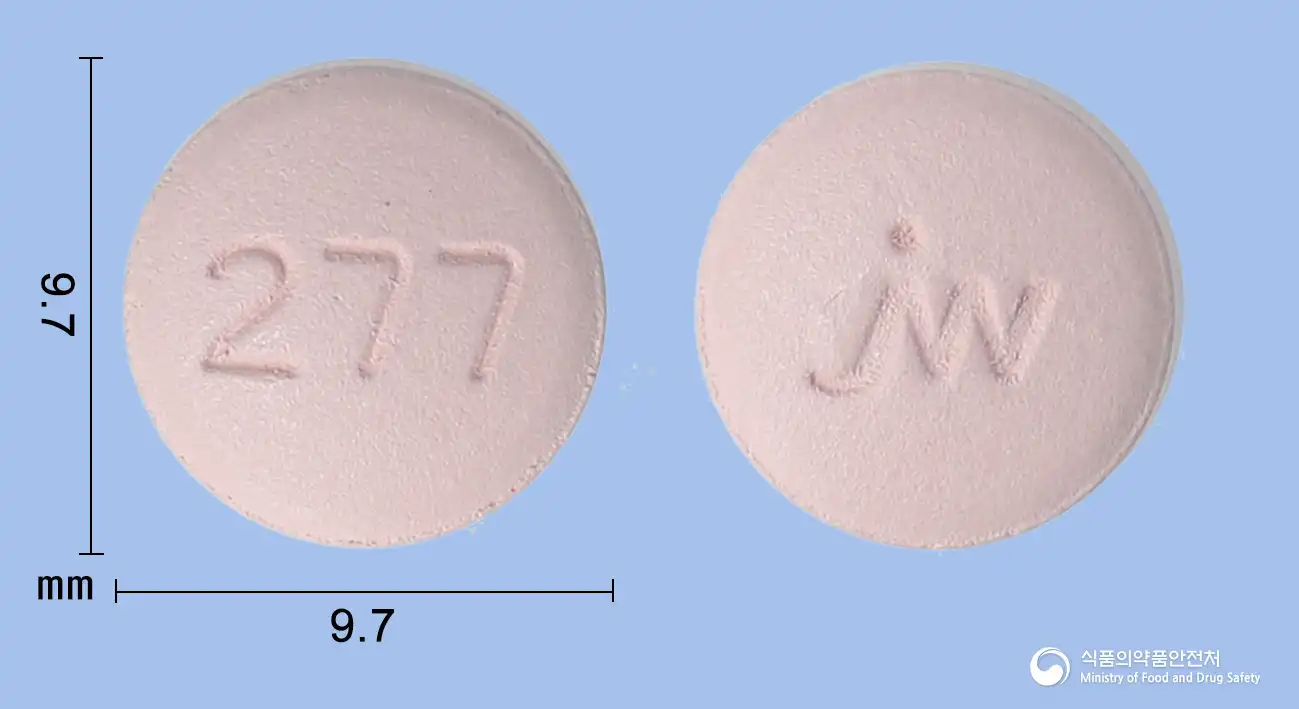 Combination
Valsartan 80mg · Amlodipine Besylate 6.94mg +1 more
Tablet · Prescription medication · Combination
JW Pharmaceutical Corp.
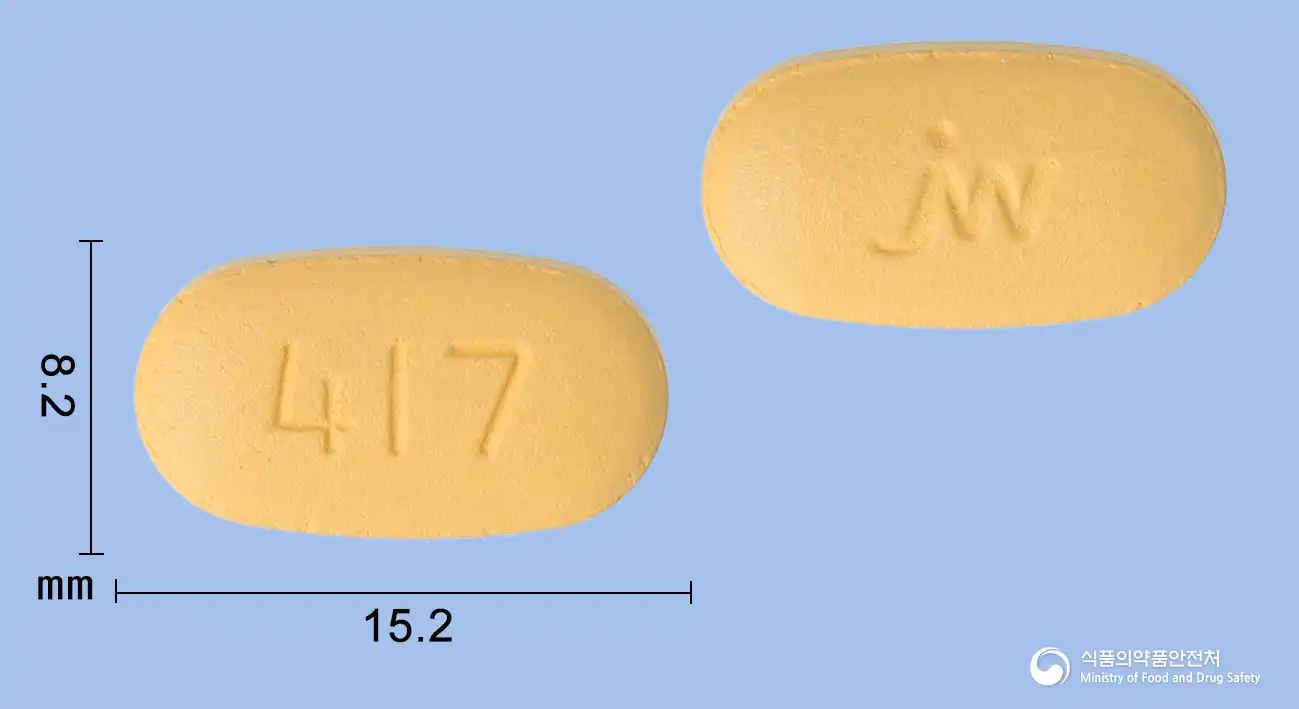 Combination
Valsartan 160mg · Amlodipine Besylate 6.94mg +1 more
Tablet · Prescription medication · Combination
JW Pharmaceutical Corp.
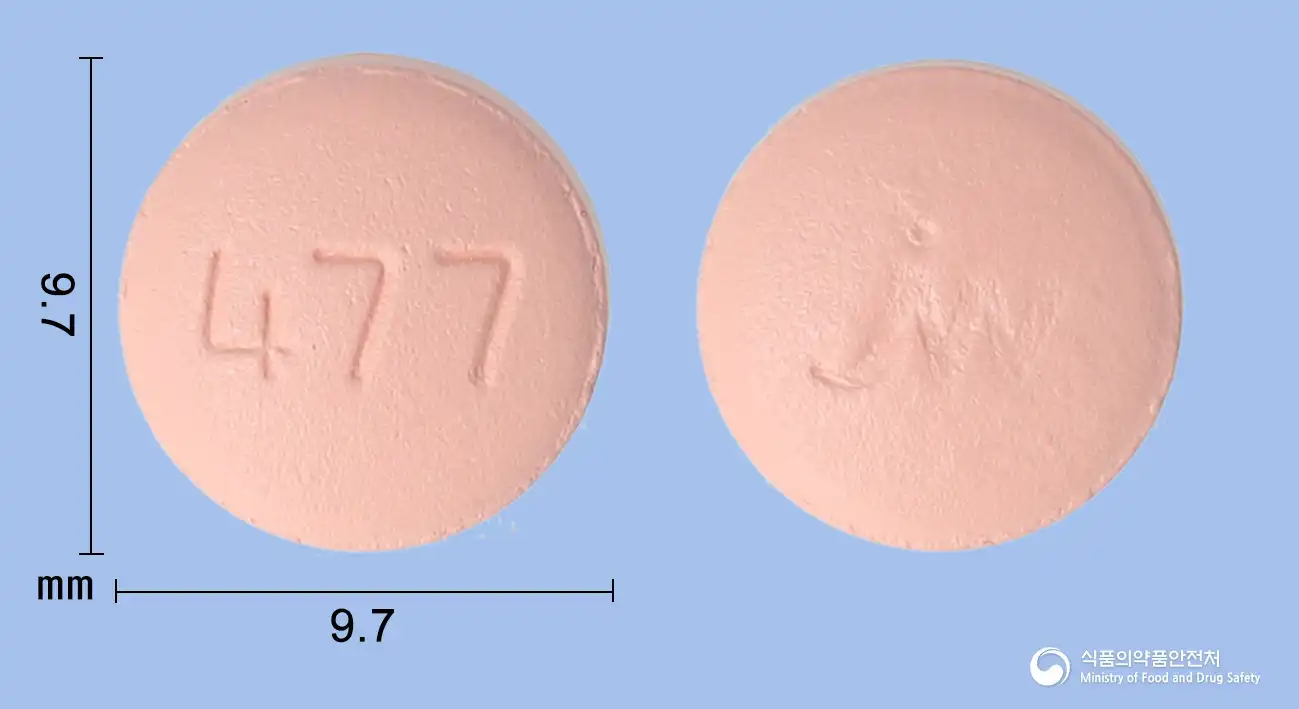 Combination
Valsartan 80mg · Amlodipine Besylate 6.94mg +1 more
Tablet · Prescription medication · Combination
JW Pharmaceutical Corp.
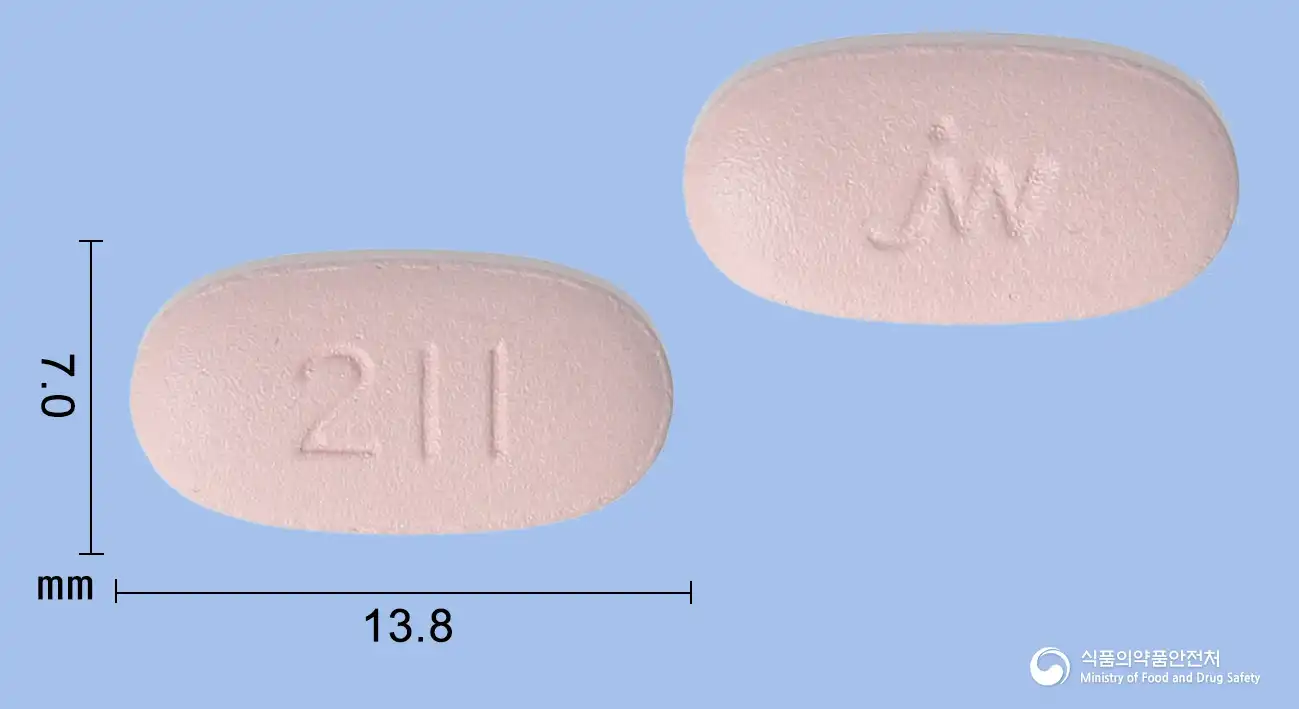 Combination
Valsartan 160mg · Amlodipine Besylate 13.87mg +1 more
Tablet · Prescription medication · Combination
JW Pharmaceutical Corporation
Even with the same ingredient, the dose and directions can differ by strength and dosage form. Talk to a doctor or pharmacist before switching from a medication you are already taking.
No questions yet.
For anything that needs medical judgment, consult a doctor or pharmacist.
This drug information is based on data provided by the Korea Ministry of Food and Drug Safety.
Consult a doctor or pharmacist for accurate dosage, administration, and usage instructions.