
 한국어
한국어 English
 日本語
日本語 中文(简体)
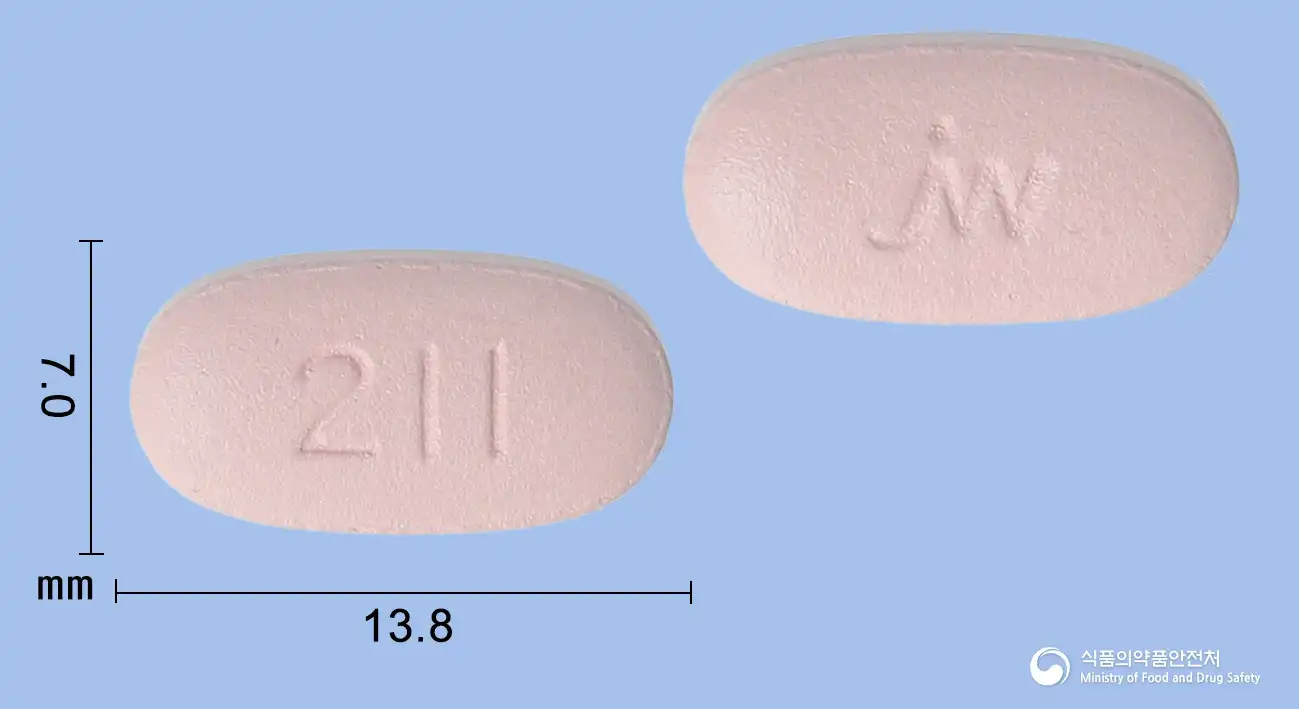 Viewing nowCombination
Rivarohai Tablet 2/160/10 mg (Pitavastatin Calcium Hydrate, Valsartan, Amlodipine Besylate)
Valsartan 160mg · Amlodipine Besylate 13.87mg +1 more
Tablet · Prescription medication · Combination
JW Pharmaceutical Corporation
MFDS item code 202502593 · Approved 2025.09.30 · Insurance code 644915470
Improvement of essential hypertension and dyslipidemia
This medication is used for patients with essential hypertension who have difficulty controlling blood pressure even with a combination of amlodipine and valsartan and for patients with primary hypercholesterolemia and mixed dyslipidemia. Amlodipine and valsartan effectively lower blood pressure, helping to manage hypertension. Pitavastatin reduces total cholesterol, LDL cholesterol, and triglyceride levels while increasing HDL cholesterol, thus improving blood lipid status. This medication is suitable for patients who need to use both medications together, helping to manage blood pressure and cholesterol simultaneously to improve health.
This medication is taken once daily, 1 tablet, with water. It is recommended to take it at the same time every day, if possible (e.g., before breakfast). For the amlodipine/valsartan combination, the dosage can be administered as 5/80 mg, 5/160 mg, or 10/160 mg depending on blood pressure control. Mild to moderate renal impairment does not require dosage adjustments; however, severe renal impairment and dialysis patients should not be given this medication.
This medication can cause serious harm to the fetus and newborn if taken during pregnancy, especially in the second and third trimesters, so it should be discontinued immediately upon confirmation of pregnancy. Patients with allergies to any component of this medication, severe liver impairment, kidney impairment, specific vascular diseases, or a history of angioedema should not take this medication. Patients with inadequate sodium or fluid levels may experience hypotension; thus, it is essential to check their condition carefully before and during administration. Patients with high potassium levels should be cautious when taking this medication with potassium supplements or other medications that can increase potassium, and regular monitoring of serum potassium levels is necessary. Patients with poor kidney function or renal artery stenosis should undergo periodic kidney function tests as kidney function may worsen during treatment. Patients with heart failure or following myocardial infarction should take this medication cautiously, as cardiac conditions can worsen, following the physician's instructions. This medication may affect liver function; thus, patients with liver impairment should adjust their dosage and undergo regular liver function tests. Muscle pain or weakness may occur, and in severe cases, serious muscle damage known as rhabdomyolysis may develop, necessitating immediate discontinuation and consultation with a physician upon any muscle-related symptoms. Dizziness or fatigue may appear during treatment, so caution is needed when driving or operating machinery. There may be interactions with other medications, especially with potassium-sparing diuretics, cyclosporine, and fibrate drugs, so consultation with a doctor or pharmacist is advised when taking these concurrently. Women who are pregnant or breastfeeding should not take this medication, and breastfeeding should be discontinued if taking this medication. Elderly patients may be more sensitive to this medication, so starting with a lower dose and gradually increasing it is safer. Overdosage can lead to severe hypotension, shock, and heart problems, so strict adherence to the dosing regimen is crucial; if an overdose is suspected, immediate medical attention should be sought. The safety of this medication has not been established in children; therefore, pediatric patients under 18 years of age should not take it. When storing the medication, keep it out of reach of children, and store it in its original container to prevent misuse or deterioration in quality.
Urticaria, severe swelling (edema), angioedema, chest tightness, difficulty breathing, cold sweat, pallor, severe rash with high fever, blisters, skin peeling, pain in oral/eyelid mucosa, jaundice, sudden severe headache, thunderclap headache, seizures, confusion, vision changes, paralysis, significantly reduced urine output, generalized severe swelling with accompanied hypertension, rhabdomyolysis, abnormal liver function, renal failure, and kidney harm
Not everyone experiences these, and they can vary from person to person.
This medication should be stored at room temperature between 1 and 30 degrees Celsius, and it is essential to keep it in a sealed container to prevent air exposure. Proper storage helps maintain the medication's effectiveness and prevents degradation.
Pale purple oval film-coated tablet
30 tablets/PVP [6 tablets/PVP x 5]
Even with the same ingredient, strength, dosage form and how it is taken can differ.
Viewing nowCombinationValsartan 160mg · Amlodipine Besylate 13.87mg +1 more
Tablet · Prescription medication · Combination
JW Pharmaceutical Corporation
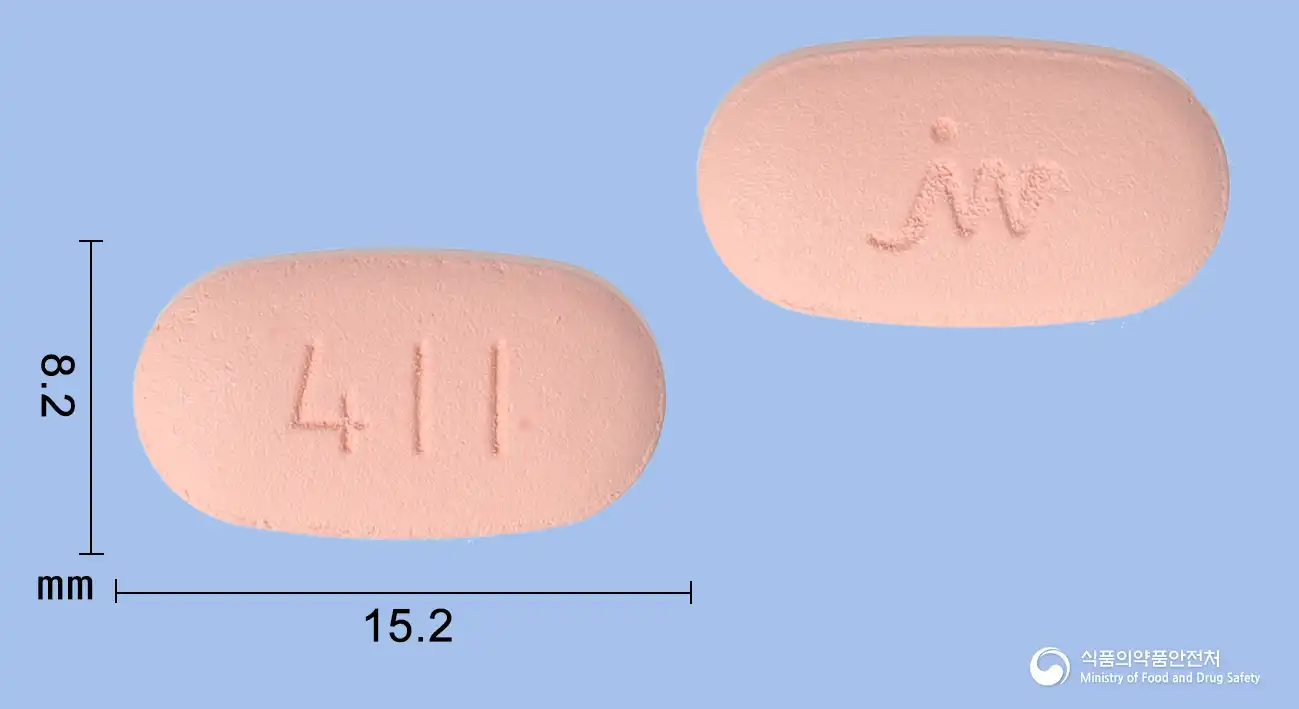 Combination
Valsartan 160mg · Amlodipine Besylate 13.87mg +1 more
Tablet · Prescription medication · Combination
JW Pharmaceutical Co., Ltd.
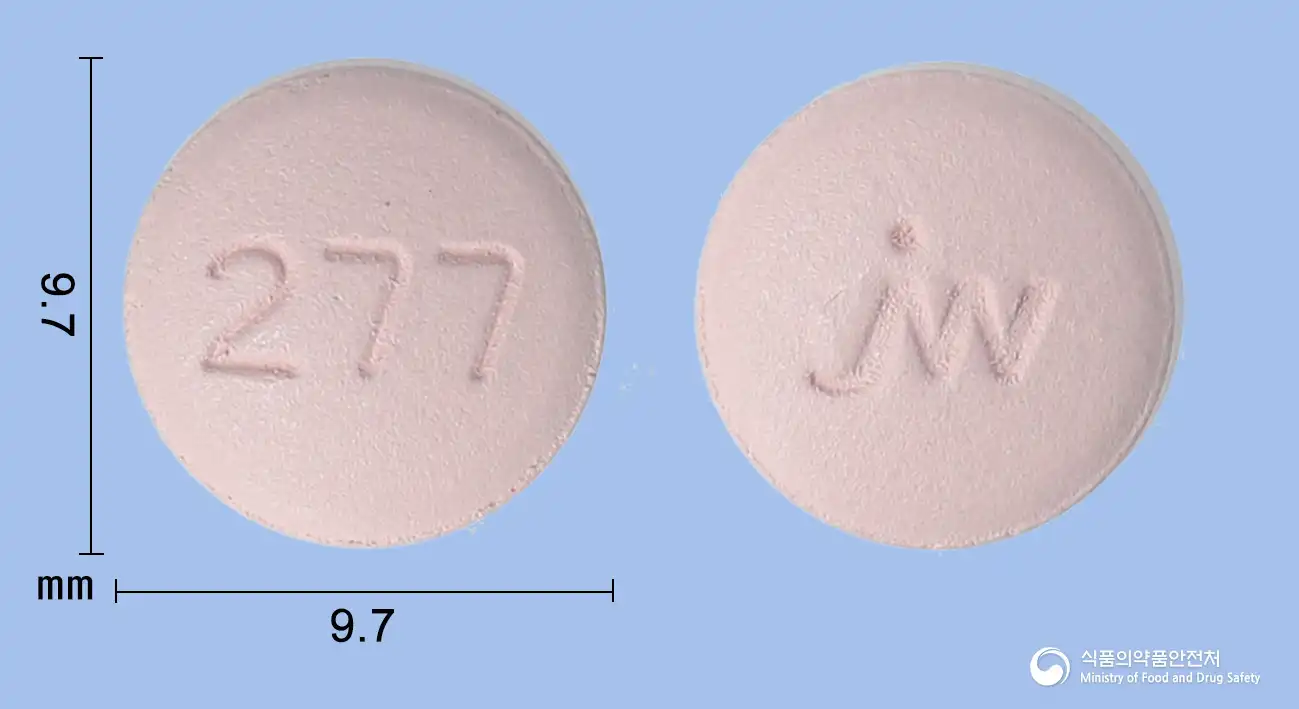 Combination
Valsartan 80mg · Amlodipine Besylate 6.94mg +1 more
Tablet · Prescription medication · Combination
JW Pharmaceutical Corp.
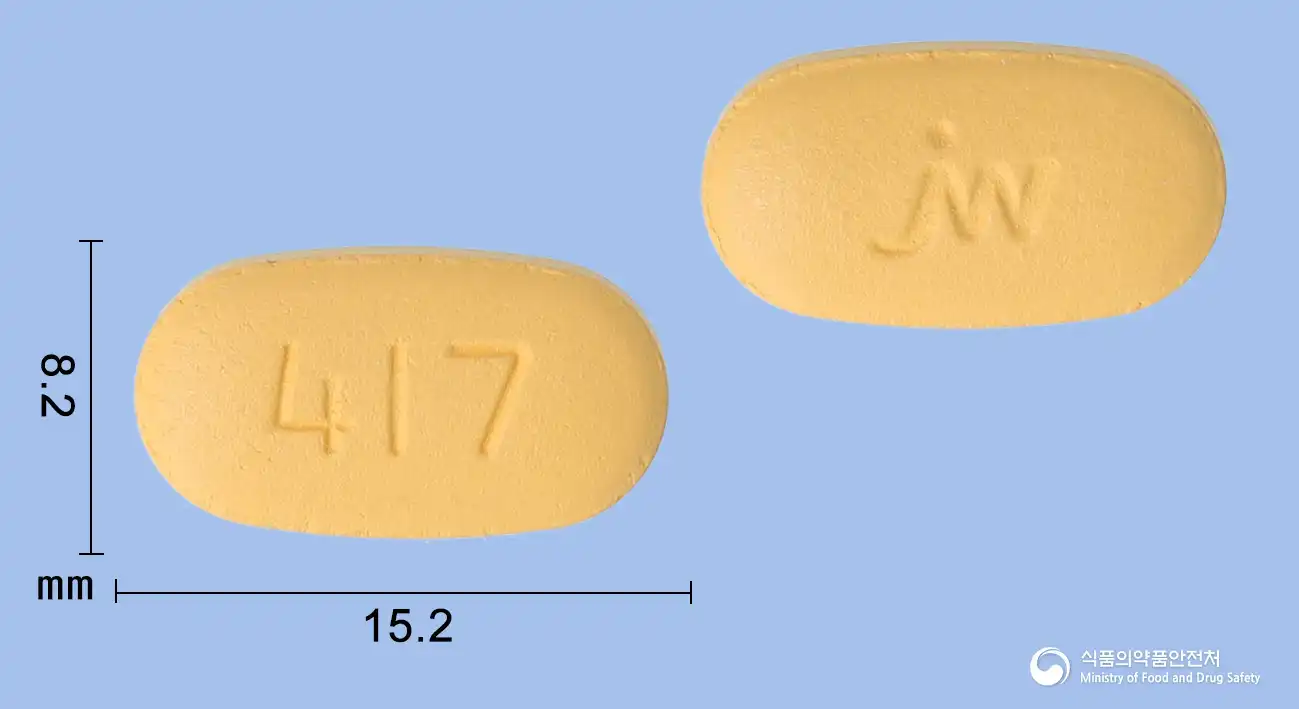 Combination
Valsartan 160mg · Amlodipine Besylate 6.94mg +1 more
Tablet · Prescription medication · Combination
JW Pharmaceutical Corp.
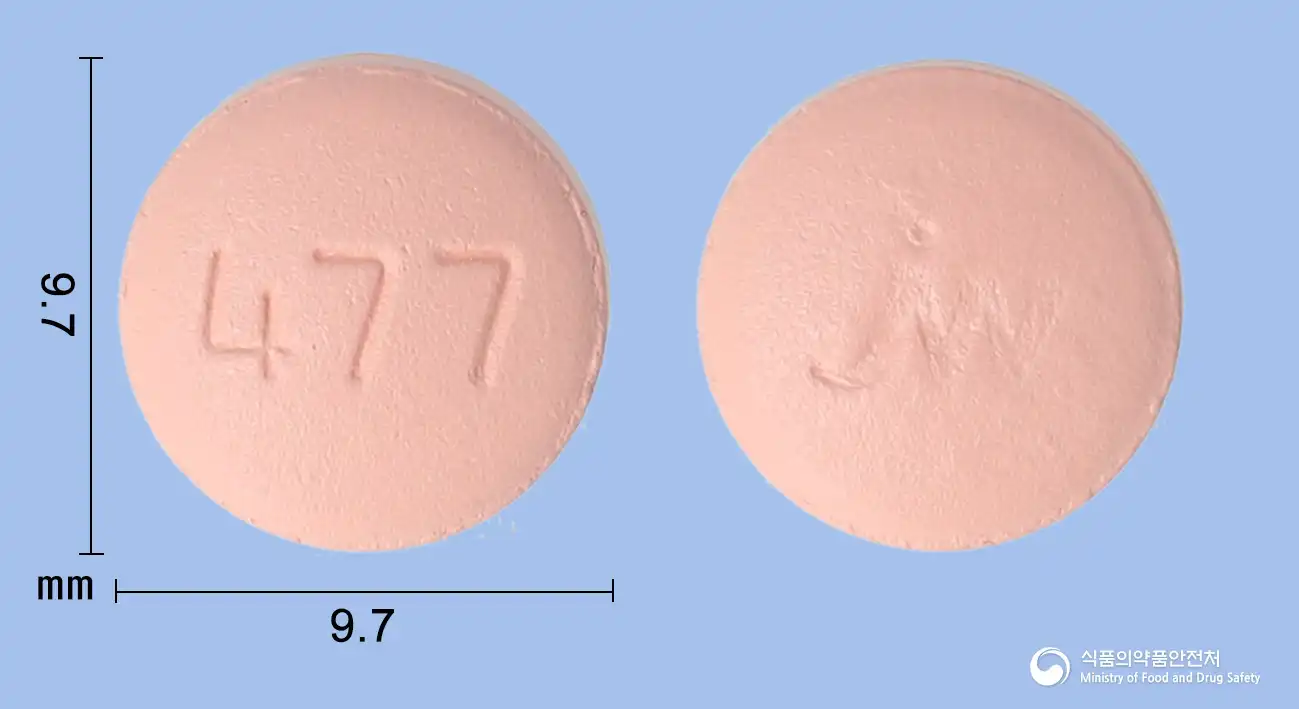 Combination
Valsartan 80mg · Amlodipine Besylate 6.94mg +1 more
Tablet · Prescription medication · Combination
JW Pharmaceutical Corp.
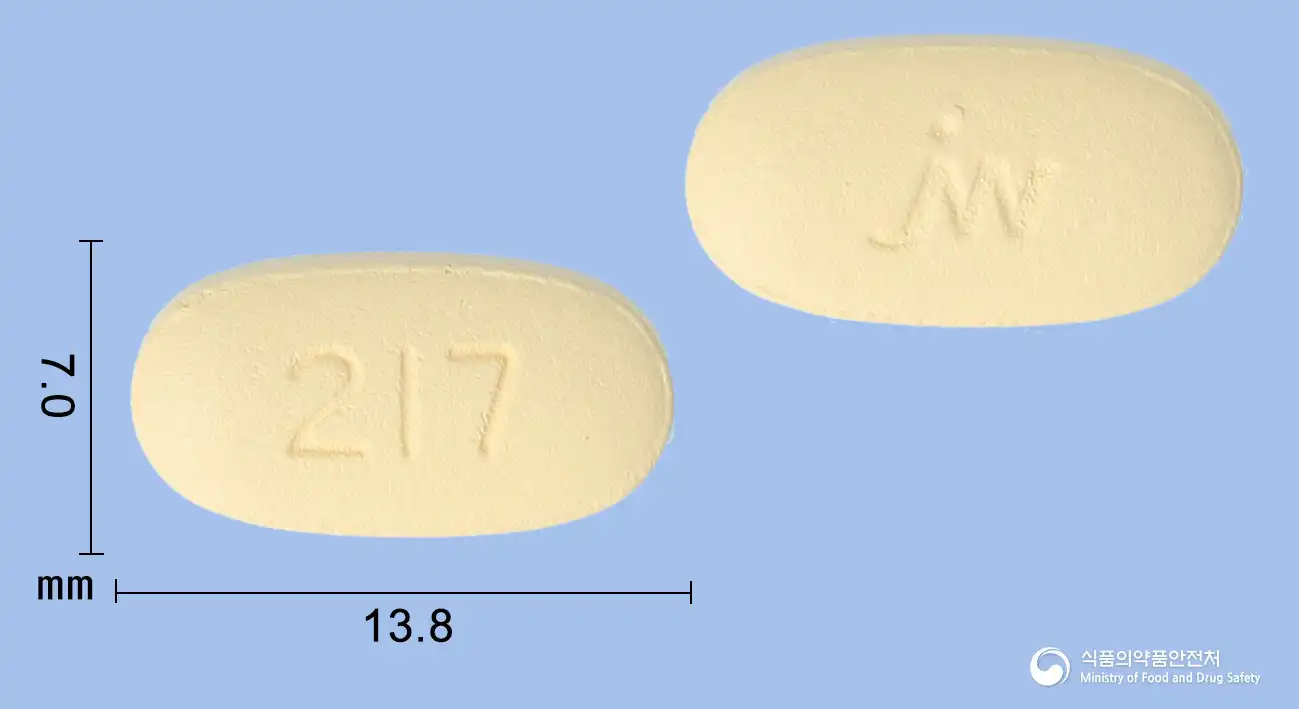 Combination
Valsartan 160mg · Amlodipine Besylate 6.94mg +1 more
Tablet · Prescription medication · Combination
JW Pharmaceutical Corp.
Even with the same ingredient, the dose and directions can differ by strength and dosage form. Talk to a doctor or pharmacist before switching from a medication you are already taking.
No questions yet.
For anything that needs medical judgment, consult a doctor or pharmacist.
This drug information is based on data provided by the Korea Ministry of Food and Drug Safety.
Consult a doctor or pharmacist for accurate dosage, administration, and usage instructions.