
 한국어
 English
 日本語
 中文(简体)
Dosage form image
Viewing nowM-Dex Tablets (Dexibuprofen D.C.)
Dexibuprofen D.C. 300mg
Tablet · OTC medication
Medix Pharmaceutical Co., Ltd.
MFDS item code 202502479 · Notified 2025.09.19
Adjunctive treatment of pain and inflammation (following trauma or surgery), joint diseases, and infections
This medication is used for conditions related to joints such as chronic polyarthritis, rheumatoid arthritis, joint disease, and ankylosing spondylitis. It also helps alleviate painful swelling and inflammation that occur after trauma or surgery. Additionally, it is used as an adjunct in the treatment of infectious diseases accompanied by inflammation, pain, and fever. Overall, it is used to improve various joint diseases and inflammatory conditions.
Adults: Administer 300 mg of dexibuprofen orally per dose, 2~4 times daily. Do not exceed 1,200 mg of dexibuprofen per day.
This drug may pose a risk of gastrointestinal bleeding if taken by individuals who regularly consume more than 3 alcoholic drinks per day, so consulting a doctor or pharmacist is essential. Furthermore, this medication may affect the cardiovascular system, increasing the risk of serious cardiovascular diseases such as myocardial infarction or stroke. Particularly those with cardiovascular diseases or risk factors should consult healthcare professionals before taking this medication and carefully monitor for symptoms during use. This drug can cause serious gastrointestinal side effects such as gastrointestinal bleeding, ulcers, and perforations, so the elderly or individuals with a history of gastrointestinal disorders should exercise caution. If gastrointestinal pain or bleeding symptoms occur, immediately stop taking the medication and consult healthcare professionals. It is safer for people with serious diseases such as gastrointestinal ulcers, bleeding, severe blood disorders, liver disorders, kidney disorders, heart failure, or hypertension not to take this medication. Taking this drug together with aspirin or other non-steroidal anti-inflammatory drugs increases the risk of gastrointestinal bleeding and may reduce the effectiveness of the medication, so these should not be combined. Additionally, taking high doses of methotrexate concurrently poses a lethal toxicity risk, so this combination should be avoided. While taking this medication, breastfeeding should be discontinued or discussed with healthcare professionals, and caution is advised during activities such as driving or operating machinery as dizziness or fatigue may occur. Anyone with blood disorders, liver disease, kidney disease, heart failure, hypertension, or a history of hypersensitivity should consult with healthcare professionals before taking this medication. Pregnant women in the early stages and mid-pregnancy, especially after 6 months, should avoid taking this medication, and those planning a pregnancy or who may become pregnant should discuss it with healthcare professionals. If symptoms such as shock, severe allergic reactions, gastrointestinal bleeding, severe skin rashes, liver function abnormalities, worsening kidney function, or neurological symptoms occur, stop taking the medication immediately and consult healthcare professionals. This medication should only be taken at the lowest effective dose and for the shortest duration necessary, with regular blood tests and evaluations of liver and kidney function required during prolonged use. While this medication helps alleviate symptoms of inflammation or pain, it is not a cure for the underlying cause, so treatment of the cause should also be considered.
Not everyone experiences these, and they can vary from person to person.
This medication may be sensitive to air or moisture, so it must be stored in a tightly sealed container. It is best to maintain storage temperatures between 1 to 30 degrees Celsius. This way, the efficacy of the medication can be safely preserved.
Pink, oblong, film-coated tablets
Bottle - 30 tablets/bottle, Bottle - 200 tablets/bottle
Even with the same ingredient, strength, dosage form and how it is taken can differ.
Dexibuprofen D.C. 300mg
Tablet · OTC medication
Medix Pharmaceutical Co., Ltd.

Dexibuprofen D.C. 300mg
Tablet · OTC medication
HanKoong Union Pharmaceutical Co., Ltd.
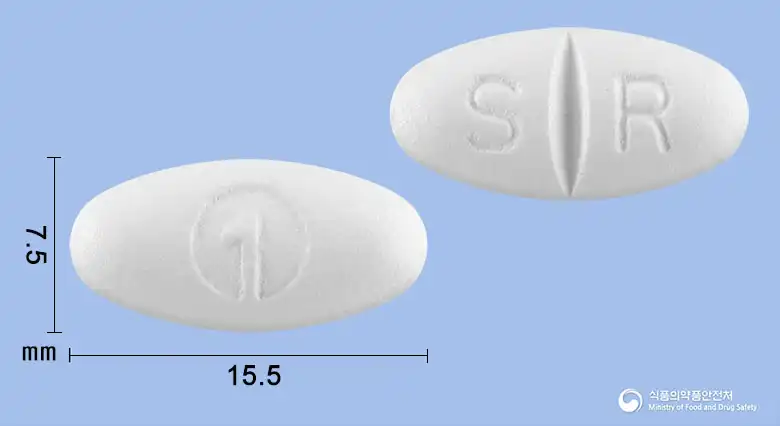
Dexibuprofen D.C. 300mg
Tablet · OTC medication
Korea Pharmaceutical Co., Ltd.
Dexibuprofen D.C. 400mg
Tablet · Prescription medication
Samik Pharmaceutical Co., Ltd.
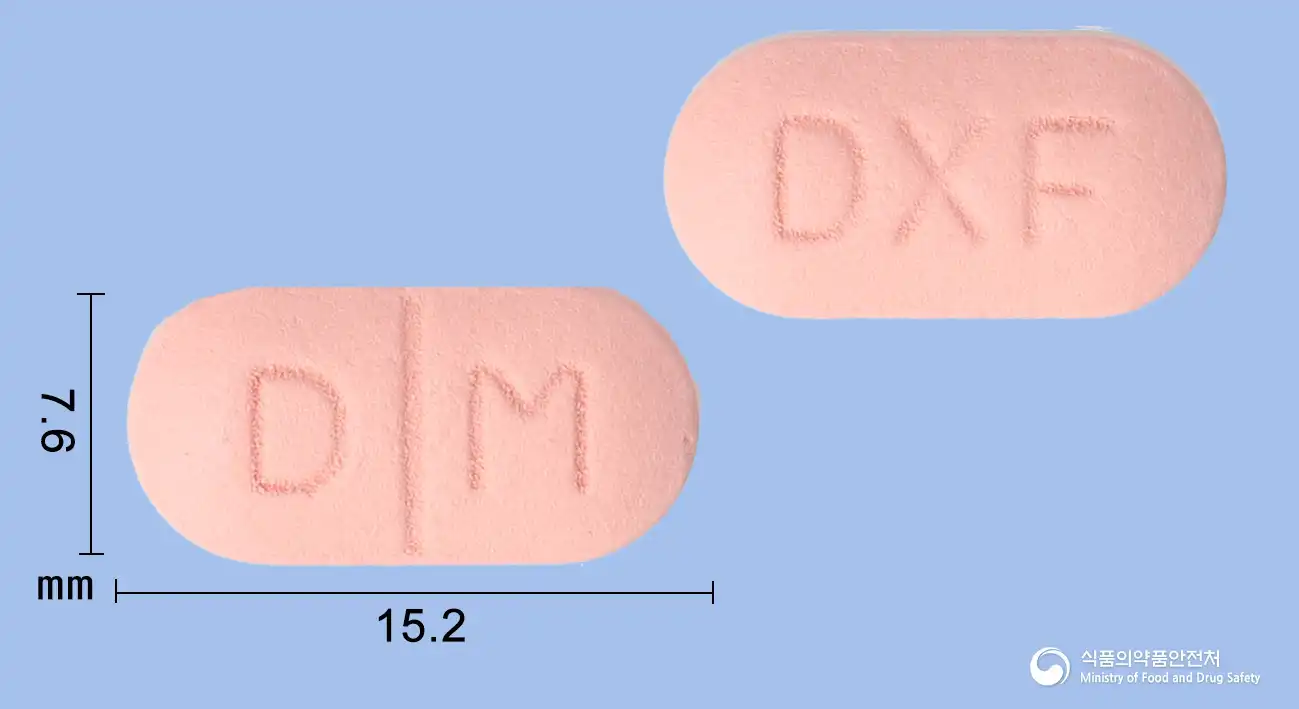
Dexibuprofen D.C. 400mg
Tablet · Prescription medication
Dasan Pharmaceutical Co., Ltd.
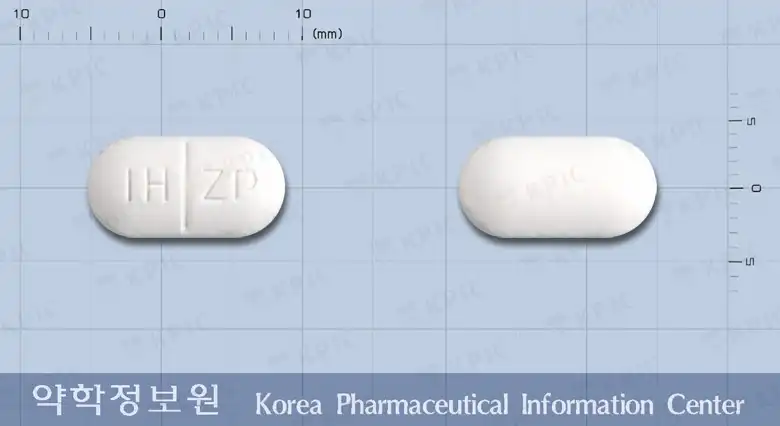
Dexibuprofen D.C. 400mg
Tablet · Prescription medication
Ilhwa Co., Ltd.
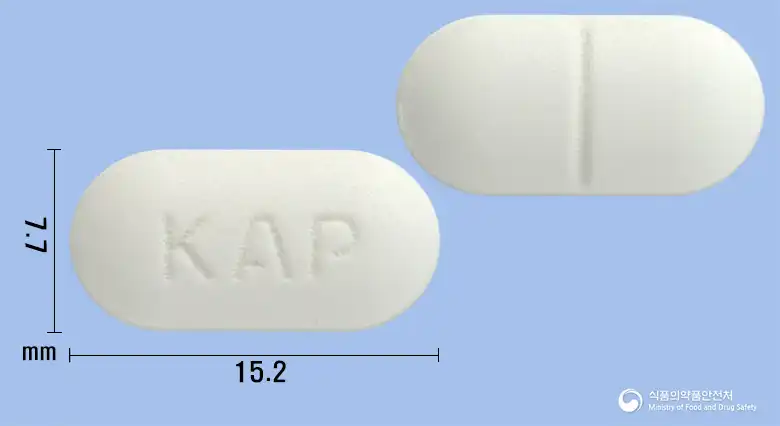
Dexibuprofen D.C. 400mg
Tablet · Prescription medication
Aliko Pharmaceutical Co., Ltd.
Dexibuprofen D.C. 400mg
Tablet · Prescription medication
Hanlim Pharmaceutical Co., Ltd.
Even with the same ingredient, the dose and directions can differ by strength and dosage form. Talk to a doctor or pharmacist before switching from a medication you are already taking.
No questions yet.
For anything that needs medical judgment, consult a doctor or pharmacist.
This drug information is based on data provided by the Korea Ministry of Food and Drug Safety.
Consult a doctor or pharmacist for accurate dosage, administration, and usage instructions.