
 한국어
 English
 日本語
 中文(简体)
Dosage form image
Viewing nowNicorette Quickmist Oral Spray (Nicotine)
Nicotine 1mg
OTC medication
Johnson & Johnson Korea, Co., Ltd.
MFDS item code 202502432 · Approved 2025.09.15
Relief of nicotine cravings and withdrawal symptoms to aid smoking cessation
This medication is used as an adjunctive therapy to assist in quitting smoking. It is particularly effective in reducing the urge to smoke and alleviating discomfort caused by nicotine withdrawal symptoms. It helps ease various challenges that may arise during the quitting process, thus supporting successful cessation. This action is very helpful in maintaining abstinence from smoking.
Adults and older adults (elderly): Do not use more than 2 sprays at a time or more than 4 sprays over 1 hour. Do not use more than 60 sprays in a day (4 sprays per hour for 15 hours). [Smoking cessation: for those who wish to quit smoking] You must stop smoking completely while using the oromucosal spray. Step 1: Weeks 1-6 Use 1 spray when you would normally smoke or when you feel the urge to smoke. If the urge to smoke does not go away after a few minutes, use 1 more spray. Most smokers can use 1-2 sprays every 30 minutes to 1 hour. Step 2: Weeks 7-9 Begin to steadily reduce the number of times you use it each day. By week 9, aim to reduce use to half the average number of sprays used per day during weeks 1-6. Step 3: Weeks 10-12 When you have reduced use to 2-4 sprays, stop using this medicine. (Continue to gradually reduce the number of sprays so that by week 12 you use no more than 4 sprays per day.) [Reducing smoking: for those who wish to reduce the amount/frequency of smoking] Use the oromucosal spray between smoking periods to extend smoke-free intervals and reduce smoking as much as possible while working toward gradual cessation. Make every effort to reduce smoking as much as possible while using this medicine. Users should be aware that improper use of the oromucosal spray may increase adverse reactions. Smokers should attempt to quit as soon as they are ready, but no later than 12 weeks after starting treatment. If daily cigarette consumption has not decreased after 6 weeks of using the oromucosal spray, seek advice from a healthcare professional. After quitting, gradually reduce the number of sprays used each day and stop using this medicine once use has been reduced to 2-4 sprays. Use of the oromucosal spray for more than 6 months is not recommended. Some former smokers may need longer treatment with the oromucosal spray to avoid returning to smoking. <Directions for use> When using this medicine for the first time or after not using it for 2 days, prime the spray pump before use. ‧ Priming the spray Be careful not to point the nozzle toward yourself or anyone nearby. Press the top of the spray 3 times with your index finger until it sprays properly. Once the spray is ready to use, open your mouth and point the nozzle as close to your mouth as possible. Press the top of the spray firmly to release 1 spray into your mouth, avoiding the lips. Do not inhale while spraying to prevent the spray from entering your respiratory tract. For optimal effect, do not swallow for a few seconds after spraying. Do not eat or drink while using the oromucosal spray.
This medication should only be used by those who are determined to quit smoking completely, as continuing to smoke while using it can increase the risk of heart and vascular problems. Care should be taken to avoid direct spraying in the eyes. People allergic to any component of this medication, individuals with heart disease, cerebrovascular diseases, pregnant or nursing women, children and adolescents under 18 years old, and non-smokers should not use this medication. Individuals with gastrointestinal diseases, cardiovascular diseases, the elderly, those with poor kidney or liver function, diabetes patients, hyperthyroid patients, and patients with epilepsy must consult a doctor or pharmacist before use. Side effects such as discomfort, headache, dizziness, cough, nausea, oral irritation may occur, and allergy reactions may also arise, so if any abnormal symptoms appear, immediate consultation with a professional is required. Using this medication multiple times simultaneously can lead to serious side effects due to overdose. It can be very dangerous if children consume this medication, so it should be kept out of reach of children. Additionally, it should be stored in a cool, dry place away from direct sunlight, and should not be transferred to another container. Blood sugar changes or fluctuations in drug effects may occur during the cessation process, so diabetic patients or those taking other medications should consult a professional and observe carefully. In case of overdose, serious symptoms such as vomiting, abdominal pain, dizziness, convulsions, and difficulty breathing may occur, necessitating immediate discontinuation and a visit to the hospital.
Hypersensitivity, anaphylaxis reactions, strange dreams, headaches, burning sensation, dizziness, taste disturbances, sensory disturbances, seizures, blurred vision, increased tear secretion, palpitation, tachycardia, atrial fibrillation, flushing, hypertension, hiccups, throat irritation, cough, bronchospasm, speech disorders, dyspnea, nasal congestion, oropharyngeal pain, runny nose, sneezing, throat tension, nausea, abdominal pain, diarrhea, dry mouth, dyspepsia, bloating, excessive salivation, stomatitis, toothache, vomiting, belching, gingivitis, glossitis, formation and desquamation of oral mucosa blisters, oral sensory disturbances, dysphagia, oral sensory loss, nausea, thirst, gastrointestinal discomfort, lip pain, jaw pain, musculoskeletal pain, muscle tension, dry skin, hyperhidrosis, pruritus, rash, urticaria, angioedema, erythema, fatigue, asthenia, chest discomfort and pain, malaise, pallor, sweating, excessive salivation, throat burning, nausea, vomiting, abdominal cramps, diarrhea, auditory and visual disturbances, palpitations, deep vein issues, tremors, mental confusion, muscle weakness, neuropathic response disorders, hypotension, weak and irregular pulse, circulatory failure, convulsions, collapse, coma, dyspnea
Not everyone experiences these, and they can vary from person to person.
This medication must be stored in a sealed container to prevent exposure to air or moisture, and the storage temperature should be maintained between 1°C and 25°C. Proper storage will help maintain the efficacy of the medication for a longer duration.
A clear to slightly cloudy, colorless to pale yellow liquid with a peppermint flavor in a container that dispenses a measured amount.
Bottle - 150 sprays/bottle [13.2mL/bottle]
Even with the same ingredient, strength, dosage form and how it is taken can differ.
Nicotine 1mg
OTC medication
Johnson & Johnson Korea, Co., Ltd.
Nicotine 14mg
OTC medication
Samyang Biopharm Co., Ltd.
Nicotine 28mg
OTC medication
Samyang Biopharm Co., Ltd.
Nicotine 42mg
OTC medication
Samyang Biopharm Co., Ltd.
Nicotine 17.5mg
Patch · OTC medication
GP Therapeutics Korea Co., Ltd.
Nicotine 35mg
Patch · OTC medication
GP Therapeutics Korea Co., Ltd.
Nicotine 52.5mg
Patch · OTC medication
G-P Therapeutics Korea Co., Ltd.
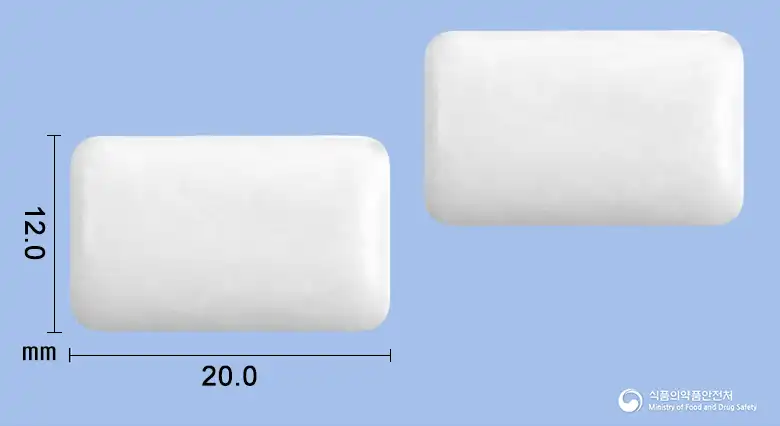
Nicotine 2mg
OTC medication
GPT Therapeutics Korea Co., Ltd.
Even with the same ingredient, the dose and directions can differ by strength and dosage form. Talk to a doctor or pharmacist before switching from a medication you are already taking.
No questions yet.
For anything that needs medical judgment, consult a doctor or pharmacist.
This drug information is based on data provided by the Korea Ministry of Food and Drug Safety.
Consult a doctor or pharmacist for accurate dosage, administration, and usage instructions.