
 한국어
한국어 English
 日本語
日本語 中文(简体)
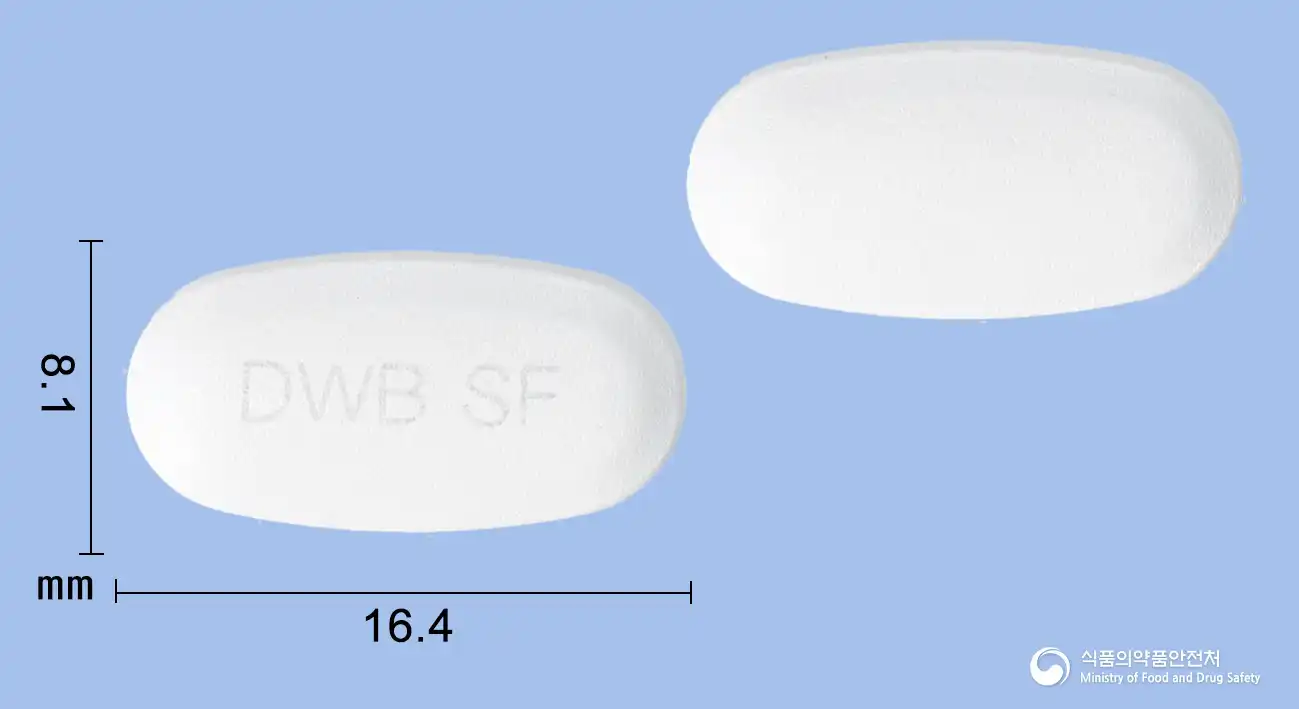 Viewing nowCombination
Stafib Tablet 2/160 milligrams (Pitavastatin Calcium Hydrate, Fenofibrate)
Pitavastatin Calcium Hydrate 2.205mg · Fenofibrate 160mg
Tablet · Prescription medication · Combination
Daewoong Bio Co., Ltd.
MFDS item code 202502274 · Approved 2025.08.29 · Insurance code 694004560
LDL cholesterol control and improvement of dyslipidemia
Using Pitavastatin 2 mg monotherapy in adult patients at high risk for coronary artery disease can effectively control LDL cholesterol levels. However, this treatment may keep triglyceride levels elevated in patients with mixed dyslipidemia characterized by high triglycerides and may result in decreased HDL cholesterol levels. Therefore, Pitavastatin is primarily used to lower LDL cholesterol and reduce the risk of cardiovascular disease.
As a recommended dose, take 1 tablet once daily immediately after a meal.
This medication is used to lower blood lipid levels. Notify your doctor immediately if symptoms such as muscle pain, muscle weakness, or muscle cramps occur before taking. Patients aged 65 and older, those with impaired renal function, or those with hypothyroidism should exercise extra caution. The risk of muscle damage may increase when taken with other lipid-lowering agents, so discuss with your physician if you are combining medications. Patients with liver or kidney issues must consult with a doctor before using this medication. This medication should not be taken by pregnant or potentially pregnant women or nursing mothers. There is no established safety and efficacy of this medication in children, so it should not be used in pediatric patients. Regular blood tests should be conducted to monitor liver function and muscle condition during treatment. Patients undergoing surgery may need to temporarily discontinue this medication before the procedure. There is no specific antidote for overdose, and appropriate treatment should be administered according to symptoms. It is recommended to take this medication with food, and caution should be exercised as drowsiness may occur while driving or operating machinery. It is advisable to avoid alcohol while taking this medication. If hypersensitivity reactions such as skin rash, itching, or difficulty breathing occur, discontinue use immediately and seek medical attention.
Urticaria, severe swelling (angioedema), chest tightness, skin peeling, pain in mucous membranes of mouth/eyes (severe skin reactions: erythema multiforme, Stevens-Johnson syndrome, toxic epidermal necrolysis), difficulty breathing (interstitial lung disease), jaundice of the skin or eyes, lethargy, sudden and severe headache, seizures, confusion, visual disturbances, paralysis, rhabdomyolysis with or without kidney failure, significantly reduced urine output
Nasopharyngitis, upper respiratory tract infection, nausea, headache, dizziness, hypertension, chronic gastritis, erosive gastritis, gastrointestinal symptoms (abdominal pain, vomiting, diarrhea, bloating, etc.), thirst, indigestion, constipation, stomatitis, loss of appetite, glossitis, increased serum homocysteine levels, palpitations, fatigue, skin tenderness, flushing, arthralgia, edema, blurred vision, photophobia, hearing loss, hematuria, increased uric acid levels, elevated serum potassium and phosphorus levels, dysgeusia, discolored urine
Not everyone experiences these, and they can vary from person to person.
This medication should be stored in a tightly sealed container to prevent air or moisture ingress and should be kept at room temperature between 1 and 30 degrees Celsius. Proper storage will help maintain the medication's efficacy and safety.
White oblong film-coated tablet
30 tablets/bottle, 300 tablets/bottle
Even with the same ingredient, strength, dosage form and how it is taken can differ.
Viewing nowCombinationPitavastatin Calcium Hydrate 2.205mg · Fenofibrate 160mg
Tablet · Prescription medication · Combination
Daewoong Bio Co., Ltd.
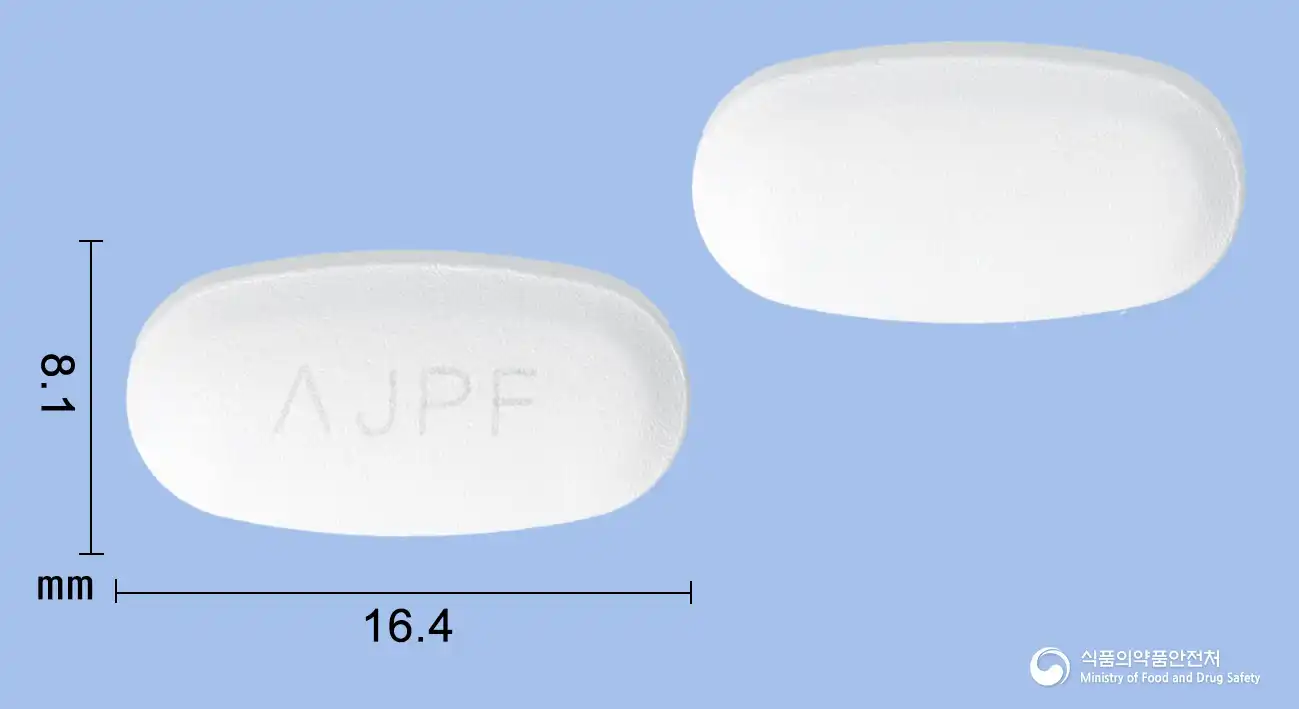 Combination
Pitavastatin Calcium Hydrate 2.205mg · Fenofibrate 160mg
Tablet · Prescription medication · Combination
Ajou Pharmaceutical Co., Ltd.
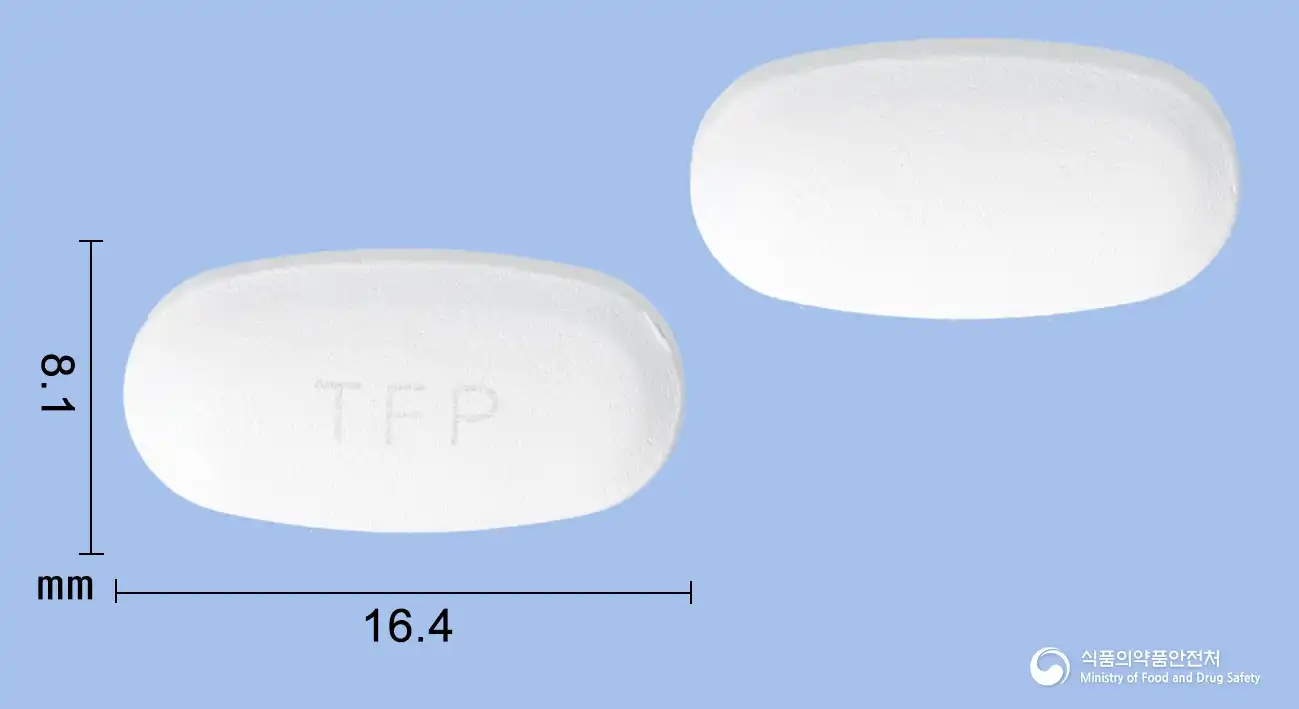 Combination
Pitavastatin Calcium Hydrate 2.205mg · Fenofibrate 160mg
Tablet · Prescription medication · Combination
Teragen Etex Co., Ltd.
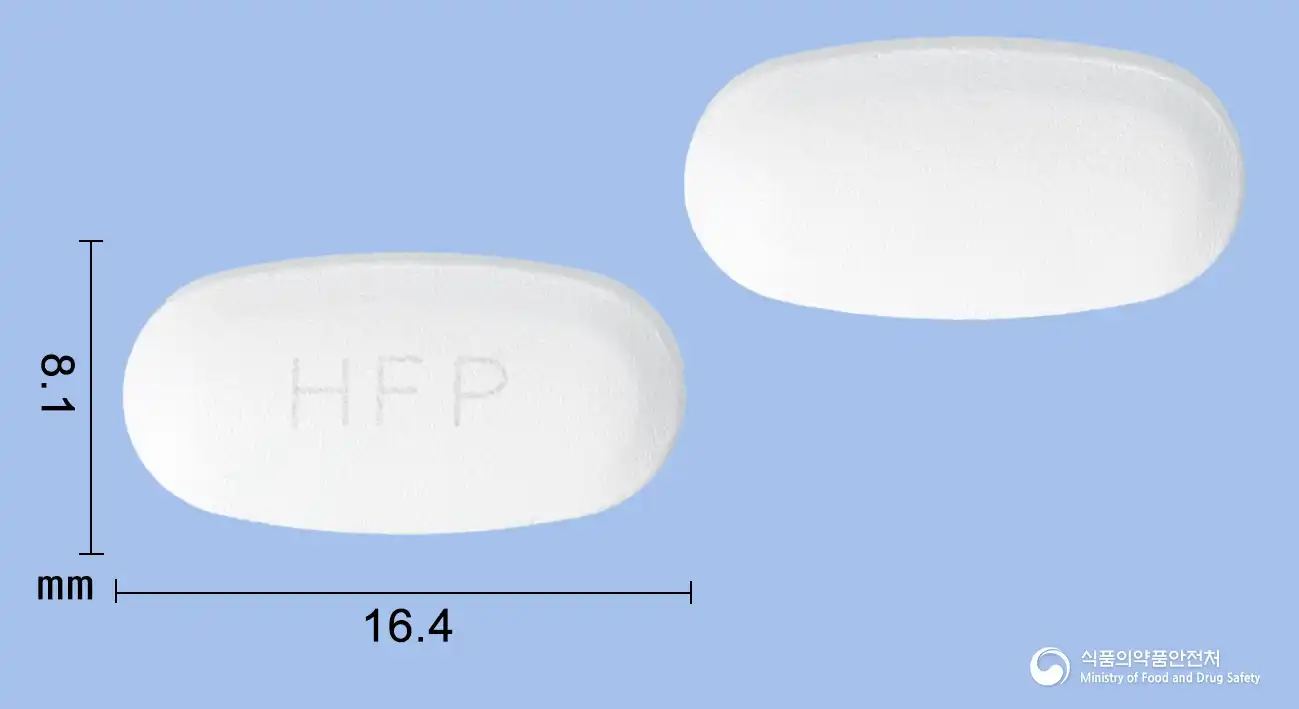 Combination
Pitavastatin Calcium Hydrate 2.205mg · Fenofibrate 160mg
Tablet · Prescription medication · Combination
Hana Pharmaceutical Co., Ltd.
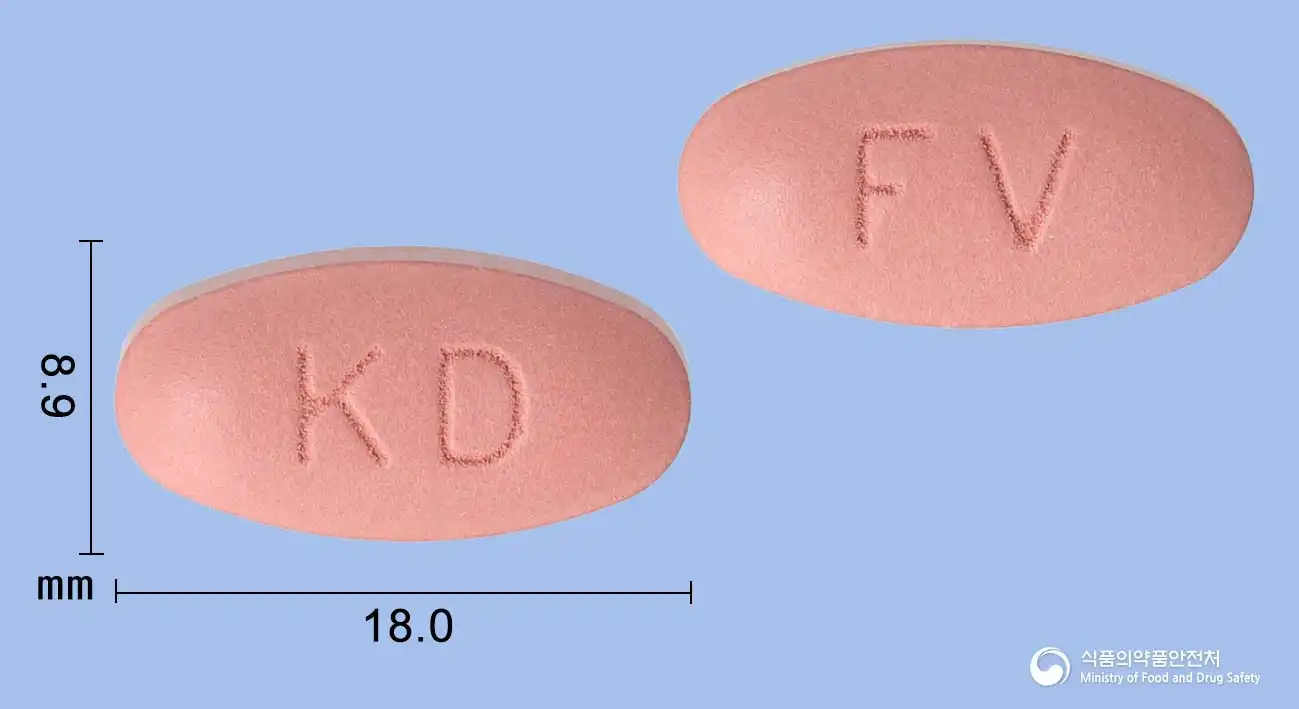 Combination
Fenofibrate 145mg · Pitavastatin Calcium 2mg
Tablet · Prescription medication · Combination
Kyungdong Pharmaceutical Co., Ltd.
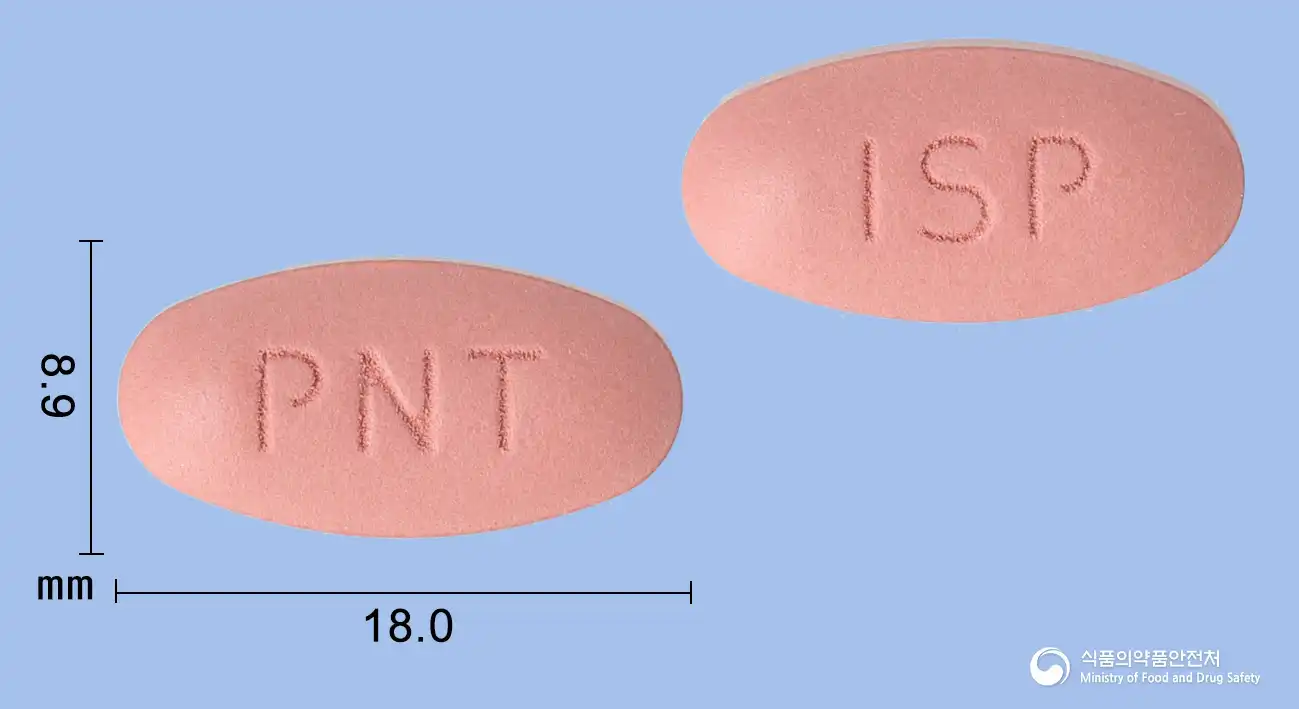 Combination
Fenofibrate 145mg · Pitavastatin Calcium 2mg
Tablet · Prescription medication · Combination
Il Sung IS Co., Ltd.
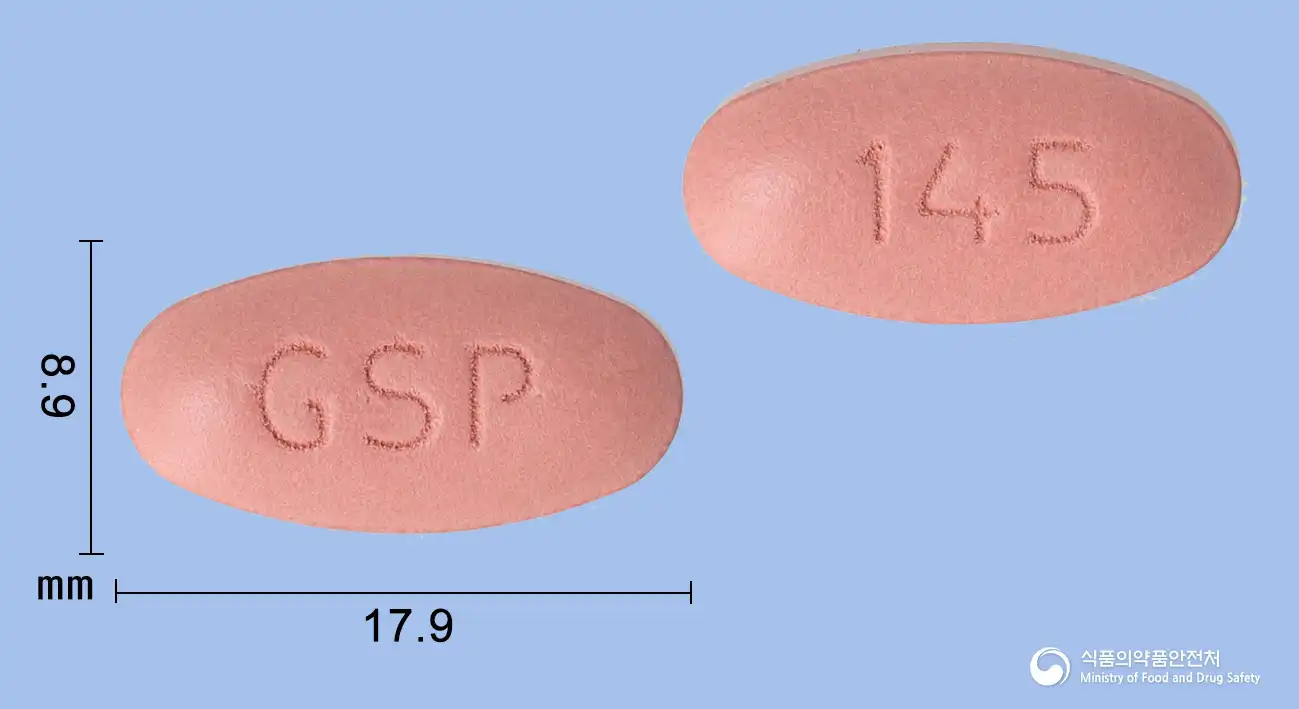 Combination
Fenofibrate 145mg · Pitavastatin Calcium 2mg
Tablet · Prescription medication · Combination
Samchundang Pharmaceutical Co., Ltd.
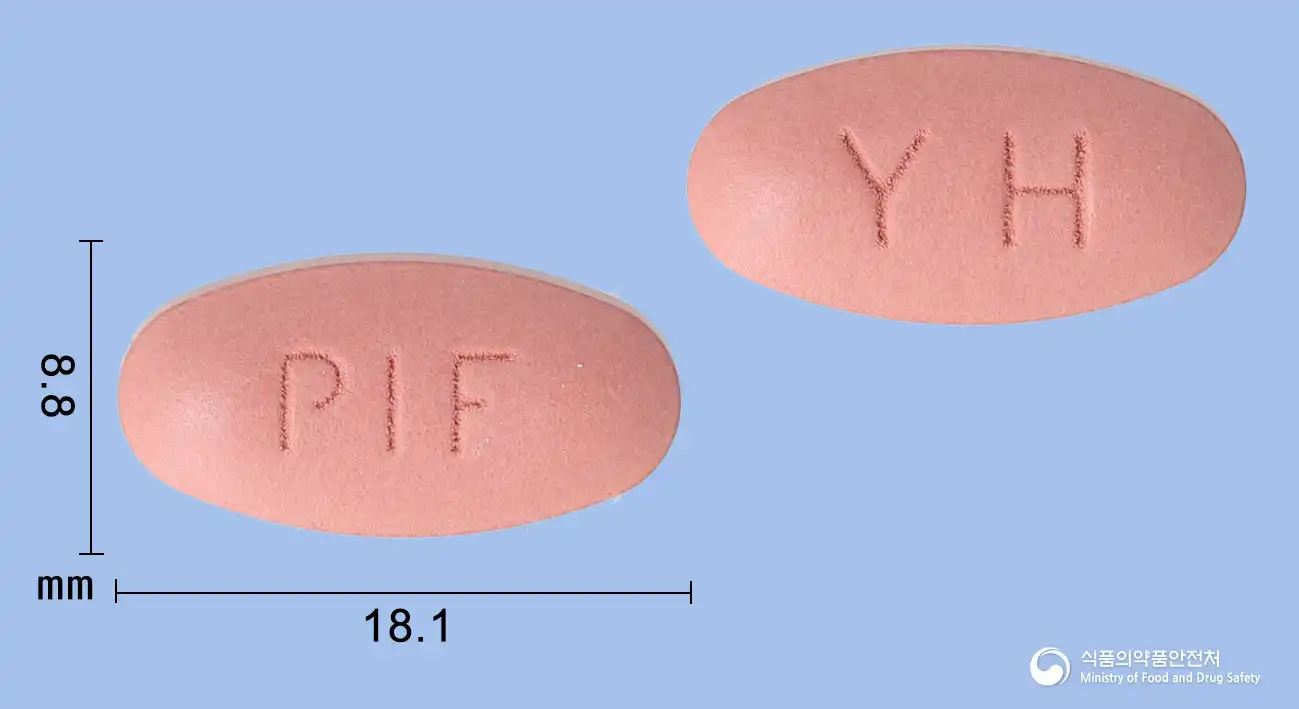 Combination
Fenofibrate 145mg · Pitavastatin Calcium 2mg
Tablet · Prescription medication · Combination
Yuhan Corporation
Even with the same ingredient, the dose and directions can differ by strength and dosage form. Talk to a doctor or pharmacist before switching from a medication you are already taking.
No questions yet.
For anything that needs medical judgment, consult a doctor or pharmacist.
This drug information is based on data provided by the Korea Ministry of Food and Drug Safety.
Consult a doctor or pharmacist for accurate dosage, administration, and usage instructions.