
 한국어
한국어 English
 日本語
日本語 中文(简体)
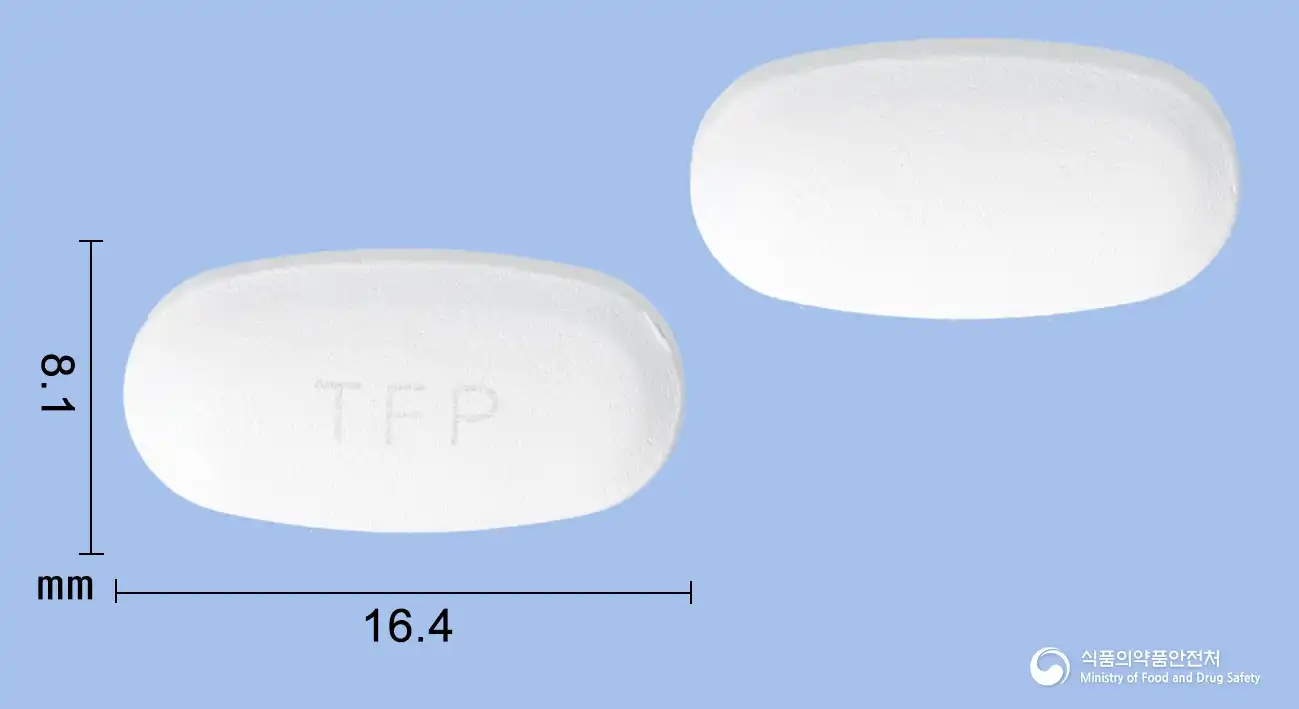 Viewing nowCombination
Phenofita Tablet (Pitavastatin Calcium, Fenofibrate)
Pitavastatin Calcium Hydrate 2.205mg · Fenofibrate 160mg
Tablet · Prescription medication · Combination
Teragen Etex Co., Ltd.
MFDS item code 202502271 · Approved 2025.08.29 · Insurance code 698505110
Effect of controlling LDL cholesterol and improving dyslipidemia
Pitavastatin 2 mg monotherapy effectively controls LDL cholesterol levels in adult patients at high risk for coronary heart disease. However, this treatment may be insufficient for complete control in cases of mixed dyslipidemia where triglyceride levels are elevated and HDL cholesterol levels are low. Therefore, this drug is primarily used with an emphasis on managing LDL cholesterol while also improving dyslipidemia.
As a recommended dosage, take one tablet once daily immediately after a meal.
This medication is used to lower blood lipid levels, but rare side effects can affect muscles. In particular, if symptoms such as muscle pain, weakness, or cramps occur, immediate consultation with a doctor is necessary, and blood tests may be needed to check for muscle damage. Patients over 65 years of age, those with impaired kidney function, uncontrolled hypothyroidism, or a history of muscle diseases require special caution before taking this medication. When taken in combination with other lipid-lowering agents or specific medications, the risk of muscle toxicity may increase, so careful management under a doctor's guidance is essential. Regular monitoring of liver function is necessary if liver disease is present or liver enzyme levels are elevated, and medication should be stopped immediately if symptoms of hepatitis arise. This medication is not to be administered to patients with moderate to severe kidney impairment, and precautions should be taken even in cases of mild impairment. Patients with a history of gallbladder disease or pancreatitis should also consult a physician before taking this drug. Women who are pregnant or may become pregnant, as well as nursing mothers, should not take this medication, and safety in children has not been established, so it is not used in this population. Dizziness may occur during treatment, so caution is needed when driving or operating machinery. It is advisable to take this medication with food, and if there are no treatment effects or if side effects are suspected, immediate notification to healthcare personnel is required. There are no specific antidotes for overdose, so treatment should be based on the symptoms. Finally, keep this medication out of the reach of children and store it in its original container for safety.
Headache, dizziness, fatigue, drowsiness, insomnia, muscle pain, muscle cramps, weakness, gastrointestinal symptoms (abdominal pain, nausea, vomiting, diarrhea, constipation, etc.), itching, rash, hair loss, elevated blood pressure, chest discomfort, decreased platelet count, hematuria, increased serum creatinine, elevated BUN, malaise, blurred vision, photophobia, hearing loss, taste disturbance, discolored urine, palpitations, skin tingling, loss of appetite, increased serum homocysteine levels
Not everyone experiences these, and they can vary from person to person.
This medication may be sensitive to air and moisture, so it should be stored in a closed container. It is recommended to maintain a room temperature between 1 to 30 degrees Celsius. This helps to preserve the efficacy and safety of the medication for a longer duration.
White rectangular film-coated tablet
30 tablets per bottle, 300 tablets per bottle
Even with the same ingredient, strength, dosage form and how it is taken can differ.
Viewing nowCombinationPitavastatin Calcium Hydrate 2.205mg · Fenofibrate 160mg
Tablet · Prescription medication · Combination
Teragen Etex Co., Ltd.
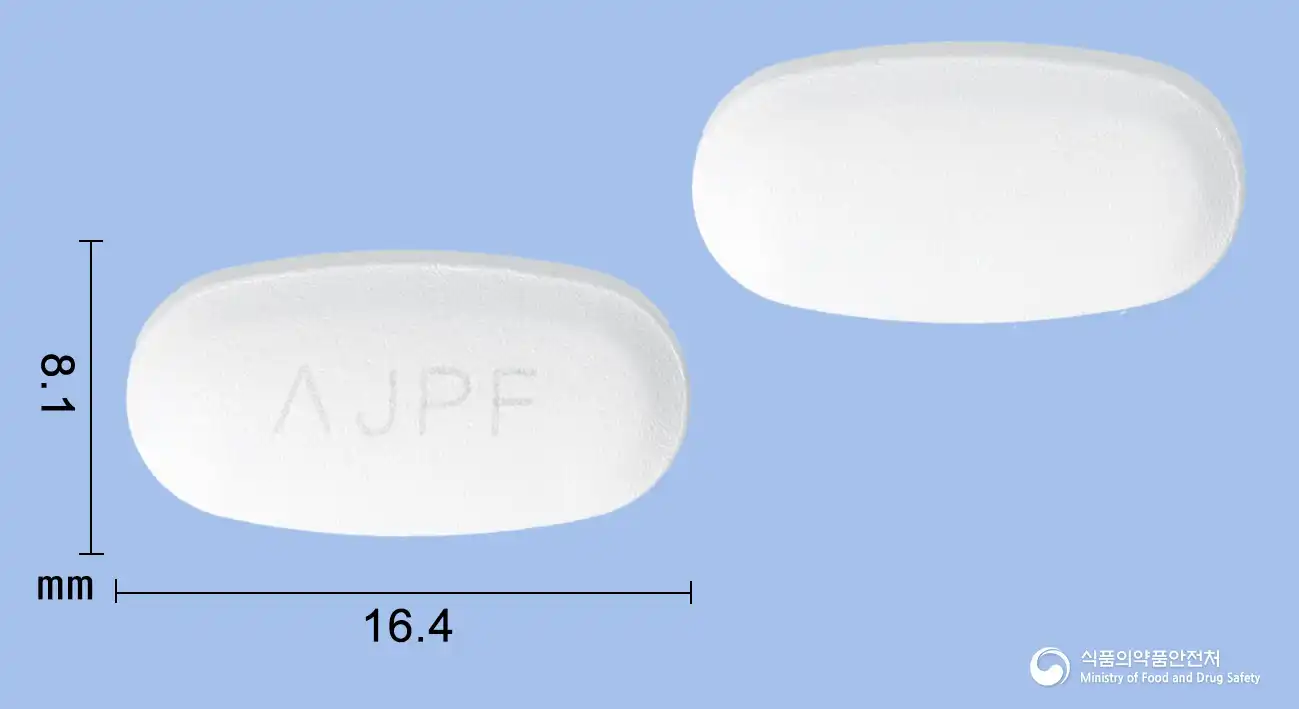 Combination
Pitavastatin Calcium Hydrate 2.205mg · Fenofibrate 160mg
Tablet · Prescription medication · Combination
Ajou Pharmaceutical Co., Ltd.
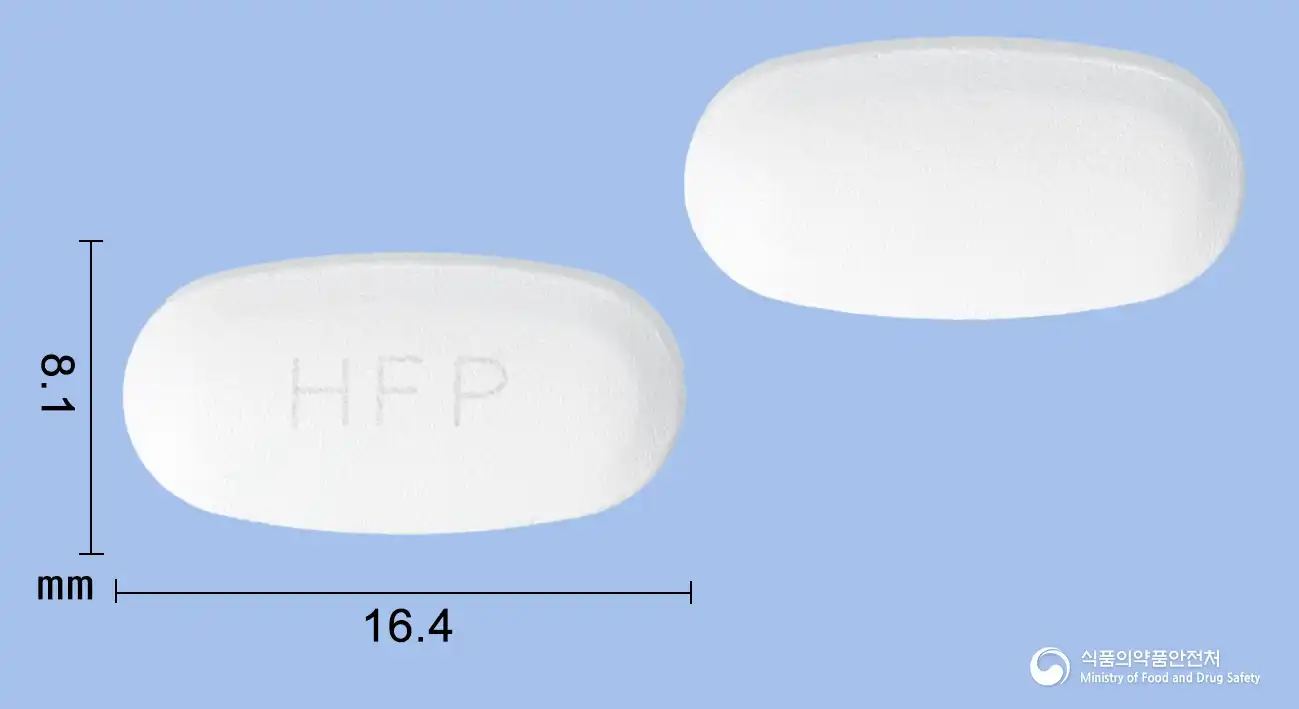 Combination
Pitavastatin Calcium Hydrate 2.205mg · Fenofibrate 160mg
Tablet · Prescription medication · Combination
Hana Pharmaceutical Co., Ltd.
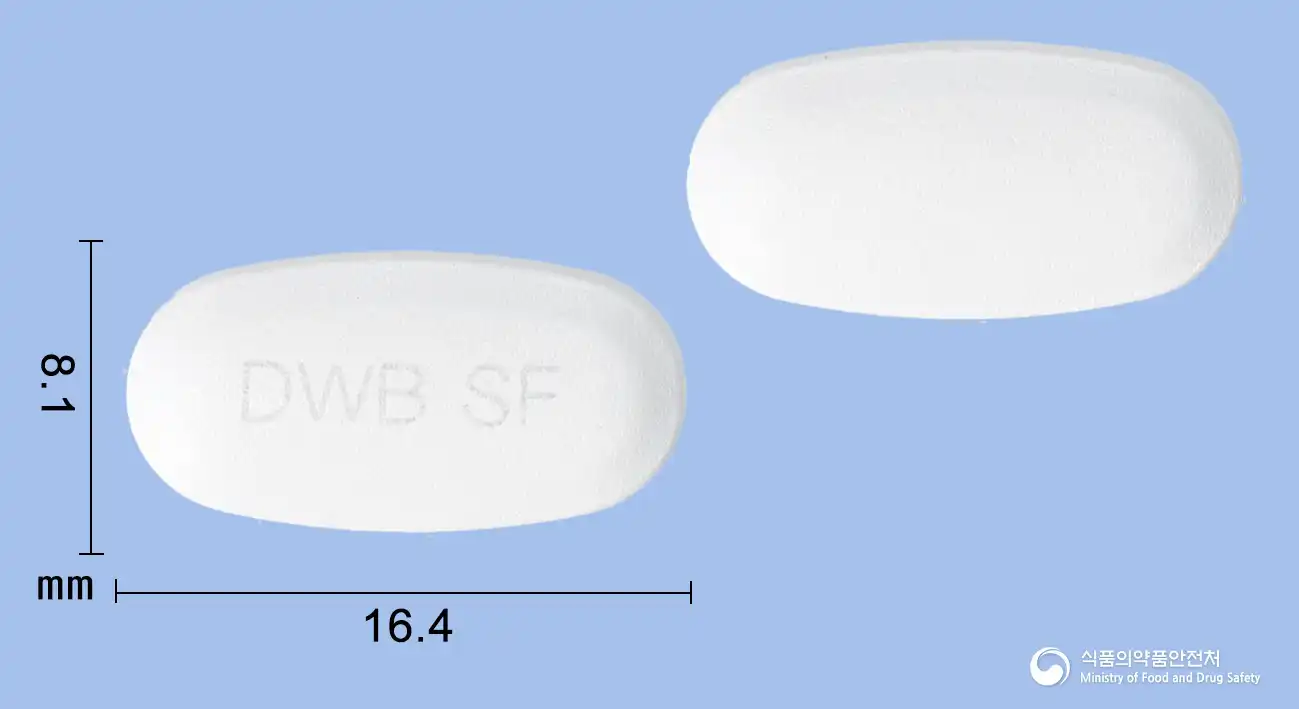 Combination
Pitavastatin Calcium Hydrate 2.205mg · Fenofibrate 160mg
Tablet · Prescription medication · Combination
Daewoong Bio Co., Ltd.
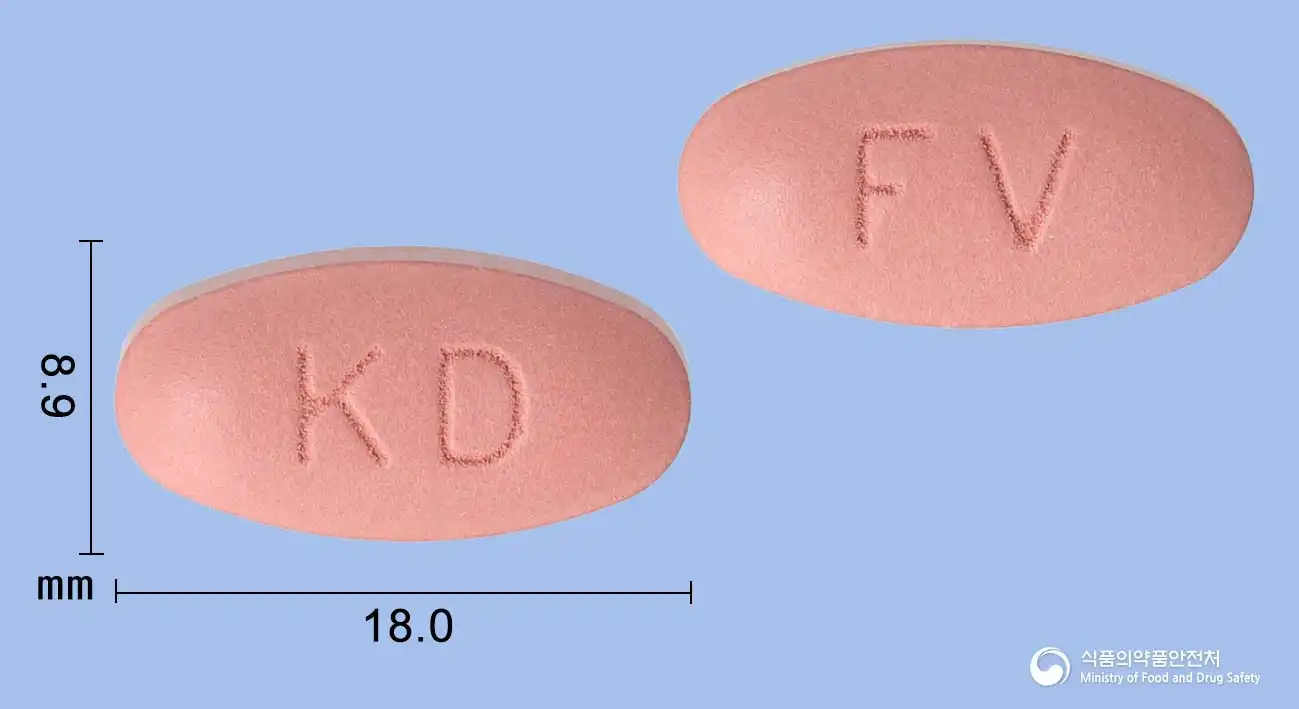 Combination
Fenofibrate 145mg · Pitavastatin Calcium 2mg
Tablet · Prescription medication · Combination
Kyungdong Pharmaceutical Co., Ltd.
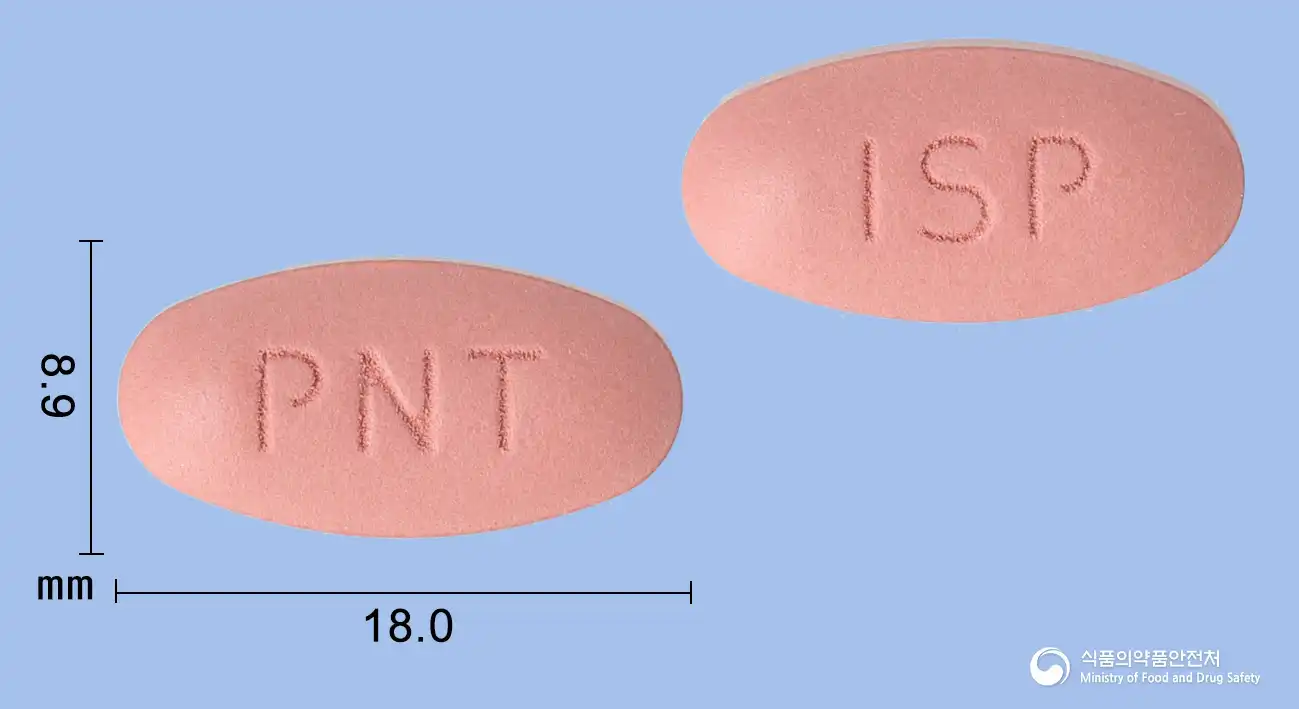 Combination
Fenofibrate 145mg · Pitavastatin Calcium 2mg
Tablet · Prescription medication · Combination
Il Sung IS Co., Ltd.
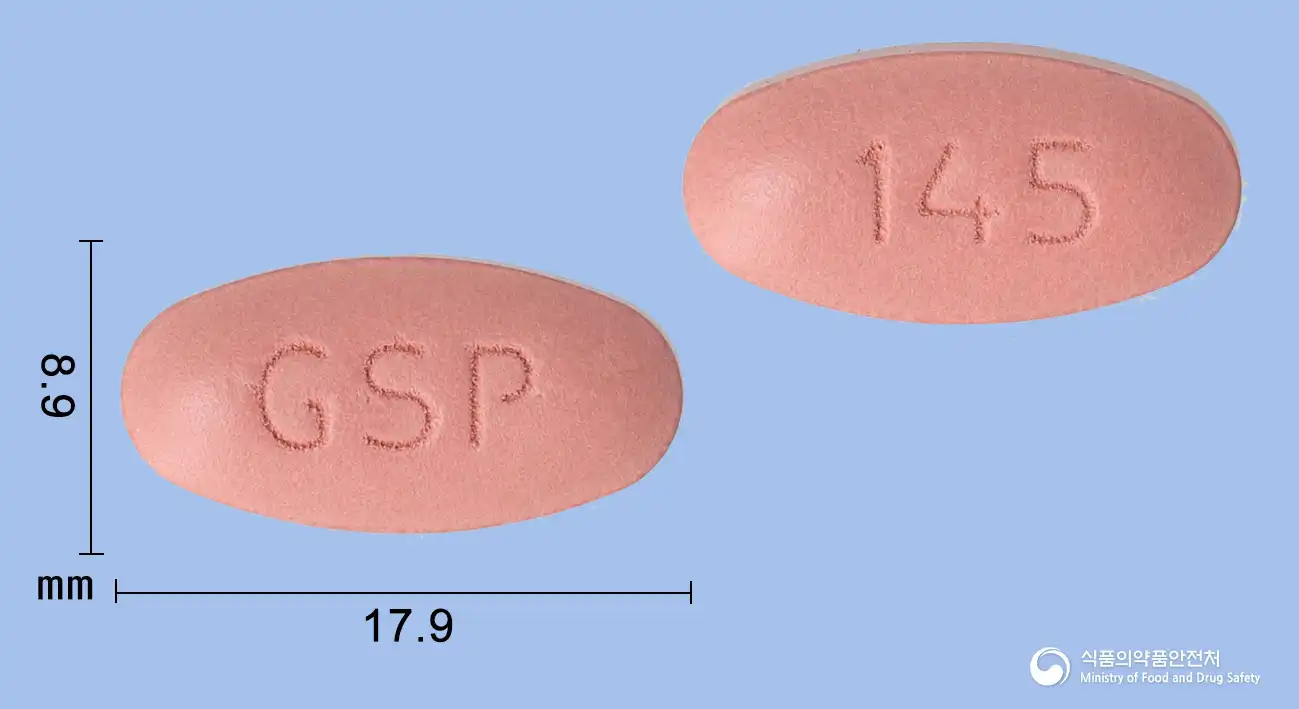 Combination
Fenofibrate 145mg · Pitavastatin Calcium 2mg
Tablet · Prescription medication · Combination
Samchundang Pharmaceutical Co., Ltd.
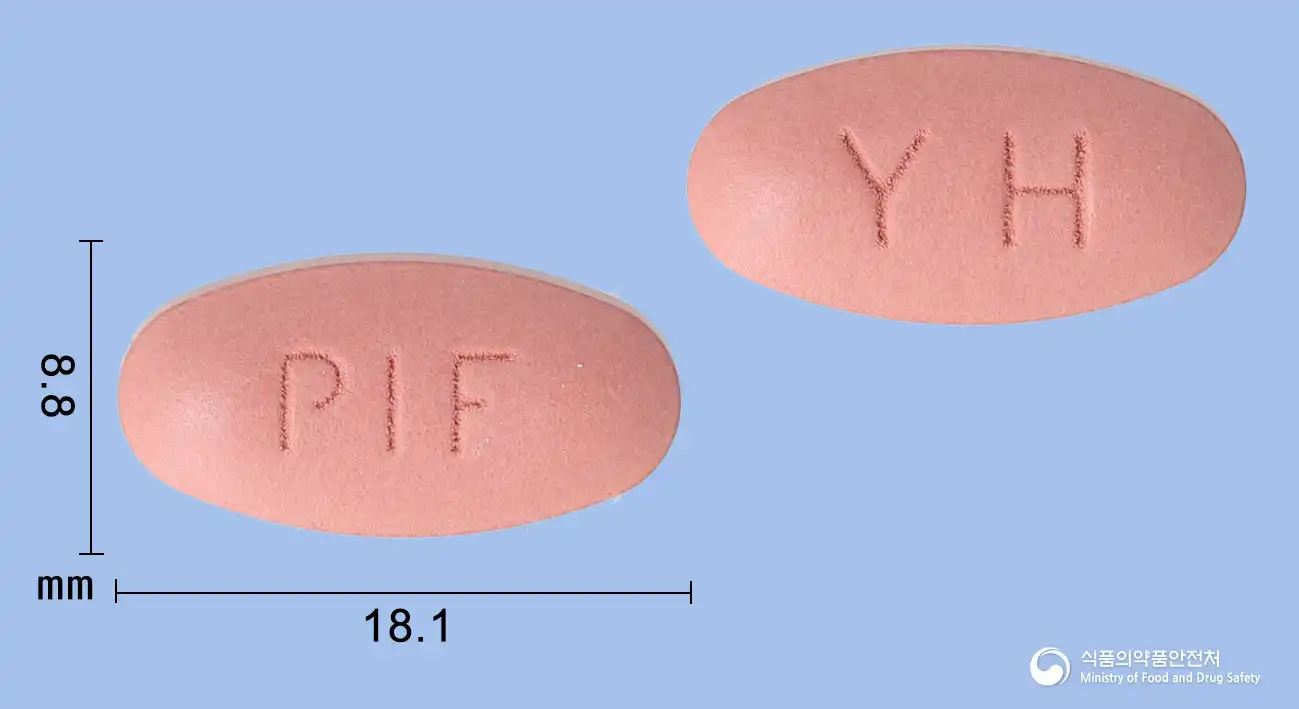 Combination
Fenofibrate 145mg · Pitavastatin Calcium 2mg
Tablet · Prescription medication · Combination
Yuhan Corporation
Even with the same ingredient, the dose and directions can differ by strength and dosage form. Talk to a doctor or pharmacist before switching from a medication you are already taking.
No questions yet.
For anything that needs medical judgment, consult a doctor or pharmacist.
This drug information is based on data provided by the Korea Ministry of Food and Drug Safety.
Consult a doctor or pharmacist for accurate dosage, administration, and usage instructions.