
 한국어
한국어 English
 日本語
日本語 中文(简体)
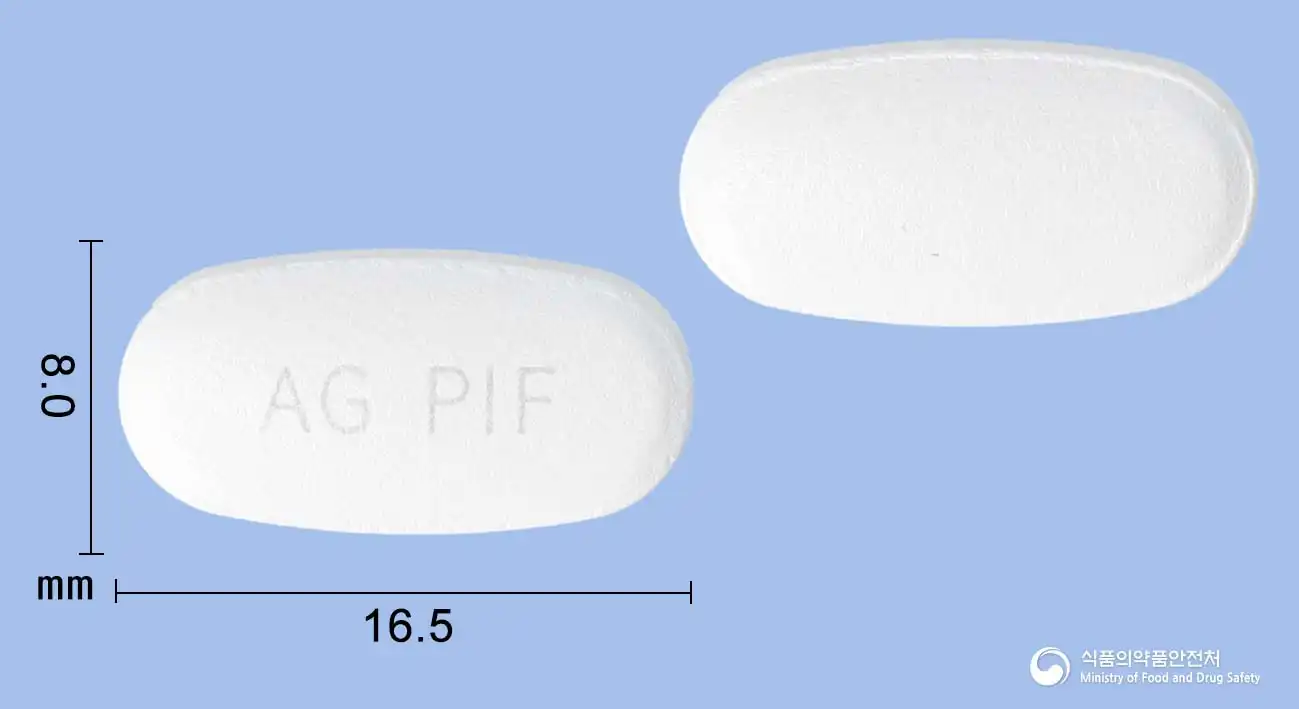 Viewing nowCombination
Pitastin Duo Tablets (Pitavastatin Calcium, Fenofibrate)
Fenofibrate Micronized 160mg · Pitavastatin Calcium 2mg
Tablet · Prescription medication · Combination
Allico Pharmaceutical Co., Ltd.
MFDS item code 202502269 · Approved 2025.08.29 · Insurance code 656005880
LDL cholesterol control and improvement of dyslipidemia
Pitavastatin 2 mg monotherapy can effectively control LDL cholesterol levels in high-risk adult patients with coronary heart disease. However, this treatment has limitations in lowering triglyceride levels and has a limited effect on increasing HDL cholesterol levels. Therefore, this medication is suitable for therapy focusing particularly on LDL cholesterol control in mixed dyslipidemia. It helps improve overall lipid levels, thereby reducing cardiovascular risk. Additional treatments may be necessary depending on the patient's condition, so regular check-ups and consultations are recommended. This medication is used in the treatment of mixed dyslipidemia.
As a recommended dose, take 1 tablet once daily immediately after a meal.
This medication carries a risk of muscle problems, so if symptoms such as muscle pain or weakness occur before taking it, you must inform your healthcare provider. Special caution is necessary for the elderly over 65 years, women, individuals with poor kidney function, those with uncontrolled hypothyroidism, and those with a history of muscle disorders or alcoholism. The risk of muscle toxicity may increase when taking this medication with other lipid-lowering agents or certain medications, so consult with your healthcare provider before combination therapy. Individuals with impaired liver function or liver disease should undergo liver function tests prior to taking this medication and continue to have regular liver function tests during use. If severe liver impairments or hepatitis symptoms occur, discontinue use immediately. Patients with moderate to severe kidney impairment should not take this medication, and those with mild kidney impairment should carefully monitor kidney function during use. This medication should not be administered to individuals with pancreatitis or gallbladder disease, and in cases where gallstones are suspected, confirmation through testing should be performed before deciding to take it. Pregnant or potentially pregnant women and breastfeeding women should not use this medication. It has not been confirmed safe or effective for use in children. During treatment with this medication, blood lipid levels should be monitored regularly, and if no effect is observed within 3 months, discontinuation should be considered. If surgery is planned or significant clinical events occur, consider temporary discontinuation. Symptoms such as fatigue, dizziness, headache, dyspepsia, and muscle pain may occur, and if these symptoms are severe or persist, consult with your healthcare provider. It is recommended to take this medication with food, as particularly fenofibrate is better absorbed when taken with food. Caution is needed as dizziness can occur while driving or operating machinery. Inform your healthcare provider if you are taking other medications during treatment, as there may be potential interactions. There are no specific antidotes for overdose, so appropriate treatment should be received according to symptoms, and keep out of reach of children.
Urticaria, angioedema, severe allergic reactions, severe skin adverse reactions (erythema multiforme, Stevens-Johnson syndrome, toxic epidermal necrolysis), thrombosis (pulmonary embolism, deep vein thrombosis), pancreatitis, jaundice, liver abnormalities, rhabdomyolysis, myopathy, muscle cramps, proximal muscle weakness, immune-mediated necrotizing myopathy, acute renal failure, worsening renal function, interstitial lung disease, sudden and severe headache, paralysis, altered consciousness
Not everyone experiences these, and they can vary from person to person.
This medication may be sensitive to air or moisture, so it should be stored in a tightly sealed container. It is best to maintain storage temperatures between 1 to 30 degrees Celsius at room temperature. Proper storage will help safely maintain the medication's effectiveness.
White oblong film-coated tablet
30 tablets/bottle, 100 tablets/bottle
Even with the same ingredient, strength, dosage form and how it is taken can differ.
Viewing nowCombinationFenofibrate Micronized 160mg · Pitavastatin Calcium 2mg
Tablet · Prescription medication · Combination
Allico Pharmaceutical Co., Ltd.
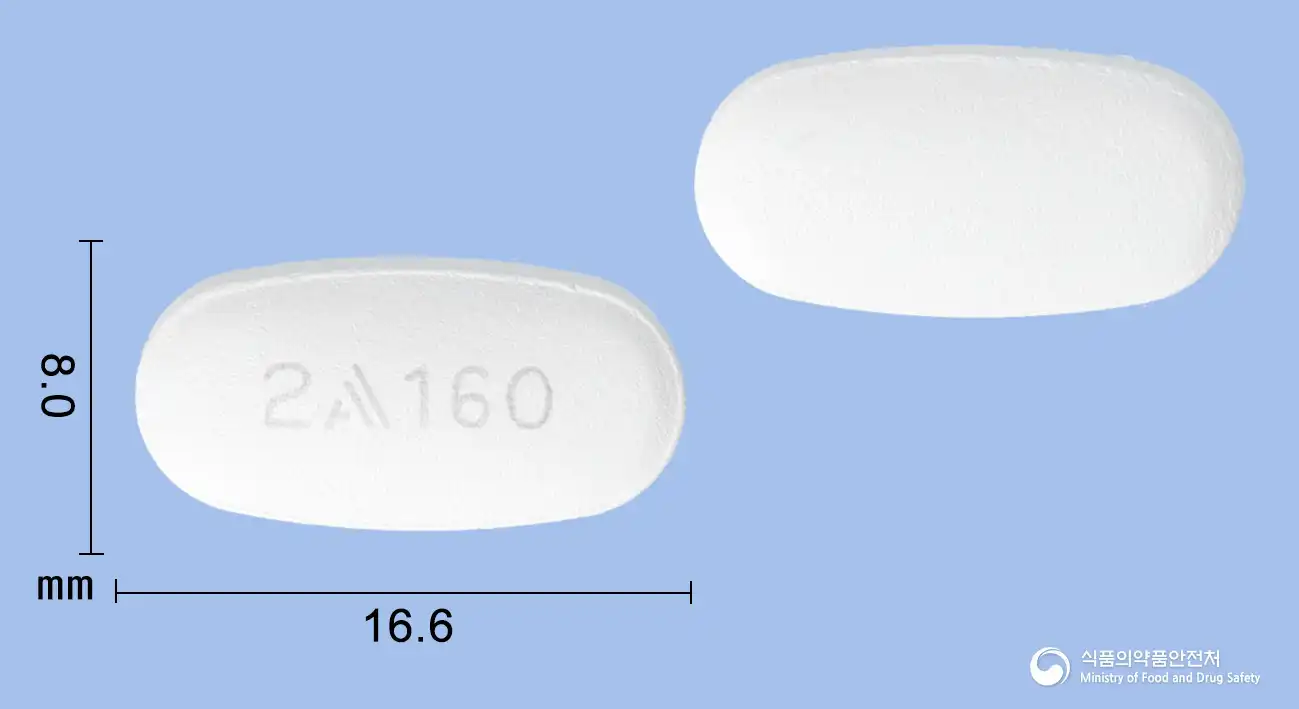 Combination
Fenofibrate Micronized 160mg · Pitavastatin Calcium 2mg
Tablet · Prescription medication · Combination
Aprogen BioLogic Co., Ltd.
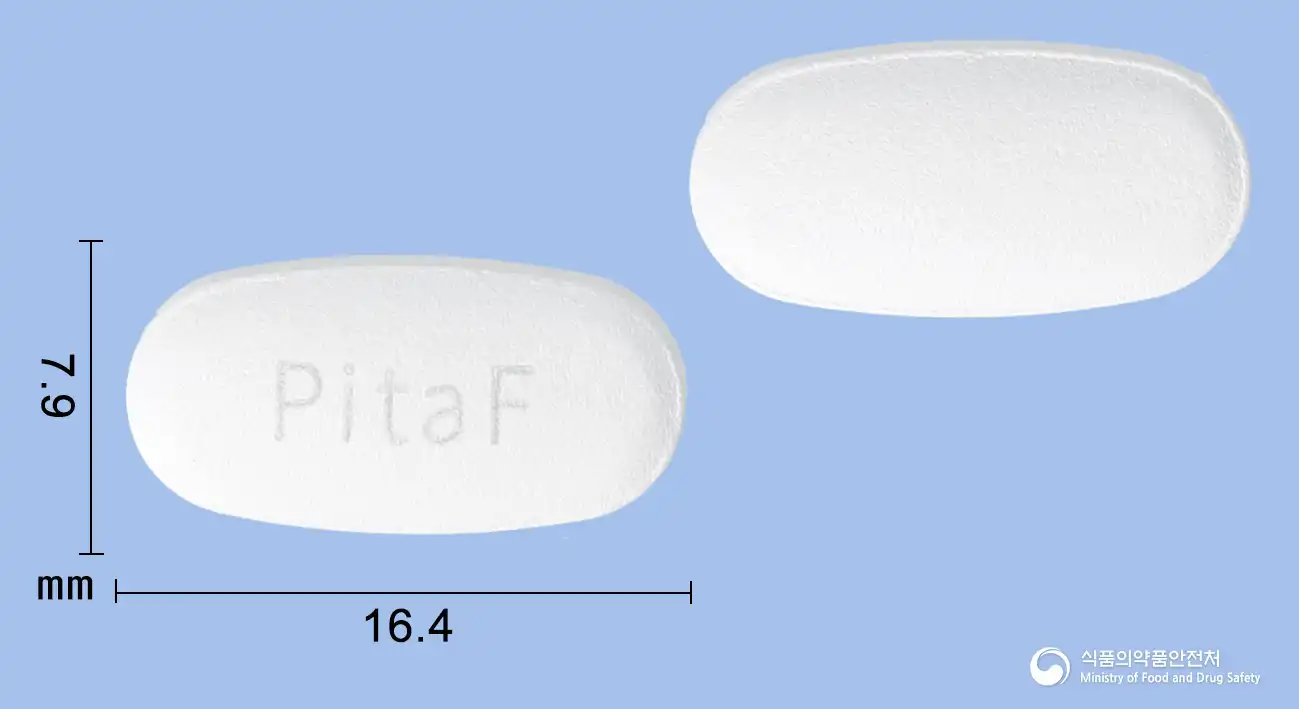 Combination
Fenofibrate Micronized 160mg · Pitavastatin Calcium 2mg
Tablet · Prescription medication · Combination
HLB Therapeutics Co., Ltd.
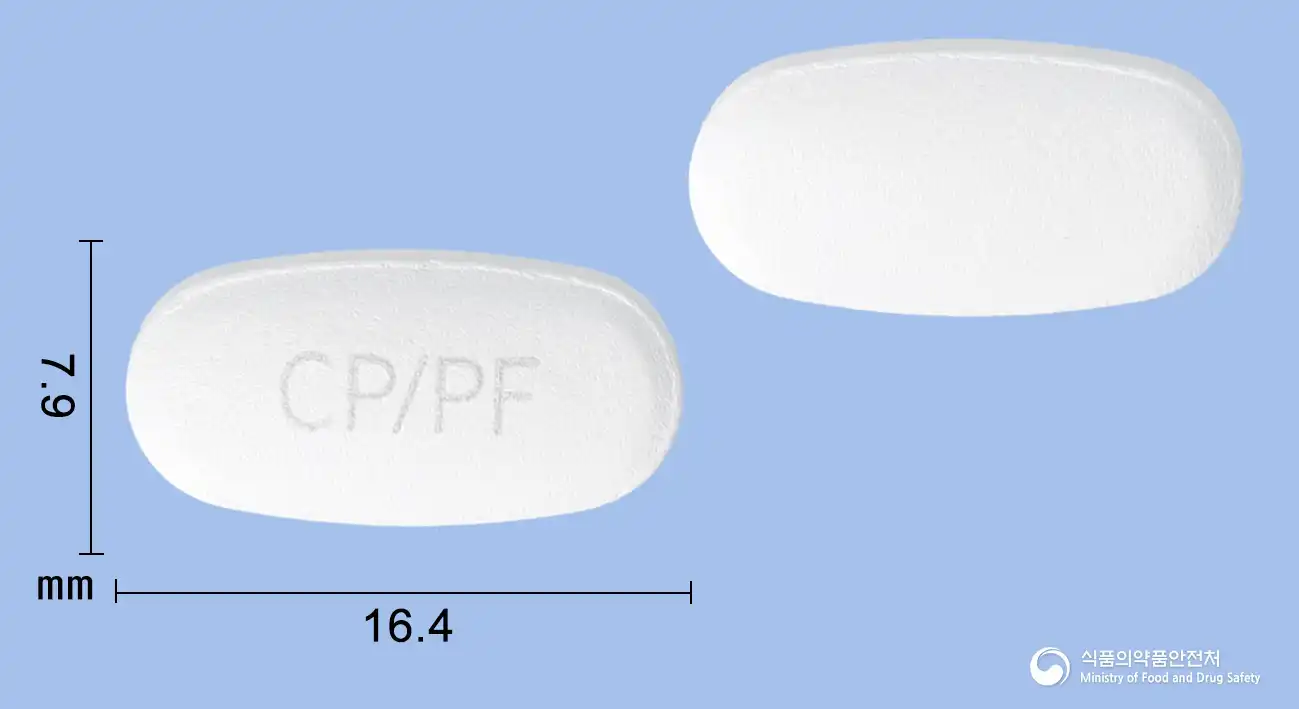 Combination
Fenofibrate Micronized 160mg · Pitavastatin Calcium 2mg
Tablet · Prescription medication · Combination
CMG Pharmaceutical Co., Ltd.
Even with the same ingredient, the dose and directions can differ by strength and dosage form. Talk to a doctor or pharmacist before switching from a medication you are already taking.
No questions yet.
For anything that needs medical judgment, consult a doctor or pharmacist.
This drug information is based on data provided by the Korea Ministry of Food and Drug Safety.
Consult a doctor or pharmacist for accurate dosage, administration, and usage instructions.