
 한국어
 English
 日本語
 中文(简体)
 Viewing nowCombination
Telminuvo Tablet 20/1.25 mg (Telmisartan, Amlodipine Besylate Hydrate)
Telmisartan 20mg · S-Amlodipine Besylate Dihydrate 1.844mg
Tablet · Prescription medication · Combination
Jongkundang Co., Ltd.
MFDS item code 202502268 · Approved 2025.08.29 · Insurance code 643310100
Treatment of essential hypertension
Essential hypertension is a condition where blood pressure remains consistently high without any specific cause. This medication helps control blood pressure, thereby reducing the burden on the heart and blood vessels. Consequently, it assists in managing essential hypertension, contributing to the prevention of complications. It is used in the treatment of essential hypertension.
This medicine (telmisartan/S-amlodipine 20/1.25mg) is used as initial therapy in patients with essential hypertension. Take 1 tablet once daily with water, regardless of meals. If possible, it is recommended to take it at the same time each day (e.g., in the morning).
This medication can pose a significant risk to the fetus, especially during the second and third trimesters of pregnancy, so it should not be used by women who are pregnant or may become pregnant. Patients with allergies to the active ingredient or related components, pregnant women, breastfeeding women, those with obstructive biliary disease, severe liver disorders, certain cardiac conditions, severe hypotension, patients in shock, unstable heart failure post-acute myocardial infarction, diabetes, or severe renal dysfunction should not take this medication. Patients with primary aldosteronism, aortic stenosis or mitral stenosis, liver disorders, gastrointestinal diseases, renal artery hypertension, patients undergoing dialysis for renal failure, elderly patients, and those on certain medications should use this drug cautiously. This medication lowers blood pressure; however, excessive lowering of blood pressure can exacerbate underlying conditions, so particular care should be taken with elderly patients or those with renal artery hypertension. If symptoms of hypotension occur, immediate action should be taken. Serious side effects such as hyperkalemia, renal dysfunction, liver dysfunction, vascular edema, shock, and syncope may occur; if any adverse symptoms develop, consult a doctor immediately. Additionally, this medication may interact with other drugs, so it is important to inform your doctor if you are taking lithium, digoxin, non-steroidal anti-inflammatory drugs, certain antibiotics, or cardiovascular medications. Dizziness or drowsiness may occur when driving or operating machinery; therefore, caution is required. The safety and efficacy have not been sufficiently verified in children, so it is not recommended. For elderly patients aged 75 and older, close observation of their condition is required when starting treatment. In case of overdose, symptoms such as hypotension, arrhythmia, and renal failure may occur, necessitating immediate emergency measures. When storing, keep it out of reach of children and do not transfer to another container.
Not everyone experiences these, and they can vary from person to person.
This medication should be stored in a sealed container to protect it from air and moisture. It is important to maintain a storage temperature between 1 to 30 degrees Celsius.
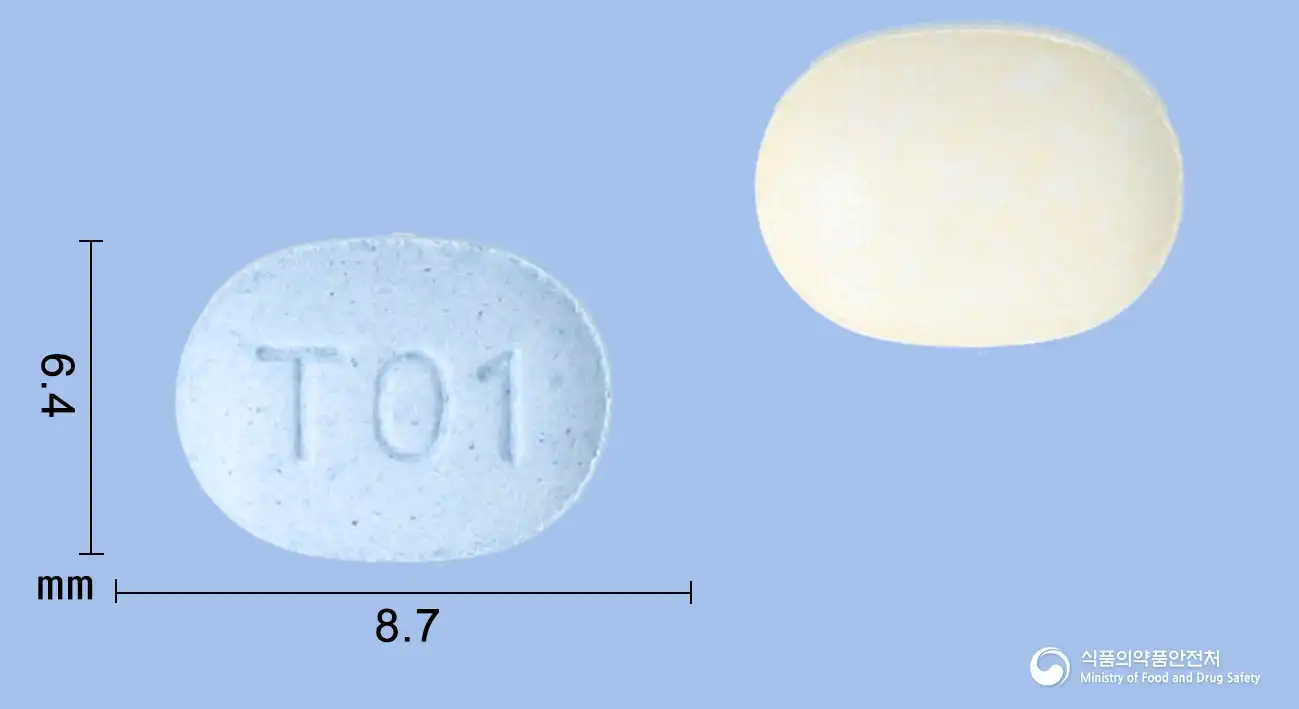
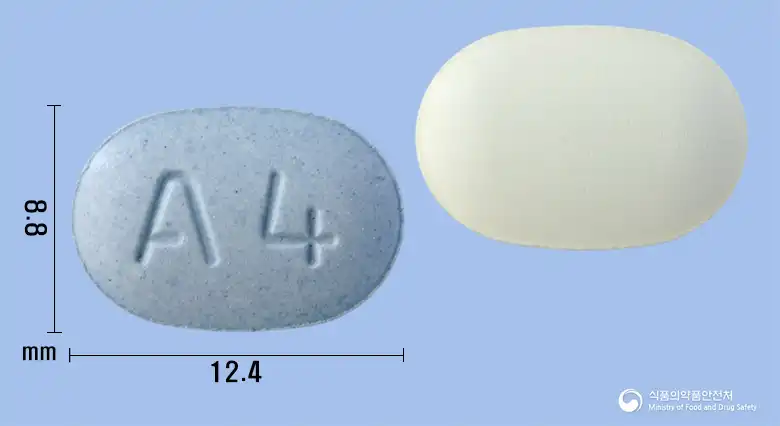
Oval tablets consisting of two layers, light yellow - light blue.
30 tablets/bottle, 5 tablets/bottle
Even with the same ingredient, strength, dosage form and how it is taken can differ.
Viewing nowCombinationTelmisartan 20mg · S-Amlodipine Besylate Dihydrate 1.844mg
Tablet · Prescription medication · Combination
Jongkundang Co., Ltd.
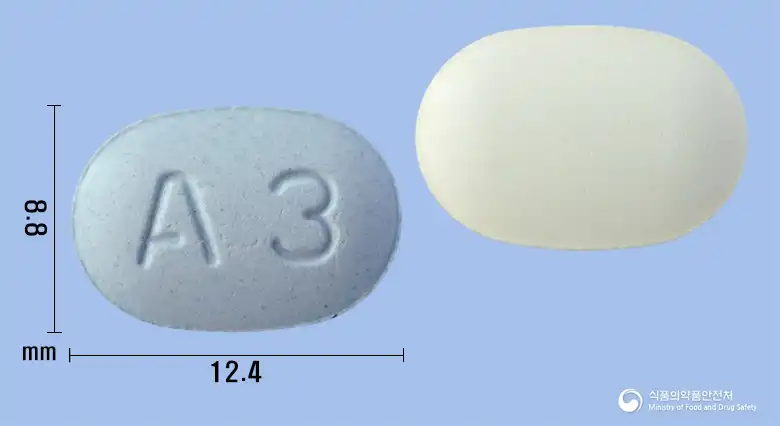 Combination
Telmisartan 80mg · S-Amlodipine Besylate Dihydrate 3.69mg
Tablet · Prescription medication · Combination
Jongkundang Co., Ltd.
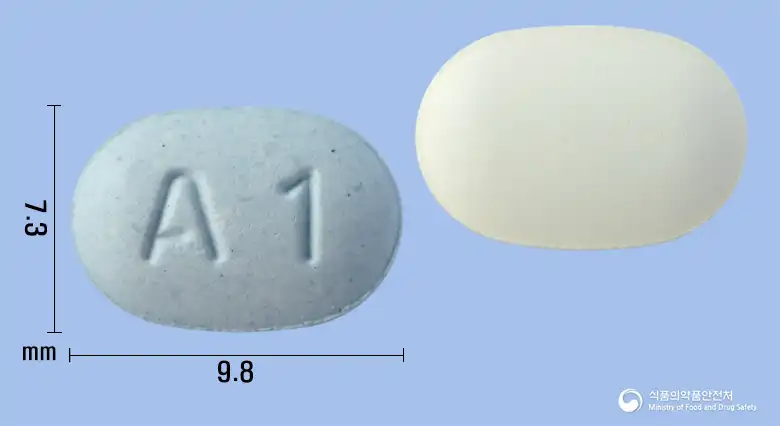 Combination
Telmisartan 40mg · S-Amlodipine Besylate Dihydrate 3.69mg
Tablet · Prescription medication · Combination
Jongkundang Co., Ltd.
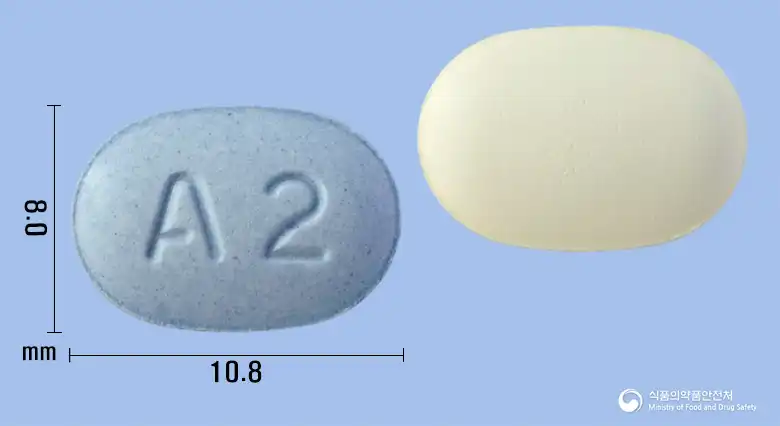 Combination
Telmisartan 40mg · S-Amlodipine Besylate Dihydrate 7.38mg
Tablet · Prescription medication · Combination
Jongkundang Co., Ltd.
 Combination
Telmisartan 80mg · S-Amlodipine Besylate Dihydrate 7.38mg
Tablet · Prescription medication · Combination
Jongkundang Co., Ltd.
Telmisartan 80mg · S-Amlodipine Besylate Dihydrate 7.38mg
Tablet · Prescription medication · Combination
BC World Pharmaceutical Co., Ltd.
Telmisartan 80mg · S-Amlodipine Besylate Dihydrate 7.38mg
Tablet · Prescription medication · Combination
BC World Healthcare Co., Ltd.
Telmisartan 40mg · S-Amlodipine Besylate Dihydrate 7.38mg
Tablet · Prescription medication · Combination
BC World Pharmaceutical Co., Ltd.
Even with the same ingredient, the dose and directions can differ by strength and dosage form. Talk to a doctor or pharmacist before switching from a medication you are already taking.
No questions yet.
For anything that needs medical judgment, consult a doctor or pharmacist.
This drug information is based on data provided by the Korea Ministry of Food and Drug Safety.
Consult a doctor or pharmacist for accurate dosage, administration, and usage instructions.