
 한국어
 English
 日本語
 中文(简体)
Dosage form image
Viewing nowPilostate Ophthalmic Solution 1% (Pilocarpine Hydrochloride) (Single Use)
Pilocarpine Hydrochloride 10mg
Eye drops · Prescription medication
Daewoo Pharmaceutical Co., Ltd.
MFDS item code 202502260 · Approved 2025.08.28
Miosis for diagnostic and therapeutic purposes; treatment of glaucoma
Used to constrict the pupil for the diagnosis or treatment of glaucoma.
Instill 1-2 drops per dose, 3-5 times daily. Adjust the dose as appropriate according to symptoms. Discard any remaining solution and the container immediately after use.
This medication should not be used in certain patients. For example, individuals who are allergic to the components of this drug, patients with eye inflammation, and those with glaucoma or corneal damage should not use this medication. Additionally, patients with asthma, heart disease, thyroid issues, gastrointestinal disorders, Parkinson’s disease, high blood pressure, and other specific health conditions should use this medication with caution. Children and individuals with myopia also need to be careful. While using this medication, side effects such as itching, blurred vision, and eye pain may occur. Rarely, systemic side effects such as headaches, vomiting, and bronchospasms may occur, so immediate consultation with medical personnel is necessary if symptoms appear. When driving or operating machinery, caution should be exercised as this medication may affect vision, especially in low-light conditions. Furthermore, it should be avoided in cases of severe eye inflammation. Interactions may occur when used with other medications, so it is essential to inform your healthcare provider of any current medications. If surgery is planned, inform the medical staff as this medication may influence the effects of anesthetics. Pregnant or breastfeeding women are advised to avoid this medication, and especially those who may become pregnant should not use it for safety reasons. Elderly patients should use this medication with greater caution due to potentially diminished bodily functions. In cases of overdose, inducing vomiting or gastric lavage may be necessary, and immediate treatment should be sought if toxic symptoms arise. Maintain cleanliness when administering; accurately place the medication in the eye after lifting the eyelid, then close the eye and apply gentle pressure to the tear duct for a period to ensure proper absorption. Take care not to let the tip of the container come in direct contact with the eye. This medication should be stored in a cool and dry place out of reach of children, and should not be transferred to other containers to maintain its quality.
Not everyone experiences these, and they can vary from person to person.
This medication should be stored in a tightly sealed container to protect it from air and moisture. It is important to maintain a storage temperature between 1°C and 30°C. Proper storage will help preserve the efficacy and safety of the medication.
A colorless, transparent liquid contained in a clear plastic bottle for ophthalmic use.
10.5 milliliters/box [0.35mL x 30 vials]
Even with the same ingredient, strength, dosage form and how it is taken can differ.
Pilocarpine Hydrochloride 10mg
Eye drops · Prescription medication
Daewoo Pharmaceutical Co., Ltd.
Pilocarpine Hydrochloride 20mg
Eye drops · Prescription medication
Samil Pharmaceutical Co., Ltd.
Pilocarpine Hydrochloride 20mg
Solution · Prescription medication
Korea Novartis Co., Ltd.
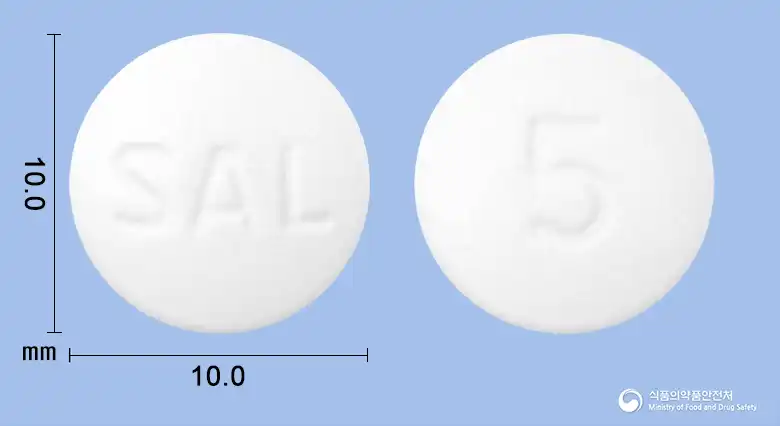
Pilocarpine Hydrochloride 5mg
Tablet · Prescription medication
Korea Ezij (Co., Ltd.)
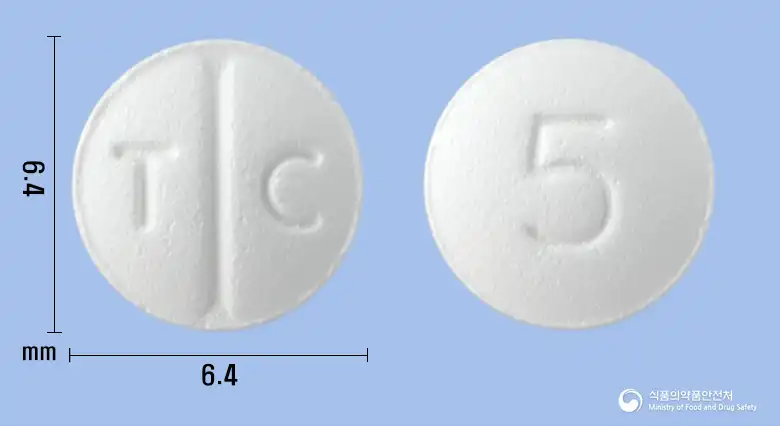
Pilocarpine Hydrochloride 5mg
Tablet · Prescription medication
CTC Bio, Inc.
Pilocarpine Hydrochloride 5mg
Tablet · Prescription medication
Boryeong Co., Ltd.
Even with the same ingredient, the dose and directions can differ by strength and dosage form. Talk to a doctor or pharmacist before switching from a medication you are already taking.
No questions yet.
For anything that needs medical judgment, consult a doctor or pharmacist.
This drug information is based on data provided by the Korea Ministry of Food and Drug Safety.
Consult a doctor or pharmacist for accurate dosage, administration, and usage instructions.