
 한국어
한국어 English
 日本語
日本語 中文(简体)
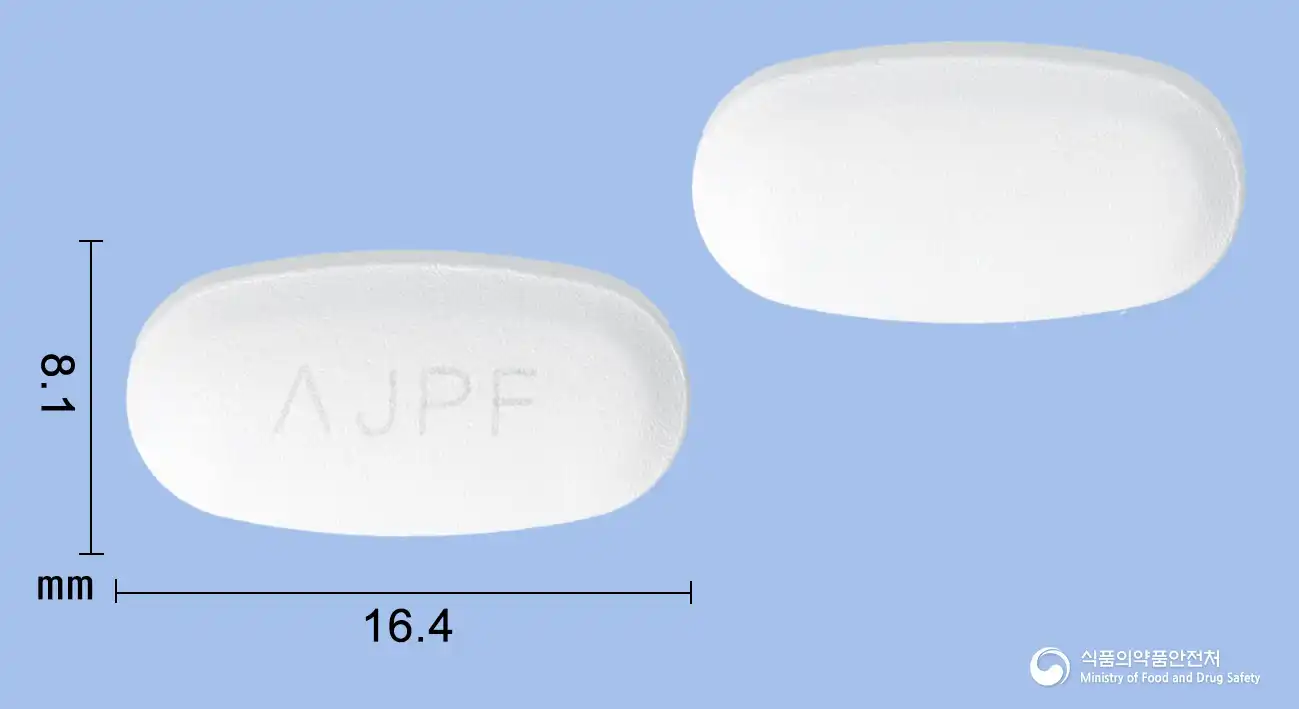 Viewing nowCombination
Pitalet Tablet 2/160mg (Pitavastatin Calcium Hydrate, Fenofibrate)
Pitavastatin Calcium Hydrate 2.205mg · Fenofibrate 160mg
Tablet · Prescription medication · Combination
Ajou Pharmaceutical Co., Ltd.
MFDS item code 202502258 · Approved 2025.08.28 · Insurance code 654006270
Control of LDL cholesterol and improvement of dyslipidemia
Pitavastatin 2mg monotherapy effectively controls LDL cholesterol levels in high-risk adult patients with coronary artery disease. However, triglyceride levels may remain elevated, and HDL cholesterol levels may persistently remain low in patients with mixed dyslipidemia. This drug is particularly helpful in improving cholesterol levels to prevent cardiovascular diseases.
As a recommended dosage, take 1 tablet once daily immediately after a meal.
This drug is used to lower cholesterol and triglycerides. Symptoms such as muscle pain, weakness, and cramps may occur, so caution is advised. Particularly, elderly patients, women, individuals with impaired kidney function, those with uncontrolled hypothyroidism, and those with a history of muscle diseases should consult a doctor before taking this medication. The risk of muscle damage may increase when taken in combination with other lipid-lowering agents, so caution is needed during concurrent use. Patients with impaired liver function or liver disease, gallbladder disease, or pancreatitis should not take this medication. It should not be administered to pregnant women, women who may become pregnant, nursing mothers, or children under 18 years of age. Regular liver function tests and muscle-related tests are recommended during the drug use, and if any unusual symptoms appear, medical personnel should be notified immediately. Those who consume excessive alcohol should also exercise caution when taking this medication. Additionally, if surgery is planned, it should be reported in advance to consider temporarily stopping the medication. It is advisable to take this drug with food, and caution should be exercised when driving or operating machinery as dizziness may occur. Due to many drug interactions, if other medications are being taken, the doctor or pharmacist must be informed, especially when combined with certain antibiotics, immunosuppressants, or anticoagulants. If symptoms such as muscle pain, fatigue, jaundice, skin rash, or breathing difficulties occur while taking this drug, immediate medical attention is required.
Urticaria, angioedema, acute hypersensitivity (anaphylaxis and angioedema), severe allergic reactions, severe skin reactions (erythema multiforme, Stevens-Johnson syndrome, toxic epidermal necrolysis), severe dermatological reactions, rhabdomyolysis, myopathy, myalgia, rhabdomyolysis with or without renal failure, muscle cramps, elevated myoglobin, increased CPK, weakness, liver dysfunction (including jaundice), acute pancreatitis, obstruction
Not everyone experiences these, and they can vary from person to person.
This drug must be stored in a tightly sealed container to prevent air or moisture from entering. Additionally, the drug should be kept away from excessively hot or cold places and should ideally be stored at room temperature between 1°C and 30°C.
White, rectangular film-coated tablet
30 tablets/bottle, 300 tablets/bottle
Even with the same ingredient, strength, dosage form and how it is taken can differ.
Viewing nowCombinationPitavastatin Calcium Hydrate 2.205mg · Fenofibrate 160mg
Tablet · Prescription medication · Combination
Ajou Pharmaceutical Co., Ltd.
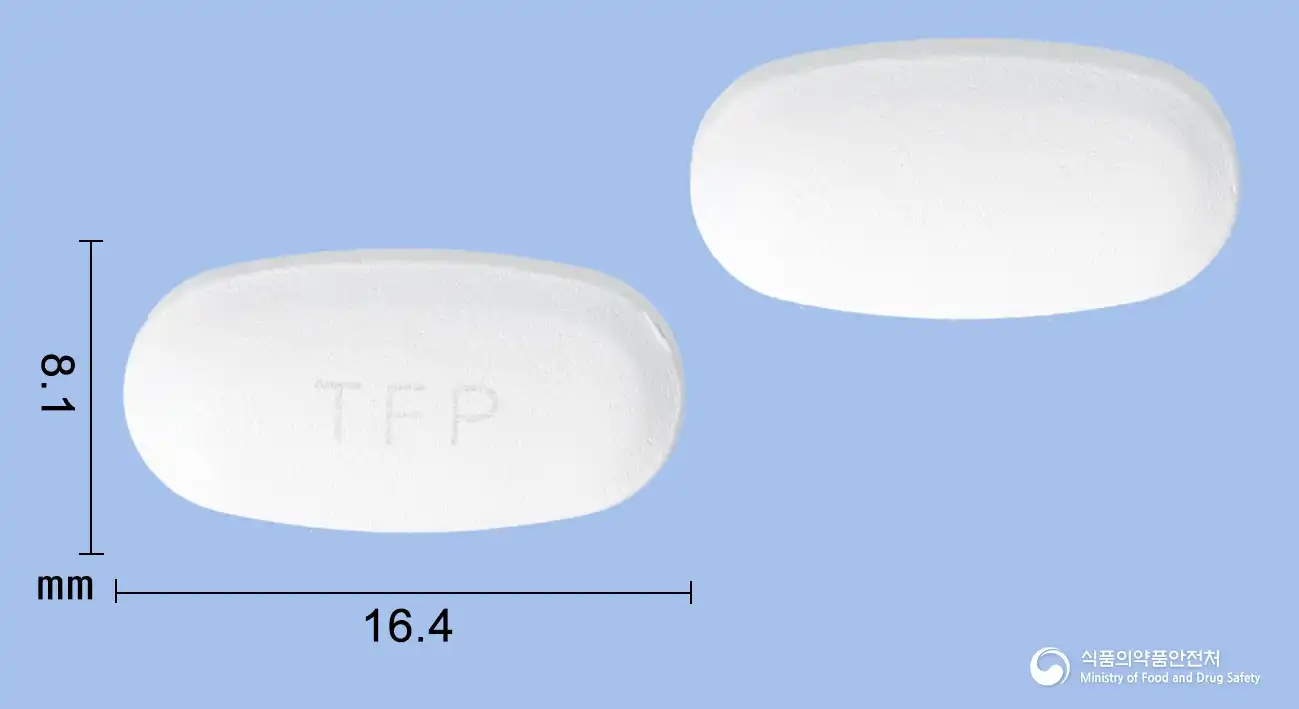 Combination
Pitavastatin Calcium Hydrate 2.205mg · Fenofibrate 160mg
Tablet · Prescription medication · Combination
Teragen Etex Co., Ltd.
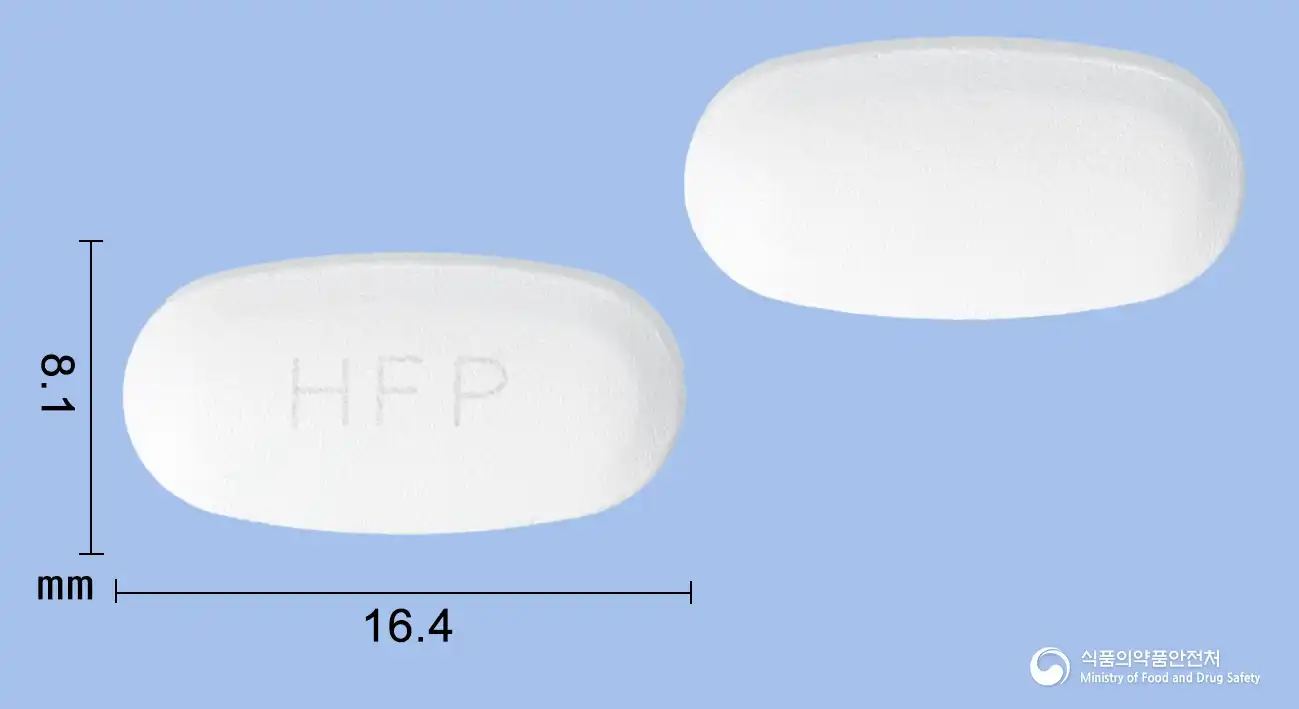 Combination
Pitavastatin Calcium Hydrate 2.205mg · Fenofibrate 160mg
Tablet · Prescription medication · Combination
Hana Pharmaceutical Co., Ltd.
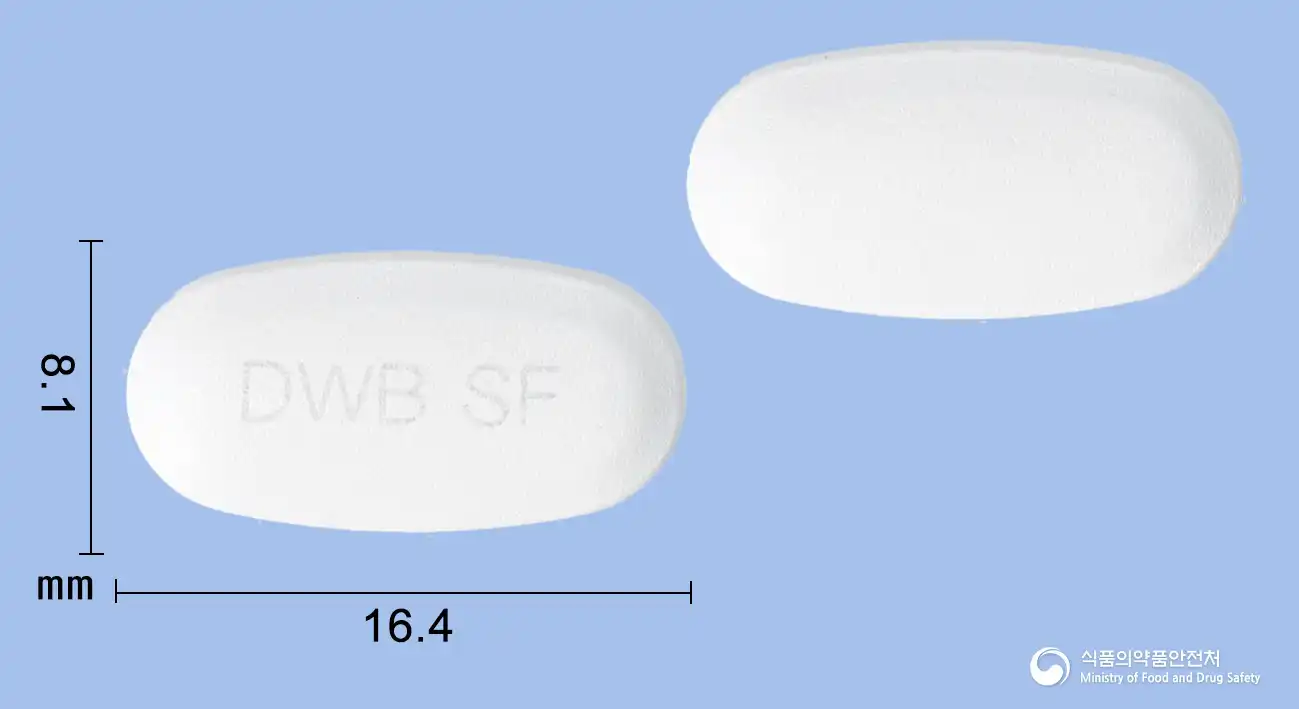 Combination
Pitavastatin Calcium Hydrate 2.205mg · Fenofibrate 160mg
Tablet · Prescription medication · Combination
Daewoong Bio Co., Ltd.
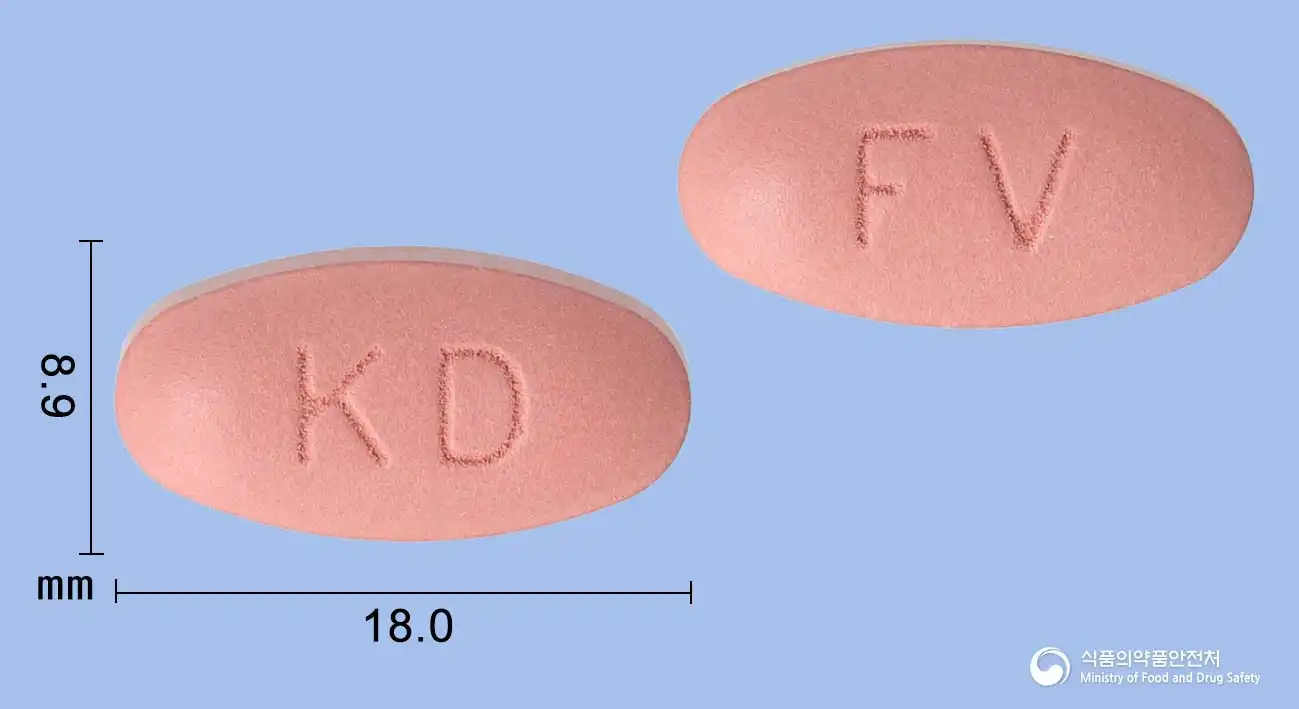 Combination
Fenofibrate 145mg · Pitavastatin Calcium 2mg
Tablet · Prescription medication · Combination
Kyungdong Pharmaceutical Co., Ltd.
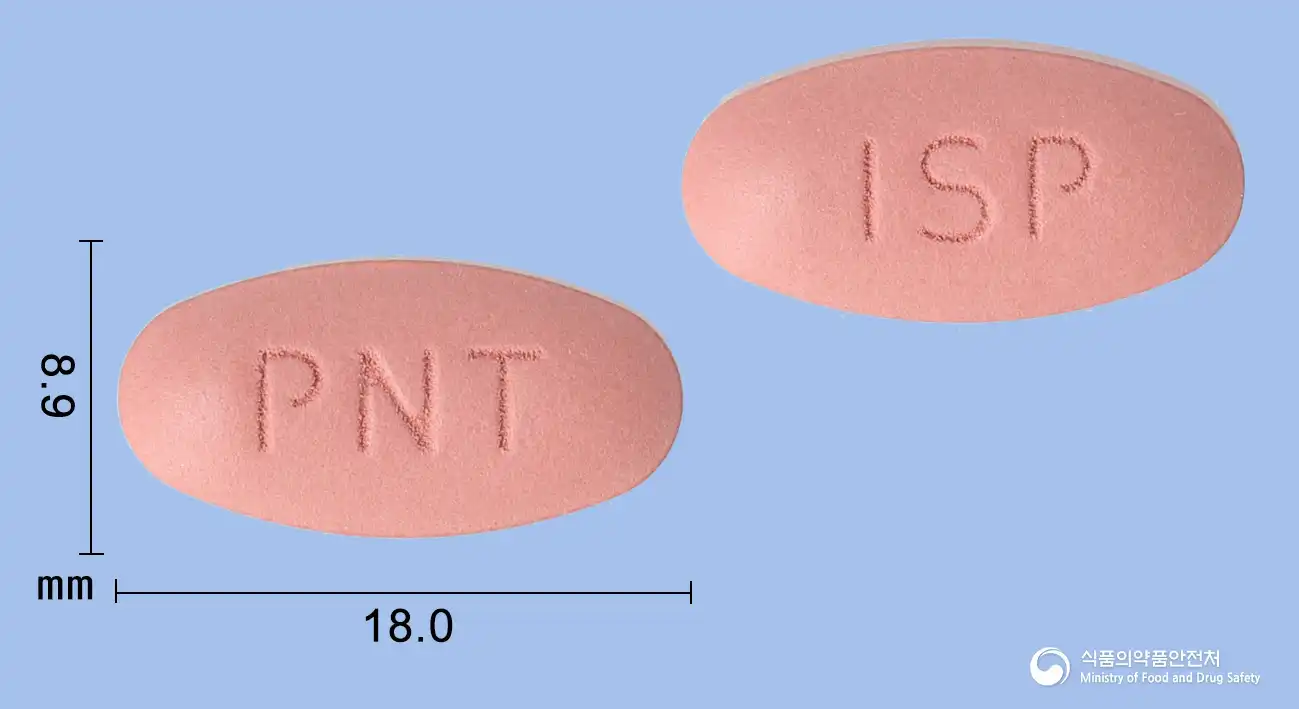 Combination
Fenofibrate 145mg · Pitavastatin Calcium 2mg
Tablet · Prescription medication · Combination
Il Sung IS Co., Ltd.
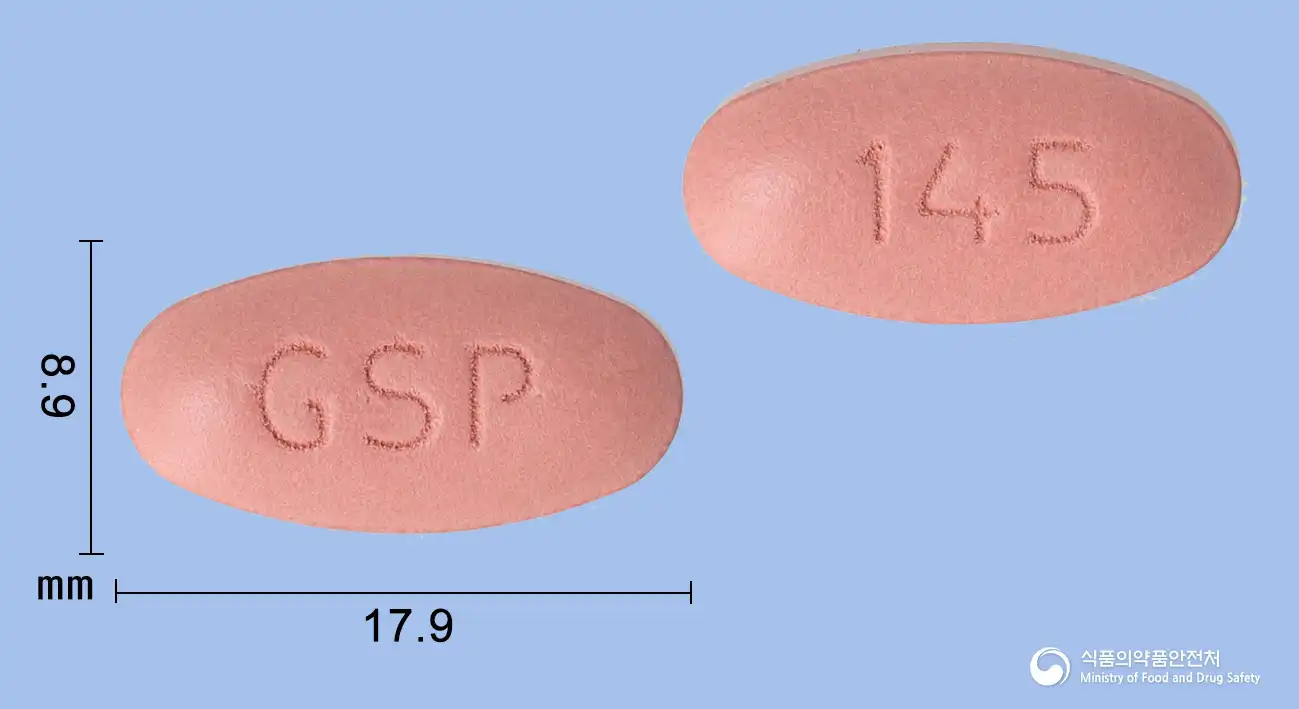 Combination
Fenofibrate 145mg · Pitavastatin Calcium 2mg
Tablet · Prescription medication · Combination
Samchundang Pharmaceutical Co., Ltd.
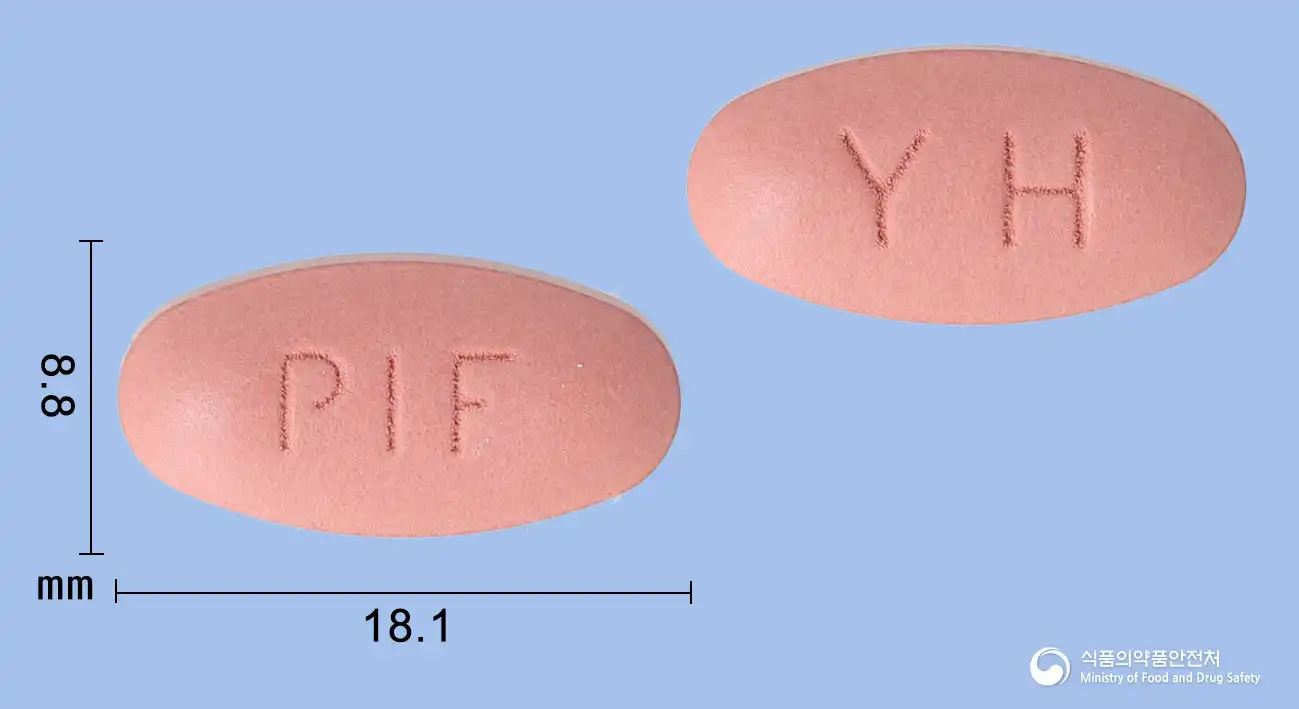 Combination
Fenofibrate 145mg · Pitavastatin Calcium 2mg
Tablet · Prescription medication · Combination
Yuhan Corporation
Even with the same ingredient, the dose and directions can differ by strength and dosage form. Talk to a doctor or pharmacist before switching from a medication you are already taking.
No questions yet.
For anything that needs medical judgment, consult a doctor or pharmacist.
This drug information is based on data provided by the Korea Ministry of Food and Drug Safety.
Consult a doctor or pharmacist for accurate dosage, administration, and usage instructions.