
 한국어
 English
 日本語
 中文(简体)
 Viewing nowCombination
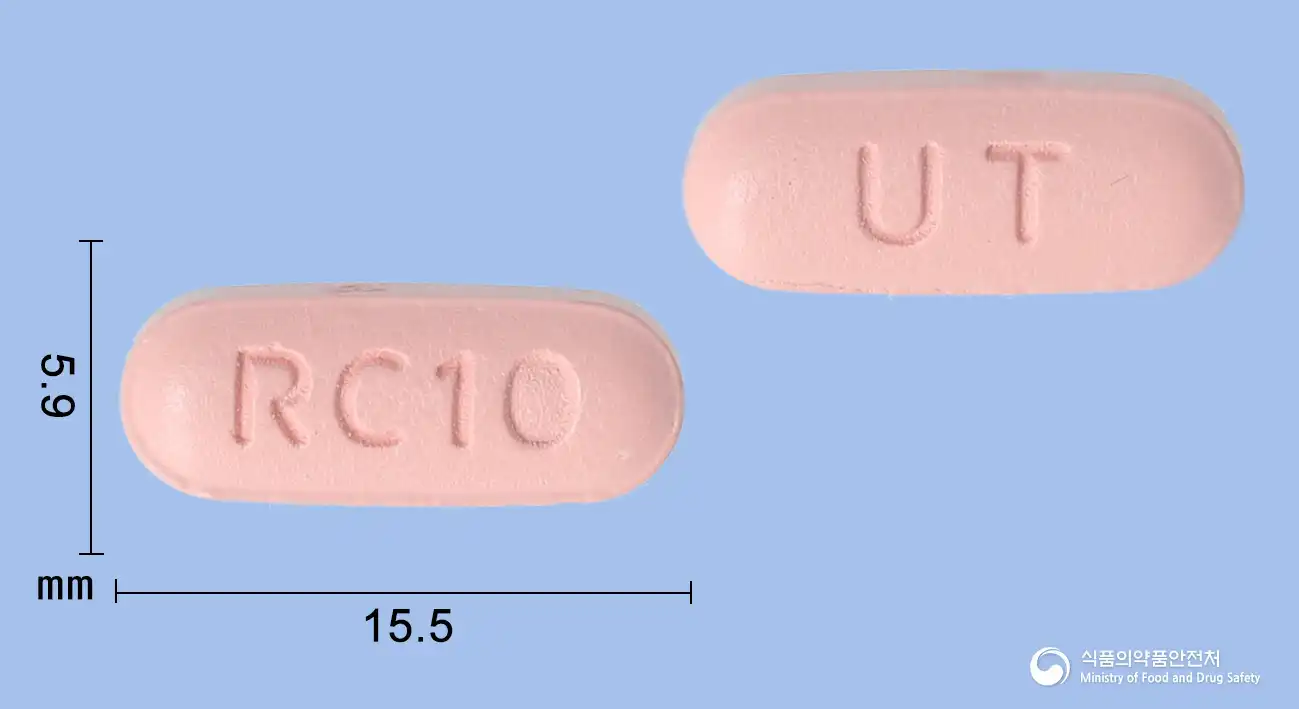
Silo-Duo Extended Release Tablet 200/10 mg (Cilostazol, Rosuvastatin)
Cilostazol 80mg · Rosuvastatin Calcium 10.4mg
Tablet · Prescription medication · Combination
Korea United Pharmaceutical Co., Ltd.
MFDS item code 202502257 · Approved 2025.08.27 · Insurance code 644309840
Alternative treatment to existing combination therapy for atherosclerotic chronic arterial occlusive disease
If patients are taking Rosuvastatin and Cilostazol for chronic arterial occlusive disease due to atherosclerosis and diabetic peripheral vascular disease, these two medications help control blood cholesterol levels and improve blood circulation. When considering alternative medications, it is important to select lipid-lowering agents and blood flow enhancers with the same effects. For example, atorvastatin, another statin, can be used instead of Rosuvastatin, and pentoxifylline, which has blood flow improvement effects, can be considered as an alternative to Cilostazol. However, any changes to medications should be discussed with a specialist to carefully assess the patient's condition and risk of side effects. The combination therapy should be individualized, prioritizing the maintenance of therapeutic efficacy and safety.
In adult patients receiving stable concomitant treatment with rosuvastatin and cilostazol, treatment may be switched to this drug (a fixed-dose combination containing the same amount of each active ingredient). Take 1 tablet once daily by mouth on an empty stomach, avoiding meals. Do not crush or chew this drug; swallow the tablet whole.
This medication contains two components that improve blood circulation and control cholesterol levels. Firstly, this medication should be used with caution in patients with heart disease or experiencing angina symptoms. Increased heart rate may lead to symptoms of angina, such as chest pain, so it is essential to discuss these symptoms with a physician. Additionally, patients with bleeding tendencies or at high risk for bleeding, patients with congestive heart failure, patients with severe liver dysfunction, and patients with muscular disorders should not take this medication. Pregnant or breastfeeding women, as well as women of childbearing age who do not use appropriate contraception, should also avoid this medication. This medication may affect blood coagulation, so patients taking anticoagulants or antiplatelet agents must consult a physician before taking it. Women who are menstruating should also be cautious due to the risk of bleeding. Patients with weak liver function, diabetes, uncontrolled high blood pressure, or arrhythmias must use this medication carefully. If symptoms such as muscle pain, muscle weakness, fatigue, or fever occur while taking this medication, it is crucial to notify medical personnel immediately and, if necessary, blood tests should be performed to check for muscle damage. Taking this medication with food may increase blood concentration and the risk of side effects, so it is recommended to take it on an empty stomach, and to avoid high-fat meals. Caution is advised when driving or operating machinery, as dizziness may occur. Furthermore, this medication can interact with various drugs, so if other medications are being taken, it is essential to inform a physician or pharmacist and seek advice. Women who are pregnant or planning to become pregnant should avoid taking this medication, and if pregnancy occurs during treatment, it should be stopped immediately. Breastfeeding women should also avoid taking this medication and should stop breastfeeding if taking it. For elderly patients, caution is required due to potentially reduced physical function. In cases of overdose, severe headache, diarrhea, hypotension, rapid heartbeat, and arrhythmias may occur, so immediate medical attention is necessary. Finally, keep this medication out of the reach of children, and avoid transferring it to other containers.
Increased heartbeat, angina, bleeding, headache, dizziness, diarrhea, abdominal pain, constipation, dyspepsia, abdominal discomfort, upper abdominal pain, dry mouth, esophageal ulcer, intracranial aneurysm, polyneuropathy, lower back pain, limb pain, myalgia, myositis, osteoarthritis, spinal stenosis, peripheral edema, weakness, chest pain, fever, dryness syndrome, coronavirus infection, fungal infection, boil, influenza, paronychia, periodontitis, dyspnea, cough, exertional dyspnea, obstructive sleep apnea syndrome, abnormal breathing, increased alanine aminotransferase, increased blood creatine phosphokinase, increased blood creatinine, increased aspartate aminotransferase, palpitations, coronary artery disease, tachycardia, urticaria, pruritus, rash, contusion, foot fracture, ligament sprain, thermal burn, decreased appetite, inadequately controlled diabetes, hyperkalemia, hypokalemia, anuria, proteinuria, ureteral calculi, hypertension, hypotension, myxoma, pancreatic carcinoma, prostate cancer, insomnia, sleep disorders, dizziness, cholangitis, atrial fibrillation, joint swelling, limb pain, chest discomfort, chronic kidney failure, pituitary insufficiency, hypoglycemia, syncope, large cell lung cancer, esophageal cancer, malfunction of implanted defibrillator, photosensitivity reaction, rash, itching, chills, malaise, neck stiffness, pelvic pain, retroperitoneal hemorrhage, atrial flutter, loss of tachycardia, ventricular tachycardia, loss of ectopic contractions, ventricular ectopic contractions, hypotension, orthostatic hypotension, palpitations, flushing, hypertension, anxiety, neuralgia, weakness, strange dreams, headache heaviness, insomnia, numbness, drowsiness, tremors, abnormal bowel movements, cholelithiasis, colitis, duodenal ulcer, duodenitis, esophagitis, increased γ-GTP, gastritis, gastroenteritis, gum bleeding, melena, peptic ulcer, periodontal abscess, gastric ulcer, tongue swelling, nausea, vomiting, anorexia, heartburn, abdominal bloating, erythrocytosis, purpura, increased bleeding time, thrombocytosis, eosinophilia, anemia, facial edema, gout, hyperlipidemia, increased blood sugar, arthralgia, bursitis, increased cough, pharyngitis, rhinitis, asthma, sinusitis, pneumonia, diabetes, dry skin, skin hypertrophy, amblyopia, blindness, diplopia, ear pain, tinnitus, conjunctivitis, proteinuria syndrome, cystitis, vaginal bleeding, vaginitis, frequent urination, kidney failure, abnormal kidney function, increased BUN, increased creatinine, increased uric acid, sweating, edema, pain, fatigue, fever, polyneuropathy, amnesia, peripheral neuropathy, myasthenia gravis, ocular myasthenia, thrombocytopenia, jaundice, hepatitis, increased transaminases, Stevens-Johnson syndrome, drug reaction syndrome with eosinophilia and systemic symptoms, drug rash with erythema multiforme, lupus-like syndrome, muscle rupture, immune-mediated necrotizing myopathy, hematuria, edema, depression, sleep disturbance, interstitial lung disease, sexual dysfunction, gynecomastia, fatal and non-fatal liver failure, cognitive impairment, atrial fibrillation, palpitations, joint swelling, limb pain, chest discomfort, vomiting, skeletal abnormalities, bleeding, headache, anxiety, diarrhea, nausea, pruritus, rash, flatulence, palpitations, skeletal abnormalities, acute kidney failure, oliguria, thrombocytopenia, increased serum creatinine, myalgia, increased CK, constipation, increased AST, weakness, arthralgia, fatigue, numbness, sensory abnormalities, chest discomfort, anorexia, abdominal bloating, abnormal liver function tests, syncope, generalized pain, muscle cramps, gout, erectile dysfunction
Not everyone experiences these, and they can vary from person to person.
Store this medication in a sealed container to prevent air from entering, and keep it at a temperature between 1 to 30 degrees Celsius. Storing it this way helps maintain its effectiveness and ensures safe use.
Pink oval extended-release film-coated tablet
Bottle - 30 tablets/bottle, Bottle - 100 tablets/bottle
Even with the same ingredient, strength, dosage form and how it is taken can differ.
Viewing nowCombinationCilostazol 80mg · Rosuvastatin Calcium 10.4mg
Tablet · Prescription medication · Combination
Korea United Pharmaceutical Co., Ltd.
 Combination
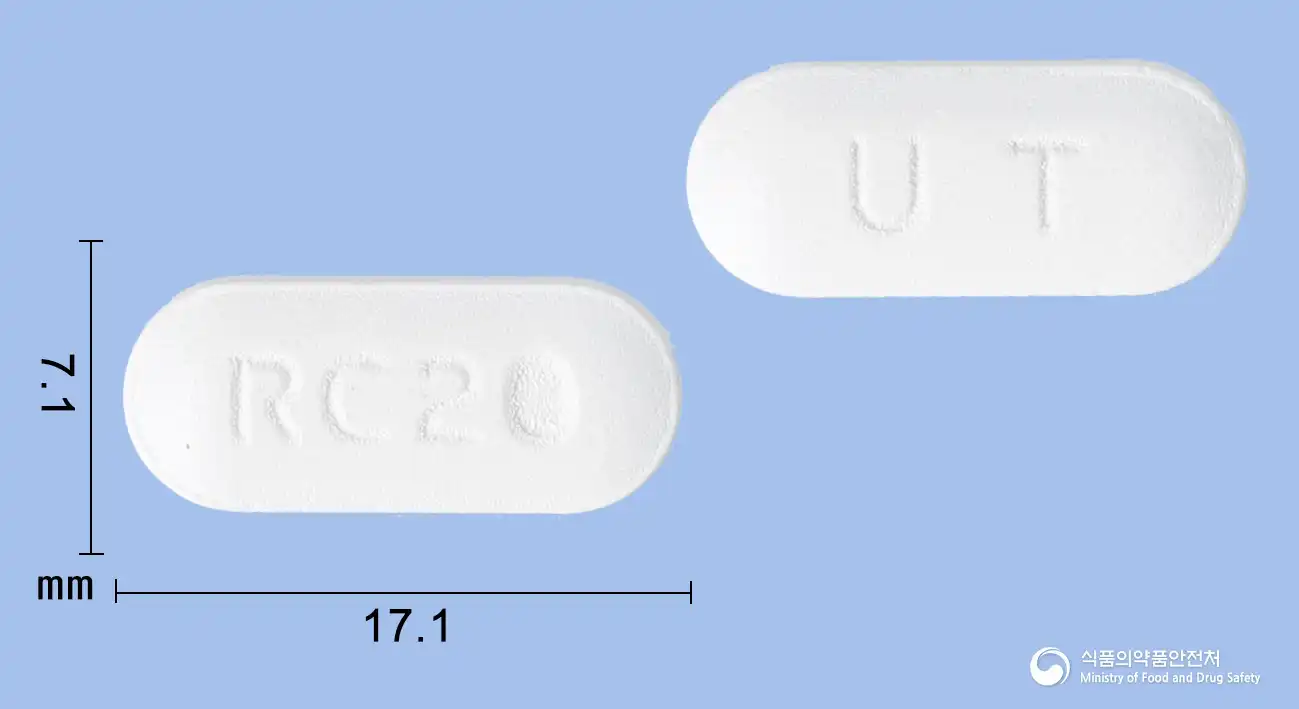
Cilostazol 80mg · Rosuvastatin Calcium 20.8mg
Tablet · Prescription medication · Combination
Korea United Pharmaceutical Co., Ltd.
Even with the same ingredient, the dose and directions can differ by strength and dosage form. Talk to a doctor or pharmacist before switching from a medication you are already taking.
No questions yet.
For anything that needs medical judgment, consult a doctor or pharmacist.
This drug information is based on data provided by the Korea Ministry of Food and Drug Safety.
Consult a doctor or pharmacist for accurate dosage, administration, and usage instructions.