
 한국어
한국어 English
 日本語
日本語 中文(简体)
 Viewing nowCombination
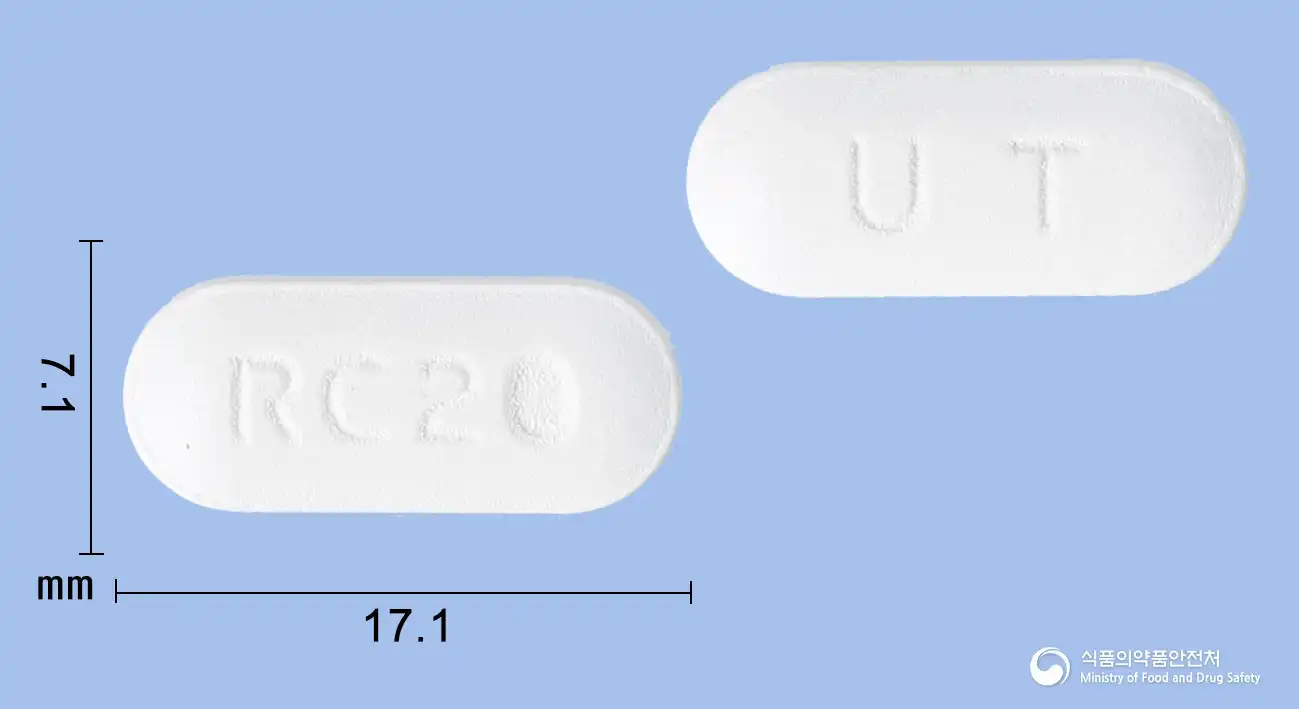
Siloduo Sustained Release Tablet 200/20 mg (Cilostazol, Rosuvastatin)
Cilostazol 80mg · Rosuvastatin Calcium 20.8mg
Tablet · Prescription medication · Combination
Korea United Pharmaceutical Co., Ltd.
MFDS item code 202502256 · Approved 2025.08.27 · Insurance code 644309830
Improvement of atherosclerosis and peripheral vascular disease
Rosuvastatin helps lower blood cholesterol levels, inhibiting the progression of atherosclerosis, and cilostazol effectively improves blood circulation by dilating blood vessels and is beneficial for chronic arterial occlusion and diabetic peripheral vascular disease. When taken in combination, these two medications reduce the risk of cardiovascular diseases and alleviate symptoms. However, patients should undergo periodic check-ups and consult their physician. When considering alternative medications for combination therapy, it is crucial to closely evaluate the effects of each medication and the patient's condition, and discuss with the attending physician to select the most appropriate treatment.
Take 1 tablet once daily orally on an empty stomach, avoiding meals. Do not crush or chew this medication; swallow the whole tablet.
This medication is used to improve blood circulation and control cholesterol levels. Firstly, when taking this medication, it may cause an increased heart rate which can lead to symptoms of chest pain like angina, so it is essential to observe for these symptoms closely. Those with allergies to this medication or its components should not use it, and patients with a tendency to bleed, those at a high risk of bleeding, heart failure, severely impaired liver or kidney function, and individuals with muscle disorders should also avoid this medication. Furthermore, pregnant or breastfeeding women, as well as women of childbearing age not using adequate contraception, should not take this medication. Caution is necessary if taking other drugs that affect blood clotting or anticoagulants, antiplatelet agents, and thrombolytics, as this may increase the risk of bleeding. This medication may increase blood concentration and consequently side effects when taken with food, so it is recommended to take it on an empty stomach, ideally with a 3-hour interval between meals and medication. During treatment, symptoms such as myalgia, lethargy, headache, dizziness, indigestion, diarrhea, constipation, and edema may occur; should these symptoms persist or worsen, it is essential to consult a physician. In particular, if sudden muscle pain or weakness occurs, or if there is a feeling of powerlessness, immediate medical attention is advised. As liver function abnormalities may arise, regular liver function tests should be performed, and if jaundice, severe fatigue, or darkening of urine occurs, the physician must be notified without delay. As this medication is metabolized by specific enzymes, possible interactions with other medications exist; therefore, it is mandatory to disclose any concurrent medications. During pregnancy, it might harm the fetus, so it should be avoided, and in breastfeeding cases, it is safer to discontinue breastfeeding. Elderly patients may have reduced physiological function, requiring extra caution during administration. In the case of overdose, severe headache, diarrhea, hypotension, and cardiac rhythm disturbances may occur, necessitating immediate medical intervention, and this drug is difficult to eliminate through dialysis. Lastly, dizziness might occur while driving or operating machinery during the course of this medication, so take care.
Hives, severe swelling (edema), chest tightness, difficulty breathing, severe rash with fever, blisters, skin peeling, oral/eye mucosal pain, shortness of breath or difficulty in breathing, asthma attacks, visual disturbances, sudden severe headache, thunderclap headache, seizures, confusion, paralysis, skin or eyes turning yellow (jaundice), overall extreme lethargy, significantly reduced urine output, generalized severe swelling and hypertension
Headache, dizziness, diarrhea, abdominal pain, constipation, indigestion, dry mouth, upper abdominal pain, peripheral edema, fatigue, fever, dryness, cough, non-cardiogenic dyspnea, obstructive sleep apnea syndrome, increased blood creatine phosphokinase levels, increased blood creatinine, elevated aspartate aminotransferase, palpitations, coronary artery disease, tachycardia, pruritus, rash, bruising, bone fractures, ligament sprains, thermal burns
Not everyone experiences these, and they can vary from person to person.
This medication should be stored in a tightly sealed container to prevent air exposure, and it is advisable to store it at a temperature between 1 and 30 degrees Celsius. When stored this way, the drug's efficacy is well-maintained and degradation is prevented.
White rectangular sustained-release film-coated tablet
Bottle - 30 tablets/bottle, Bottle - 100 tablets/bottle
Even with the same ingredient, strength, dosage form and how it is taken can differ.
Viewing nowCombinationCilostazol 80mg · Rosuvastatin Calcium 20.8mg
Tablet · Prescription medication · Combination
Korea United Pharmaceutical Co., Ltd.
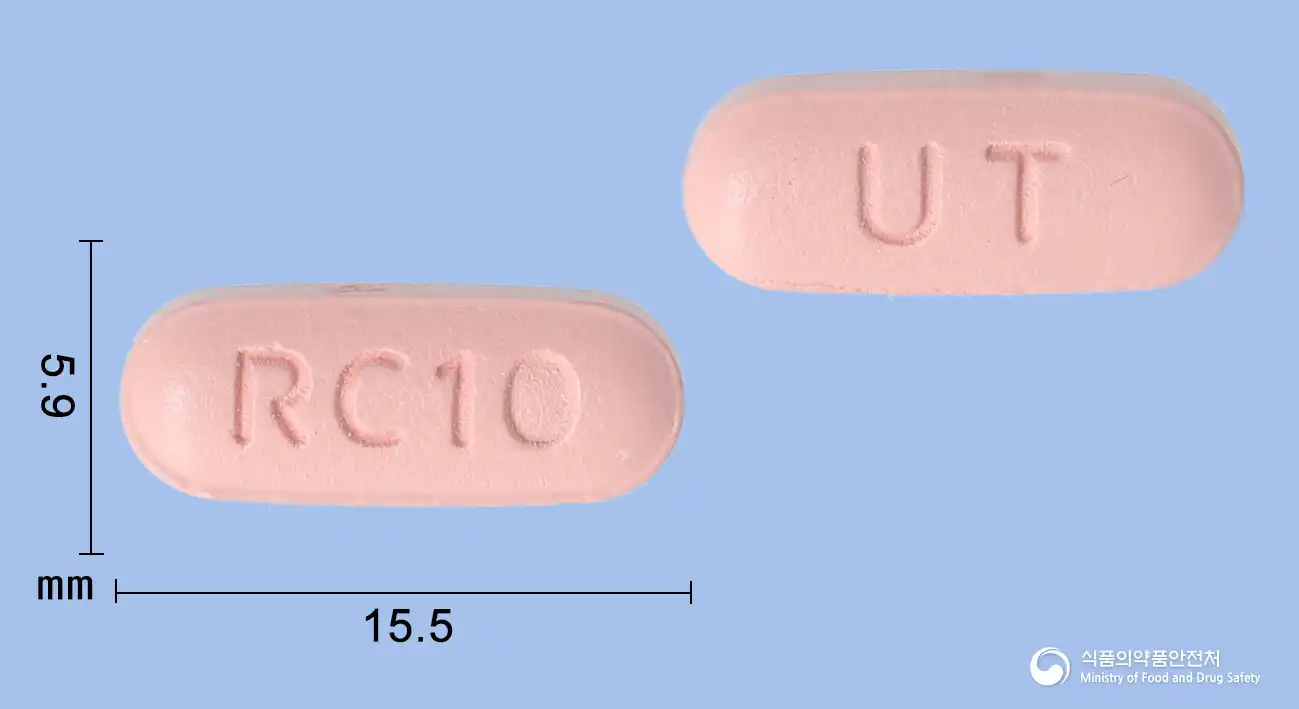 Combination
Cilostazol 80mg · Rosuvastatin Calcium 10.4mg
Tablet · Prescription medication · Combination
Korea United Pharmaceutical Co., Ltd.
Even with the same ingredient, the dose and directions can differ by strength and dosage form. Talk to a doctor or pharmacist before switching from a medication you are already taking.
No questions yet.
For anything that needs medical judgment, consult a doctor or pharmacist.
This drug information is based on data provided by the Korea Ministry of Food and Drug Safety.
Consult a doctor or pharmacist for accurate dosage, administration, and usage instructions.