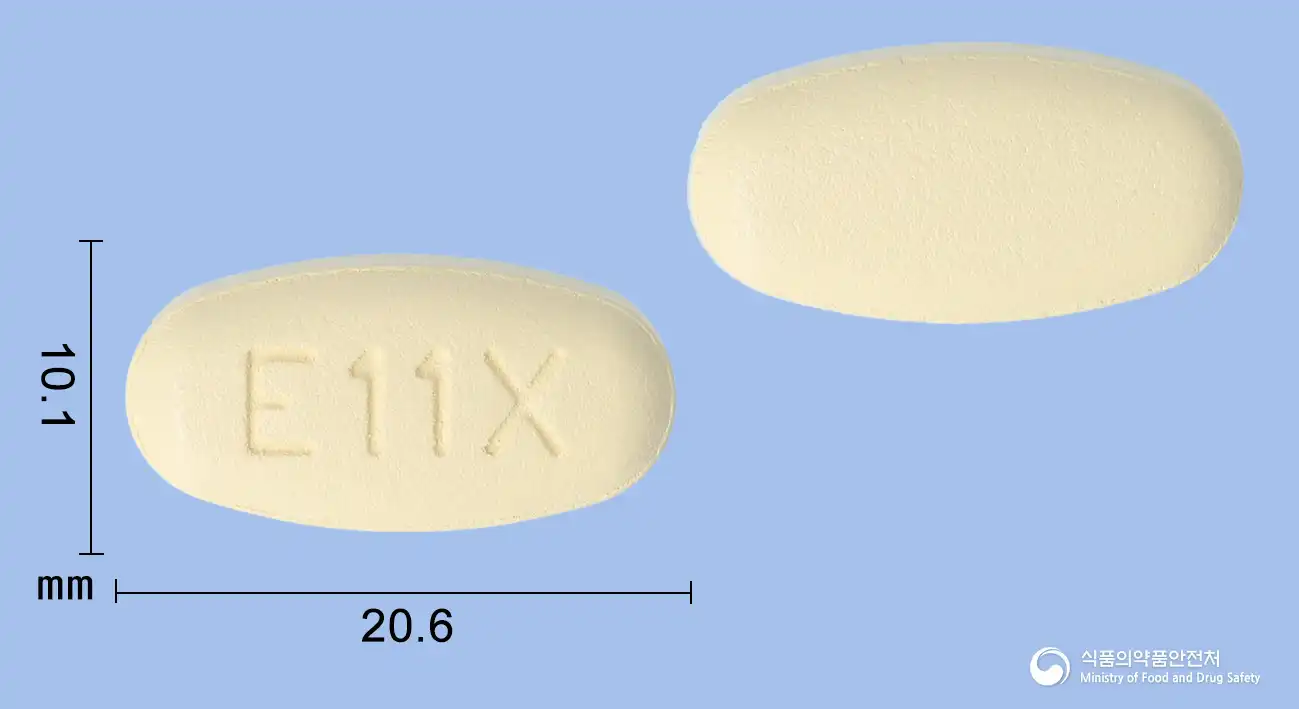
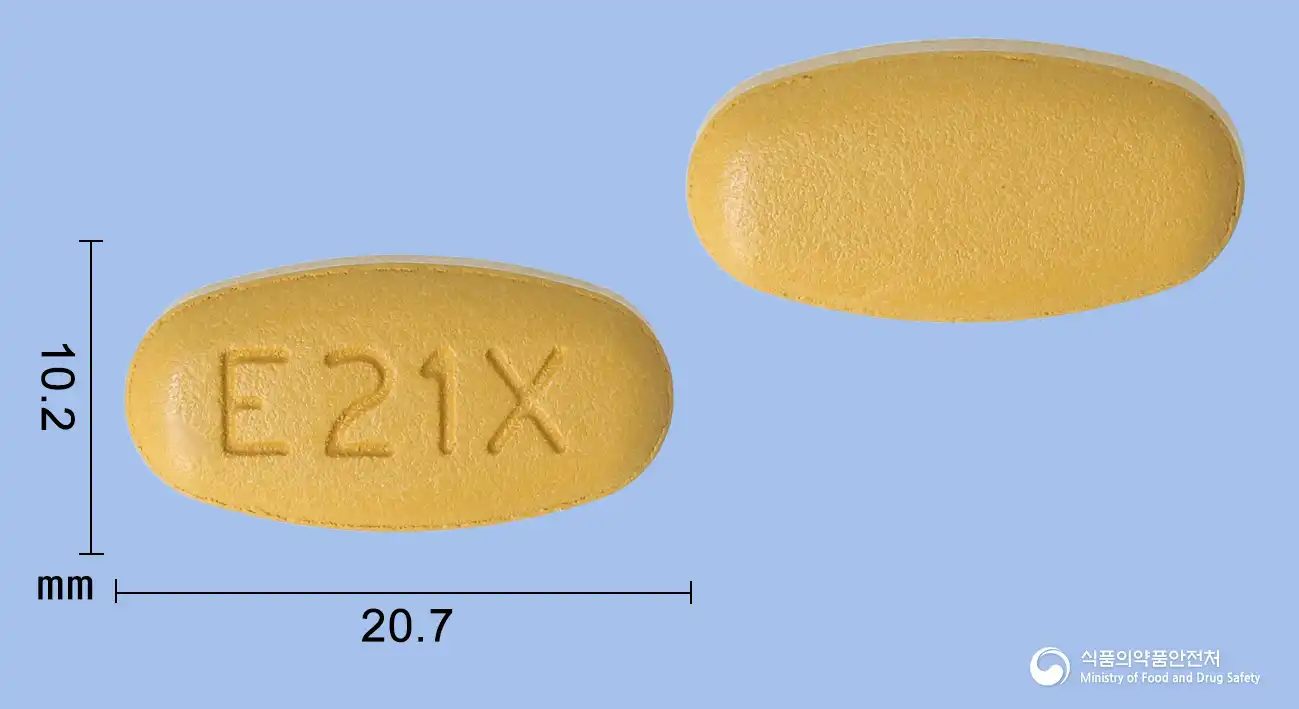
Improvement of blood sugar control in type 2 diabetes
Who takes it
Adults
Adult dose
The recommended dosage of this medication is determined within the range that does not exceed the daily maximum doses of its components: Empagliflozin 25 mg, Sitagliptin 100 mg, and sustained-release Metformin Hydrochloride 2000 mg.
It should be taken once daily in the evening with a meal, and when dose adjustments of Metformin Hydrochloride are needed, the dosage should be gradually increased.
For sustained-release tablets of 25/100/1000 mg and 10/100/1000 mg, the dosing is once daily, 1 tablet per dose.
Improvement of blood sugar control in type 2 diabetes
View approved original textHide original text
This medication is used to improve blood sugar control in adult patients with type 2 diabetes in conjunction with dietary and exercise therapy. The combination of Empagliflozin, Sitagliptin, and Metformin helps effectively lower blood sugar levels. This contributes to improving the condition of patients who have difficulty managing blood sugar.
How to take
Adult dose
The recommended dosage of this medication is determined within the range that does not exceed the daily maximum doses of its components: Empagliflozin 25 mg, Sitagliptin 100 mg, and sustained-release Metformin Hydrochloride 2000 mg.
It should be taken once daily in the evening with a meal, and when dose adjustments of Metformin Hydrochloride are needed, the dosage should be gradually increased.
For sustained-release tablets of 25/100/1000 mg and 10/100/1000 mg, the dosing is once daily, 1 tablet per dose.
Precautions
This medication is used for diabetes treatment and contains three ingredients. There are several precautions to be aware of when taking this medication.
First, the Sitagliptin component may rarely cause severe allergic reactions. If symptoms like skin rash, difficulty breathing, or swelling of the face or lips occur, discontinue use immediately and consult a doctor.
Second, Sitagliptin may cause acute pancreatitis, an inflammation of the pancreas, so if abdominal pain, vomiting, or loss of appetite occur while taking it, promptly inform a healthcare provider.
Third, the Metformin component may rarely lead to a serious condition called lactic acidosis. This condition can be accompanied by symptoms such as vomiting, abdominal pain, muscle pain, difficulty breathing, and fatigue. Patients with impaired kidney function, severe infections, dehydration, or heart failure should be particularly cautious.
Fourth, this medication is not recommended for patients with type 1 diabetes, acute metabolic acidosis, severe renal impairment, or acute heart failure.
Fifth, the use of this medication should be temporarily interrupted before and after surgery or during conditions of severe infection or dehydration, and should be restarted after recovery.
Sixth, dosage adjustments may be necessary based on kidney function, and regular kidney function tests are recommended. Particularly elderly patients or those with reduced kidney function should undergo more frequent testing.
Seventh, this medication may cause hypoglycemia, so blood sugar levels should be closely monitored, especially when taken with insulin or sulfonylurea medications.
Eighth, during the use of this medication, genital infections or urinary tract infections may occur, so immediate treatment should be sought if symptoms appear.
Ninth, symptoms of low blood pressure or dehydration may occur due to reduced fluid volume, so elderly patients or those with low blood pressure should exercise caution and discontinue use during dehydration.
Tenth, this medication is not recommended for patients with liver dysfunction, and healthcare providers should be informed immediately if symptoms of liver dysfunction arise.
Finally, this medication should be swallowed whole and not chewed or crushed. The tablet shell may be excreted in the stool, but this is a normal occurrence.
Regular blood tests and health assessments should be conducted to ensure safe treatment while taking this medication.
Not everyone experiences these, and they can vary from person to person.
Storage
This medication may be sensitive to air and moisture, so it must be stored in a tightly sealed container. It is recommended to maintain the storage temperature between 1 and 30 degrees Celsius to safely preserve the medication's efficacy.
Even with the same ingredient, the dose and directions can differ by strength and dosage form. Talk to a doctor or pharmacist before switching from a medication you are already taking.
Questions about this medicine
No questions yet.
For anything that needs medical judgment, consult a doctor or pharmacist.
This drug information is based on data provided by the Korea Ministry of Food and Drug Safety. Consult a doctor or pharmacist for accurate dosage, administration, and usage instructions.