
 한국어
 English
 日本語
 中文(简体)
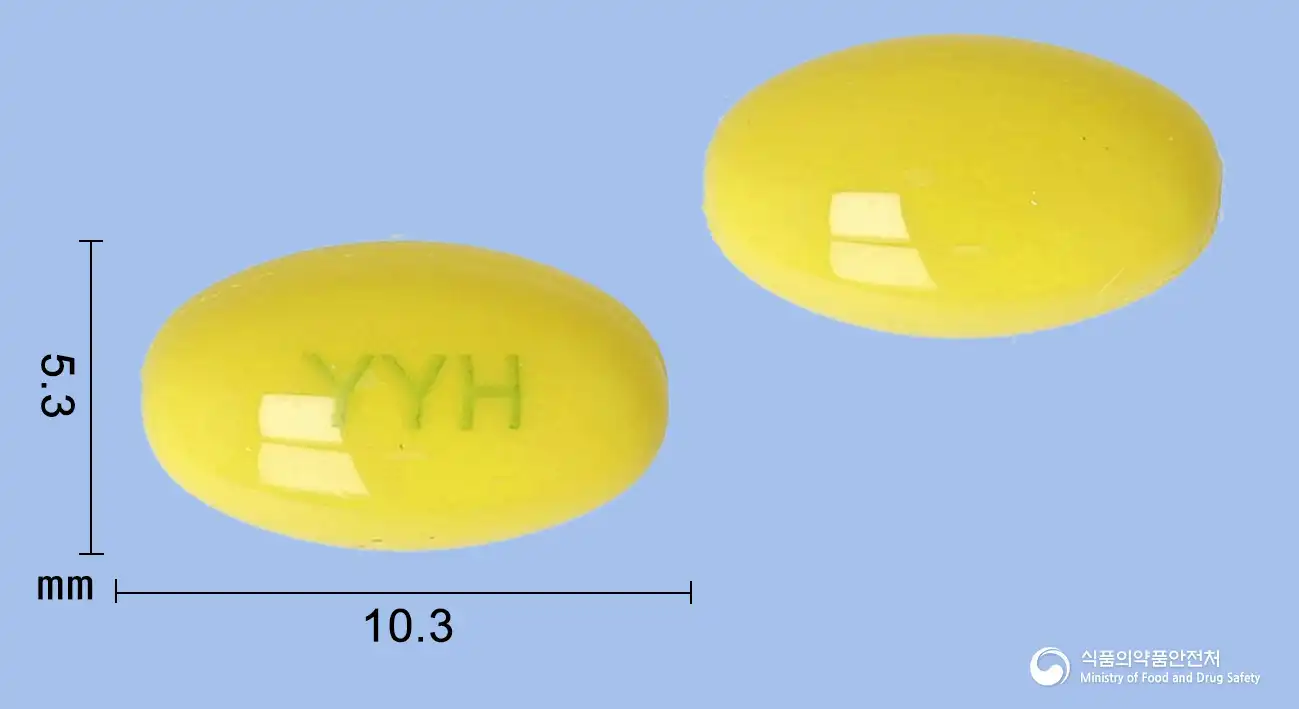 Viewing now
Alpha-Key Soft Capsule 0.5 Micrograms (Alfacalcidol)
Alfacalcidol 0.5μg
Soft capsule · OTC medication
Yuyu Pharmaceutical Co., Ltd.
MFDS item code 202501947 · Notified 2025.07.28 · Insurance code 644503530
Improvement of osteoporosis and symptoms of vitamin D metabolism disorders (e.g., hypocalcemia)
This medication is used to improve symptoms of hypocalcemia, tetany, bone pain, and bone lesions resulting from vitamin D metabolism disorders. It also helps in the treatment of chronic renal failure, hypoparathyroidism, vitamin D-resistant rickets, and osteomalacia. Additionally, it is effective for osteoporosis, enhancing bone health and preventing bone weakening. Therefore, this medication is used to alleviate symptoms of various bone diseases and maintain healthy bone conditions.
Adjust the dose with adequate monitoring of the patient's serum calcium level. ○ Adults 1. Chronic renal failure and osteoporosis: Administer 0.5~1 ㎍ of alfacalcidol orally once daily. 2. Hypoparathyroidism and other diseases associated with abnormal vitamin D metabolism: Administer 1~4 ㎍ of this drug orally once daily.
○ Children 1. Osteoporosis: Administer 0.01~0.03 ㎍/kg body weight of alfacalcidol orally once daily. 2. Other diseases: Administer 0.05~0.1 ㎍/kg body weight of this drug orally once daily.
This medication should not be taken by individuals with hypercalcemia, hyperphosphatemia, or hypermagnesemia, which are conditions of abnormally high calcium and phosphate levels in the blood. Patients with alkaline blood due to high acidity of the blood or those experiencing toxic symptoms from excessive vitamin D intake should also avoid taking this medication. It should be avoided in case of allergic reactions to this medication as well. During treatment, it is advisable not to use medications containing magnesium, vitamin D preparations, calcium supplements, or certain diuretics together with this medication. It is preferable to avoid breastfeeding during treatment; if necessary, it is advisable to discontinue breastfeeding. Women who are pregnant or may become pregnant should consult a physician for cautious use as it may harm the fetus. Children, the elderly, those on certain medications, patients with a history of kidney stones, etc., should consult a specialist before taking this medication. If any unusual symptoms appear during treatment, such as nausea, vomiting, muscle cramps, headache, dizziness, heart irregularities, renal function decline, skin rash, or vision disturbances, discontinue the medication immediately and consult healthcare professionals. Regular blood tests should be conducted to monitor calcium levels and renal function, and caution should be taken not to exceed the recommended dosage. This medication should be stored out of reach of children in a cool, dry place, protected from direct sunlight and not transferred to other containers.
Not everyone experiences these, and they can vary from person to person.
This medication is sensitive to light; therefore, it should be stored in a container that does not allow light to enter. Additionally, it is best to store the medication at room temperature between 1 to 30 degrees Celsius. Proper storage will help maintain the effectiveness of the medication for an extended period.
Yellow oval soft capsule containing a colorless or transparent oily substance
30 capsules/bottle, 100 capsules/bottle, 100 capsules/box [10 capsules/PTP X 10]
Even with the same ingredient, strength, dosage form and how it is taken can differ.
Viewing nowAlfacalcidol 0.5μg
Soft capsule · OTC medication
Yuyu Pharmaceutical Co., Ltd.
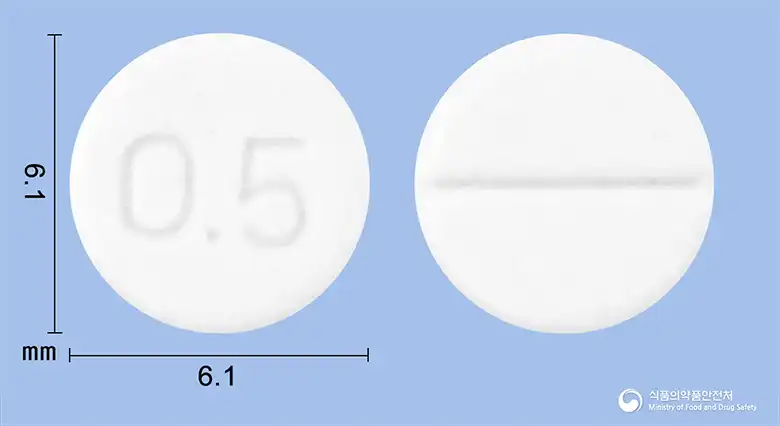
Alfacalcidol 0.5μg
Tablet · OTC medication
Il Sung I.S. Corporation
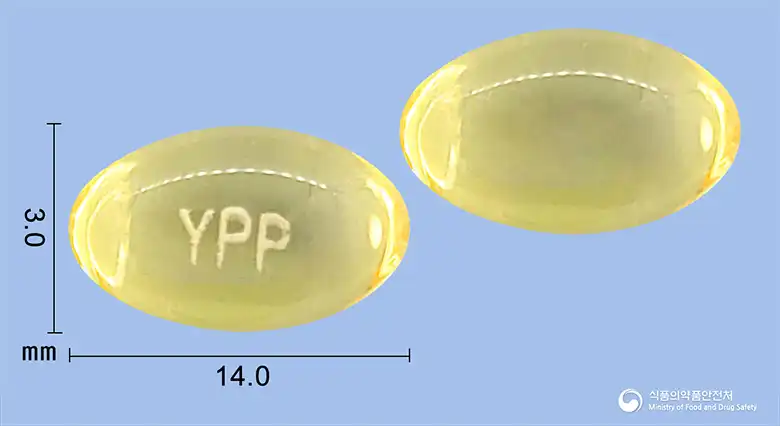
Alfacalcidol 0.5μg
Soft capsule · OTC medication
Youngpoong Pharmaceutical Co., Ltd.
Alfacalcidol 0.5μg
Soft capsule · OTC medication
Anguk Pharmaceutical Co., Ltd.
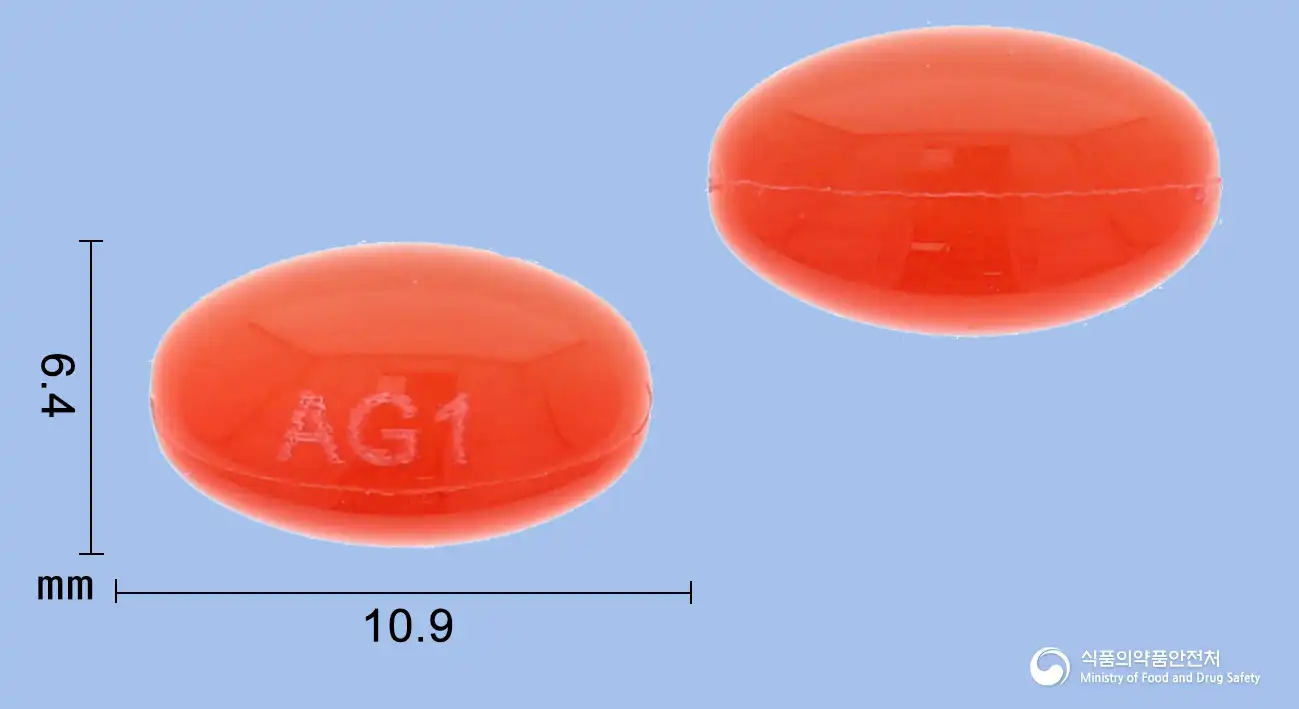
Alfacalcidol 1μg
Soft capsule · OTC medication
Ahn-Gook Pharmaceutical Co., Ltd.
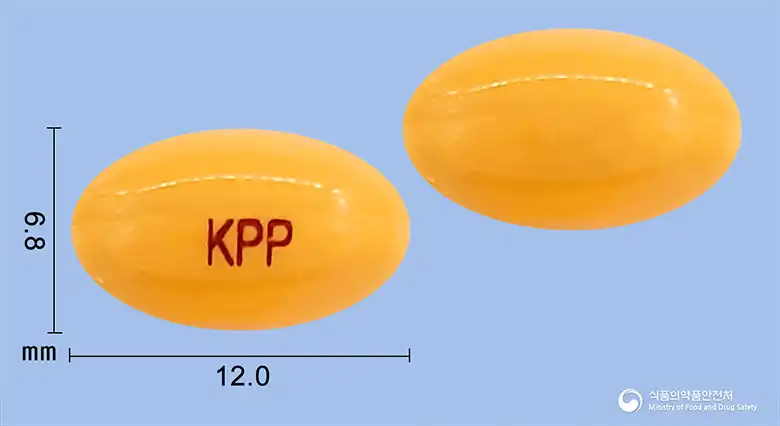
Alfacalcidol 1μg
Soft capsule · OTC medication
Korea Prime Pharmaceutical Co., Ltd.
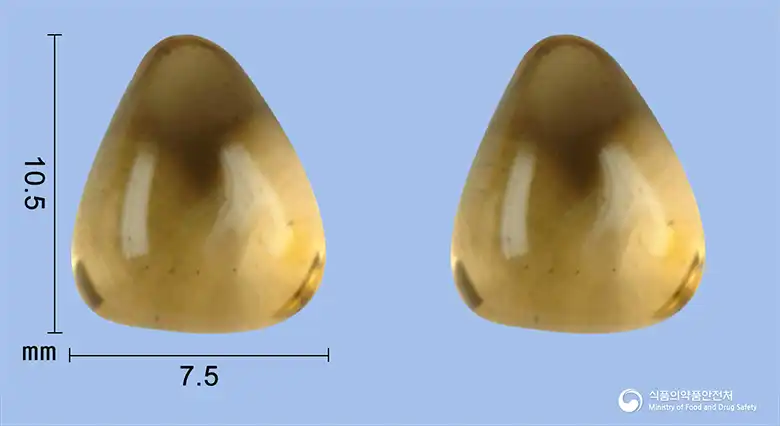
Alfacalcidol 0.5μg
Soft capsule · OTC medication
Shinil Pharmaceutical Co., Ltd.
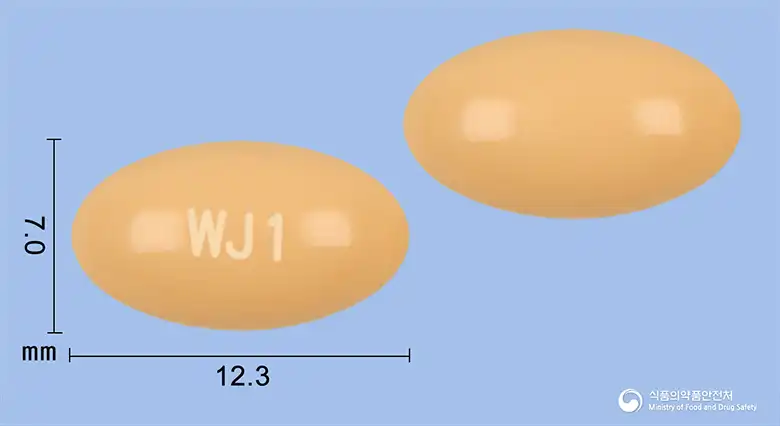
Alfacalcidol 0.5μg
Soft capsule · OTC medication
Austin Pharmaceutical Co., Ltd.
Even with the same ingredient, the dose and directions can differ by strength and dosage form. Talk to a doctor or pharmacist before switching from a medication you are already taking.
No questions yet.
For anything that needs medical judgment, consult a doctor or pharmacist.
This drug information is based on data provided by the Korea Ministry of Food and Drug Safety.
Consult a doctor or pharmacist for accurate dosage, administration, and usage instructions.