
 한국어
한국어 English
 日本語
日本語 中文(简体)
 Viewing nowCombination
Empagliflozin/Metformin Extended-Release Tablet 10/1000 mg (Empagliflozin, Metformin)
Empagliflozin 10mg · Metformin Hydrochloride 1000mg
Tablet · Prescription medication · Combination
Samjin Pharmaceutical Co., Ltd.
MFDS item code 202501909 · Approved 2025.07.25 · Insurance code 647805930
Blood glucose control in type 2 diabetes and prevention of cardiovascular events
This medication is used to assist in blood glucose control in adults with type 2 diabetes through the combination of empagliflozin and metformin. It is particularly suitable for patients on diet and exercise regimens, and is administered when blood glucose control is difficult. Additionally, the effects of this medication on the occurrence of cardiovascular events in adults with type 2 diabetes who have cardiovascular disease should be consulted according to professional guidelines. Therefore, it helps in the management of blood glucose and cardiovascular health in diabetic patients with concurrent cardiovascular disease.
For this medication 10/1000 mg extended-release tablets or 25/1000 mg extended-release tablets, take 1 tablet once daily. Patients taking this medication 5/1000 mg extended-release tablets or 12.5/1000 mg extended-release tablets should take 2 tablets at once, once daily. To reduce gastrointestinal side effects caused by metformin, it should be taken with meals in the evening. For dosage concerning antidiabetic therapy, the maximum recommended dosage for each component should not exceed empagliflozin 25 mg and extended-release metformin hydrochloride 2000 mg, determined by each patient’s current treatment plan, efficacy, and tolerability. This medication should be taken with meals to reduce gastrointestinal side effects caused by metformin. The 10/1000 mg or 25/1000 mg extended-release tablets are to be taken once daily, 1 tablet at a time. Patients taking the 5/1000 mg or 12.5/1000 mg extended-release tablets should take 2 tablets together once daily. To minimize gastrointestinal side effects related to metformin, the dosage should be increased gradually. To maintain the extended-release properties, this medication should not be split, crushed, ground, or chewed; it may be excreted in feces without complete dissolution. It is not known whether the substances excreted in feces contain the main active ingredients of the medication. If a patient repeatedly reports that this medication has been found in feces, medical personnel should assess whether blood glucose is adequately controlled (refer to precautions, section 5. General Precautions). In cases where adequate blood glucose control has not been achieved with metformin alone or in combination with other medications, the initial recommended dosage for this medication is 10 mg of empagliflozin and the existing dose of metformin; if tolerance for 10 mg of empagliflozin is good and additional blood glucose control is needed, the dosage may be increased to 25 mg of empagliflozin. Patients transitioning from other combinations of empagliflozin and metformin should be given their existing doses of empagliflozin and metformin. When converting from immediate-release metformin to extended-release forms, blood glucose control must be closely monitored and dosage adjustments made as necessary. When used in combination with sulfonylureas or insulin, there may be an increased risk of hypoglycemia, so consideration should be given to reducing the doses of sulfonylureas or insulin. (refer to precautions section 4. Adverse Reactions and section 6. Interactions). Special Populations Renal Impairment Dosage adjustments based on renal function are recommended, so renal function should be evaluated periodically before and after administration of this medication. Patients with mild renal impairment [creatinine clearance (CrCl) ≥ 60 mL/min or estimated glomerular filtration rate (eGFR) ≥ 60 mL/min/1.73 m2] do not require dosage adjustments. For patients with moderate renal impairment [CKD stage 3A, CrCl ≥ 45 mL/min and <60mL/min or eGFR ≥ 45 mL/min/1.73 m2 and <60 mL/min/1.73 m2], if they show good tolerability without other symptoms that may increase the risk of lactic acidosis, dosing adjustments can be made as follows. - The initial dosage of extended-release metformin hydrochloride should start at 500 mg or 750 mg once daily; this medication should not be initiated at this time. The maximum daily dosage of metformin hydrochloride is 1000 mg. If CrCl decreases to less than 45 ml/min or eGFR is below 45 ml/min/1.73m2, this medication should be discontinued immediately. Elderly Patients Patients aged 75 years and older should consider the risk of reduced renal function and fluid volume.
This medication helps control blood glucose and is used for diabetes treatment. Before taking this medication, renal function must be confirmed to be normal; it should not be used in cases of severe renal impairment. This medication should also not be used in cases of severe infections, dehydration, acute heart problems, or acute illnesses such as sepsis. This medication can cause a rare side effect known as lactic acidosis, which can be life-threatening; if symptoms such as vomiting, abdominal pain, difficulty breathing, or weakness occur, consult a physician immediately. Furthermore, when this medication is used in combination with other diabetes medications, there may be an increased risk of hypoglycemia, so blood glucose changes should be closely monitored. Temporarily discontinue this medication before and after procedures or tests involving iodinated contrast media, and resume only after renal function has fully recovered. This medication may increase the risk of genital infections and urinary tract infections, so treatment should be sought immediately upon the onset of infection symptoms. Elderly patients or those at risk of fluid loss should be particularly cautious of dehydration or hypotension while taking this medication and it is important to regularly monitor renal function. Women who are pregnant, potentially pregnant, or breastfeeding should avoid this medication, and breastfeeding should be discontinued while taking it. This medication should be swallowed whole without breaking or chewing the tablets; while the coating may appear in stools, this is normal. Alcohol consumption should be avoided during treatment, and any concurrent medications should be consulted with a physician or pharmacist due to potential interactions. Symptoms of hypoglycemia, such as dizziness, cold sweat, or trembling, may occur while taking this medication; recognize and respond appropriately to these symptoms. In case of overdose, seek medical attention immediately for appropriate treatment, particularly because of the risk of lactic acidosis requiring prompt action. This medication should be stored safely and kept out of reach of children.
Hives, angioedema (severe swelling), necrotizing fasciitis of the perineum, lactic acidosis, ketoacidosis, severe hypoglycemia, urosepsis and pyelonephritis, liver abnormalities (liver function impairment, symptoms of jaundice), sudden and severe headaches, stroke, seizures, confusion, neurological disorders, myocardial infarction, heart failure, acute kidney injury, kidney failure, severe edema (generalized swelling with increased blood pressure), difficulty breathing, asthma attacks, breathing difficulties, severe.
Nausea, vomiting, diarrhea, abdominal pain, loss of appetite, constipation, altered taste, itching, rash, erythema, hives, angioedema, thirst, abnormal laboratory tests (increased serum lipids, increased serum creatinine, decreased glomerular filtration rate, increased hematocrit), urinary tract infection, increased urination, difficulty urinating, decrease and deficiency of vitamin B12, hypoglycemia (when used in combination with insulin or sulfonylureas), decrease in fluid volume (hypotension).
Not everyone experiences these, and they can vary from person to person.
Store this medication in a tightly sealed container to prevent exposure to air or moisture, and maintain the storage temperature between 1 to 30 degrees Celsius. Proper storage can prolong the effectiveness of the medication.
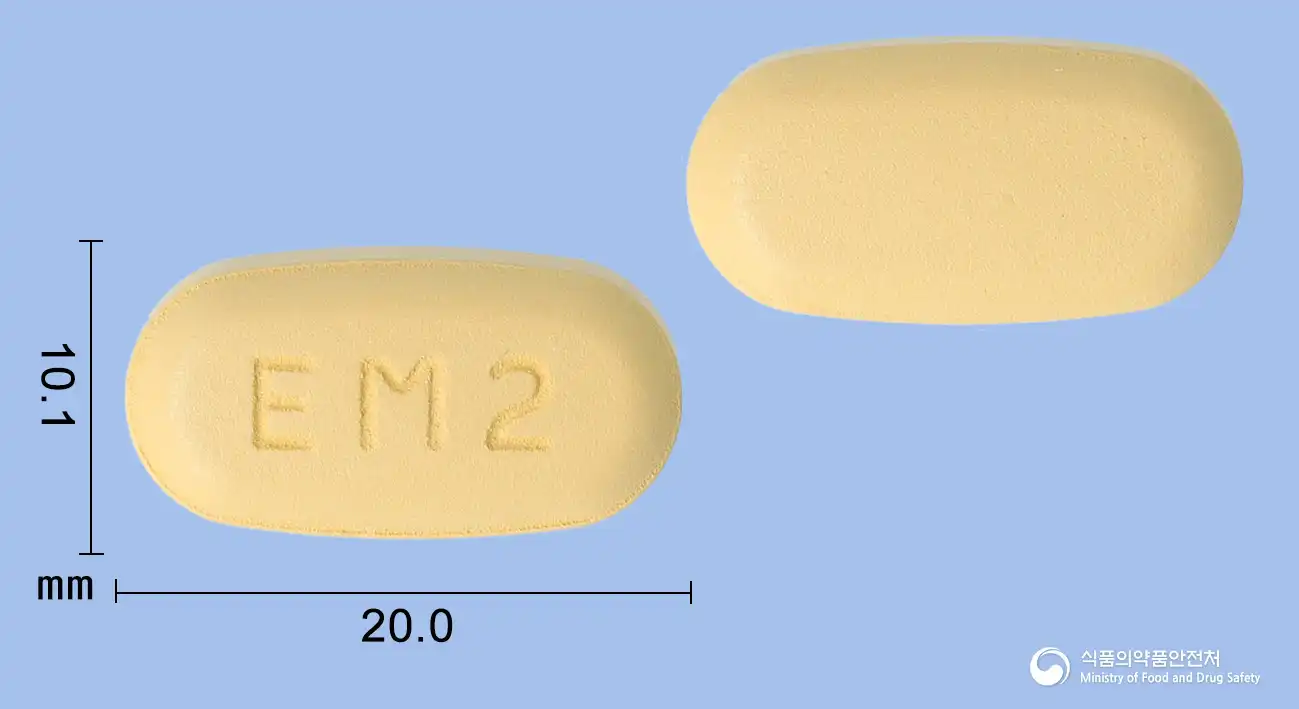
Dark yellow oval extended-release film-coated tablet
30 tablets/bottle
Even with the same ingredient, strength, dosage form and how it is taken can differ.
Viewing nowCombinationEmpagliflozin 10mg · Metformin Hydrochloride 1000mg
Tablet · Prescription medication · Combination
Samjin Pharmaceutical Co., Ltd.
 Combination
Empagliflozin 5mg · Metformin Hydrochloride 500mg
Tablet · Prescription medication · Combination
Boehringer Ingelheim Korea Co., Ltd.
 Combination
Empagliflozin 5mg · Metformin Hydrochloride 850mg
Tablet · Prescription medication · Combination
Boehringer Ingelheim Korea Co., Ltd.
 Combination
Empagliflozin 5mg · Metformin Hydrochloride 1000mg
Tablet · Prescription medication · Combination
Boehringer Ingelheim Korea Co., Ltd.
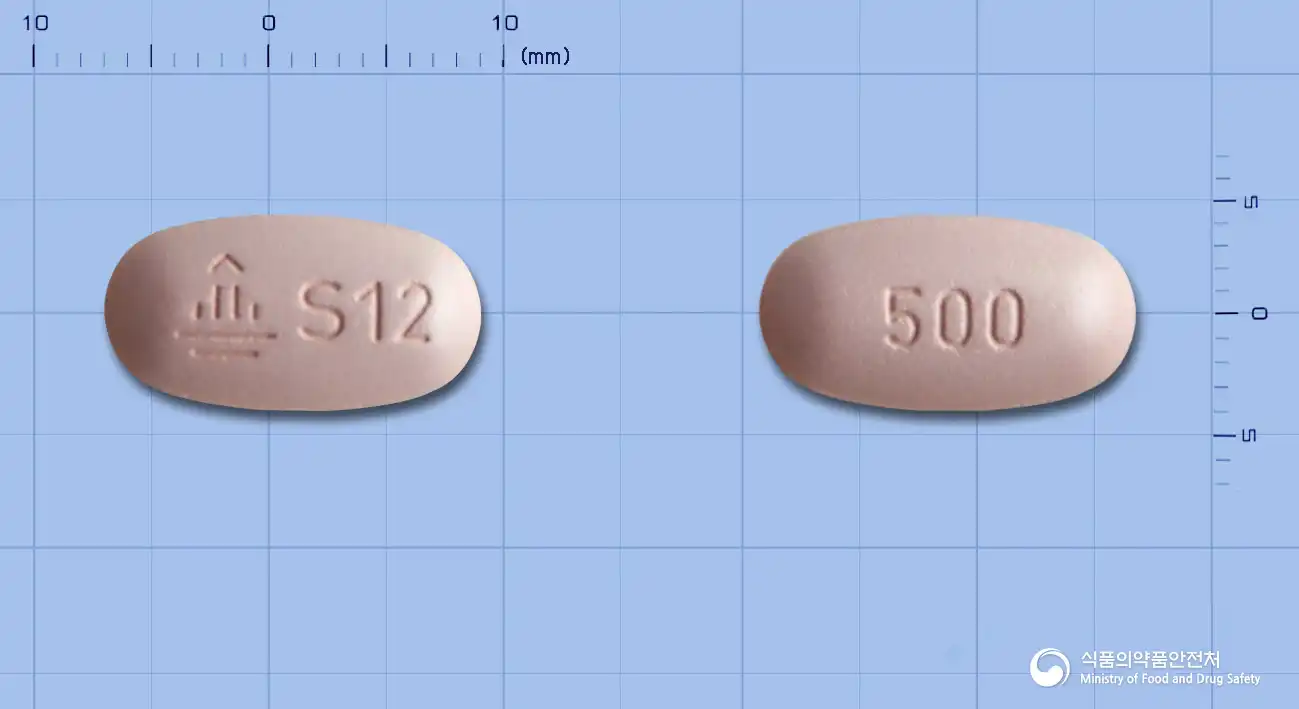 Combination
Empagliflozin 12.5mg · Metformin Hydrochloride 500mg
Tablet · Prescription medication · Combination
Boehringer Ingelheim Korea Co., Ltd.
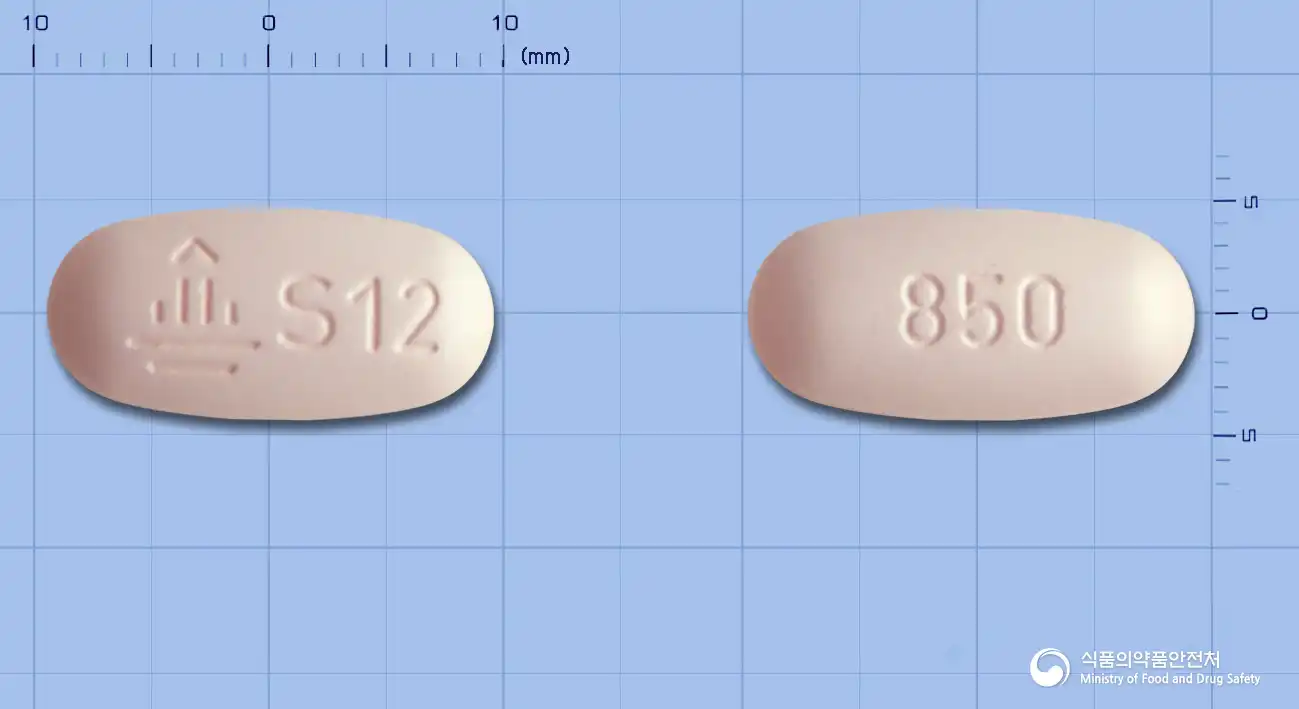 Combination
Empagliflozin 12.5mg · Metformin Hydrochloride 850mg
Tablet · Prescription medication · Combination
Boehringer Ingelheim Korea Co., Ltd.
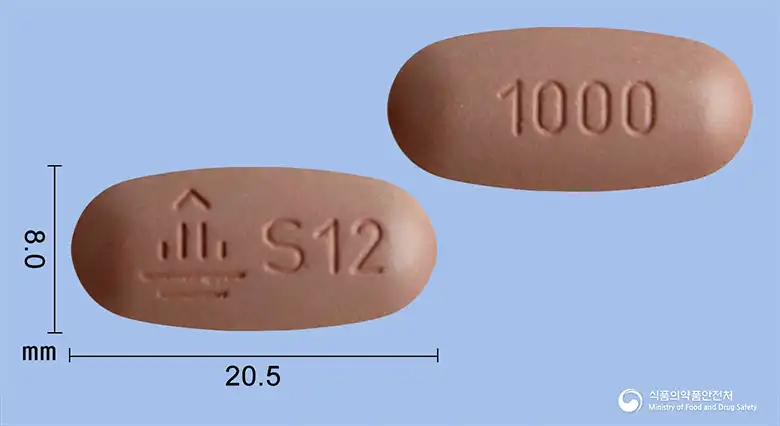 Combination
Empagliflozin 12.5mg · Metformin Hydrochloride 1000mg
Tablet · Prescription medication · Combination
Boehringer Ingelheim Korea Co., Ltd.
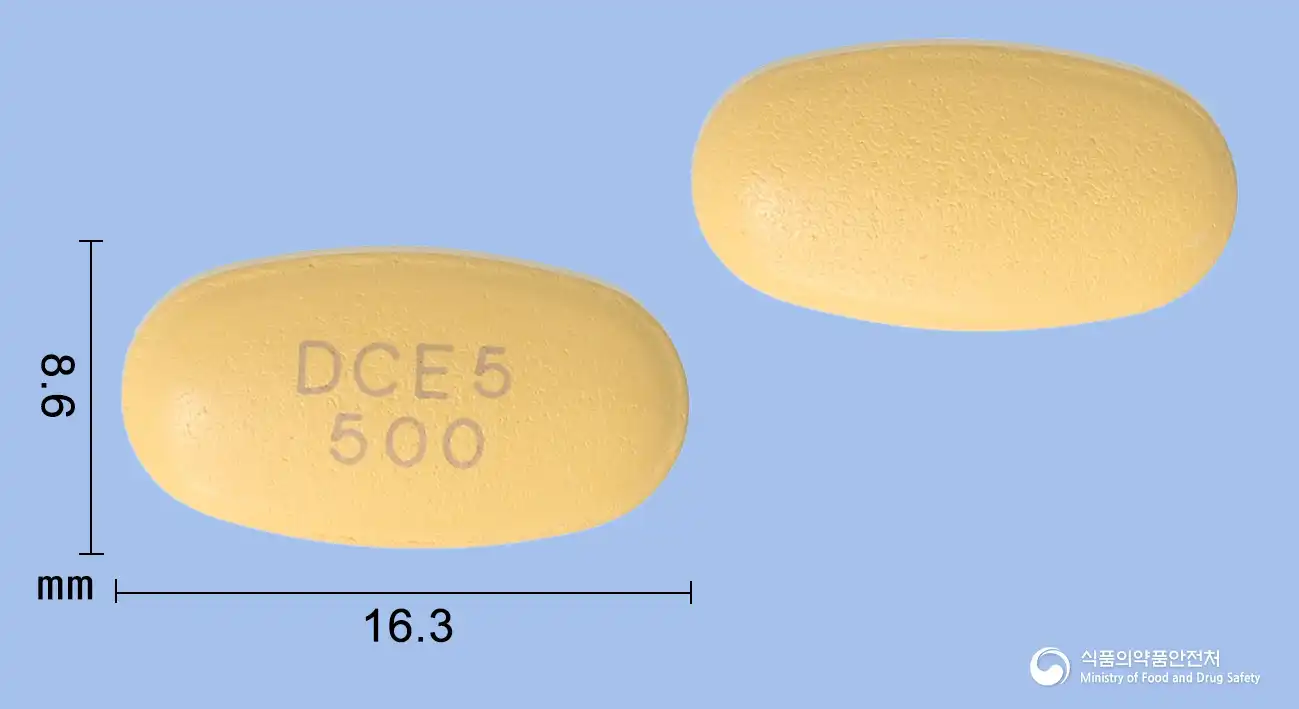 Combination
Empagliflozin 5mg · Metformin Hydrochloride 500mg
Tablet · Prescription medication · Combination
Donggu Bio Pharmaceutical Co., Ltd.
Even with the same ingredient, the dose and directions can differ by strength and dosage form. Talk to a doctor or pharmacist before switching from a medication you are already taking.
No questions yet.
For anything that needs medical judgment, consult a doctor or pharmacist.
This drug information is based on data provided by the Korea Ministry of Food and Drug Safety.
Consult a doctor or pharmacist for accurate dosage, administration, and usage instructions.