
 한국어
한국어 English
 日本語
日本語 中文(简体)
Dosage form image
Viewing nowCombinationEmpamax M Sustained-release Tablet 12.5/750 mg (Empagliflozin, Metformin)
Empagliflozin L-Proline 15.69mg · Metformin Hydrochloride 750mg
Tablet · Prescription medication · Combination
Jongkundang Co., Ltd.
MFDS item code 202501900 · Approved 2025.07.24
Blood sugar control in type 2 diabetes and prevention of cardiovascular events
This medicine is used to help control blood sugar levels in adult patients with type 2 diabetes, when combined with dietary and exercise therapy. It effectively improves blood sugar when empagliflozin and metformin are administered together. It can also be used cautiously in patients with type 2 diabetes whose blood sugar is not adequately controlled and who have confirmed cardiovascular disease, but clinical trial information should be consulted for caution. This drug is used to enhance blood sugar control and assist in the management of type 2 diabetes.
The dosing of this medication should be determined based on each patient's treatment regimen, efficacy, and tolerance, without exceeding the maximum daily doses of 25 mg of empagliflozin and 2000 mg of sustained-release metformin hydrochloride. This medication should be taken once a day in the evening with meals. The 10/1000 mg and 25/1000 mg sustained-release tablets are taken as one tablet per day. The 12.5/1000 mg and 12.5/750 mg sustained-release tablets should be taken as two tablets simultaneously once a day.
This drug helps lower blood sugar. However, it can rarely cause a hazardous condition known as severe lactic acidosis, so one must be well-informed about this symptom. Lactic acidosis is a condition where there is an excessive buildup of lactic acid in the body, with symptoms including malaise, muscle pain, difficulty breathing, weakness, and abdominal pain. Additionally, this drug may cause hypoglycemia when taken with insulin or sulfonylurea medications, so caution is required. This drug should not be used in patients with moderate to severe renal impairment, acute renal failure, severe infections, or dehydration. It is also not for patients with type 1 diabetes or diabetic ketoacidosis. Administration of this drug should be stopped before and after tests using iodine contrast agents and should only be resumed after confirming normal kidney function. Women who are pregnant or may become pregnant, patients with liver dysfunction, patients with severe heart failure, and patients who are malnourished or in a state of weakness should avoid using this medication. During the duration of this medication, regular kidney function checks are required to ensure there are no abnormalities. If fever, pain, or swelling around the genitals or perineum, or erythema occurs, immediate consultation with a physician is necessary, as this may indicate a serious infection. This drug may cause side effects including hypoglycemia, urinary tract infections, genital infections, increased urination, gastrointestinal disturbances, and symptoms necessitating careful observation. Particularly, elderly patients or those at risk of dehydration should monitor for fluid loss, and excessive alcohol consumption should be avoided while on this medication. Long-term use may also lead to vitamin B12 deficiency, so it is advisable to check serum vitamin B12 levels. It is crucial not to crush or chew the tablets but to swallow them whole, although the casing may appear in stool, which is normal. Lastly, while taking this drug, regular check-ups and strict management of dosage adjustments and side effects per physician's instructions are crucial.
Hives, angioedema, necrosis of the perineum, ketoacidosis, lactic acidosis, urinary sepsis, pyelonephritis, liver abnormalities (including abnormal liver function and hepatitis), cerebral infarction, concussion, myocardial infarction, heart failure, shock, severe rash with fever, blisters, skin peeling, pain in mucous membranes of the mouth/eyes, difficulty breathing, asthma attacks, respiratory difficulties accompanied by coughing and fever, shortness of breath, jaundice of the skin or eyes, sudden severe headache.
Not everyone experiences these, and they can vary from person to person.
This medication must be stored in a tightly closed container to protect it from air and moisture. The storage temperature should be maintained at room temperature between 1 degree and 30 degrees.
Dark yellow oval sustained-release film-coated tablet
30 tablets/bottle
Even with the same ingredient, strength, dosage form and how it is taken can differ.
Empagliflozin L-Proline 15.69mg · Metformin Hydrochloride 750mg
Tablet · Prescription medication · Combination
Jongkundang Co., Ltd.
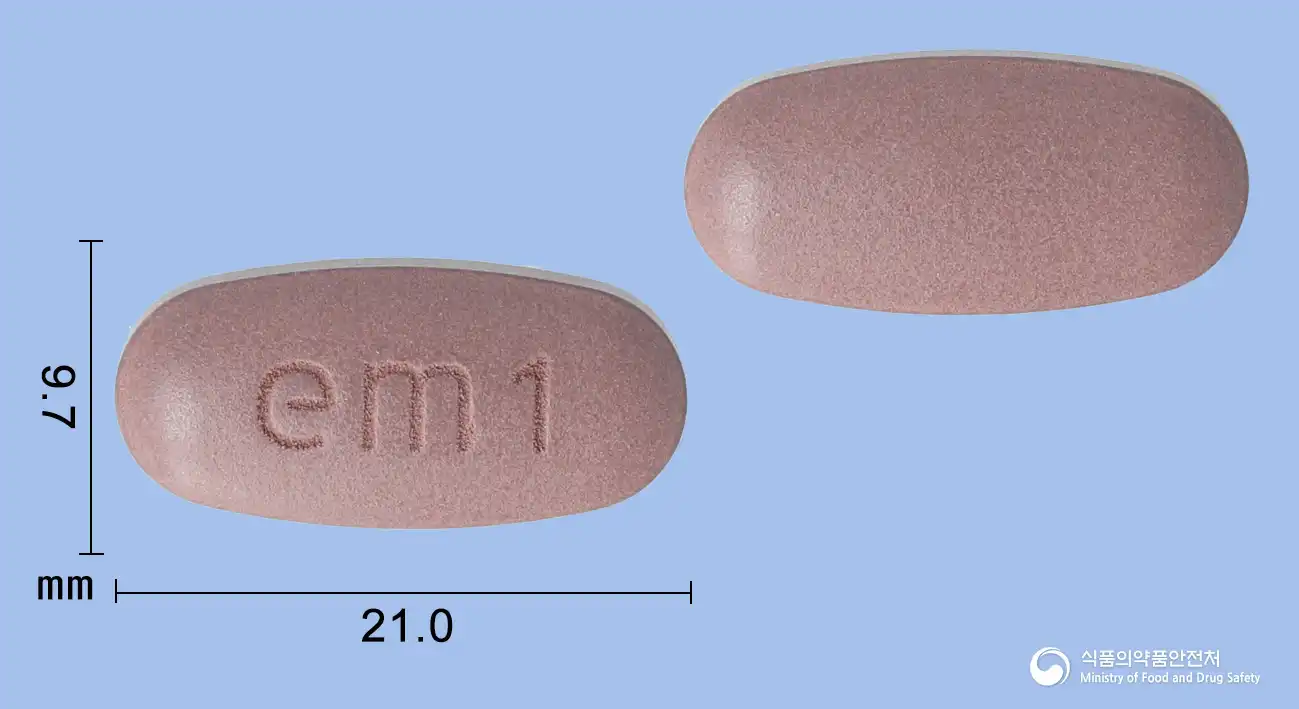 Combination
Empagliflozin L-Proline 15.7mg · Metformin Hydrochloride 1000mg
Tablet · Prescription medication · Combination
Jongkundang Co., Ltd.
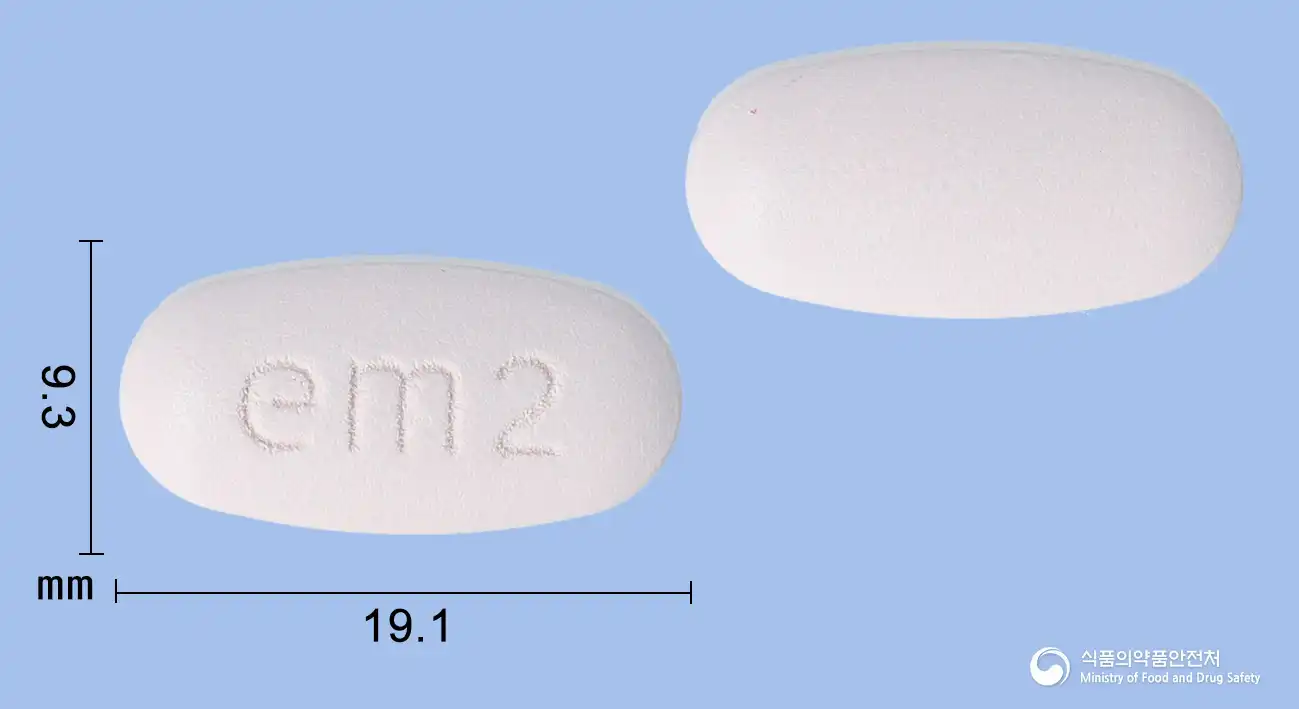 Combination
Empagliflozin L-Proline 15.7mg · Metformin Hydrochloride 850mg
Tablet · Prescription medication · Combination
(Co., Ltd.) Chong Kun Dang
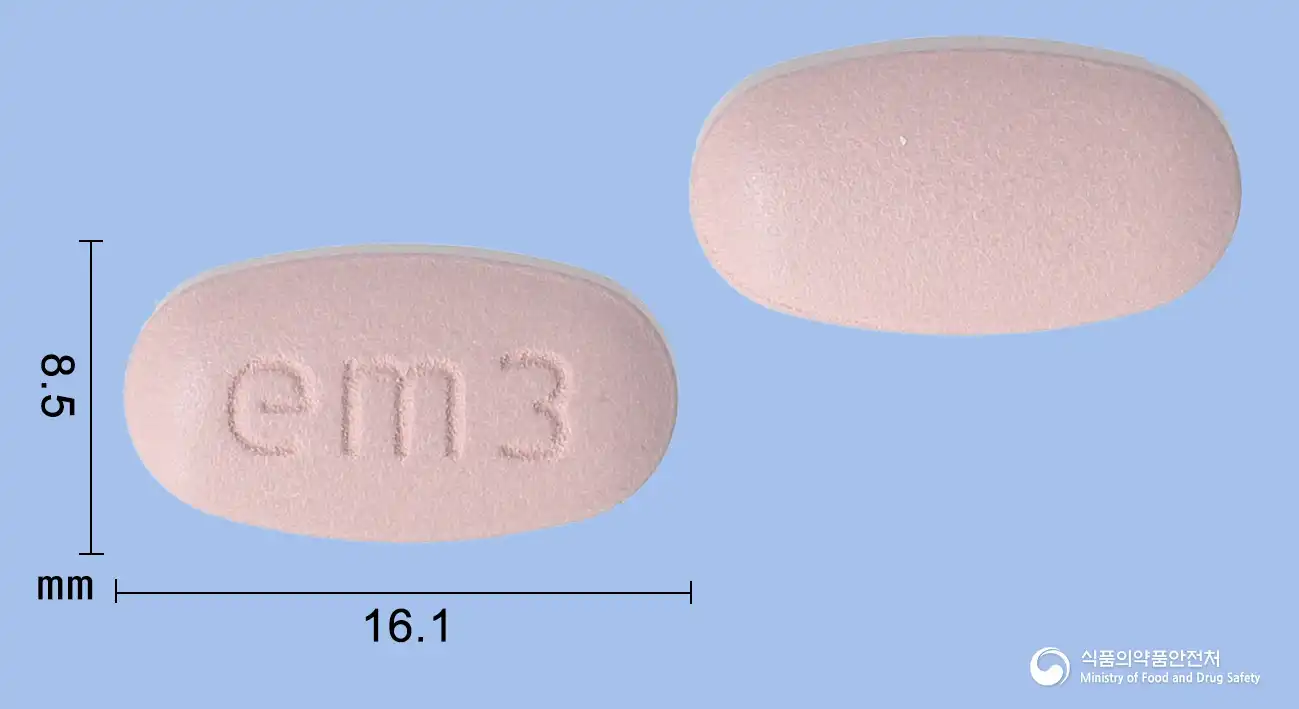 Combination
Empagliflozin L-Proline 15.7mg · Metformin Hydrochloride 500mg
Tablet · Prescription medication · Combination
Jonggeun Dang Co., Ltd.
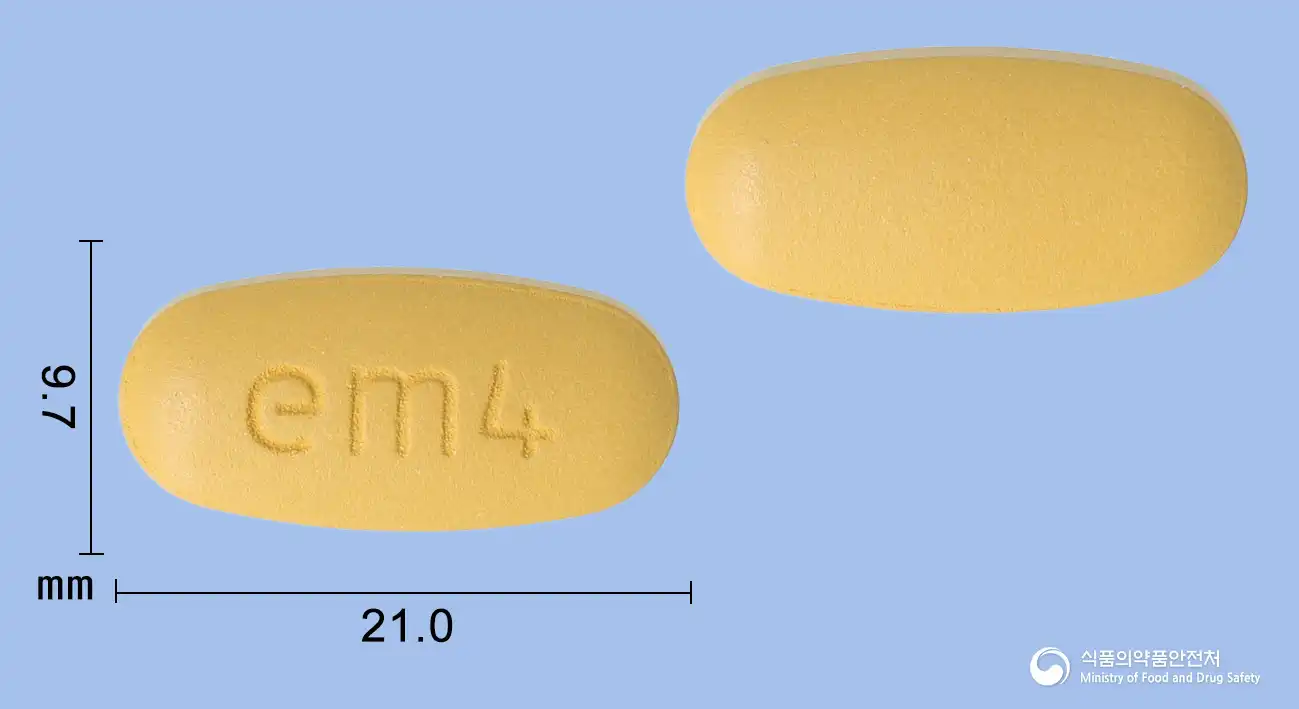 Combination
Empagliflozin L-Proline 6.28mg · Metformin Hydrochloride 1000mg
Tablet · Prescription medication · Combination
Jongkundang Co., Ltd.
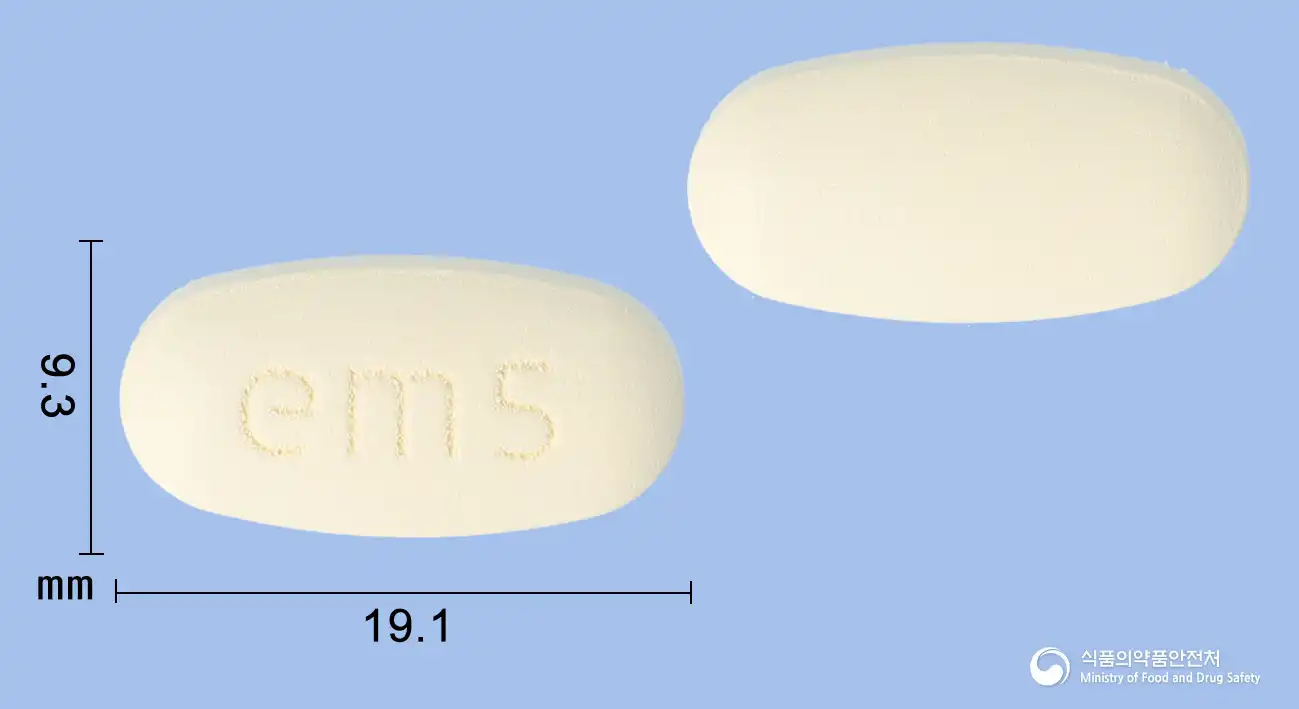 Combination
Empagliflozin L-Proline 6.28mg · Metformin Hydrochloride 850mg
Tablet · Prescription medication · Combination
Jongkundang Co., Ltd.
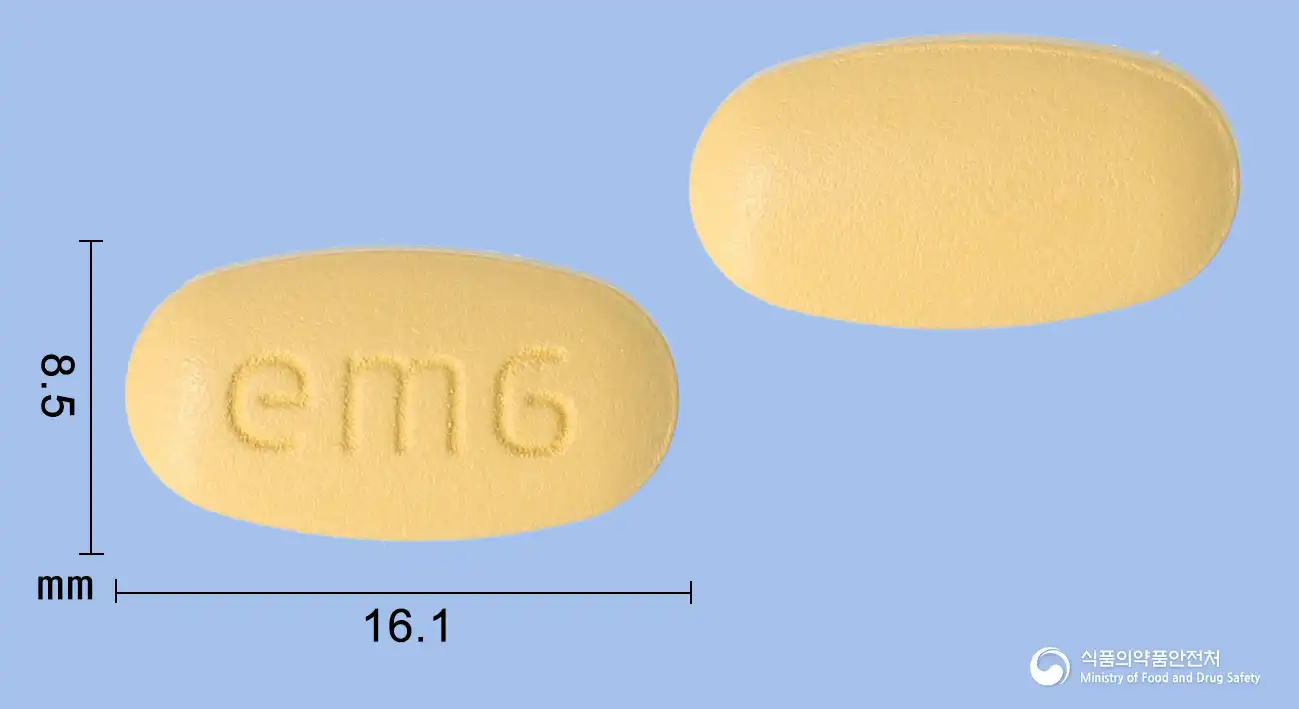 Combination
Empagliflozin L-Proline 6.28mg · Metformin Hydrochloride 500mg
Tablet · Prescription medication · Combination
Jongkundang Co., Ltd.
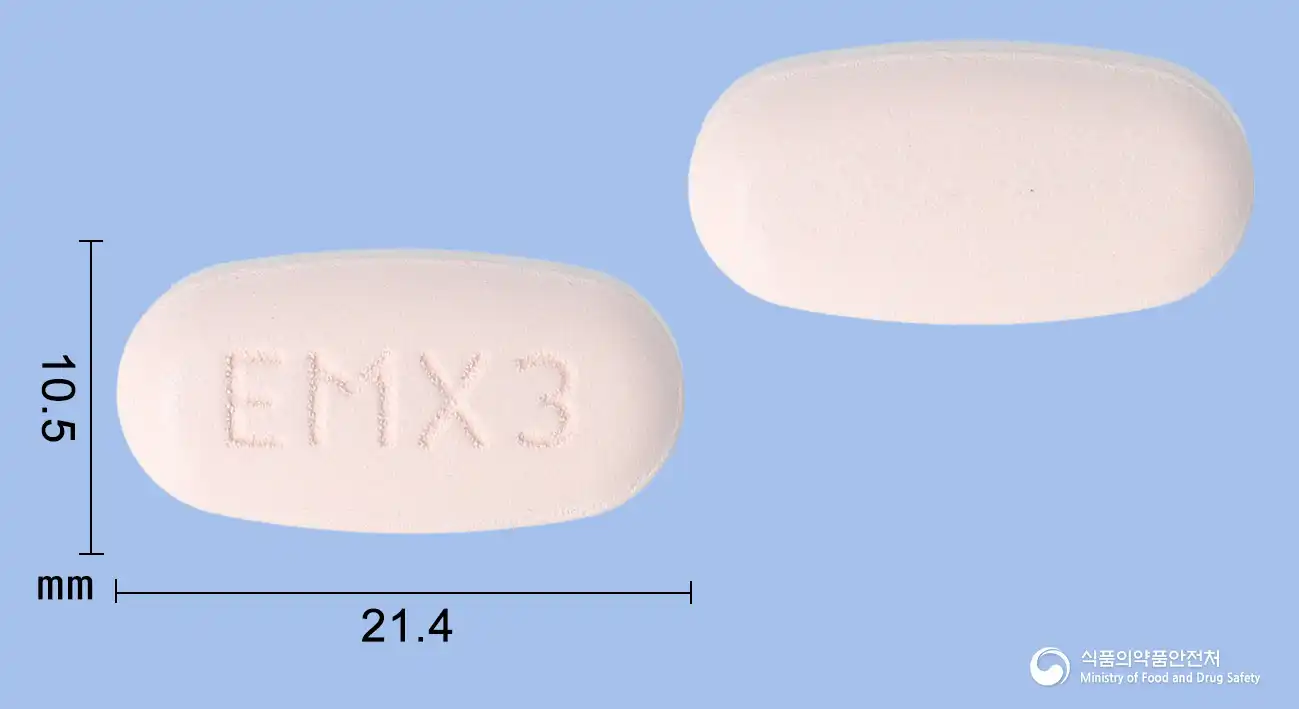 Combination
Empagliflozin L-Proline 12.55mg · Metformin Hydrochloride 1000mg
Tablet · Prescription medication · Combination
Jongkundang Co., Ltd.
Even with the same ingredient, the dose and directions can differ by strength and dosage form. Talk to a doctor or pharmacist before switching from a medication you are already taking.
No questions yet.
For anything that needs medical judgment, consult a doctor or pharmacist.
This drug information is based on data provided by the Korea Ministry of Food and Drug Safety.
Consult a doctor or pharmacist for accurate dosage, administration, and usage instructions.