
 한국어
 English
 日本語
 中文(简体)
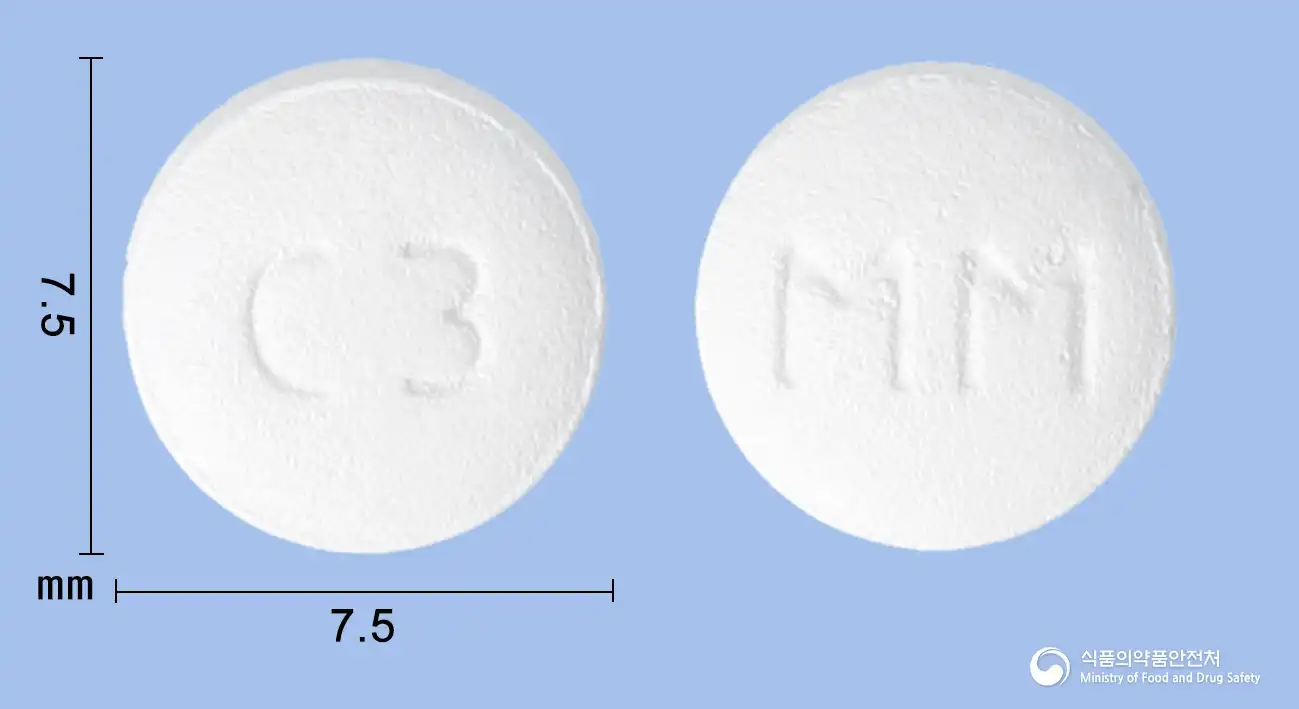 Viewing nowCombination
Candesartan Efficacy 8/2.5 mg (Candesartan, Amlodipine)
Candesartan Cilexetil 8mg · S-Amlodipine Besylate 2.5 Hydrate 3.74mg
Tablet · Prescription medication · Combination
Myungmoon Pharmaceutical Co., Ltd.
MFDS item code 202501846 · Approved 2025.07.22 · Insurance code 649808380
Treatment of essential hypertension not controlled with monotherapy
Candesartan Cilexetil or Amlodipine (Amlodipine) is used for patients with essential hypertension whose blood pressure is not adequately controlled with monotherapy. These medications help to lower blood pressure by dilating blood vessels, improving blood pressure control, and contributing to the maintenance of heart and vascular health. By managing blood pressure, they help reduce the risk of complications such as stroke or heart disease. Taking these medications can lead to more effective blood pressure control and overall health maintenance.
The recommended dose of this drug is 1 tablet once daily, taken with water, with or without food. If possible, it is recommended that the drug be taken at the same time each day (e.g., in the morning). Before starting this drug, it is recommended that the dose of each individual component (candesartan cilexetil or S-amlodipine (amlodipine)) be adjusted. However, a direct switch to this drug may be considered when blood pressure is not controlled with monotherapy using an individual component, as follows. - 8/2.5 mg: Administer to patients whose blood pressure is not adequately controlled with candesartan cilexetil 8 mg or S-amlodipine 2.5 mg (amlodipine 5 mg). - 16/2.5 mg: Administer to patients whose blood pressure is not adequately controlled with candesartan cilexetil 16 mg or S-amlodipine 2.5 mg (amlodipine 5 mg). - 16/5 mg: Administer to patients whose blood pressure is not adequately controlled with candesartan cilexetil 16 mg, S-amlodipine 5 mg (amlodipine 10 mg), or this drug 16/2.5 mg. Patients taking candesartan cilexetil and S-amlodipine (amlodipine) concomitantly may switch to this drug (a combination product containing the same amounts of each active ingredient) for convenience. • Patients with renal impairment: Since the recommended initial dose of candesartan cilexetil in patients with renal impairment is 4 mg once daily, it is not advisable to use this drug as initial therapy. • Patients with hepatic impairment: Since the recommended initial dose of candesartan cilexetil in patients with mild or moderate hepatic impairment is 2 mg once daily, it is not advisable to use this drug as initial therapy.
The safety and efficacy of this drug have not been established in adolescents and children 18 years of age or younger; therefore, its use is not recommended.
This drug can cause serious harm to the fetus, especially during pregnancy, so it should be stopped immediately once pregnancy is confirmed. It is safer for women who are pregnant or may become pregnant, and for nursing mothers, to avoid this medication. Patients with severe liver or kidney function impairment, certain vascular diseases, and those allergic to this drug or similar medications should not take it. Caution is especially needed for the elderly or patients with hyperkalemia, and regular blood pressure and blood tests should be conducted under the guidance of a physician. While taking this drug, various side effects such as dizziness, headache, indigestion, swelling, itching, etc., may appear, so any abnormal symptoms should be immediately reported to medical personnel. Particularly, if blood pressure drops too low or severe allergic reactions, difficulty breathing, or heart-related symptoms occur, immediate treatment should be sought. This medication may interact with other antihypertensive medications, certain diuretics, or potassium supplements, so inform your physician if you are taking any other medications. Grapefruit juice may enhance the blood pressure-lowering effect, so it is best not to consume it together. It is recommended that pregnant and nursing women avoid this medication, and if necessary, nursing should be ceased. Safety for children and adolescents under 18 years has not been established, so its use is not recommended. In case of overdose, symptoms such as hypotension, dizziness, and tachycardia may occur, requiring immediate proper treatment in a hospital, and self-treatment should be avoided. This medicine should be kept out of reach of children and care should be taken not to transfer it to other containers.
Not everyone experiences these, and they can vary from person to person.
This drug should be stored in a tightly closed container to protect it from air and moisture, ideally at room temperature between 1 to 30 degrees Celsius. This storage method will help safely maintain the drug's effectiveness.
White, round, biconvex film-coated tablet
30 tablets/bottle
Even with the same ingredient, strength, dosage form and how it is taken can differ.
Viewing nowCombinationCandesartan Cilexetil 8mg · S-Amlodipine Besylate 2.5 Hydrate 3.74mg
Tablet · Prescription medication · Combination
Myungmoon Pharmaceutical Co., Ltd.
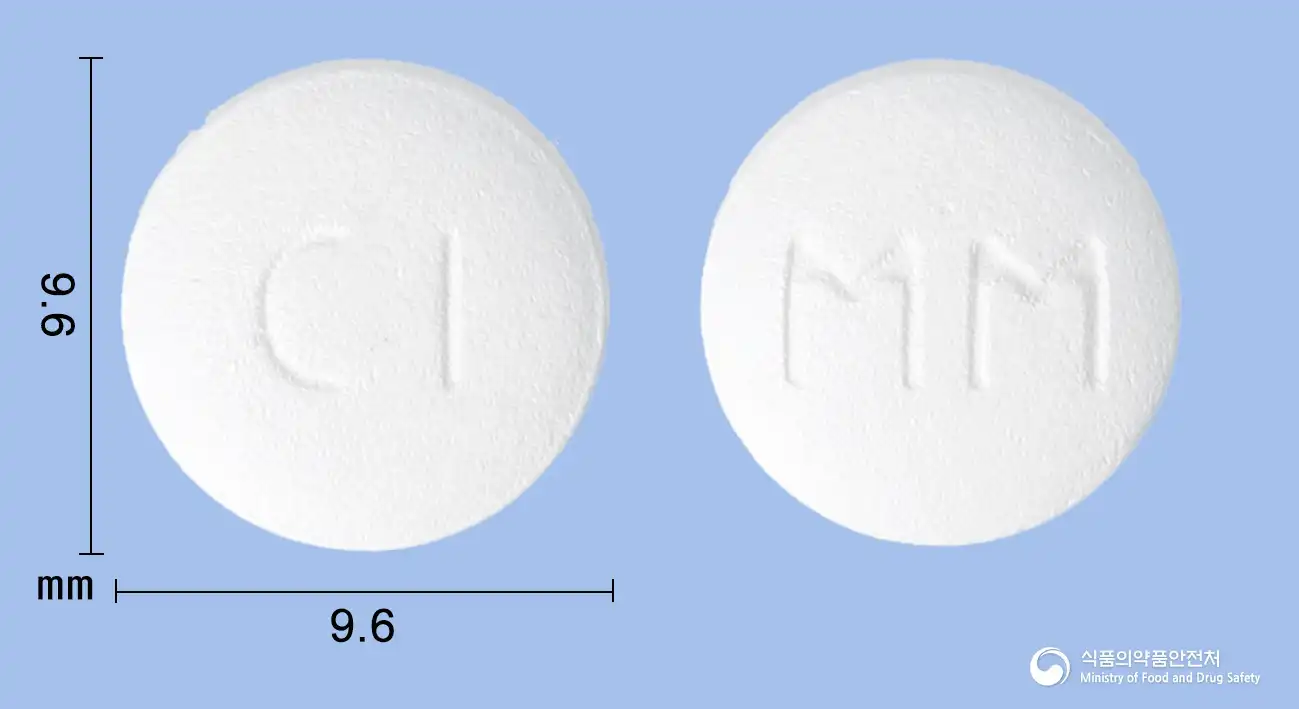 Combination
Candesartan Cilexetil 16mg · S-Amlodipine Besylate 2.5 Hydrate 7.48mg
Tablet · Prescription medication · Combination
Myeongmun Pharmaceutical Co., Ltd.
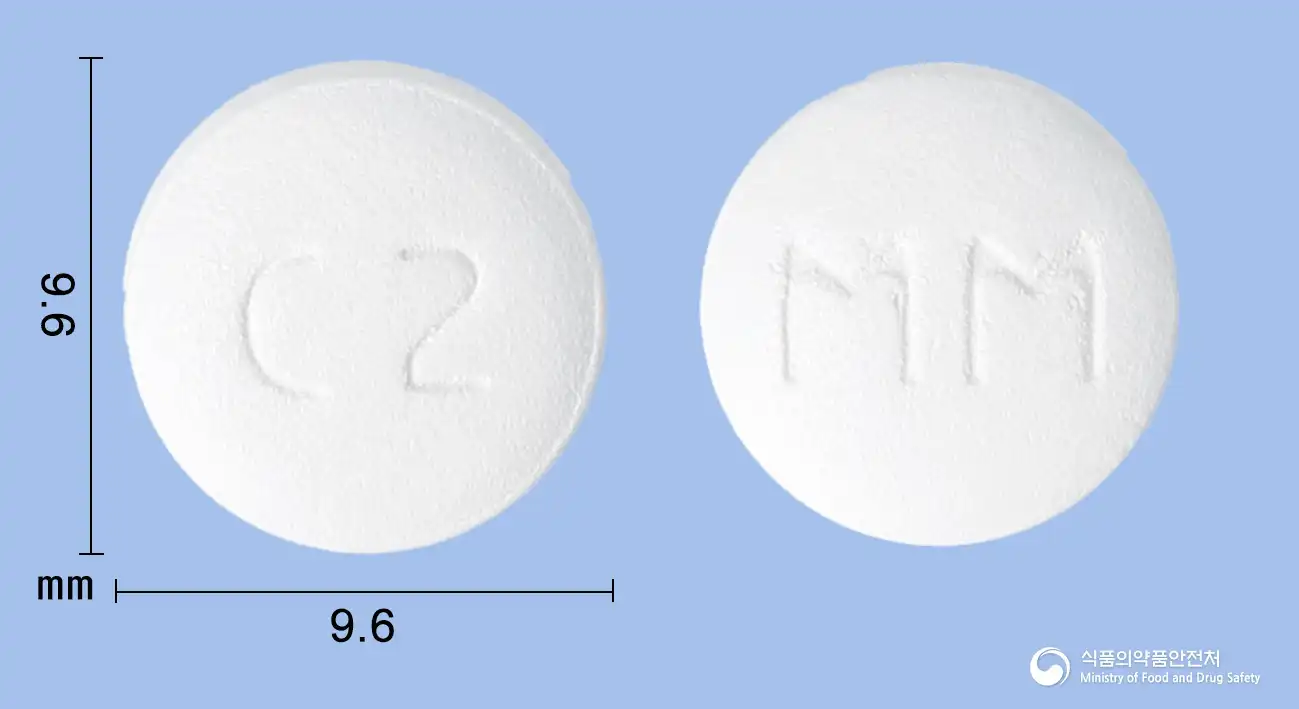 Combination
Candesartan Cilexetil 16mg · S-Amlodipine Besylate 2.5 Hydrate 3.74mg
Tablet · Prescription medication · Combination
Myungmoon Pharmaceutical Co., Ltd.
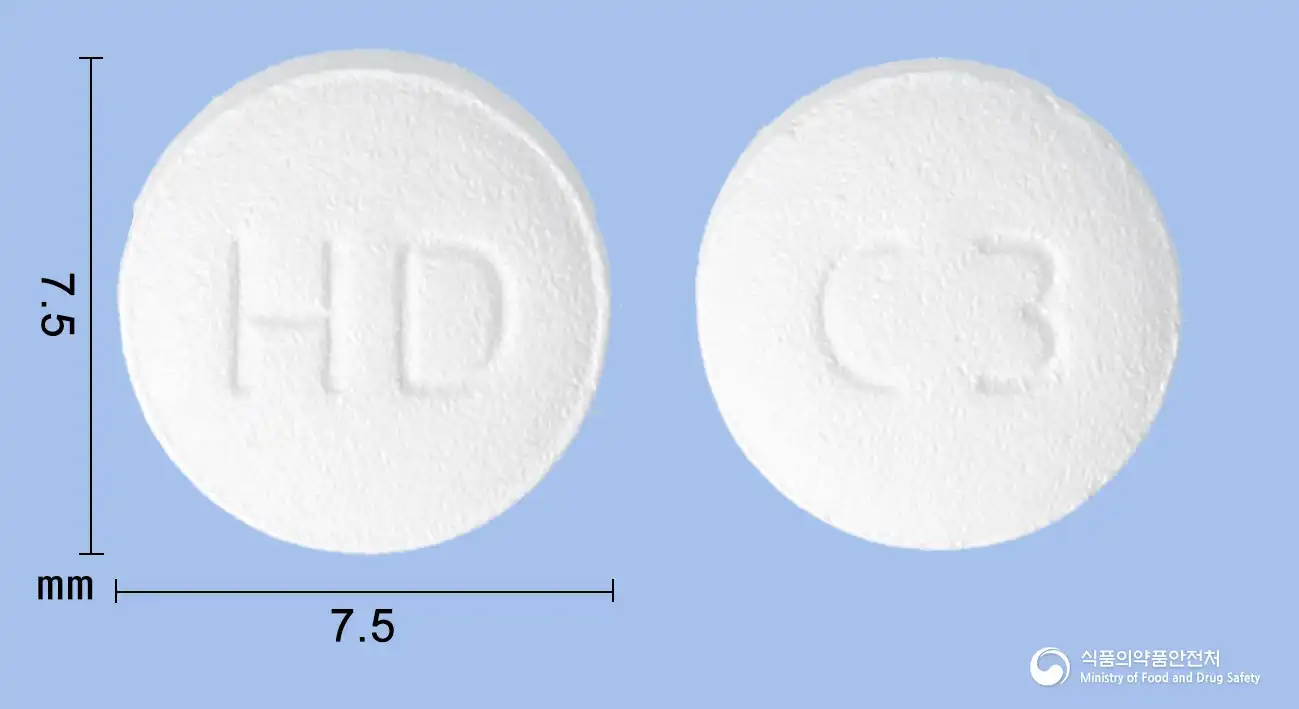 Combination
Candesartan Cilexetil 8mg · S-Amlodipine Besylate 2.5 Hydrate 3.74mg
Tablet · Prescription medication · Combination
Hyundai Pharmaceutical Co., Ltd.
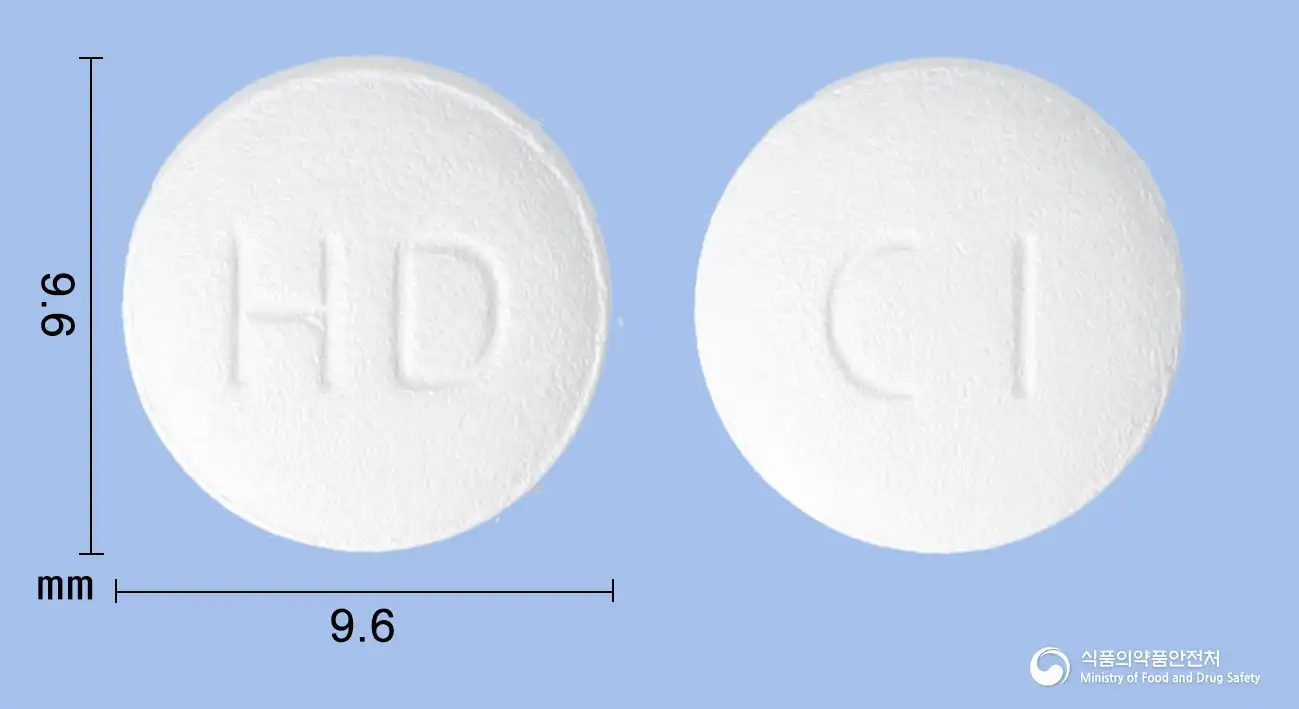 Combination
Candesartan Cilexetil 16mg · S-Amlodipine Besylate 2.5 Hydrate 7.48mg
Tablet · Prescription medication · Combination
Hyundai Pharmaceutical Co., Ltd.
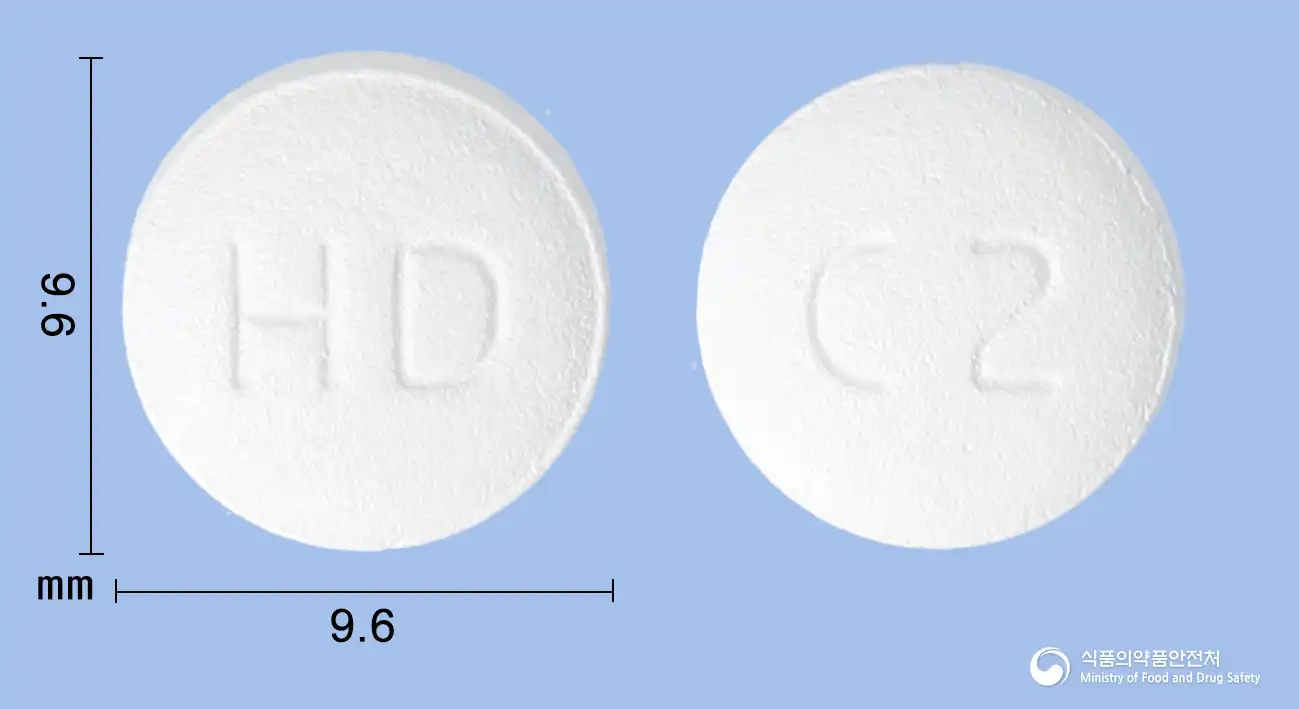 Combination
Candesartan Cilexetil 16mg · S-Amlodipine Besylate 2.5 Hydrate 3.74mg
Tablet · Prescription medication · Combination
Hyundai Pharmaceutical Co., Ltd.
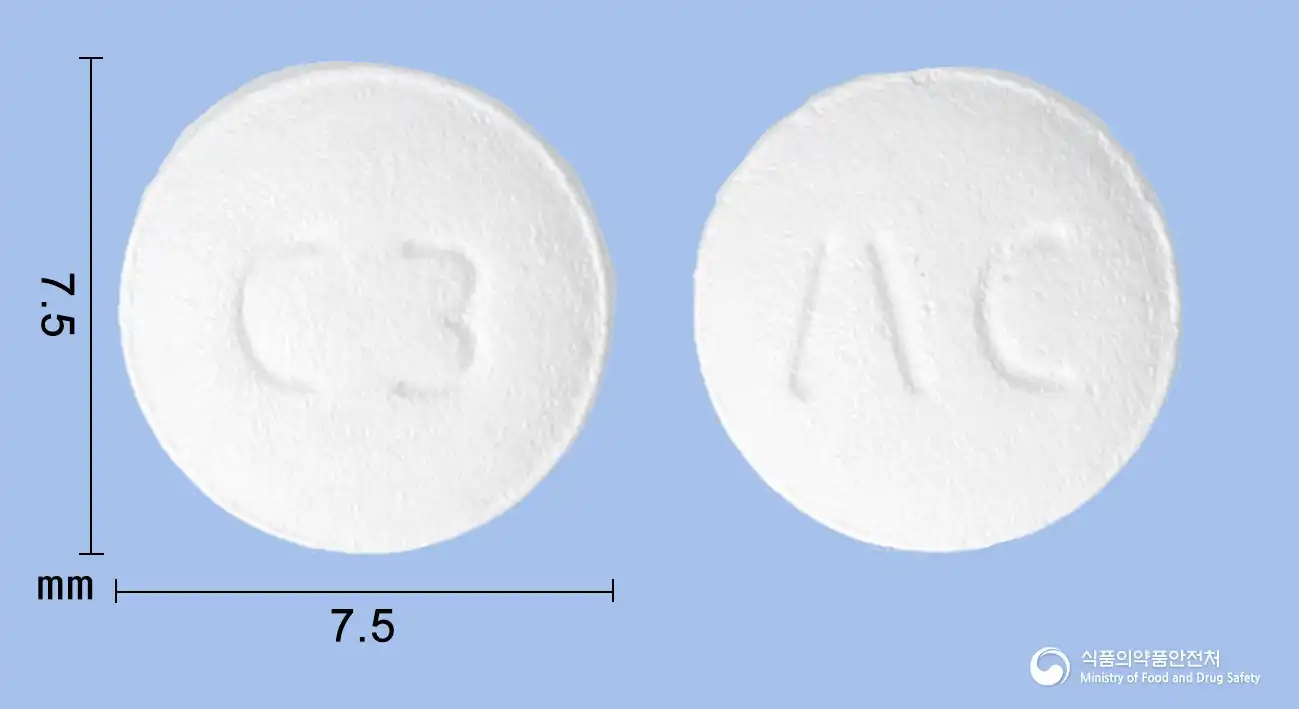 Combination
Candesartan Cilexetil 8mg · S-Amlodipine Besylate 2.5 Hydrate 3.74mg
Tablet · Prescription medication · Combination
Allico Pharmaceutical Co., Ltd.
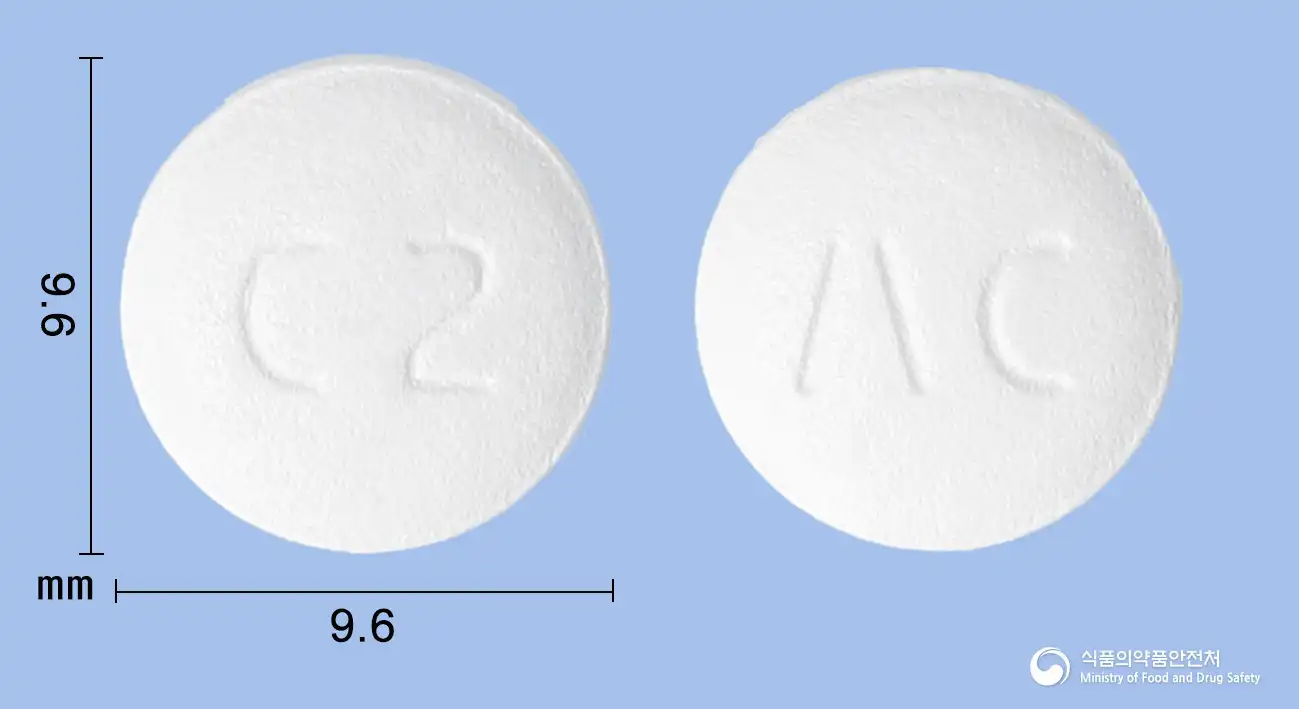 Combination
Candesartan Cilexetil 16mg · S-Amlodipine Besylate 2.5 Hydrate 3.74mg
Tablet · Prescription medication · Combination
Aliko Pharmaceutical Co., Ltd.
Even with the same ingredient, the dose and directions can differ by strength and dosage form. Talk to a doctor or pharmacist before switching from a medication you are already taking.
No questions yet.
For anything that needs medical judgment, consult a doctor or pharmacist.
This drug information is based on data provided by the Korea Ministry of Food and Drug Safety.
Consult a doctor or pharmacist for accurate dosage, administration, and usage instructions.