
 한국어
한국어 English
 日本語
日本語 中文(简体)
 Viewing nowCombination
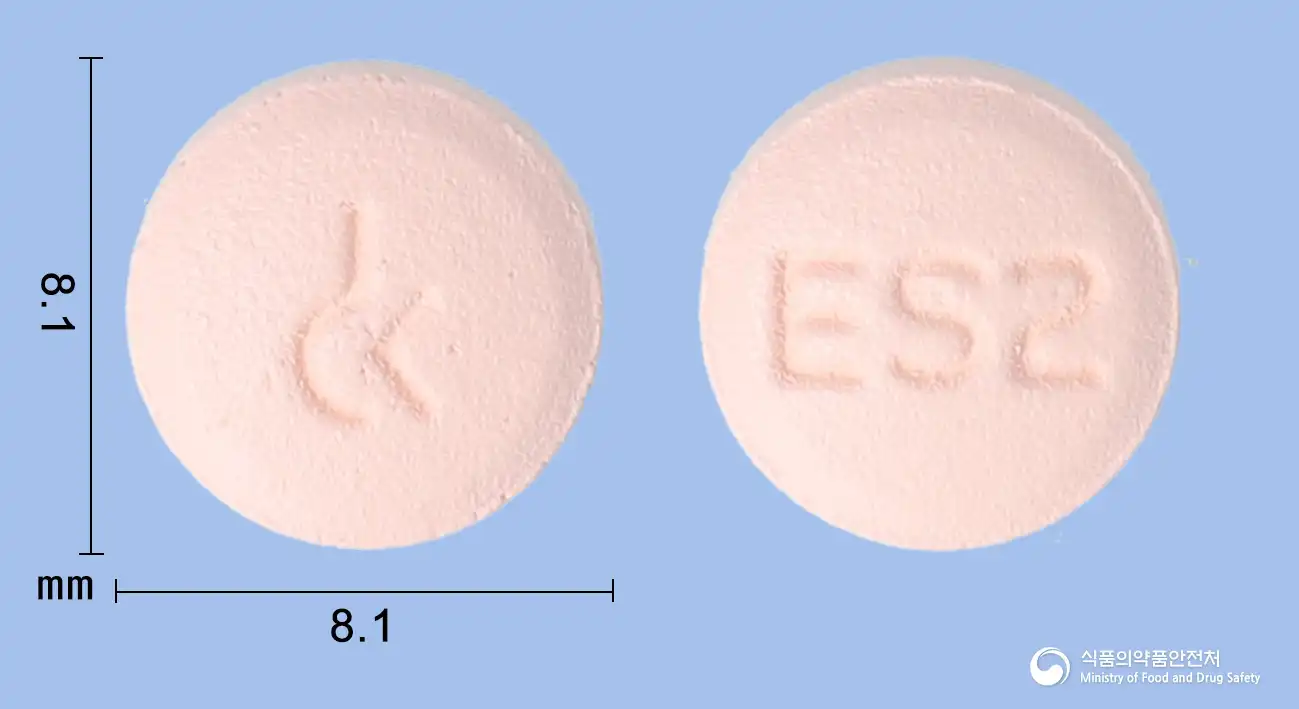
Linacan Empa Tablet 25/5 mg (Empagliflozin, Linagliptin)
Linagliptin 5mg · Empagliflozin Amorphous 25mg
Tablet · Prescription medication · Combination
Dongkuk Pharmaceutical Co., Ltd.
MFDS item code 202501803 · Approved 2025.07.15 · Insurance code 653406090
Improvement of blood sugar control in type 2 diabetes
This drug is used as an adjunct therapy together with dietary and exercise therapy to assist in blood sugar control in patients with type 2 diabetes, where empagliflozin and linagliptin work together to effectively manage blood sugar.
The recommended starting dose of this medication is 1 time daily, containing 10 mg of empagliflozin and 5 mg of linagliptin. If well-tolerated and additional blood sugar control is needed, the dose can be increased to 25/5 mg once daily. This medication can be taken regardless of meals, and the tablet should be swallowed whole. If a dose is missed, take it as soon as remembered, but if the next dose is within 12 hours, skip the missed dose.
This drug consists of two components, empagliflozin and linagliptin, and is mainly used for the treatment of type 2 diabetes. This drug should not be used in certain patients, including those who are hypersensitive to empagliflozin, linagliptin, or any of the components of the drug, patients with type 1 diabetes, patients with diabetic ketoacidosis, or those on dialysis. During use, renal function should be periodically monitored, especially in patients with decreased renal function or those taking other medications that may affect renal function. Patients with heart failure or a history of acute pancreatitis should also be cautious when using this drug, and if symptoms of pancreatitis, such as persistent severe abdominal pain, occur, the medication should be stopped immediately and a doctor consulted. Additionally, a rare skin blistering condition may develop, so any skin blisters or abrasions should be reported to a doctor immediately. The most common side effect during the use of this drug is a urinary tract infection; other possible side effects include hypoglycemia, thirst, cough, constipation, itching, and rash. Caution is especially warranted in cases where insulin or sulfonylurea is used concurrently, as the risk of hypoglycemia may increase. This medication can cause a serious metabolic disorder called ketoacidosis; if symptoms such as vomiting, abdominal pain, or difficulty breathing occur, immediate treatment is necessary. Additionally, reduction in fluid volume can lead to low blood pressure or dehydration, so elderly patients or those with low blood pressure should be particularly careful. There is also an increased risk of genital infections, so if related symptoms occur, appropriate treatment should be sought. Women who are pregnant or breastfeeding are advised not to use this medication, and it is not recommended for children under 18 years of age, as safety and efficacy have not been established. In case of overdose, seek medical attention immediately for appropriate treatment, and this medication should be kept out of the reach of children. Finally, while taking this medication, caution should be exercised while driving or operating machinery due to the risk of accidents from hypoglycemia.
Not everyone experiences these, and they can vary from person to person.
This medication should be stored in a sealed container to protect it from air and moisture. It is important to maintain the storage temperature between 1 to 30 degrees Celsius.
Pink round film-coated double tablet
30 tablets/bottle, 100 tablets/bottle
Even with the same ingredient, strength, dosage form and how it is taken can differ.
Viewing nowCombinationLinagliptin 5mg · Empagliflozin Amorphous 25mg
Tablet · Prescription medication · Combination
Dongkuk Pharmaceutical Co., Ltd.
 Combination
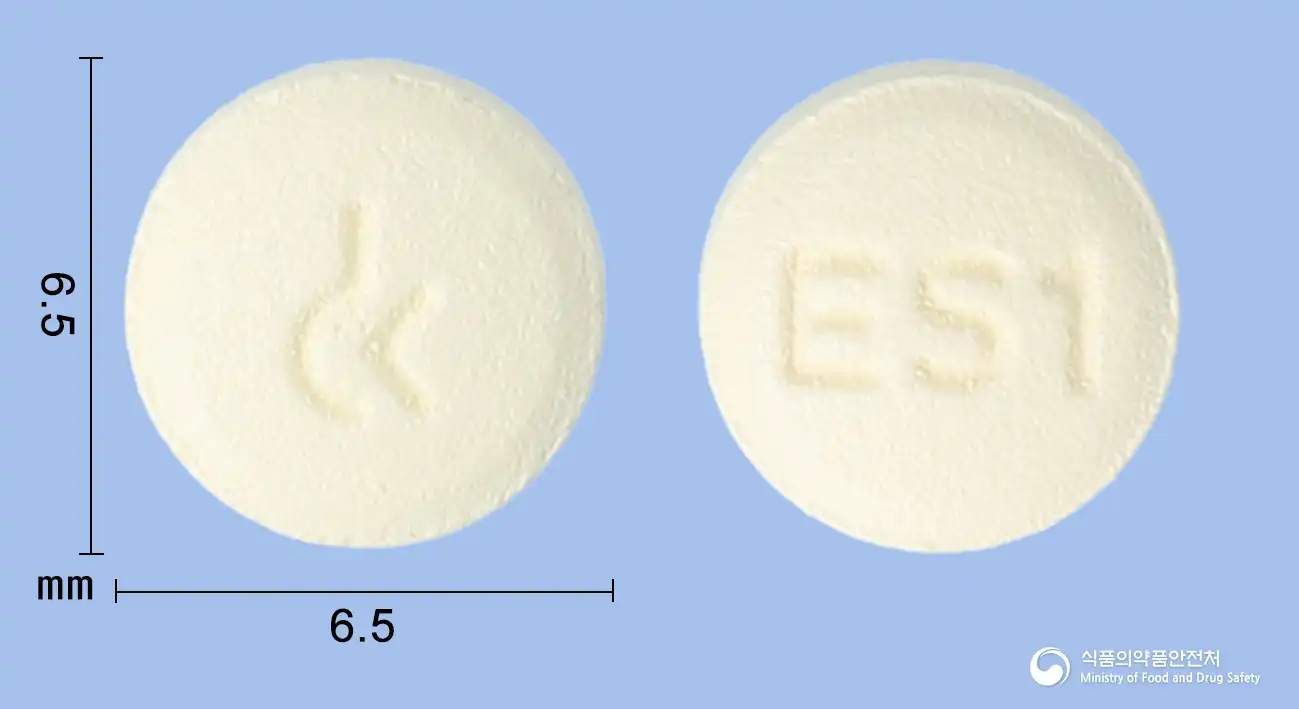
Linagliptin 5mg · Empagliflozin Amorphous 10mg
Tablet · Prescription medication · Combination
DongKook Pharmaceutical Co., Ltd.
Even with the same ingredient, the dose and directions can differ by strength and dosage form. Talk to a doctor or pharmacist before switching from a medication you are already taking.
No questions yet.
For anything that needs medical judgment, consult a doctor or pharmacist.
This drug information is based on data provided by the Korea Ministry of Food and Drug Safety.
Consult a doctor or pharmacist for accurate dosage, administration, and usage instructions.