
 한국어
한국어 English
 日本語
日本語 中文(简体)
 Viewing now
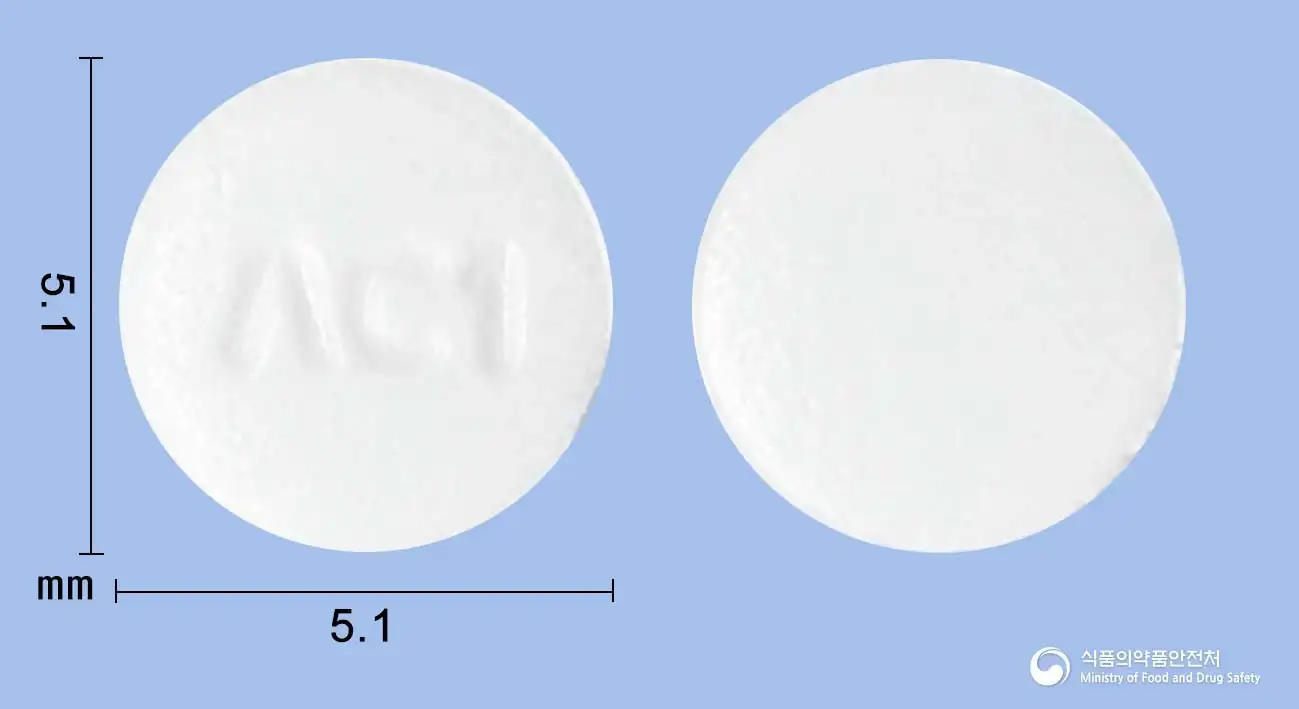
Albestol Tablets 1.25 mg (Nebivolol Hydrochloride)
Nebivolol Hydrochloride 1.3625mg
Tablet · Prescription medication
Allico Pharmaceutical Co., Ltd.
MFDS item code 202501802 · Approved 2025.07.15
Adjunctive therapy for chronic heart failure
This medication is used adjunctively in the standard treatment of patients aged 70 and older with chronic heart failure, particularly mild to moderate stable chronic heart failure. It helps to improve heart function and alleviate symptoms, thereby enhancing the quality of life of patients. By maintaining regular use, it contributes to slowing the progression of heart failure and reducing the risk of hospitalization. This medication plays a significant role in managing chronic heart failure in elderly patients and improves overall therapeutic efficacy.
For patients with stable chronic heart failure, treatment should begin with Nebivolol at a dose of 1.25 mg once daily, and if necessary, the dose may be increased to 2.5 mg once daily, 5 mg once daily, or 10 mg once daily. The maximum daily dose is 10 mg. It can be taken with food.
This medication should not be used in certain patients. Individuals with hypersensitivity to this medication or with a history of bronchospasm or bronchial asthma may be at risk if they take this medication. Patients with metabolic acidosis, very slow heart rates (bradycardia), or cardiac conduction disorders should not take this medication. Patients with acute heart failure, cardiogenic shock, uncontrolled heart failure, or hypotension should also avoid this medication. Pregnant or nursing women and those with significant peripheral circulation disorders or severe liver impairment should not take this medication. It should also not be administered to chronic heart failure patients with severe renal failure or those with genetic conditions such as lactose intolerance. This medication must be used cautiously in patients with chronic lung disease, untreated heart failure, ischemic heart failure, or peripheral circulation disorders. Additionally, caution is needed for patients with first-degree AV block, certain forms of angina, hyperthyroidism, a history of psoriasis, diabetes patients, and the elderly. This medication may cause a variety of side effects including skin rash, vision impairment, bradycardia, hypotension, worsening heart failure, headache, dizziness, diarrhea, shortness of breath, itching, edema, and fatigue. Neuropsychiatric symptoms such as depression, nightmares, and, rarely, fainting may also occur. In severe cases, edema or vascular reactions may occur. Caution must be taken to prevent worsening of bradycardia during use, and it is advisable to discontinue the medication at least 24 hours before surgery. Blood pressure, heart rate, and cardiac function must be closely monitored after administration. This medication may interact with other drugs; caution is required when taken with calcium channel blockers, antiarrhythmic agents, centrally acting antihypertensive drugs, insulin, anticonvulsants, etc. Especially, intravenous administration of verapamil is prohibited due to the possibility of serious side effects. Pregnant or nursing women should not take this medication, and safety in children under 18 years is not established, therefore, it is not recommended. Elderly patients should start at a low dose and be closely monitored during treatment. In the case of overdose, bradycardia, hypotension, bronchospasm, or heart failure may occur, and immediate medical attention is necessary. Treatment may include gastric lavage, atropine administration, and plasma substituting agents as necessary, and specialized cardiac treatment may be required in severe cases.
Urticaria, severe swelling (edema), angioedema, chest tightness, difficulty breathing, bronchospasm, sweating, pallor, severe rash with fever, blisters, skin peeling, pain of oral/ocular mucosa, breathlessness or difficulty breathing, asthma attack, respiratory distress accompanied by cough and fever, jaundice (yellowing of skin or eyes), extreme fatigue, sudden and severe headache, thunderclap headache, seizure, altered consciousness
Not everyone experiences these, and they can vary from person to person.
This medication should be stored in a tightly closed container to protect it from air and moisture. It is important to maintain the storage temperature between 1 and 30 degrees Celsius. Proper storage ensures the medication's effectiveness is preserved safely.
White round tablets
30 tablets/bottle, 300 tablets/bottle, 500 tablets/bottle
Even with the same ingredient, strength, dosage form and how it is taken can differ.
Viewing nowNebivolol Hydrochloride 1.3625mg
Tablet · Prescription medication
Allico Pharmaceutical Co., Ltd.
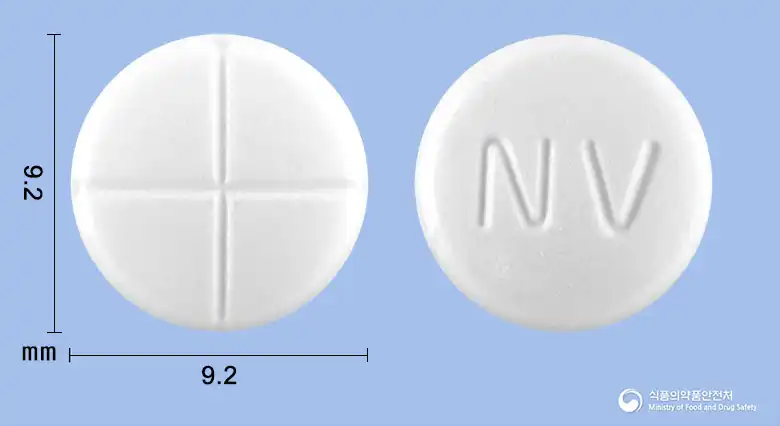
Nebivolol Hydrochloride 5.45mg
Tablet · Prescription medication
Chodang Pharmaceutical Co., Ltd.
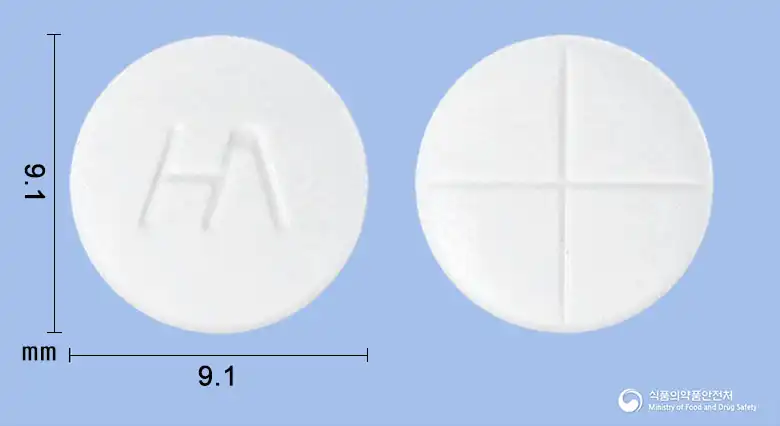
Nebivolol Hydrochloride 5.45mg
Tablet · Prescription medication
Hanol Bio Pharma Co., Ltd.
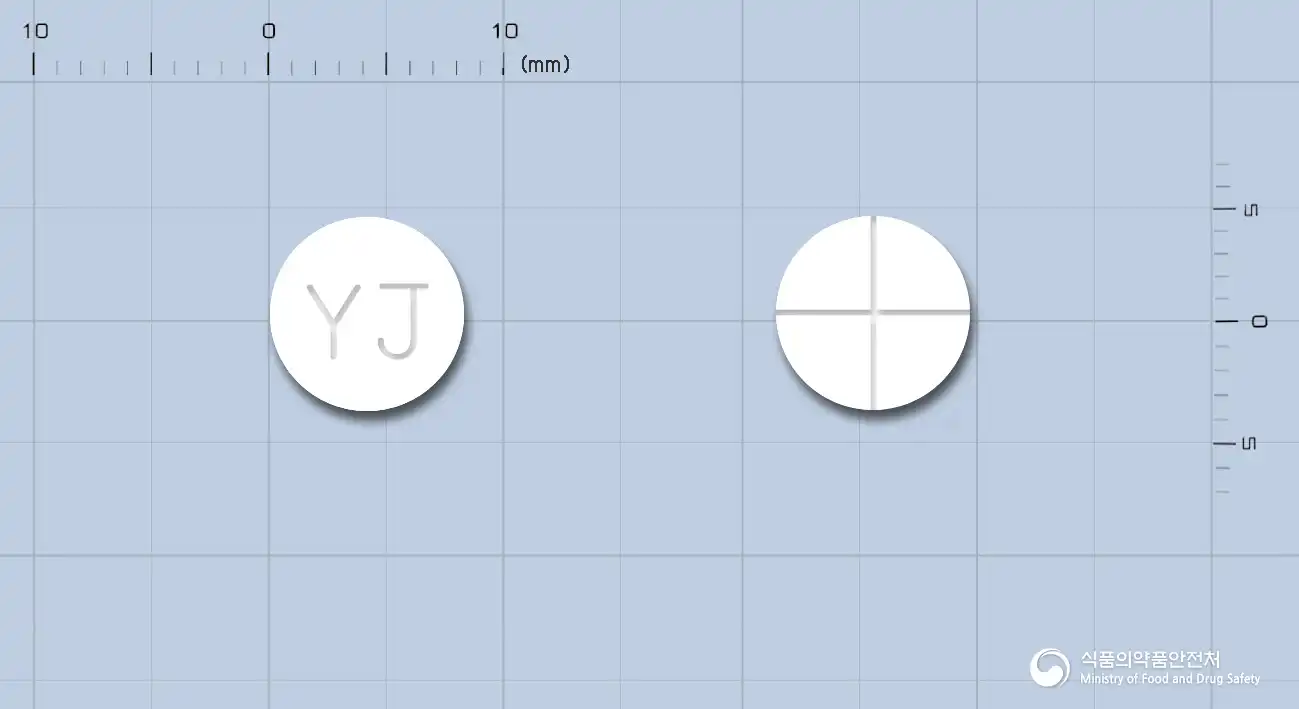
Nebivolol Hydrochloride 5.45mg
Tablet · Prescription medication
Youngjin Pharmaceutical Co., Ltd.
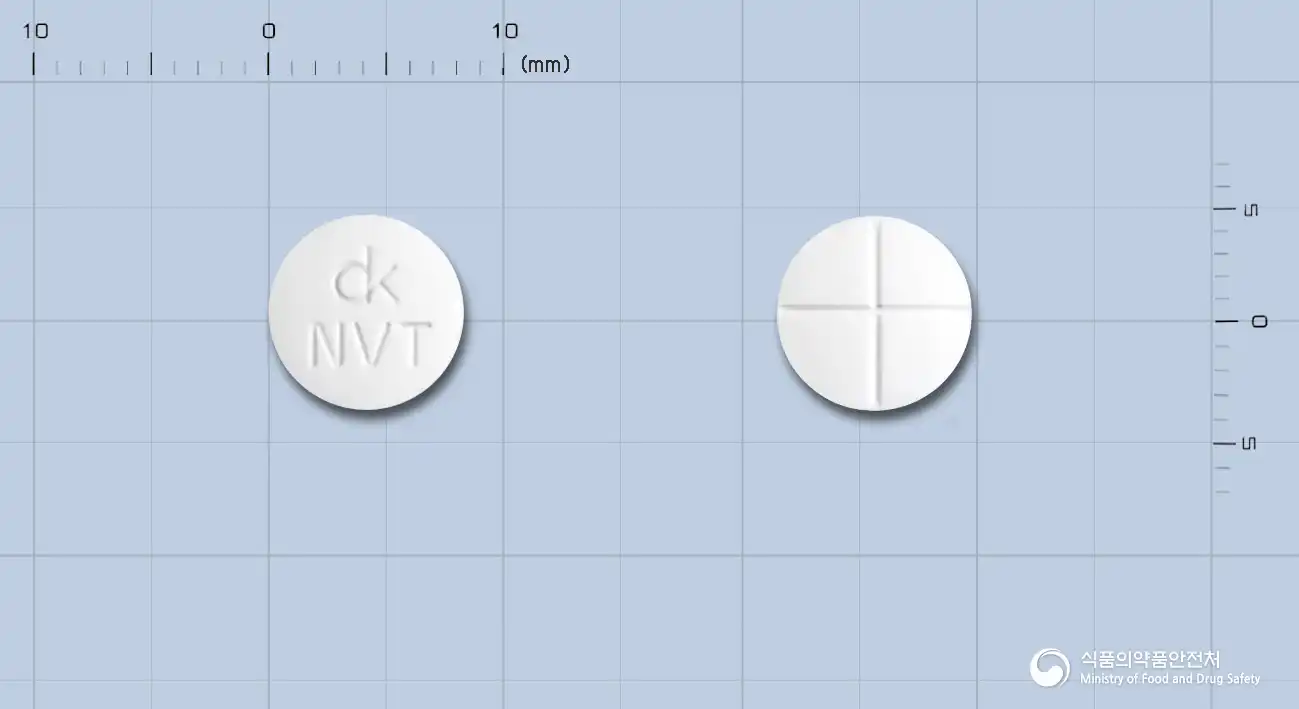
Nebivolol Hydrochloride 5.45mg
Tablet · Prescription medication
Dongkuk Pharmaceutical Co., Ltd.
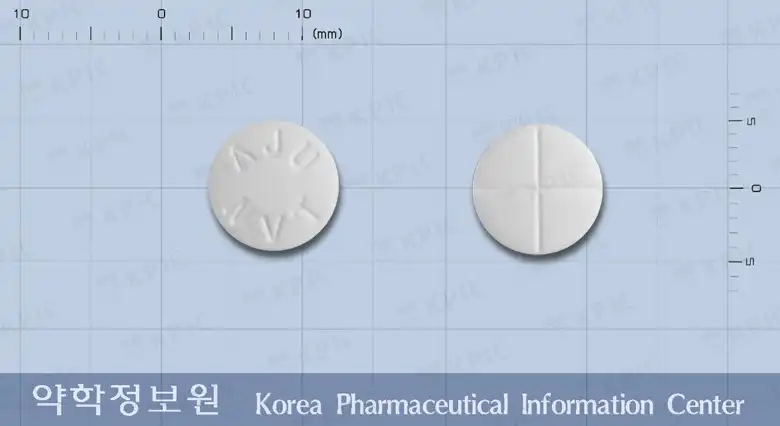
Nebivolol Hydrochloride 5.45mg
Tablet · Prescription medication
Aju Pharmaceuticals Co., Ltd.
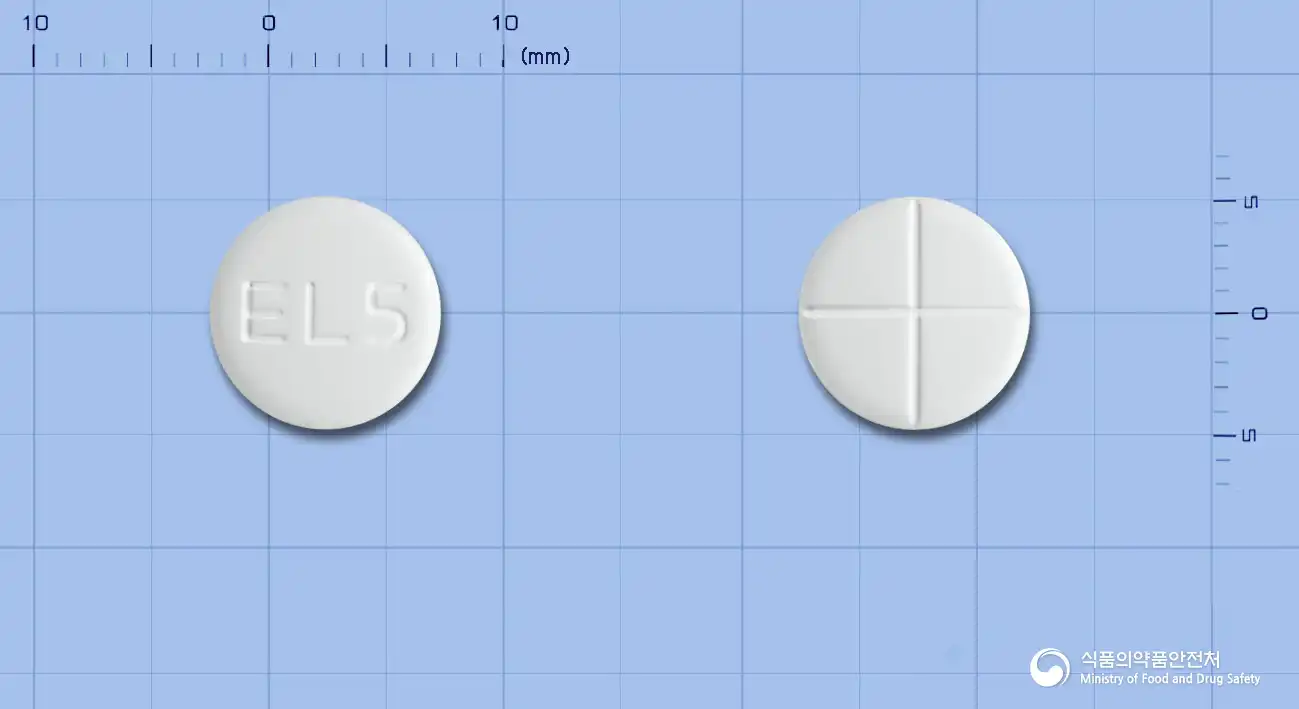
Nebivolol Hydrochloride 5.45mg
Tablet · Prescription medication
Ellison Pharmaceutical Co., Ltd.
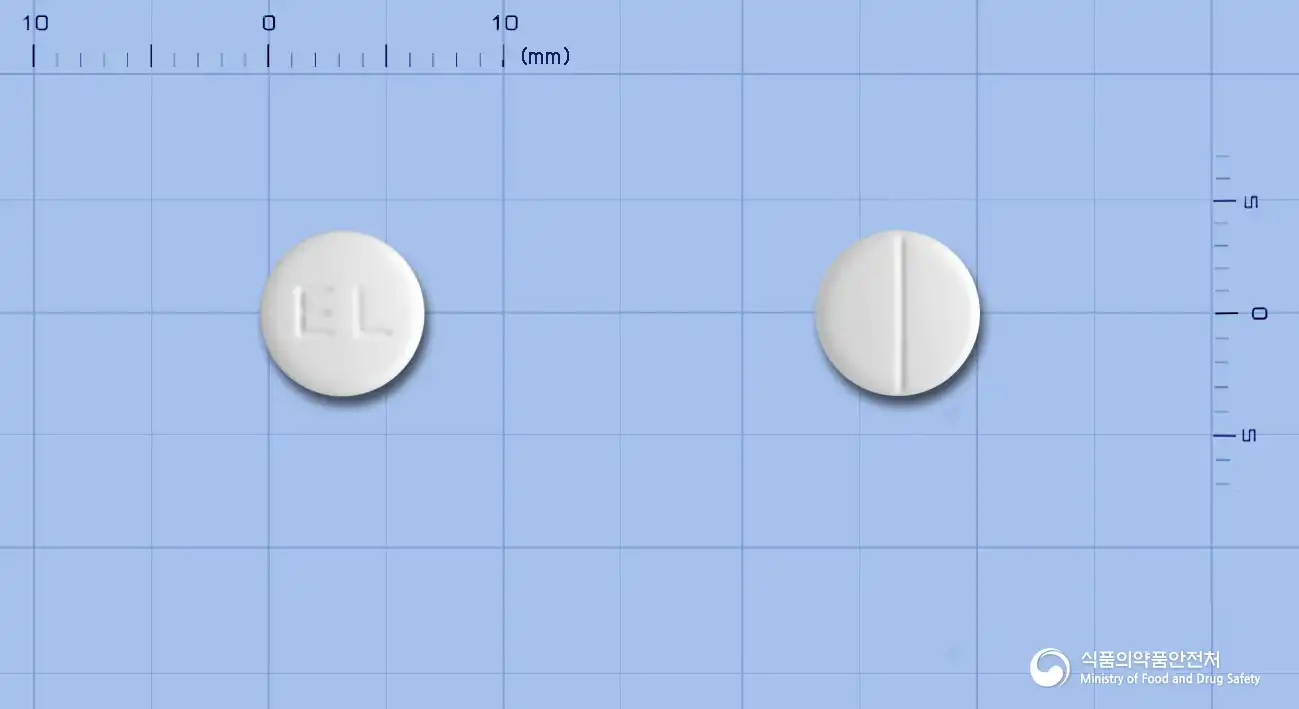
Nebivolol Hydrochloride 2.725mg
Tablet · Prescription medication
Erison Pharm Co., Ltd.
Even with the same ingredient, the dose and directions can differ by strength and dosage form. Talk to a doctor or pharmacist before switching from a medication you are already taking.
No questions yet.
For anything that needs medical judgment, consult a doctor or pharmacist.
This drug information is based on data provided by the Korea Ministry of Food and Drug Safety.
Consult a doctor or pharmacist for accurate dosage, administration, and usage instructions.