
 한국어
 English
 日本語
 中文(简体)
 Viewing nowCombination
Celtapen Capsule (Pitavastatin, Fenofibrate)
Pitavastatin Calcium 2mg · Fenofibrate Granules 241.51mg
Hard capsule · Prescription medication · Combination
Celltrion Pharmaceutical Co., Ltd.
MFDS item code 202501758 · Approved 2025.07.11 · Insurance code 693904050
Treatment of mixed dyslipidemia
Pitavastatin 2mg effectively regulates LDL cholesterol levels in high-risk adult patients with coronary artery disease. However, in this treatment, triglyceride levels may remain high, and HDL cholesterol levels may stay low. In cases of mixed dyslipidemia, it helps to reduce LDL cholesterol while lowering cardiovascular risk with pitavastatin monotherapy. This medication is used to improve blood lipid levels in high-risk patients to prevent heart-related complications.
The recommended dose is 1 capsule once daily, immediately after a meal.
This medication contains pitavastatin and fenofibrate, which are used to lower blood lipid levels. When taking this medication, it may cause muscle issues, so if symptoms such as muscle pain, muscle weakness, or muscle cramps occur, you must consult a doctor immediately. Particularly, those aged 65 and above, women, individuals with poor kidney function, those with uncontrolled hypothyroidism, and alcoholics should exercise extra caution. Take caution while co-administering with other lipid-lowering agents or niacin as it may increase the risk of muscle toxicity; consult with a healthcare professional. This medication should not be administered to individuals with certain diseases, pregnant women, children under 18 years old, or those with severely impaired kidney or liver function. As it may affect liver function, regular liver function tests should be conducted before and during treatment, and the medication should be discontinued immediately if symptoms of hepatitis appear. This drug may increase the risk of pancreatitis, cholelithiasis, interstitial lung disease, and thrombosis, so individuals with such medical history should be careful. Diabetes patients need to manage their blood sugar thoroughly as it may affect blood glucose levels, and those on anticoagulants should frequently monitor blood tests to reduce bleeding risks. It is advisable to take this drug with food, and especially to avoid alcohol consumption for safety reasons. Women who are pregnant or breastfeeding should not take this medication, and those planning to become pregnant should also avoid it. This medication is not recommended for use in children, and in the elderly, its use is determined based on renal function. In case of overdose, there is no specific antidote; proper treatment should be provided based on symptoms, and it should be kept out of reach of children. During treatment, muscle pain, dizziness, indigestion, headache, and other symptoms may occur, and if severe symptoms arise, consult a physician immediately.
Not everyone experiences these, and they can vary from person to person.
This medication may be sensitive to air or moisture, so it should be stored in a tightly sealed container. The storage temperature should be maintained at room temperature, between 1 degree and 30 degrees. This helps to safely preserve the medication's efficacy.
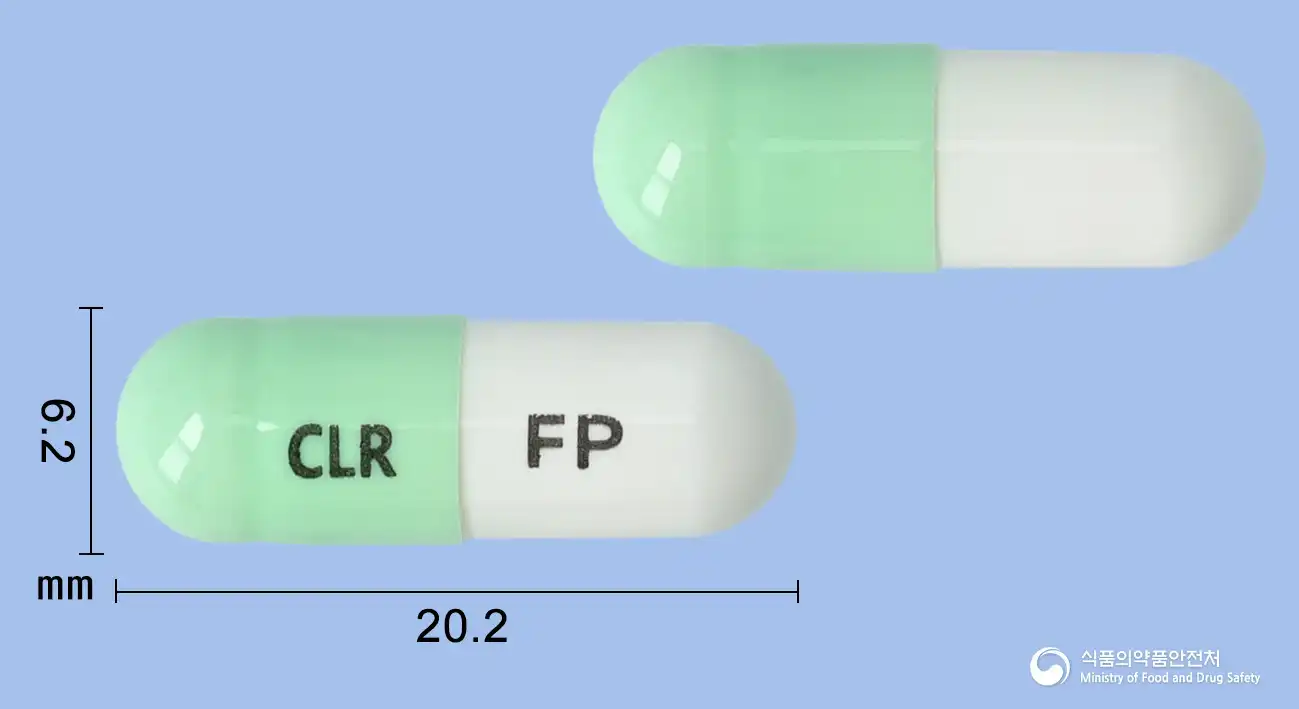
A hard capsule with a green upper part and a white lower part containing white round film-coated tablets and white spherical fine granules.
30 capsules/box [(10 capsules/PTP*3)], 300 capsules/bottle
Even with the same ingredient, strength, dosage form and how it is taken can differ.
Viewing nowCombinationPitavastatin Calcium 2mg · Fenofibrate Granules 241.51mg
Hard capsule · Prescription medication · Combination
Celltrion Pharmaceutical Co., Ltd.
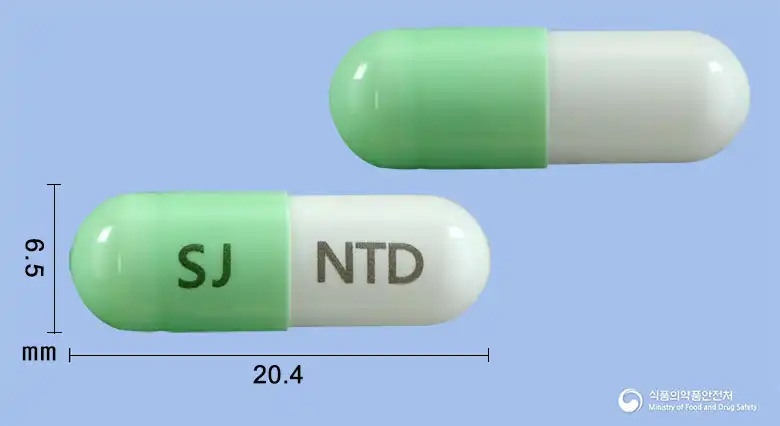 Combination
Pitavastatin Calcium 2mg · Fenofibrate Granules 241.51mg
Hard capsule · Prescription medication · Combination
Samjin Pharmaceutical Co., Ltd.
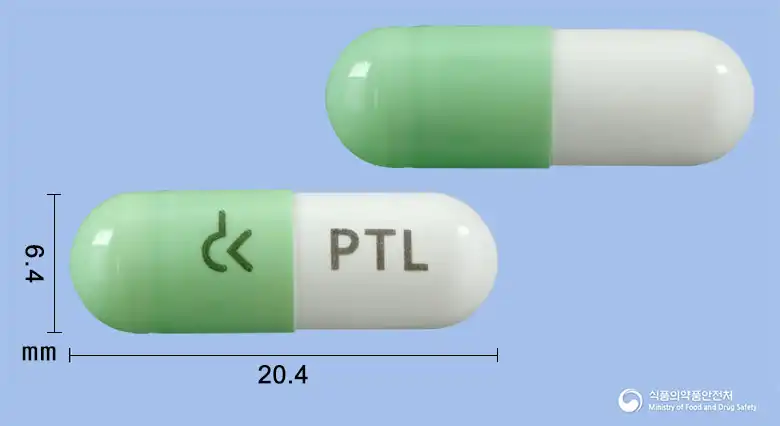 Combination
Pitavastatin Calcium 2mg · Fenofibrate Granules 241.51mg
Hard capsule · Prescription medication · Combination
Dongkook Pharmaceutical Co., Ltd.
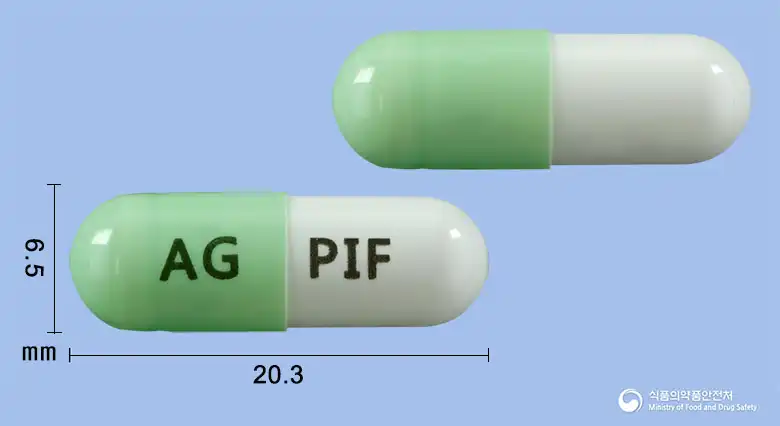 Combination
Pitavastatin Calcium 2mg · Fenofibrate Granules 241.51mg
Hard capsule · Prescription medication · Combination
Ahn-Gook Pharmaceutical Co., Ltd.
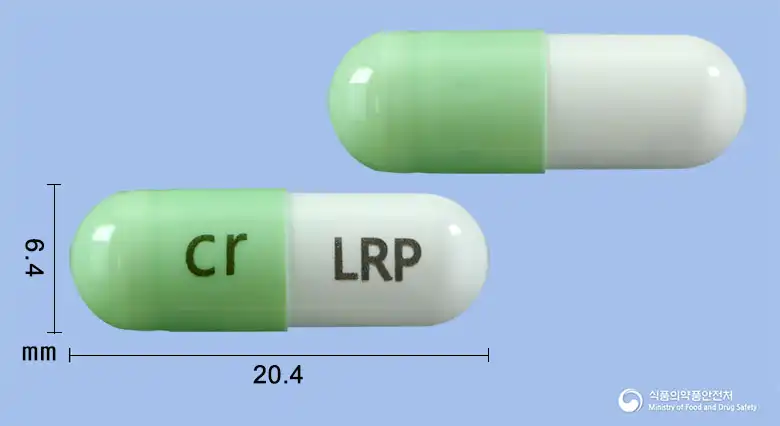 Combination
Pitavastatin Calcium 2mg · Fenofibrate Granules 241.51mg
Hard capsule · Prescription medication · Combination
GL Pharma Co., Ltd.
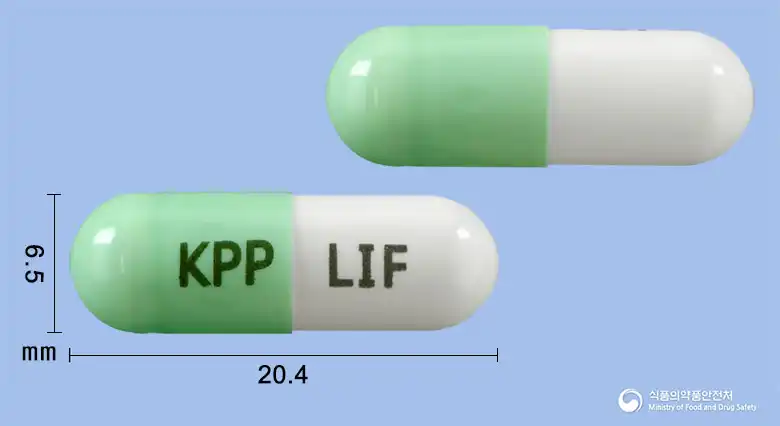 Combination
Pitavastatin Calcium 2mg · Fenofibrate Granules 241.51mg
Hard capsule · Prescription medication · Combination
Korea Prime Pharmaceutical Co., Ltd.
Pitavastatin Calcium 2mg · Fenofibrate Granules 241.51mg
Hard capsule · Prescription medication · Combination
Daewon Pharmaceutical Co., Ltd.
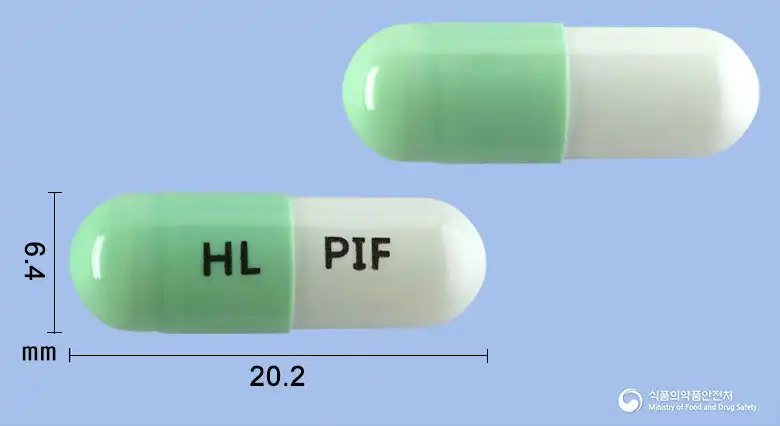 Combination
Pitavastatin Calcium 2mg · Fenofibrate Granules 241.51mg
Hard capsule · Prescription medication · Combination
Hanlim Pharmaceutical Co., Ltd.
Even with the same ingredient, the dose and directions can differ by strength and dosage form. Talk to a doctor or pharmacist before switching from a medication you are already taking.
No questions yet.
For anything that needs medical judgment, consult a doctor or pharmacist.
This drug information is based on data provided by the Korea Ministry of Food and Drug Safety.
Consult a doctor or pharmacist for accurate dosage, administration, and usage instructions.