
 한국어
한국어 English
 日本語
日本語 中文(简体)
 Viewing nowCombination
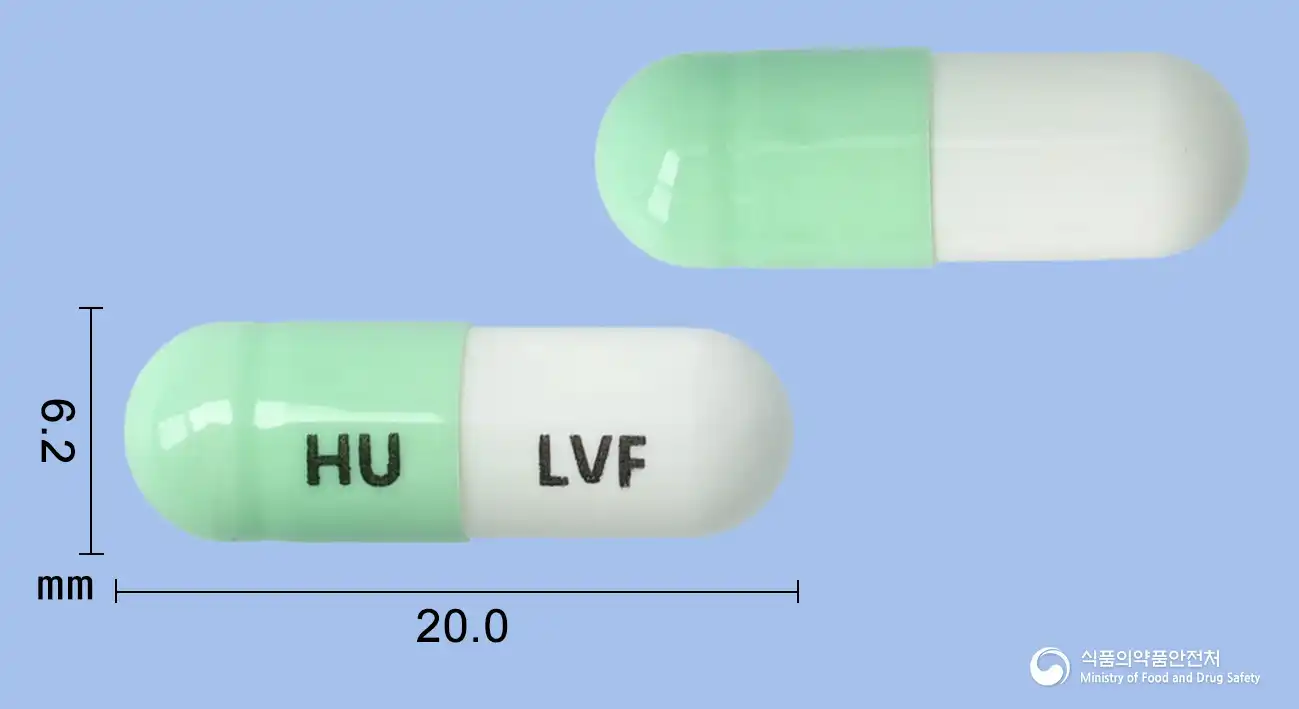
Rivafenon Capsule 2/160 mg (Pitavastatin Calcium, Fenofibrate)
Pitavastatin Calcium 2mg · Fenofibrate Granules 241.51mg
Hard capsule · Prescription medication · Combination
Huons Co., Ltd.
MFDS item code 202501757 · Approved 2025.07.11 · Insurance code 670609610
LDL-cholesterol regulation and improvement of dyslipidemia
Pitavastatin 2 mg monotherapy effectively regulates LDL-cholesterol levels in high-risk adult patients with coronary artery disease, helping to reduce cardiovascular risk. However, this treatment may raise triglyceride levels and lower HDL-cholesterol levels, so caution is needed when treating mixed dyslipidemia. Therefore, additional treatment or lifestyle modifications should be considered based on the patient's condition. Overall, pitavastatin is used to control blood lipid levels to prevent cardiovascular diseases.
As a recommended dose, take 1 capsule after meals once daily.
This medication is primarily used to lower blood lipid levels, working with two components to control cholesterol and triglycerides. When taking this medication, consult a physician immediately if symptoms such as muscle pain or weakness occur, as they may develop into a rare but serious side effect known as rhabdomyolysis, where muscles can be severely damaged. Particularly, elderly patients over 65, women, those with impaired kidney function, patients with uncontrolled hypothyroidism, those with excessive alcohol consumption, and individuals with a history of muscle disorders should consult a physician before taking this medication. Additionally, caution is necessary when taking this medication with other lipid-lowering agents or specific drugs, as it may increase the risk of muscle damage. It is generally safe to avoid this medication if there are issues with liver or kidney functions, or a history of gallbladder disease or pancreatitis. This medication should not be used in pregnant women, those who may become pregnant, nursing women, or children under 18. Regular blood tests should be conducted to monitor liver function and muscular status during treatment, and if no therapeutic effect is observed, the medication may be discontinued. It is better to take this medication after meals, and reducing alcohol intake while maintaining a healthy diet and exercise can help enhance treatment effectiveness. Dizziness may occur during medication use, so caution is required when driving or operating machinery. Possible side effects include dyspepsia, headache, skin rash, liver function abnormalities, muscle pain, and more; should these symptoms be severe or persistent, notify healthcare personnel immediately. Store this medication away from children's reach and keep it in its original container to maintain its quality.
Urticaria, angioedema, chest tightness, difficulty breathing, extreme lethargy, interstitial lung disease, jaundice, symptoms of acute hepatitis (including itching), sudden and severe headache, paralysis, rhabdomyolysis, myopathy, seizures, confusion, visual disturbances, deep vein thrombosis, pulmonary embolism, severe swelling associated with increased blood pressure, severe allergic reactions, severe skin reactions (erythema multiforme, Stevens-Johnson syndrome,
Not everyone experiences these, and they can vary from person to person.
This medication may be sensitive to air and moisture, so it should be stored in a sealed container. The recommended storage temperature is between 1 and 30 degrees Celsius.
A hard capsule with an upper dark green and lower white color, containing white round film-coated tablets and white spherical fine granules.
30 capsules/box [10 capsules/PTP*3], 300 capsules/bottle
Even with the same ingredient, strength, dosage form and how it is taken can differ.
Viewing nowCombinationPitavastatin Calcium 2mg · Fenofibrate Granules 241.51mg
Hard capsule · Prescription medication · Combination
Huons Co., Ltd.
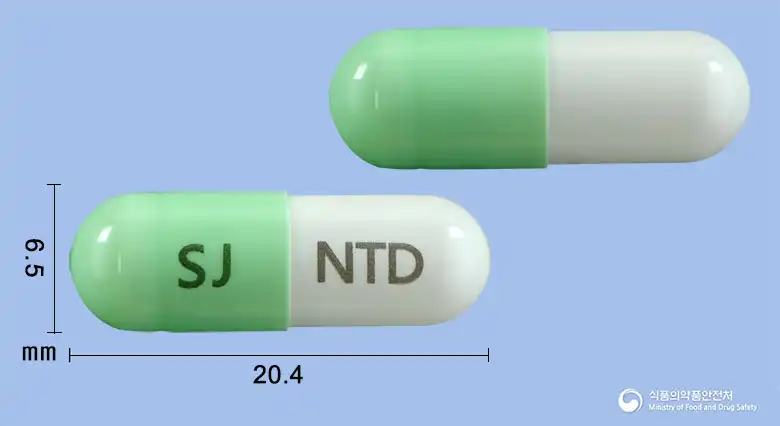 Combination
Pitavastatin Calcium 2mg · Fenofibrate Granules 241.51mg
Hard capsule · Prescription medication · Combination
Samjin Pharmaceutical Co., Ltd.
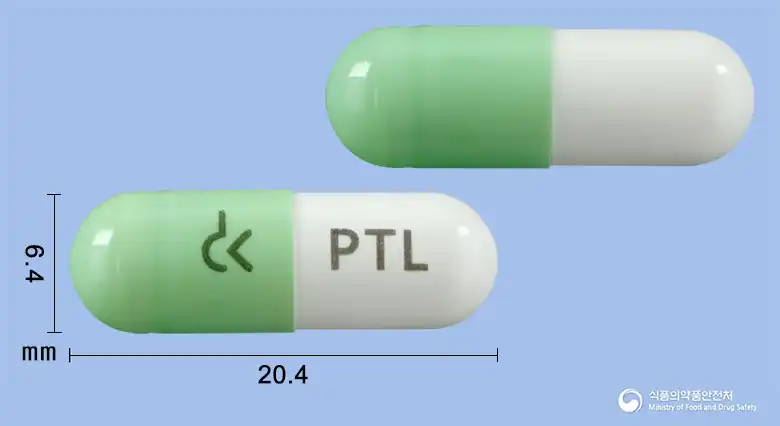 Combination
Pitavastatin Calcium 2mg · Fenofibrate Granules 241.51mg
Hard capsule · Prescription medication · Combination
Dongkook Pharmaceutical Co., Ltd.
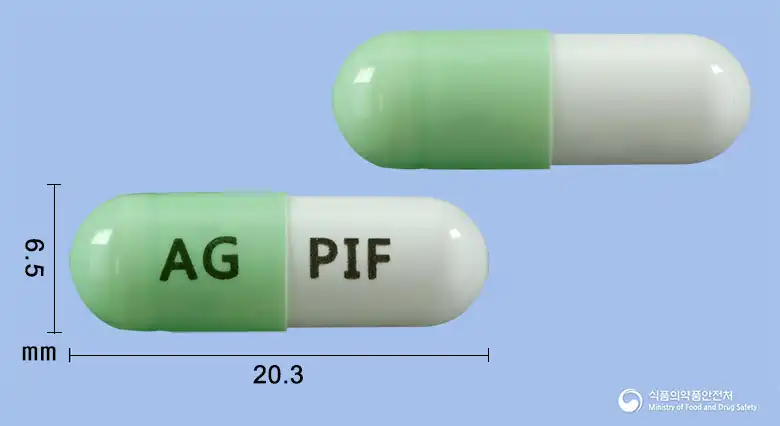 Combination
Pitavastatin Calcium 2mg · Fenofibrate Granules 241.51mg
Hard capsule · Prescription medication · Combination
Ahn-Gook Pharmaceutical Co., Ltd.
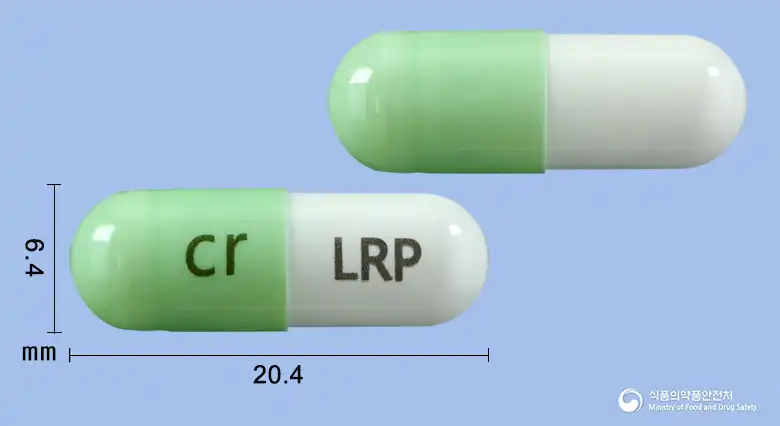 Combination
Pitavastatin Calcium 2mg · Fenofibrate Granules 241.51mg
Hard capsule · Prescription medication · Combination
GL Pharma Co., Ltd.
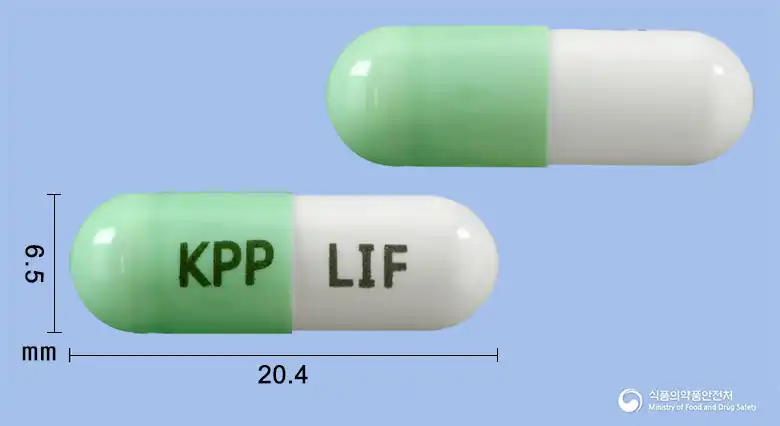 Combination
Pitavastatin Calcium 2mg · Fenofibrate Granules 241.51mg
Hard capsule · Prescription medication · Combination
Korea Prime Pharmaceutical Co., Ltd.
Pitavastatin Calcium 2mg · Fenofibrate Granules 241.51mg
Hard capsule · Prescription medication · Combination
Daewon Pharmaceutical Co., Ltd.
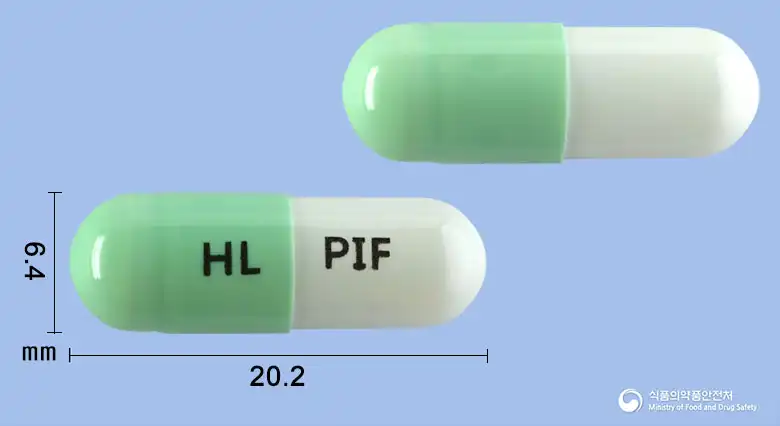 Combination
Pitavastatin Calcium 2mg · Fenofibrate Granules 241.51mg
Hard capsule · Prescription medication · Combination
Hanlim Pharmaceutical Co., Ltd.
Even with the same ingredient, the dose and directions can differ by strength and dosage form. Talk to a doctor or pharmacist before switching from a medication you are already taking.
No questions yet.
For anything that needs medical judgment, consult a doctor or pharmacist.
This drug information is based on data provided by the Korea Ministry of Food and Drug Safety.
Consult a doctor or pharmacist for accurate dosage, administration, and usage instructions.