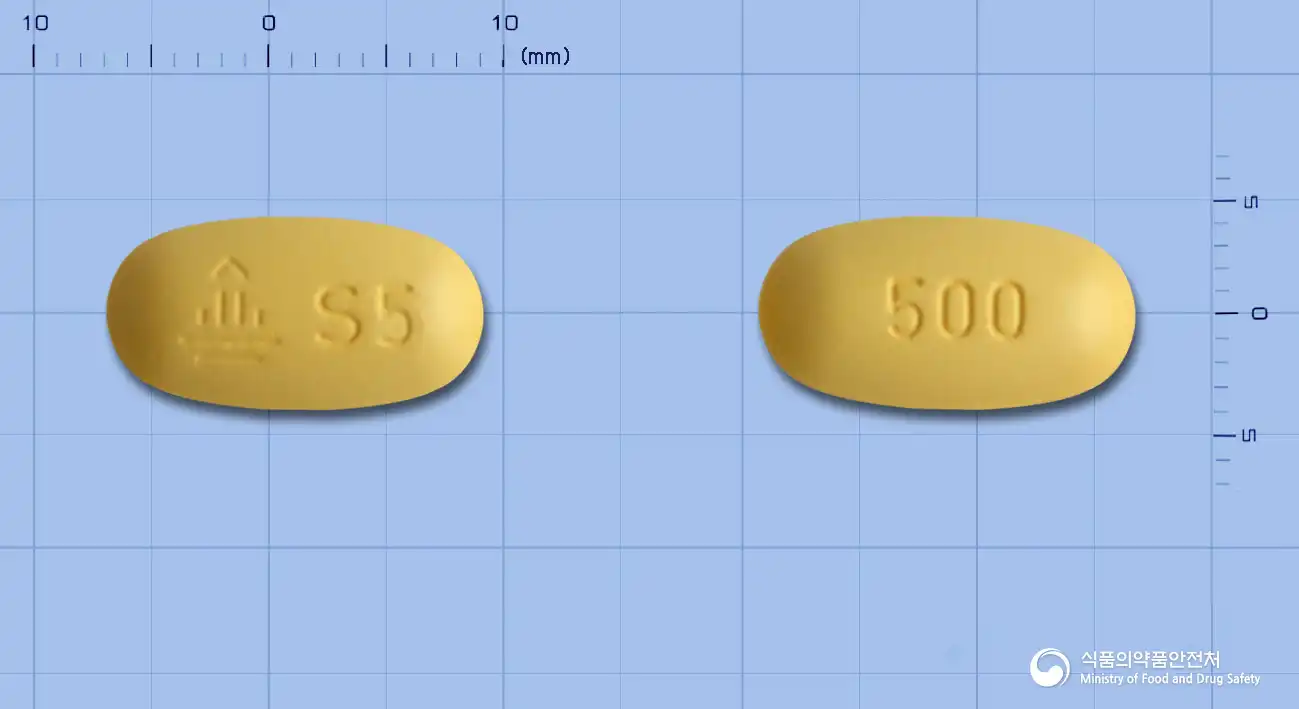
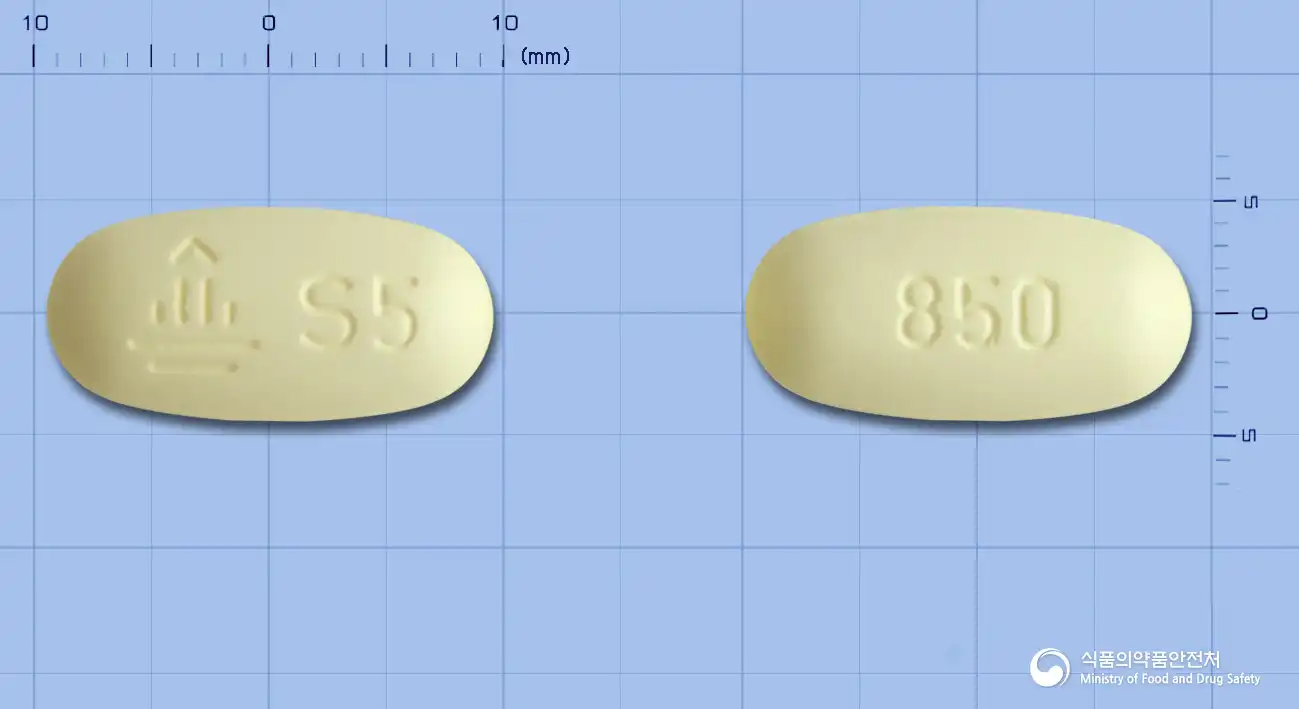
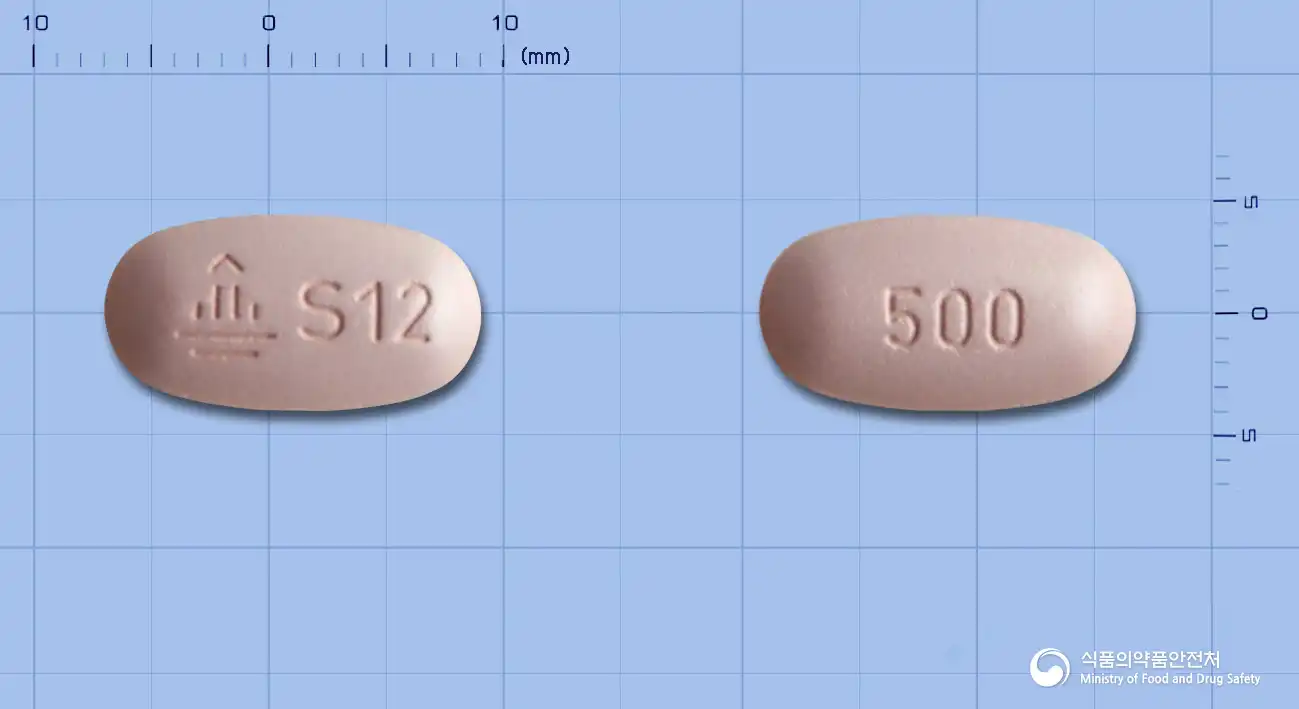
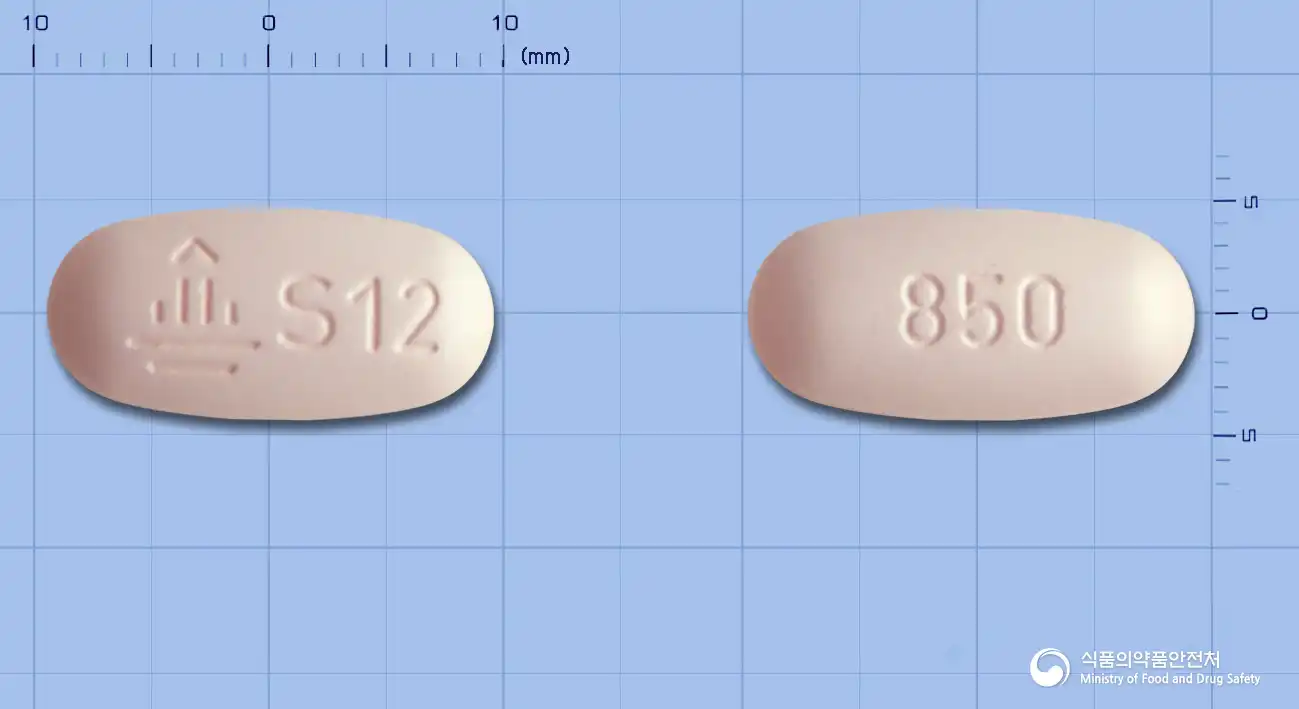
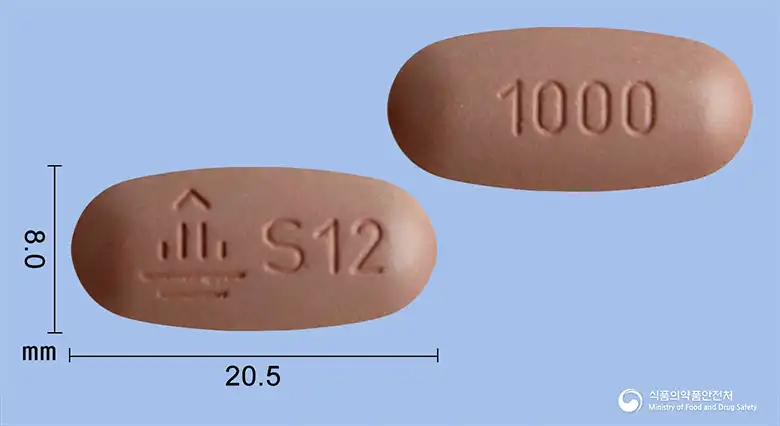
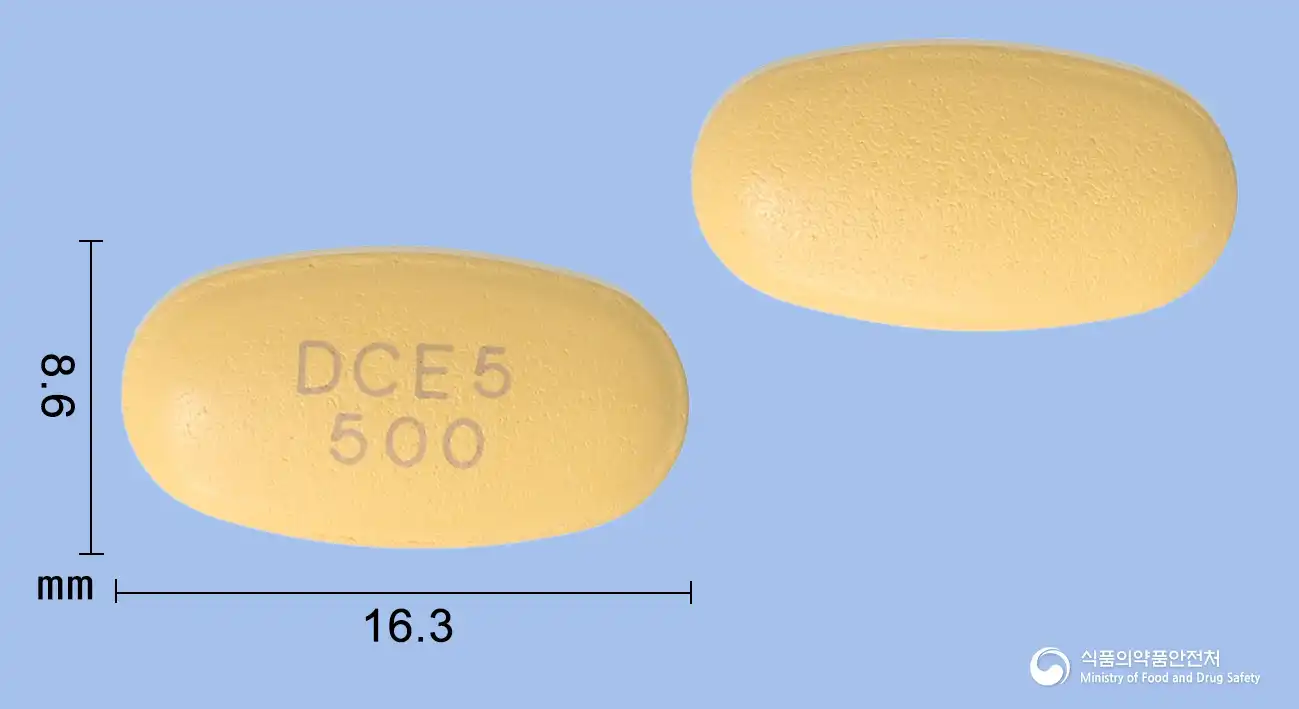
Effects on blood glucose control in type 2 diabetes and prevention of cardiovascular events
Who takes it
Adults
Adult dose
The recommended dosage of this medication is 1 tablet twice a day. The dosage should be determined considering the current treatment regimen, efficacy, and tolerance without exceeding the maximum recommended daily doses of empagliflozin 25 mg and metformin 2000 mg. For patients on monotherapy with metformin or in combination with other drugs such as insulin where glycemic control is insufficient, a recommended dosage would be 5 mg empagliflozin twice a day with the previously prescribed dose of metformin.
Effects on blood glucose control in type 2 diabetes and prevention of cardiovascular events
Abnormal blood glucose control
type 2 diabetes
cardiovascular disease
cardiovascular events
View approved original textHide original text
This medication is used as an adjunct to diet and exercise to improve glycemic control in adults with type 2 diabetes. It is particularly suitable for patients whose blood sugar is not adequately controlled, and caution should be taken under the guidance of a healthcare professional in patients with cardiovascular disease. This medication helps improve blood glucose control and manage the risk of cardiovascular diseases.
How to take
Adult dose
The recommended dosage of this medication is 1 tablet twice a day. The dosage should be determined considering the current treatment regimen, efficacy, and tolerance without exceeding the maximum recommended daily doses of empagliflozin 25 mg and metformin 2000 mg. For patients on monotherapy with metformin or in combination with other drugs such as insulin where glycemic control is insufficient, a recommended dosage would be 5 mg empagliflozin twice a day with the previously prescribed dose of metformin.
Precautions
This medication is used for the treatment of diabetes and helps lower blood sugar levels. However, there is a risk of rare but severe side effects such as lactic acidosis. Caution should be exercised when used with other diabetes medications, as there may be an increased risk of hypoglycemia. This medication should not be used in certain patients with severe renal impairment, acute renal problems, severe infections, heart failure, and others. Additionally, it should be temporarily discontinued before and after undergoing surgery or tests using iodinated contrast media. It is also advisable for pregnant or nursing women to avoid this medication. This medication may be affected by kidney function, and regular kidney function tests are recommended. Extra caution is needed if there is a risk of fluid loss or symptoms of dehydration. While taking this medication, patients should be aware of symptoms of hypoglycemia, and dosage adjustments may be necessary if using insulin or other hypoglycemic agents. Urinary tract or genital infections may occur during treatment; if symptoms appear, consult healthcare providers immediately. Vitamin B12 deficiency may occur; therefore, routine blood tests during long-term treatment are recommended. Alcohol consumption may increase the risk of lactic acidosis, so it is safer to avoid it. If abnormal symptoms occur while taking this medication, consult a doctor immediately. This medication is not recommended for children or teenagers under the age of 18. Elderly patients should have their dosage adjusted and monitored carefully due to the risk of reduced kidney function. In case of overdose, seek immediate medical attention; blood dialysis may be required. This medication should be stored out of reach of children and kept in its original container.
Side effects and when to seek care immediately
Serious side effects
Hives
angioedema
necrotizing fasciitis
ketoacidosis
lactic acidosis
cerebral infarction
acute pyelonephritis
urosepsis
severe allergic reactions
liver abnormalities (jaundice)
Show 16 moreCollapse
severe neurological symptoms
severe swelling or urinary problems
myocardial infarction
acute cholecystitis
autoimmune hepatitis
gallstones
acute kidney injury
sepsis
pneumonia
shock
acute myocardial infarction
renal failure
hypotension
hypoxia
acute congestive heart failure
and sudden headaches.
Mild side effects
Hypoglycemia
urinary tract infection
genital infection
increased urination
nausea
vomiting
diarrhea
abdominal pain
loss of appetite
constipation
Show 23 moreCollapse
abnormal liver function tests
hepatitis
altered taste
itching
rash
erythema
increased serum creatinine
decreased glomerular filtration rate
decreased and deficient vitamin B12
reduced fluid volume
thirst
headache
dizziness
fatigue
insomnia
weight loss
chest discomfort
chest pain
weakness
fever
arteriosclerosis
hypertension
and instability.
Not everyone experiences these, and they can vary from person to person.
Storage
This medication may be sensitive to air or moisture, so it should be stored in a tightly closed container. The recommended storage temperature is between 1 and 30 degrees Celsius at room temperature to maintain its effectiveness.
Even with the same ingredient, the dose and directions can differ by strength and dosage form. Talk to a doctor or pharmacist before switching from a medication you are already taking.
Questions about this medicine
No questions yet.
For anything that needs medical judgment, consult a doctor or pharmacist.
This drug information is based on data provided by the Korea Ministry of Food and Drug Safety. Consult a doctor or pharmacist for accurate dosage, administration, and usage instructions.

 한국어
한국어 English
 日本語
日本語 中文(简体)
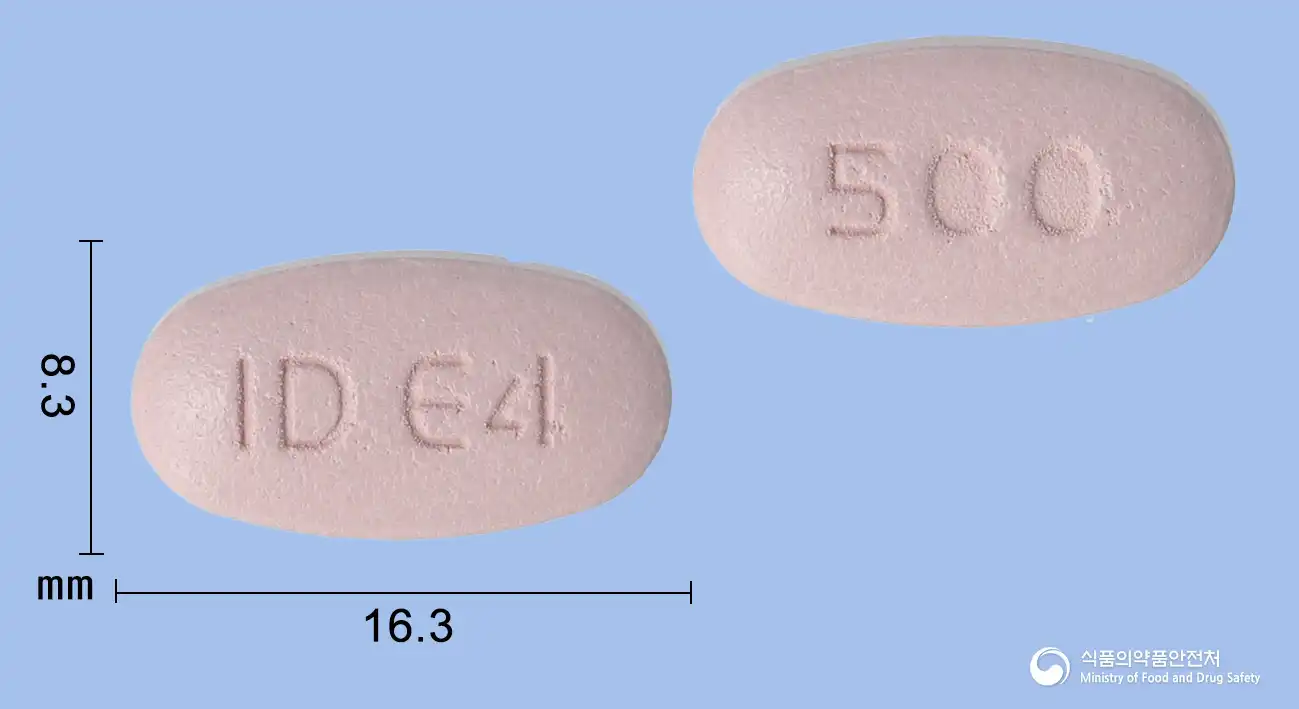 Viewing nowCombination