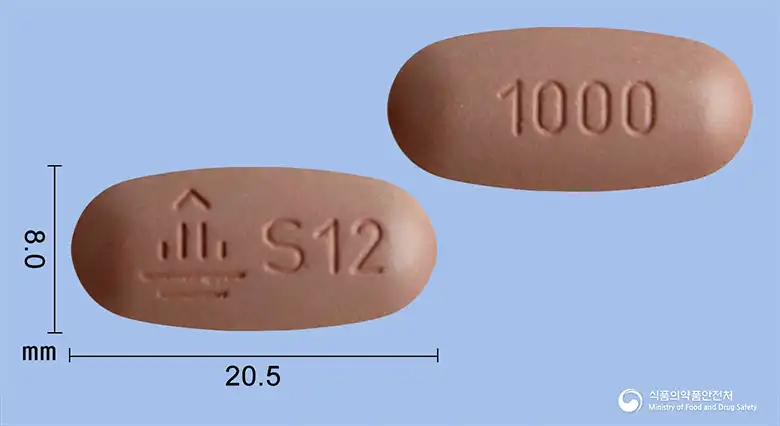
Effect on blood sugar control in type 2 diabetes and prevention of cardiovascular events
Who takes it
Adults
Adult dose
The recommended dose of this medication is 1 tablet taken twice daily. It should be determined based on each patient's current treatment regimen, efficacy, and tolerability, not exceeding a total of 25 mg of empagliflozin and 2000 mg of metformin.
For patients who cannot achieve sufficient blood sugar control with metformin alone or in combination with other medications such as insulin, the recommended dose is 5 mg of empagliflozin taken twice daily (a total of 10 mg per day).
Effect on blood sugar control in type 2 diabetes and prevention of cardiovascular events
Type 2 diabetes
abnormal blood sugar control
cardiovascular disease
View approved original textHide original text
This medication is used to improve blood sugar control in adult patients with type 2 diabetes in conjunction with diet and exercise. It can be used in particularly careful circumstances for adult patients with type 2 diabetes who do not achieve sufficient blood sugar control and also have cardiovascular disease. It is designed to assist in managing blood sugar levels and may have a positive effect on cardiovascular health, making it important to take under the guidance of a healthcare professional for safe use.
How to take
Adult dose
The recommended dose of this medication is 1 tablet taken twice daily. It should be determined based on each patient's current treatment regimen, efficacy, and tolerability, not exceeding a total of 25 mg of empagliflozin and 2000 mg of metformin.
For patients who cannot achieve sufficient blood sugar control with metformin alone or in combination with other medications such as insulin, the recommended dose is 5 mg of empagliflozin taken twice daily (a total of 10 mg per day).
Precautions
This medication is used in the treatment of diabetes and helps lower blood sugar levels.
It can cause a rare but serious side effect known as lactic acidosis; therefore, it should not be used by patients with poor kidney function or certain acute diseases.
In addition, when used with other diabetes medications such as insulin or sulfonylureas, the risk of hypoglycemia may increase, so caution is advised.
Patients with weakened kidney function or the elderly should regularly undergo kidney function tests, and if kidney function declines significantly, the use of this medication should be discontinued.
During the use of this medication, if there is a sudden change in physical condition such as dehydration, severe infection, or surgery, it may be necessary to temporarily stop taking the medication.
This medication may cause urinary tract infections or genital infections, so if symptoms of infection appear, immediate consultation with medical personnel is required.
Gastrointestinal disturbances such as nausea, vomiting, and diarrhea may occur during use, and vitamin B12 deficiency may develop, so confirmation through blood tests may be necessary if needed.
Women who are pregnant, potentially pregnant, or breastfeeding should not take this medication.
Furthermore, alcohol consumption may increase the risk of side effects from this medication, so it is advisable to avoid it.
This medication can cause water loss and drop in blood pressure, so caution is needed, especially for hypertensive patients or the elderly.
If any unusual symptoms or suspected side effects occur during treatment, immediate consultation with a physician is recommended, and regular check-ups should be conducted for safe use.
Side effects and when to seek care immediately
Serious side effects
Hives
severe swelling (angioedema)
ketoacidosis
lactic acidosis
necrotizing fasciitis
pyelonephritis
urosepsis
acute kidney injury
cerebral infarction
myocardial infarction
Show 5 moreCollapse
angina
deep vein thrombosis
acute cholecystitis
autoimmune hepatitis
cholelithiasis
Mild side effects
Hypoglycemia
urinary tract infection
genital infection
increased urination
nausea
vomiting
diarrhea
abdominal pain
loss of appetite
constipation
Show 23 moreCollapse
abnormal liver function tests
hepatitis
taste disturbance
itching
rash
erythema
increased serum creatinine
thirst
reduced and deficient vitamin B12
headache
dizziness
weakness
chest discomfort
urinary stones
weight loss
vulvar pruritus
insomnia
hypertension
anxiety
ear pain
orthostatic dizziness
anemia
hypothyroidism
Not everyone experiences these, and they can vary from person to person.
Storage
This medication is prone to be affected by air or moisture, so it must be stored in a tightly sealed container. The storage temperature should ideally be maintained at room temperature between 1 to 30 degrees Celsius.
Even with the same ingredient, the dose and directions can differ by strength and dosage form. Talk to a doctor or pharmacist before switching from a medication you are already taking.
Questions about this medicine
No questions yet.
For anything that needs medical judgment, consult a doctor or pharmacist.
This drug information is based on data provided by the Korea Ministry of Food and Drug Safety. Consult a doctor or pharmacist for accurate dosage, administration, and usage instructions.

 한국어
한국어 English
 日本語
日本語 中文(简体)
 Viewing nowCombination