
 한국어
한국어 English
 日本語
日本語 中文(简体)
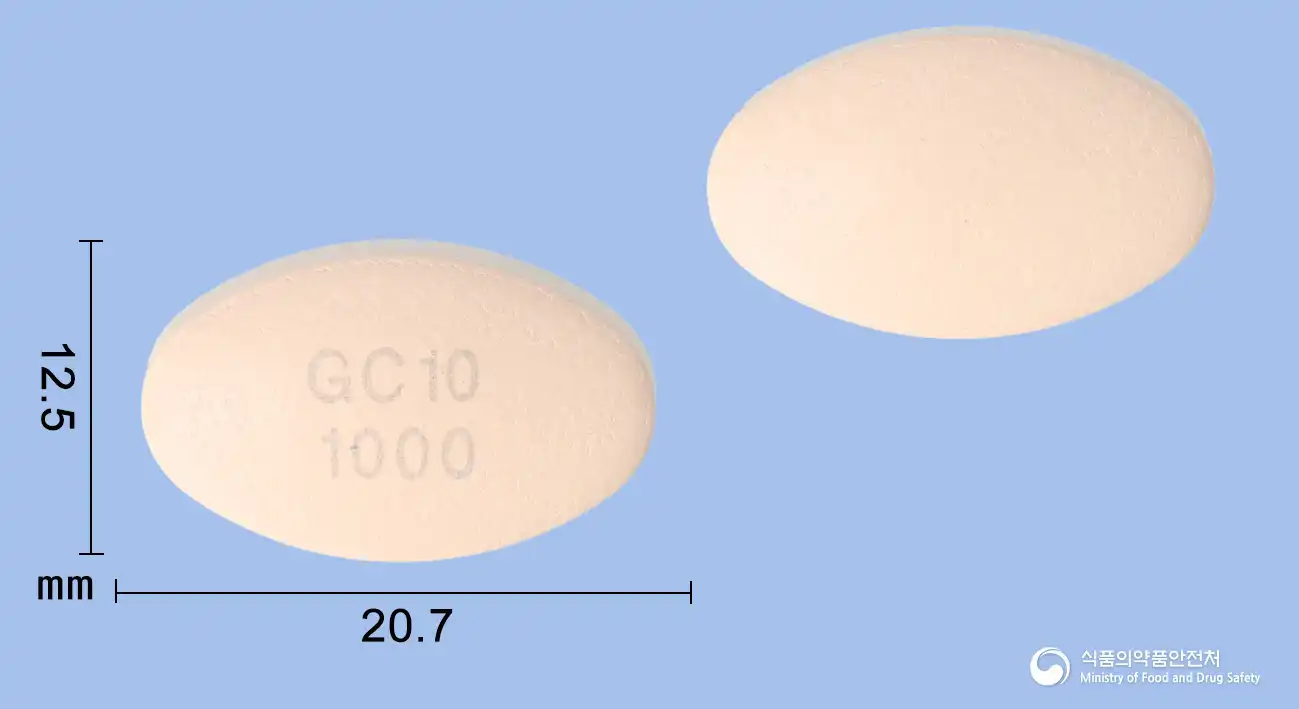 Viewing nowCombination
Polmin Empagliflozin 10/1000 mg (Empagliflozin, Metformin)
Empagliflozin 10mg · Metformin Hydrochloride 1000mg
Tablet · Prescription medication · Combination
Green Cross Corp.
MFDS item code 202501716 · Approved 2025.07.09 · Insurance code 643606880
Blood sugar control in adult type 2 diabetes and prevention of cardiovascular events
This medication is used to improve blood sugar control effectively by assisting with dietary and exercise therapy for patients with type 2 diabetes mellitus. It should also be used cautiously in patients with cardiovascular diseases, and the impact on cardiovascular events should be referred to the precautions for professional use. This medication is used to improve blood glucose and aid in diabetes management.
This medication should be taken within the recommended maximum daily doses of 25 mg for empagliflozin and 2000 mg for extended-release metformin hydrochloride, considering each patient's treatment, efficacy, and tolerance. This medication should be taken once daily with dinner, and for the 10/1000 mg or 25/1000 mg extended-release tablets, one tablet should be taken once daily, while for the 5/1000 mg or 12.5/1000 mg extended-release tablets, patients should take two tablets at once once daily. Dose increases related to metformin should be conducted gradually to reduce gastrointestinal adverse reactions associated with metformin. To maintain the extended-release characteristics, this medication should not be split, crushed, ground, or chewed but should be swallowed whole. It may be excreted incompletely in stools. It is not known whether the active ingredient is present in the material excreted in the feces. If a patient repeatedly reports finding this medication in the stool, medical staff should evaluate if blood sugar is being adequately controlled (refer to cautions for use, 5. General precautions). - For patients unable to adequately control their blood sugar with metformin alone or in combination with insulin or other medications, the initial recommended dose is a total daily amount of 10 mg of empagliflozin plus the existing dose of metformin, which can be increased to 25 mg if tolerance to 10 mg of empagliflozin is excellent and additional blood sugar control is required. - Patients transitioning to this medication from a combination of empagliflozin and metformin should be administered their existing doses of empagliflozin and metformin. When converting from immediate-release metformin to an extended-release formulation, blood sugar control should be closely monitored and dosing adjustments made as necessary. - When co-administering this medication with sulfonylureas or insulin, a reduction in the doses of sulfonylureas or insulin may be considered to reduce the risk of hypoglycemia (refer to precautions for use 4. Adverse reactions and 6. Interactions). Special populations: renal impairment. Dosing adjustments are necessary based on kidney function, so periodic evaluation of kidney function is recommended before and after administering this medication. Patients with mild renal impairment [Creatinine clearance (CrCl) ≧ 60 mL/min or estimated glomerular filtration rate (eGFR) ≧ 60 mL/min/1.73 m2] do not require dosing adjustments of this medication. For patients with moderate renal impairment [CKD stage 3A, creatinine clearance (CrCl) ≧ 45 mL/min and <60 mL/min or estimated glomerular filtration rate (eGFR) ≧ 45 mL/min/1.73 m2 and <60 mL/min/1.73 m2], tolerance is excellent, and if there are no accompanying symptoms that could increase the risk of lactic acidosis, the dosage of metformin hydrochloride can be adjusted as follows: - The starting dose for extended-release metformin hydrochloride is 500 mg or 750 mg once daily, therefore, this medication should not be initiated. The maximum daily dose of metformin hydrochloride is 1000 mg. If creatinine clearance (CrCl) falls below 45 mL/min or estimated glomerular filtration rate (eGFR) falls below 45 mL/min/1.73 m2, this medication should be discontinued immediately. Elderly patients: Patients aged 75 years and older should consider the risk of decreased kidney function and fluid volume.
This medication is used to help control blood sugar and is utilized for the treatment of diabetes. Caution should be exercised as a rare side effect known as lactic acidosis may occur while taking this medication. Lactic acidosis can be dangerous due to excessive accumulation of lactic acid in the body. Additionally, there is a risk of hypoglycemia if taken alongside other diabetes medications like insulin or sulfonylureas, so blood sugar levels should be closely monitored. Patients with poor kidney function or acute kidney issues, severe infections, heart failure, or acute myocardial infarction should not take this medication. If scheduled for surgery or undergoing tests using iodine contrast agents, medication should be temporarily discontinued and may be resumed after renal function has recovered. Women who are pregnant or could become pregnant should avoid this medication, and it should also be avoided during breastfeeding. This medication may cause gastrointestinal issues (diarrhea, nausea, vomiting, etc.), urinary and genital infections, increased urination, hypoglycemia, liver function abnormalities, skin rashes, and other side effects. It is advisable to avoid alcohol consumption while taking this medication, as particularly acute or chronic excessive alcohol intake can be dangerous. Elderly patients may experience declining kidney function, so regular kidney function tests are recommended, and caution should be taken for signs of dehydration risks. Tablets should be swallowed whole and not crushed or chewed, and the tablet coating may appear in the stool but this is normal. If symptoms of hypoglycemia or lactic acidosis are suspected, consult a physician immediately. Finally, regular blood tests and kidney function tests should be conducted during the period of taking this medication, and any abnormal symptoms should be reported to medical staff immediately.
Not everyone experiences these, and they can vary from person to person.
This medication should be stored in a tightly closed container to prevent exposure to air or moisture, and it should be kept at room temperature between 1 to 30 degrees Celsius for safe storage. Storing it this way helps maintain the medication's effectiveness over time.
Light pink, double convex, oval, extended-release film-coated tablet
30 tablets per bottle
Even with the same ingredient, strength, dosage form and how it is taken can differ.
Viewing nowCombinationEmpagliflozin 10mg · Metformin Hydrochloride 1000mg
Tablet · Prescription medication · Combination
Green Cross Corp.
 Combination
Empagliflozin 5mg · Metformin Hydrochloride 500mg
Tablet · Prescription medication · Combination
Boehringer Ingelheim Korea Co., Ltd.
 Combination
Empagliflozin 5mg · Metformin Hydrochloride 850mg
Tablet · Prescription medication · Combination
Boehringer Ingelheim Korea Co., Ltd.
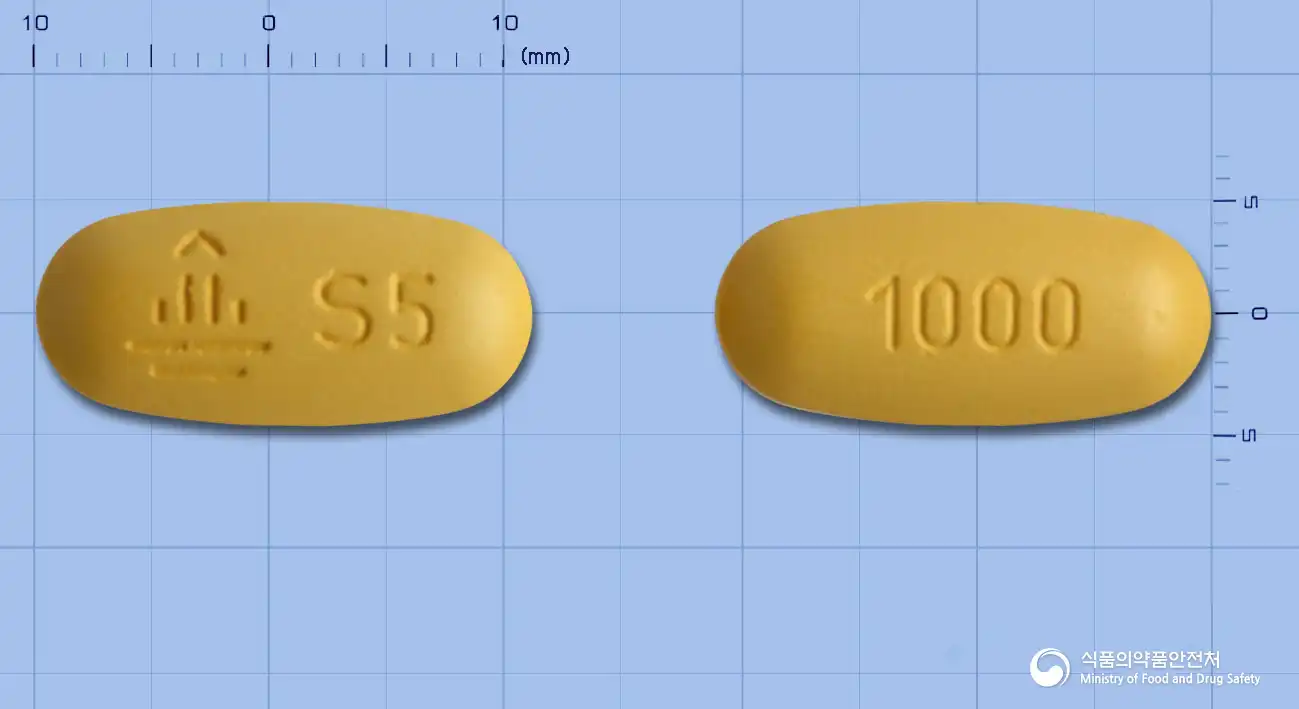 Combination
Empagliflozin 5mg · Metformin Hydrochloride 1000mg
Tablet · Prescription medication · Combination
Boehringer Ingelheim Korea Co., Ltd.
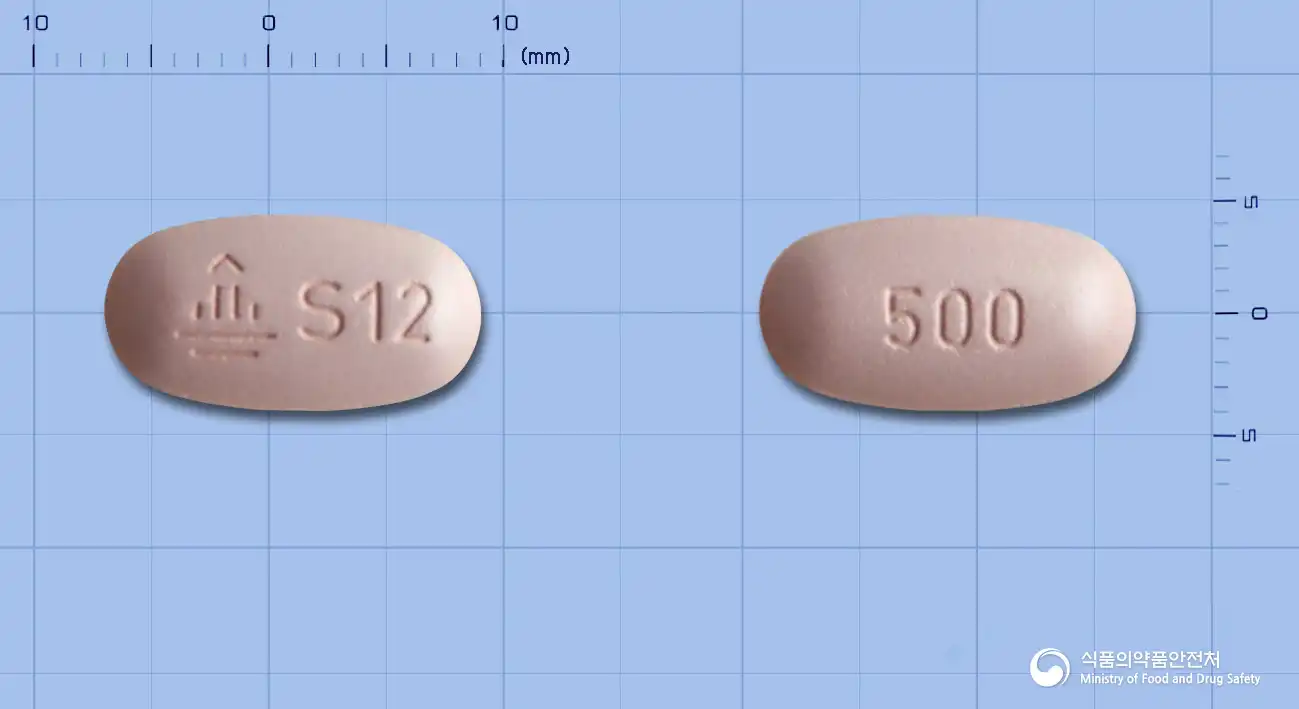 Combination
Empagliflozin 12.5mg · Metformin Hydrochloride 500mg
Tablet · Prescription medication · Combination
Boehringer Ingelheim Korea Co., Ltd.
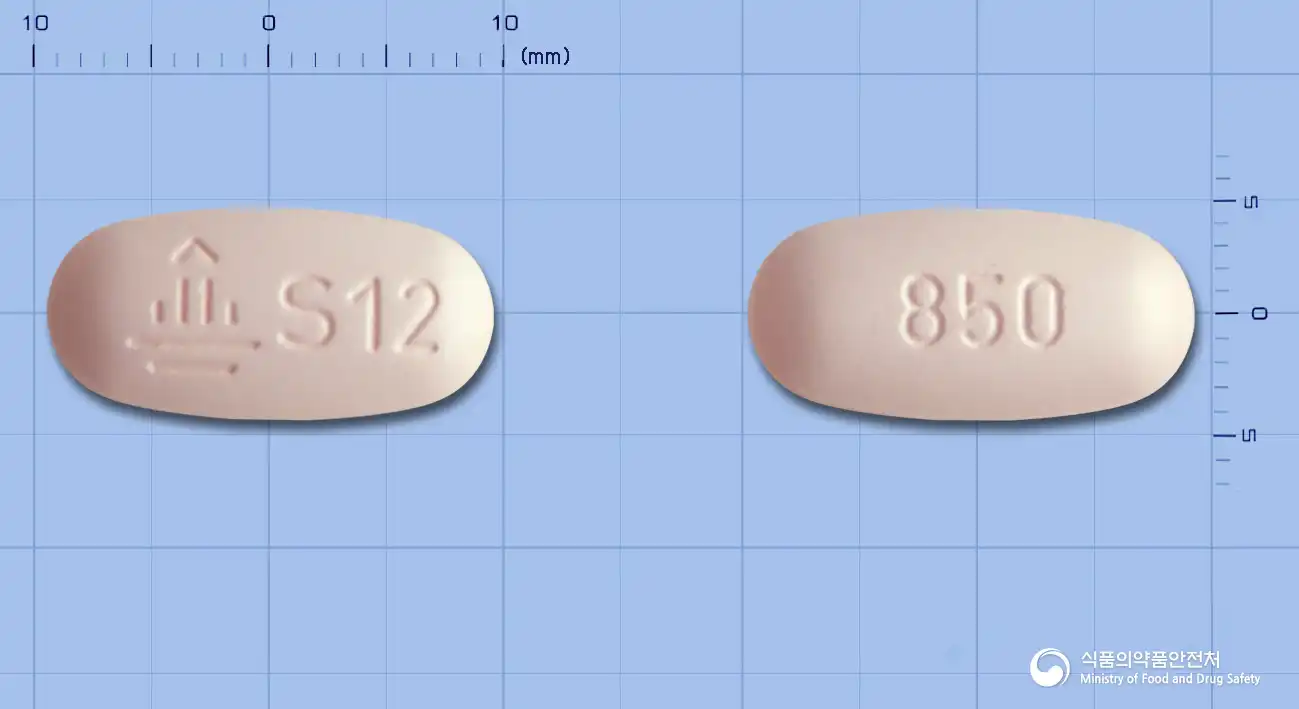 Combination
Empagliflozin 12.5mg · Metformin Hydrochloride 850mg
Tablet · Prescription medication · Combination
Boehringer Ingelheim Korea Co., Ltd.
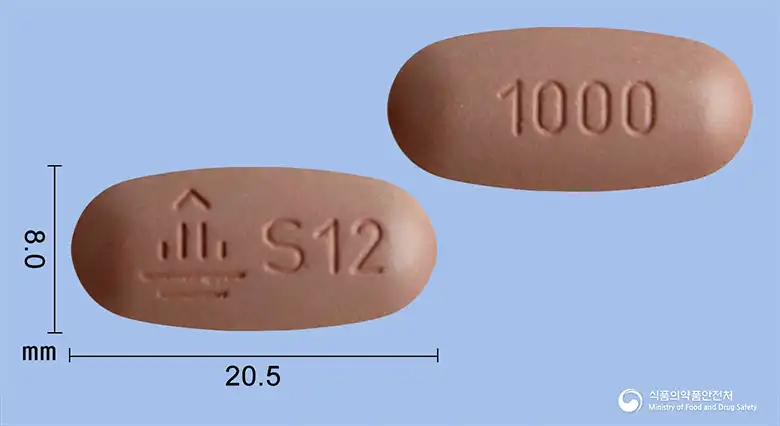 Combination
Empagliflozin 12.5mg · Metformin Hydrochloride 1000mg
Tablet · Prescription medication · Combination
Boehringer Ingelheim Korea Co., Ltd.
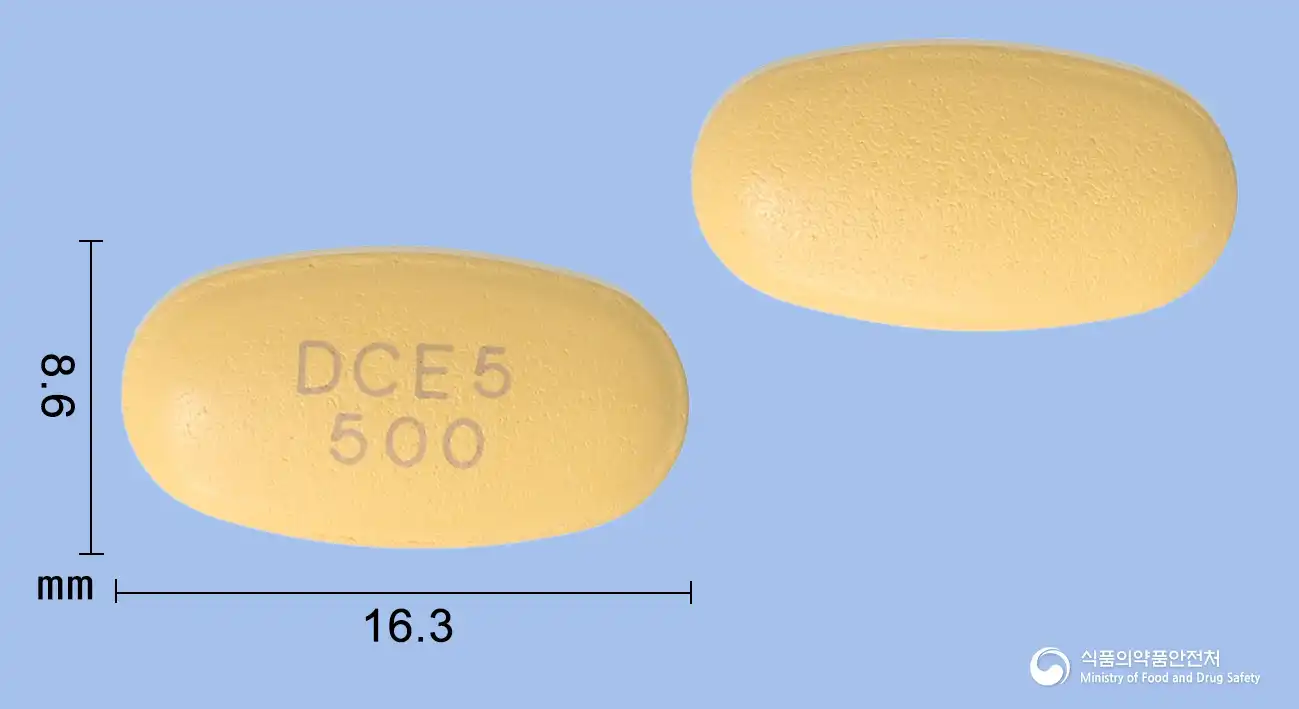 Combination
Empagliflozin 5mg · Metformin Hydrochloride 500mg
Tablet · Prescription medication · Combination
Donggu Bio Pharmaceutical Co., Ltd.
Even with the same ingredient, the dose and directions can differ by strength and dosage form. Talk to a doctor or pharmacist before switching from a medication you are already taking.
No questions yet.
For anything that needs medical judgment, consult a doctor or pharmacist.
This drug information is based on data provided by the Korea Ministry of Food and Drug Safety.
Consult a doctor or pharmacist for accurate dosage, administration, and usage instructions.