
 한국어
한국어 English
 日本語
日本語 中文(简体)
 Viewing nowCombination
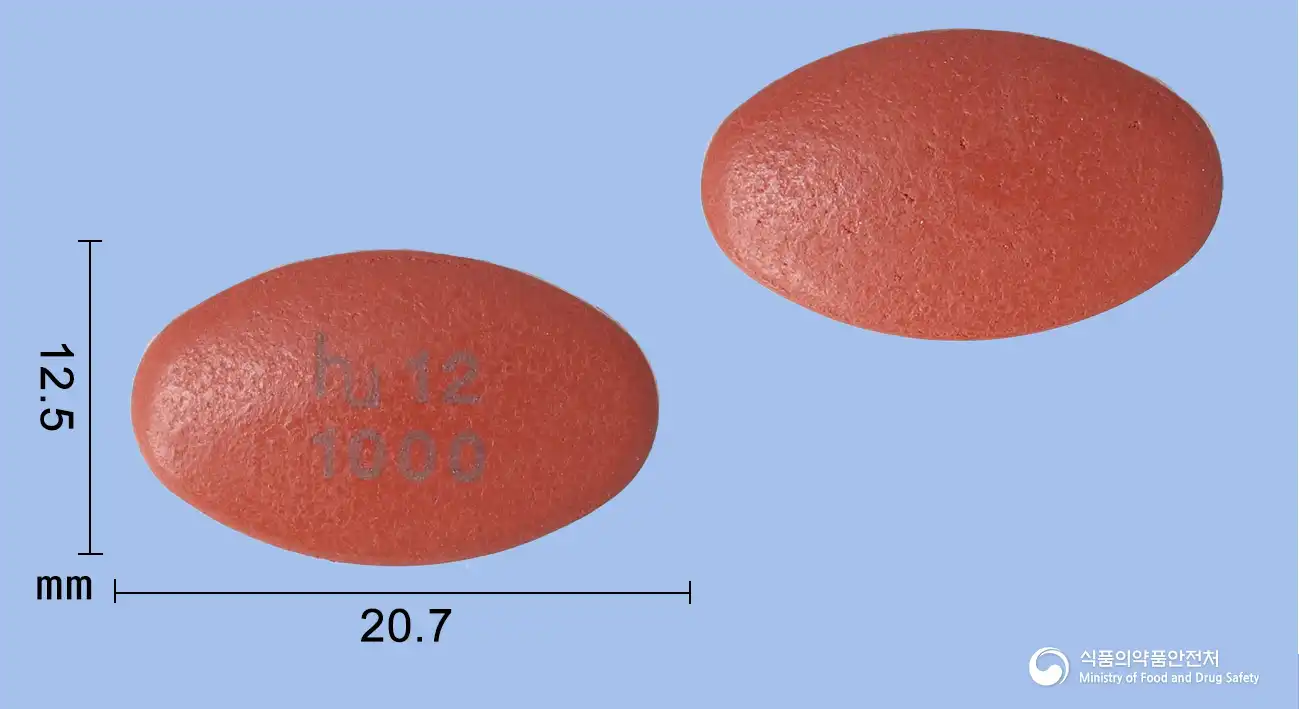
Hyduang Duo Extended-Release Tablet 12.5/1000 mg (Empagliflozin, Metformin)
Empagliflozin 12.5mg · Metformin Hydrochloride 1000mg
Tablet · Prescription medication · Combination
Huons Co., Ltd.
MFDS item code 202501632 · Approved 2025.07.01 · Insurance code 670609570
Effectiveness in blood sugar control for adult type 2 diabetes and prevention of cardiovascular events
This medication is used in conjunction with diet and exercise therapy to help control blood sugar levels in adult patients with type 2 diabetes. It is particularly effective for patients whose blood sugar is not adequately controlled, and precautions should be considered for patients with concurrent cardiovascular disease. This medication improves blood sugar control and aids in the management of type 2 diabetes.
The dosage of this medication should be determined considering each patient's treatment method, efficacy, and tolerance, without exceeding a maximum daily dose of empagliflozin 25 mg and extended-release metformin hydrochloride 2000 mg. This medication should be taken once daily in the evening with food. The 10/1000 mg or 25/1000 mg extended-release tablet should be taken as 1 tablet once daily. Patients taking the 5/1000 mg or 12.5/1000 mg extended-release tablets should take 2 tablets once daily simultaneously. To maintain the extended-release characteristics, this medication should not be divided, crushed, ground, or chewed but swallowed whole. It is unknown whether the main active ingredients are included in the material excreted in feces if this medication is incompletely dissolved. If a patient repeatedly reports that the medication was found in feces, healthcare providers should evaluate whether the blood sugar is being adequately controlled (refer to precautions of use, section 5. General Precautions). If patients cannot achieve adequate blood sugar control with metformin alone or in combination with other medications such as insulin, the initial recommended dose is a total of empagliflozin 10 mg and the existing dose of metformin. If tolerance to empagliflozin 10 mg is good, it may be increased to empagliflozin 25 mg as additional blood sugar control is needed. Patients switching to this medication from a combination therapy of empagliflozin and metformin should receive the existing doses of empagliflozin and metformin. When converting from immediate-release metformin to the extended-release formulation, blood sugar control must be closely monitored, and appropriate dose adjustments should be made. When this medication is co-administered with sulfonylureas or insulin, dosage reductions for sulfonylureas or insulin may be considered to reduce the risk of hypoglycemia. (Refer to precautions of use paragraph 4. Adverse Reactions and 6. Interactions). Special Populations Renal Impairment Since dose adjustment is needed based on renal function, periodic evaluations of kidney function are recommended before and after administration of this medication. For patients with mild renal impairment [Creatinine clearance (CrCl) ≧ 60 mL/min or estimated Glomerular Filtration Rate (eGFR) ≧ 60 mL/min/1.73 m2], dose adjustments are not necessary. In patients with moderate renal impairment [CKD stage 3A, CrCl ≧ 45 mL/min and <60 mL/min or eGFR ≧ 45 mL/min/1.73m2 and <60 mL/min/1.73m2], if well tolerated and without other symptoms that may increase the risk of lactic acidosis, metformin hydrochloride dosage adjustments may be used as follows: - The starting dose of extended-release metformin hydrochloride is 500 mg or 750 mg once daily, thus treatment should not commence with this medication. The maximum daily dose of metformin hydrochloride is 1000 mg. If CrCl decreases to below 45 ml/min or eGFR falls below 45 ml/min/1.73m2, this medication must be discontinued immediately. Elderly Patients Patients aged 75 or older should consider the risk of reduced kidney function and fluid volume.
This medication is used to treat diabetes and helps lower blood sugar. However, there are some precautions that must be strictly followed while taking this medication. First, this medication can occasionally cause a rare and serious condition called lactic acidosis. Lactic acidosis is a severe problem caused by the accumulation of lactic acid in the body, with symptoms that may include fatigue, muscle pain, difficulty breathing, and abdominal pain. If any of these symptoms occur, consult a doctor immediately. Second, caution should be exercised when using this medication in combination with other diabetes medications such as insulin or sulfonylureas, as there is a risk of hypoglycemia. Symptoms of hypoglycemia include dizziness, trembling, and cold sweats; rapid action is needed if these symptoms occur. Third, this medication should not be used in patients with renal impairment, acute kidney problems, severe infections, heart failure, myocardial infarction, or other serious health conditions. Additionally, if undergoing a radiographic contrast examination, it is advised to discontinue this medication for a certain period before and after the examination. Fourth, this medication should be used cautiously in patients with dehydration, severe vomiting or diarrhea, malnutrition, liver dysfunction, or excessive alcohol consumption. Elderly patients or those at risk of fluid loss should pay close attention to their fluid status during treatment. Fifth, this medication can cause genital and urinary tract infections, so treatment should be sought immediately if infection symptoms appear. It may also cause vitamin B12 deficiency, so regular monitoring of vitamin levels is recommended during prolonged use. Sixth, pregnant women or women of childbearing potential should not take this medication, and breastfeeding mothers are advised to stop breastfeeding. Seventh, this medication should be swallowed whole without crushing or chewing the tablets, and while the tablet shell may appear in the stool, this is normal. Finally, alcohol consumption should be avoided while taking this medication, and if used in combination with other medications, interactions may occur, so it is essential to consult a doctor or pharmacist.
Hives, angioedema, ketoacidosis, lactic acidosis, perineal necrosis, urosepsis, pyelonephritis, cerebral infarction, concussion, cerebral hemorrhage, liver abnormalities (hepatitis, acute cholecystitis, autoimmune hepatitis, gallstones), myocardial infarction, acute kidney injury, acute renal failure, angina, heart failure, seizures, consciousness disturbances, vision disturbances, paralysis, severe edema accompanied by elevated blood pressure, acute cholecystitis, sepsis, shock, cardiopulmonary issues, acute myocardial infarction,
Not everyone experiences these, and they can vary from person to person.
This medication may be sensitive to air and moisture, so it should be stored in a tightly closed container. It is best to maintain storage temperatures within a range of 1 to 30 degrees Celsius to safely preserve the medication's effectiveness for a long time.
Brown, double-convex, oval-shaped, extended-release film-coated tablet
30 tablets/bottle
Even with the same ingredient, strength, dosage form and how it is taken can differ.
Viewing nowCombinationEmpagliflozin 12.5mg · Metformin Hydrochloride 1000mg
Tablet · Prescription medication · Combination
Huons Co., Ltd.
 Combination
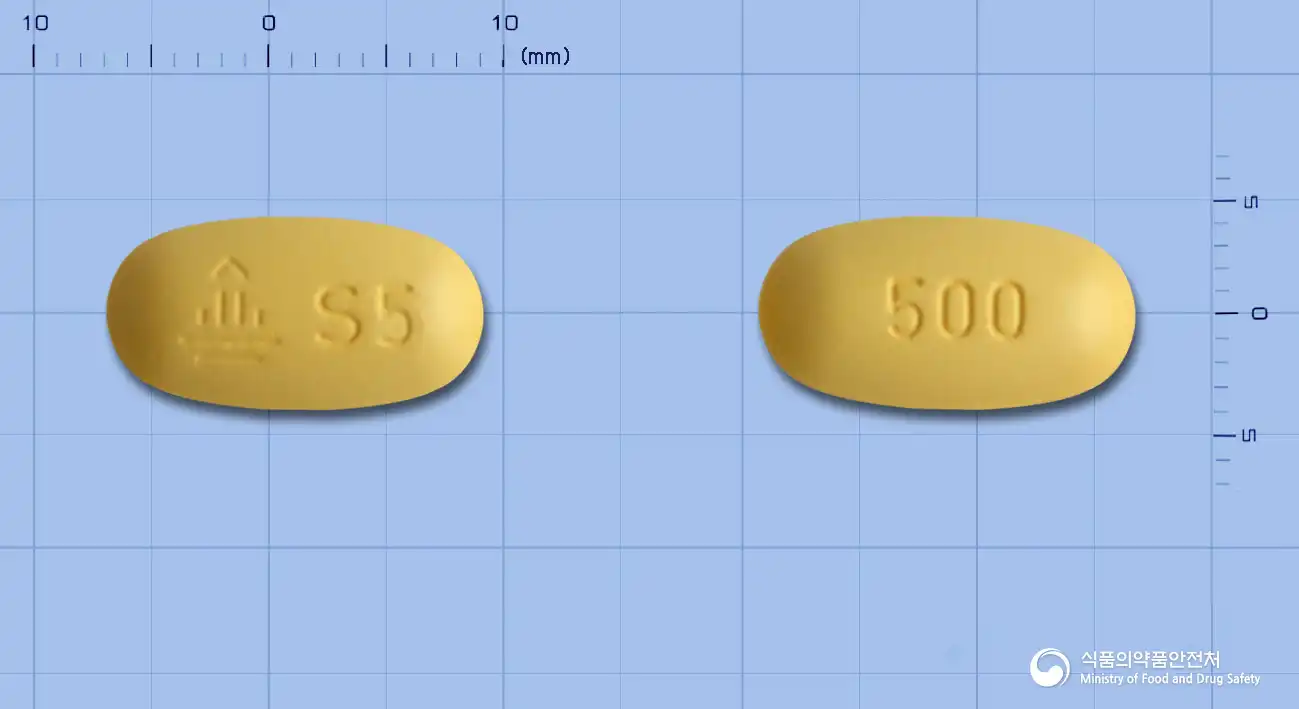
Empagliflozin 5mg · Metformin Hydrochloride 500mg
Tablet · Prescription medication · Combination
Boehringer Ingelheim Korea Co., Ltd.
 Combination
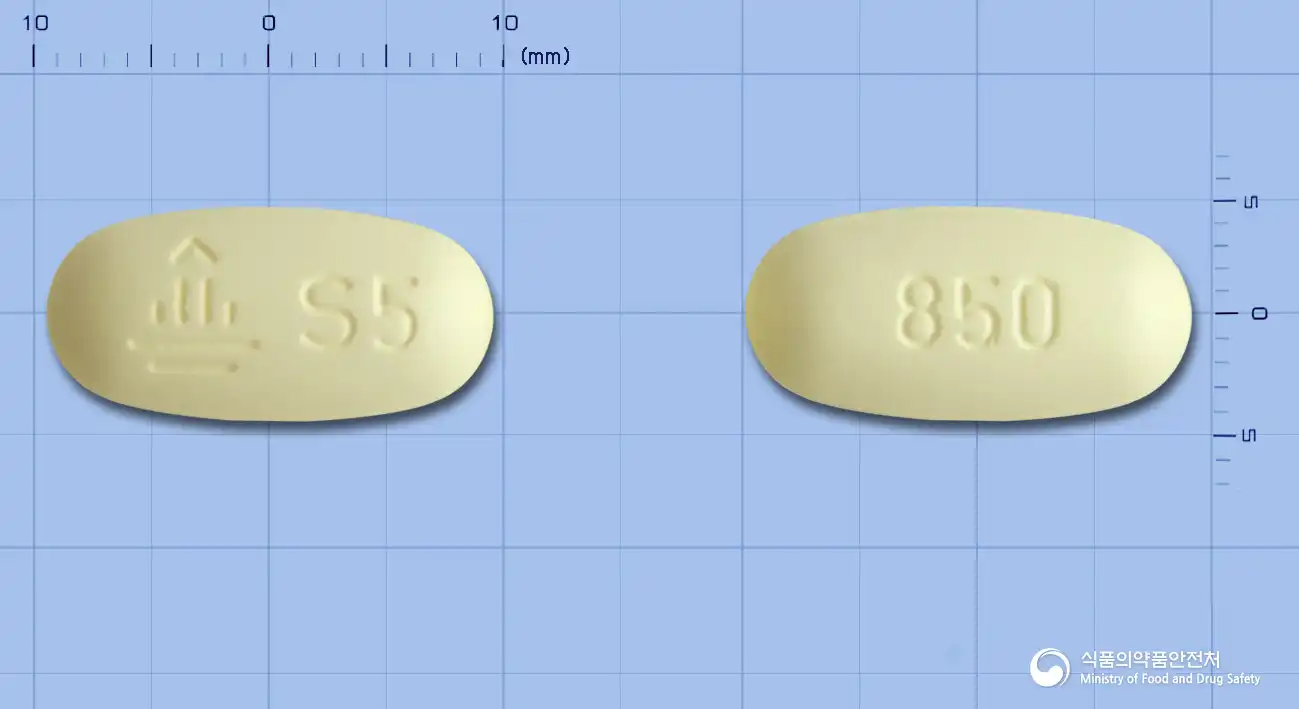
Empagliflozin 5mg · Metformin Hydrochloride 850mg
Tablet · Prescription medication · Combination
Boehringer Ingelheim Korea Co., Ltd.
 Combination
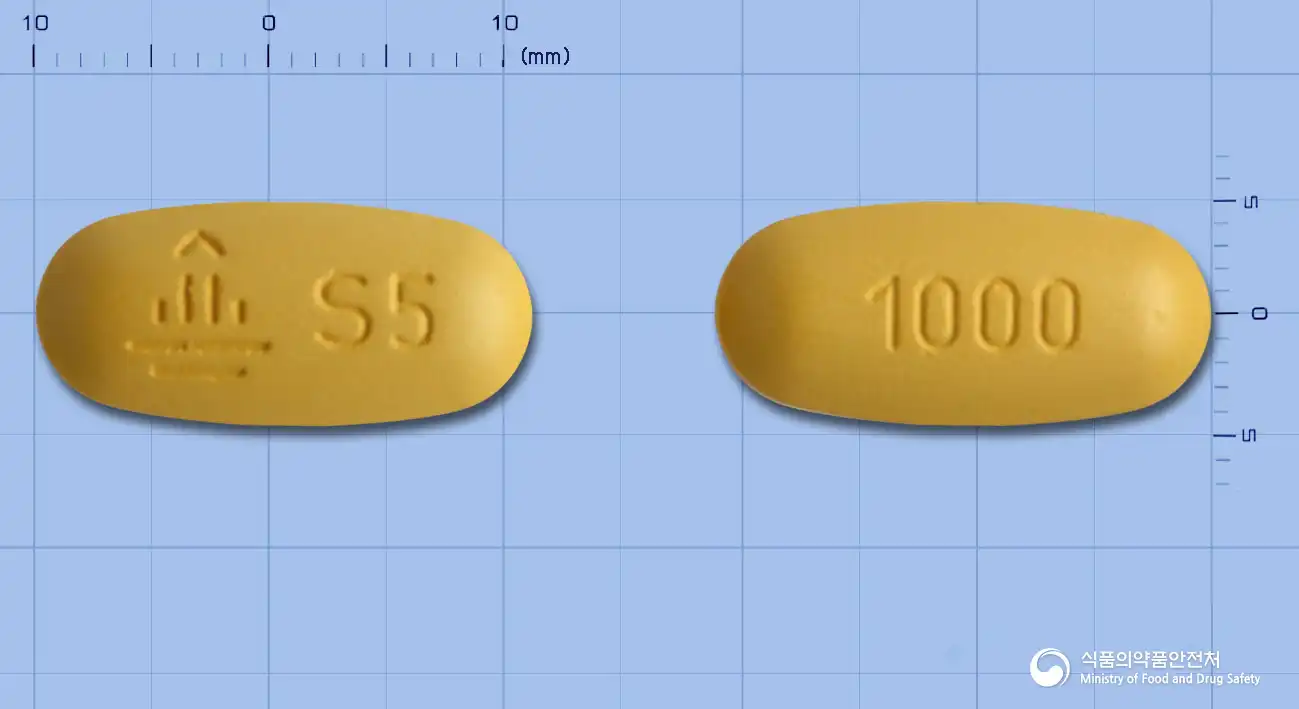
Empagliflozin 5mg · Metformin Hydrochloride 1000mg
Tablet · Prescription medication · Combination
Boehringer Ingelheim Korea Co., Ltd.
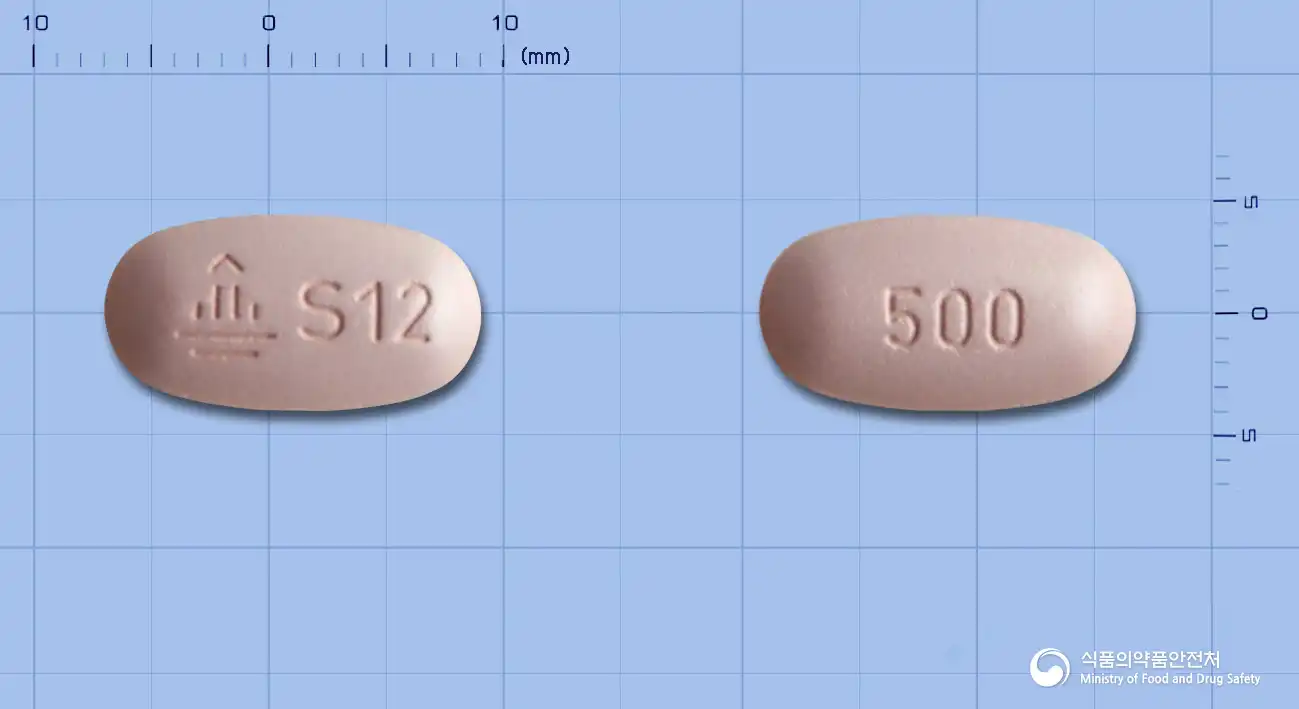 Combination
Empagliflozin 12.5mg · Metformin Hydrochloride 500mg
Tablet · Prescription medication · Combination
Boehringer Ingelheim Korea Co., Ltd.
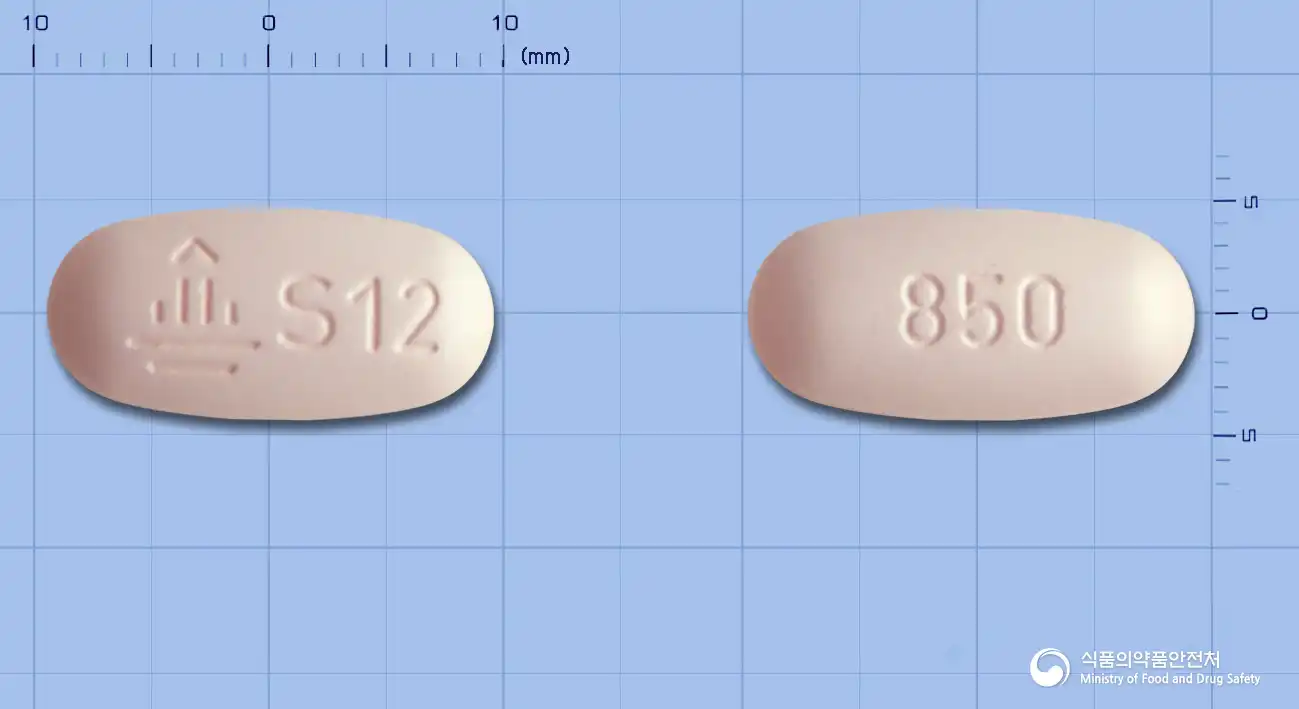 Combination
Empagliflozin 12.5mg · Metformin Hydrochloride 850mg
Tablet · Prescription medication · Combination
Boehringer Ingelheim Korea Co., Ltd.
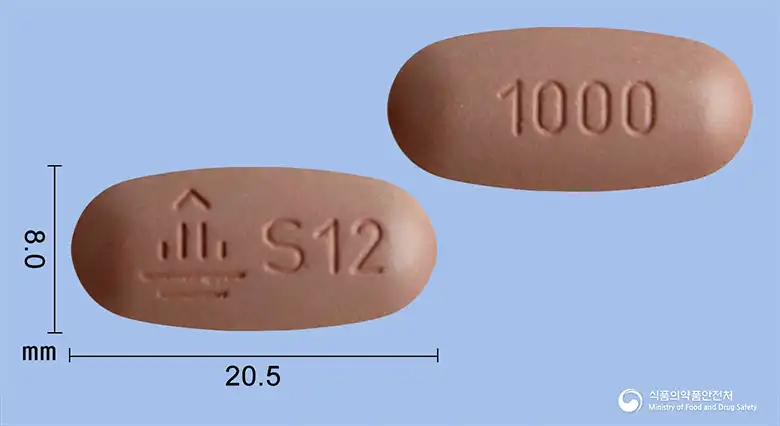 Combination
Empagliflozin 12.5mg · Metformin Hydrochloride 1000mg
Tablet · Prescription medication · Combination
Boehringer Ingelheim Korea Co., Ltd.
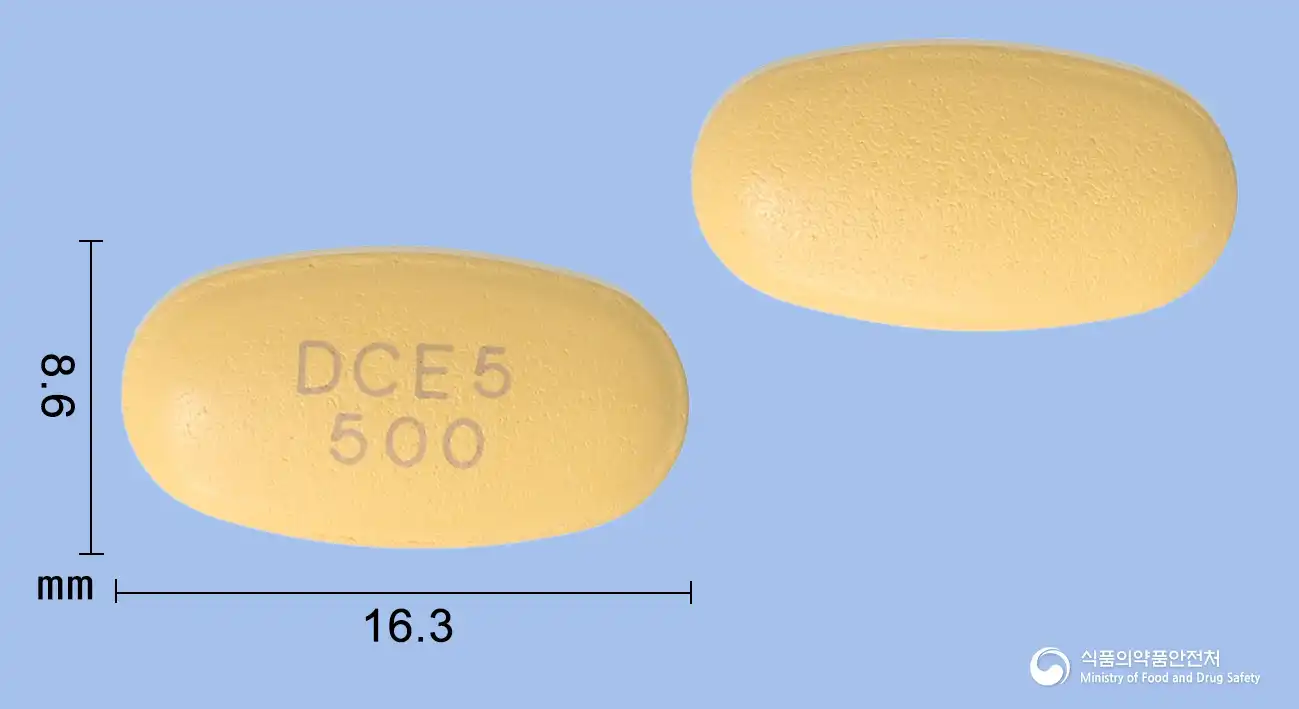 Combination
Empagliflozin 5mg · Metformin Hydrochloride 500mg
Tablet · Prescription medication · Combination
Donggu Bio Pharmaceutical Co., Ltd.
Even with the same ingredient, the dose and directions can differ by strength and dosage form. Talk to a doctor or pharmacist before switching from a medication you are already taking.
No questions yet.
For anything that needs medical judgment, consult a doctor or pharmacist.
This drug information is based on data provided by the Korea Ministry of Food and Drug Safety.
Consult a doctor or pharmacist for accurate dosage, administration, and usage instructions.