
 한국어
한국어 English
 日本語
日本語 中文(简体)
 Viewing now
Minoxidil Tablets 5 mg (Minoxidil)
Minoxidil 5mg
Tablet · Prescription medication
Kunil Biopharm Co., Ltd.
MFDS item code 202501605 · Approved 2025.06.27
Treatment of hypertension (symptomatic, resistant)
This medication is used for the treatment of hypertension occurring due to symptomatic or specific organ damage, and in resistant hypertension that does not respond to treatment with diuretics and two antihypertensives.
Adults (12 years and older): Administer an initial dose of 5 mg orally once daily as minoxidil, and maintenance doses of 10 - 40 mg daily in 1-2 divided doses. A maximum of 100 mg can be administered daily. The frequency of administration will vary depending on the amount of blood pressure reduction, administering once daily if the sitting diastolic blood pressure is below 30 mmHg and splitting into twice daily doses if above 30 mmHg.
Children (under 12 years): Administer an initial dose of 0.2 mg per kg body weight once daily and can increase the dosage by 50 - 100% until blood pressure is optimized. For maintenance, administer 0.25 mg - 1.0 mg per kg body weight once daily.
This medication should not be used in patients with certain diseases. For example, it should not be administered to patients with a tumor called pheochromocytoma, as it can lower blood pressure and increase the amount of substances secreted by the tumor. It should also be avoided in patients with pulmonary hypertension due to mitral stenosis, those who have had acute myocardial infarction, and patients with an allergic reaction to this medication. Precautions should be taken when using this drug in cases of chronic congestive heart failure, severe renal impairment, and angina, and careful monitoring should be followed based on the physician's instructions. While taking this medication, hypertrichosis (excessive hair growth or darkening of hair) can occur. These changes typically begin on the face and may spread across the body; stopping the medication will halt new hair growth, but returning to the previous state may take months. Hypertrichosis caused by this medication is not due to increased androgen levels and is different from virilization symptoms. Particularly, children and women should be well-informed about this side effect. Additionally, hypersensitivity reactions such as rashes, vesicles, and severe allergic reactions may occur, so any symptoms should be discussed with healthcare professionals immediately. Blood tests may show decreased platelet or white blood cell counts, and red blood cell levels may also drop during the initial treatment. Liver function related values may change, necessitating regular monitoring. Changes in the heart's electrical signals are often discovered in electrocardiograms, but most of these will naturally resolve with continued treatment and are not considered to indicate significant heart problems. Rarely, pericardial effusion (fluid accumulation around the heart) may occur, with a higher incidence in patients with poor kidney function. In such cases, ultrasound may be used to confirm the condition and further treatment may be necessary. Other side effects like weight gain, swelling in hands and feet, increased heart rate, gastrointestinal disturbances, headaches, and menstrual irregularities may occur infrequently. When using this medication, it is common to administer diuretics to prevent excessive accumulation of salt and water, and frequent monitoring of weight and electrolyte status is necessary. Vasodilation may cause an increase in heart rate; thus, heart medications may sometimes be combined with this drug. Patients with decreased kidney function or those undergoing dialysis will need dosages adjusted, and regular evaluations are essential to prevent worsening kidney function. Patients who have had myocardial infarction should only use this medication once their condition is stabilized, and regular tests such as urinalysis, renal function assessment, ECG, chest X-ray, and echocardiogram are important, especially at the onset of administration. This medication may interact with other medications, so caution is advised particularly when taken with antihypertensives, psychotropic drugs, diuretics, and non-steroidal anti-inflammatory medications. During pregnancy, safety has not been established, so avoidance of use is recommended, and during breastfeeding, it is advisable to either avoid administration or discontinue breastfeeding. There is limited experience with its use in children, especially newborns, so it should be administered with extreme caution. In cases of overdose, severe hypotension may occur, so immediate medical attention should be sought, and specific medications may be used to stabilize blood pressure.
Hypertrichosis, hair growth, rash, vesicular lesions, thrombocytopenia, leukopenia, increased ALP, changes in ECG (direction and amplitude changes of ECG T-wave), weight gain, peripheral edema, increased heart rate, elevated creatinine, elevated BUN, gastrointestinal disturbances, breast pain, gynecomastia, hemolytic anemia, pulmonary infiltrates, antinuclear antibodies (ANA), headache, intermittent claudication, frequent menstruation, nausea, vomiting
Not everyone experiences these, and they can vary from person to person.
This medication may be sensitive to air or moisture, so it should be stored in a tightly sealed container. It is best to maintain a storage temperature between 1 and 30 degrees Celsius in a cool, dry place. This helps preserve the effectiveness of the medication for a longer period.
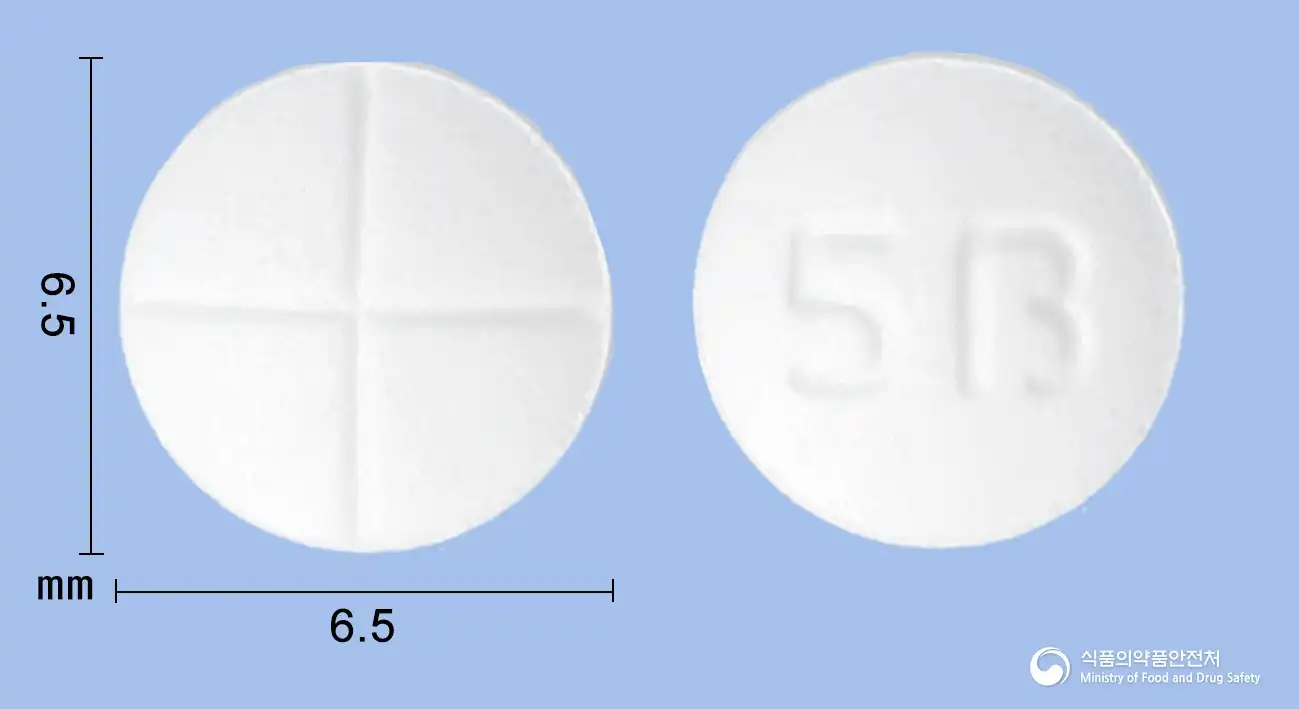
White round tablet
30 tablets/bottle, 500 tablets/bottle
Even with the same ingredient, strength, dosage form and how it is taken can differ.
Viewing nowMinoxidil 5mg
Tablet · Prescription medication
Kunil Biopharm Co., Ltd.
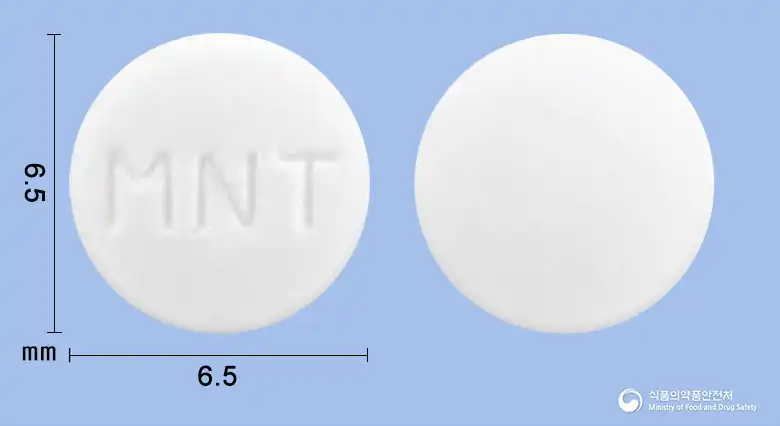
Minoxidil 5mg
Tablet · Prescription medication
Hyundai Pharmaceutical Co., Ltd.
Minoxidil 3g
OTC medication
Hyundai Pharmaceutical Co., Ltd.
Minoxidil 5g
OTC medication
Hyundai Pharmaceutical Co., Ltd.
Minoxidil 5g
OTC medication
Hanmi Pharmaceutical Co., Ltd.
Minoxidil 5g
Solution · OTC medication
JW Pharmaceutical Corp.
Minoxidil 3g
Solution · OTC medication
Haitai HTB Co., Ltd.
Minoxidil 5g
Solution · OTC medication
Ilhwa Co., Ltd.
Even with the same ingredient, the dose and directions can differ by strength and dosage form. Talk to a doctor or pharmacist before switching from a medication you are already taking.
No questions yet.
For anything that needs medical judgment, consult a doctor or pharmacist.
This drug information is based on data provided by the Korea Ministry of Food and Drug Safety.
Consult a doctor or pharmacist for accurate dosage, administration, and usage instructions.