Medication info
Empagliflozin/Sitagliptin/Metformin Hydrochloride Extended-Release Tablet 10/100/1000 mg (Empagliflozin, Sitagliptin, Metformin Hydrochloride)

Empagliflozin/Sitagliptin/Metformin Hydrochloride Extended-Release Tablet 10/100/1000 mg (Empagliflozin, Sitagliptin, Metformin Hydrochloride)

Prescription medicationTabletOral
Ingredient · strength
Empagliflozin›10mg / 1 tabletSitagliptin Phosphate Hydrate›128.5mg / 1 tabletMetformin Hydrochloride with Colloidal Anhydrous Silica›1010mg / 1 tablet
Manufacturer / importer
Daewon Pharmaceutical Co., Ltd.
Appearance
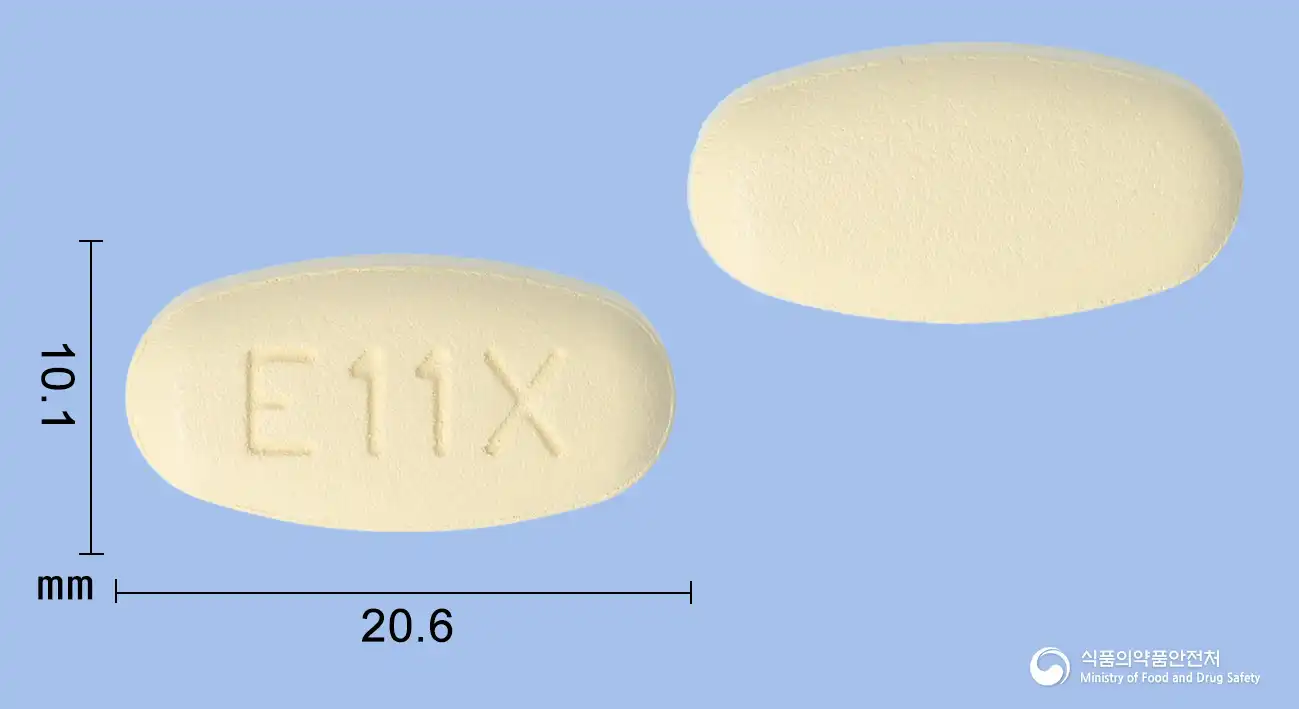
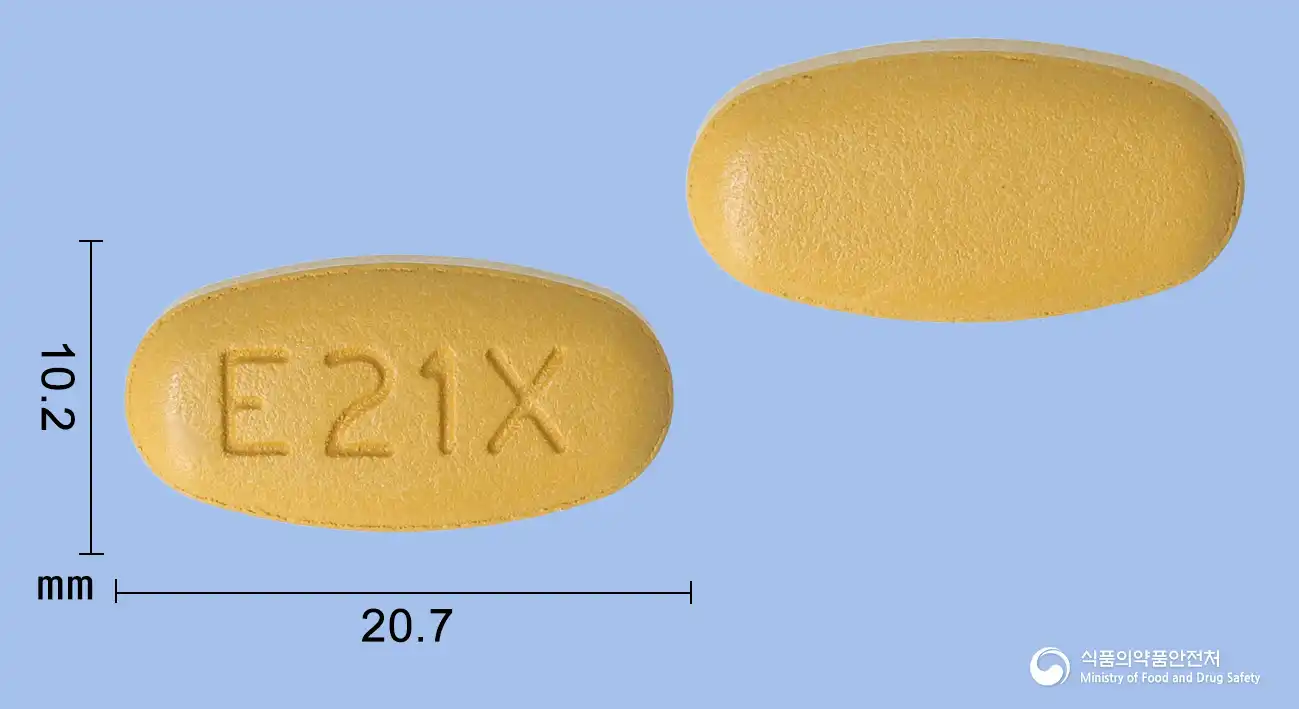
Yellow, double convex, oval extended-release film-coated tablet
Packaging
30 tablets/bottle
Approval status
Active

MFDS item code 202501536 · Approved 2025.06.20 · Insurance code 671808020

Summary

Main use
Improvement of blood glucose control in adults with type 2 diabetes
Who takes it
Adults
Adult dose
For antidiabetic therapy, the recommended dose of this medicine should be determined based on each patient's current treatment regimen, efficacy, and tolerability, without exceeding the maximum daily doses of the individual components: empagliflozin 25 mg, sitagliptin 100 mg, and extended-release metformin hydrochloride 2000 mg. To reduce gastrointestinal adverse reactions caused by metformin hydrochloride, take this medicine once daily with a meal in the evening. If the dose of metformin hydrochloride needs adjustment, increase the dose gradually. Patients taking this medicine as 25/100/1000 mg or 10/100/1000 mg extended-release tablets should take 1 tablet once daily. Patients taking this medicine as 12.5/50/750 mg or 5/50/750 mg extended-release tablets should take 2 tablets once daily. If adequate glycemic control cannot be achieved with combination therapy of metformin hydrochloride and sitagliptin, the starting dose of this medicine is empagliflozin 10 mg, sitagliptin 100 mg, and the patient's current dose of metformin hydrochloride or a therapeutically similar dose. If empagliflozin 10 mg is well tolerated and additional glycemic control is needed, the dose may be increased to empagliflozin 25 mg. For patients switching to this medicine from combination therapy with empagliflozin, sitagliptin, and metformin hydrochloride, the dose of this medicine should be the patient's existing dose of each component. No dose adjustment is necessary in patients with mild renal impairment [creatinine clearance (CrCl) ≧ 60 mL/min or estimated glomerular filtration rate (eGFR) ≧ 60 mL/min/1.73 m2]. In patients with moderate renal impairment [CKD stage 3A, creatinine clearance (CrCl) ≧ 45 mL/min and <60mL/min or estimated glomerular filtration rate (eGFR) ≧ 45 mL/min/1.73m2 and <60mL/min/1.73m2], this medicine may be used by adjusting the dose of metformin hydrochloride, one of its components, if it is well tolerated and the patient has no other condition that may increase the risk of lactic acidosis. Since the starting dose of extended-release metformin hydrochloride is 500 mg or 750 mg once daily, treatment should not be initiated with this medicine. The maximum daily dose of metformin hydrochloride is 1000 mg. If creatinine clearance (CrCl) decreases to less than 45 ml/min or estimated glomerular filtration rate (eGFR) decreases to less than 45 ml/min/1.73m2, treatment with this medicine must be discontinued immediately.

Ingredients

Manufacturer
Daewon Pharmaceutical Co., Ltd.

Efficacy & effects

Improvement of blood glucose control in adults with type 2 diabetes

View approved original text

This medication is a treatment used in conjunction with diet and exercise to help adult patients with Type 2 diabetes more effectively control their blood sugar levels by combining empagliflozin, sitagliptin, and metformin. It helps in stabilizing blood sugar levels to prevent complications associated with diabetes.

How to take

Adult dose

For antidiabetic therapy, the recommended dose of this medicine should be determined based on each patient's current treatment regimen, efficacy, and tolerability, without exceeding the maximum daily doses of the individual components: empagliflozin 25 mg, sitagliptin 100 mg, and extended-release metformin hydrochloride 2000 mg. To reduce gastrointestinal adverse reactions caused by metformin hydrochloride, take this medicine once daily with a meal in the evening. If the dose of metformin hydrochloride needs adjustment, increase the dose gradually. Patients taking this medicine as 25/100/1000 mg or 10/100/1000 mg extended-release tablets should take 1 tablet once daily. Patients taking this medicine as 12.5/50/750 mg or 5/50/750 mg extended-release tablets should take 2 tablets once daily. If adequate glycemic control cannot be achieved with combination therapy of metformin hydrochloride and sitagliptin, the starting dose of this medicine is empagliflozin 10 mg, sitagliptin 100 mg, and the patient's current dose of metformin hydrochloride or a therapeutically similar dose. If empagliflozin 10 mg is well tolerated and additional glycemic control is needed, the dose may be increased to empagliflozin 25 mg. For patients switching to this medicine from combination therapy with empagliflozin, sitagliptin, and metformin hydrochloride, the dose of this medicine should be the patient's existing dose of each component. No dose adjustment is necessary in patients with mild renal impairment [creatinine clearance (CrCl) ≧ 60 mL/min or estimated glomerular filtration rate (eGFR) ≧ 60 mL/min/1.73 m2]. In patients with moderate renal impairment [CKD stage 3A, creatinine clearance (CrCl) ≧ 45 mL/min and <60mL/min or estimated glomerular filtration rate (eGFR) ≧ 45 mL/min/1.73m2 and <60mL/min/1.73m2], this medicine may be used by adjusting the dose of metformin hydrochloride, one of its components, if it is well tolerated and the patient has no other condition that may increase the risk of lactic acidosis. Since the starting dose of extended-release metformin hydrochloride is 500 mg or 750 mg once daily, treatment should not be initiated with this medicine. The maximum daily dose of metformin hydrochloride is 1000 mg. If creatinine clearance (CrCl) decreases to less than 45 ml/min or estimated glomerular filtration rate (eGFR) decreases to less than 45 ml/min/1.73m2, treatment with this medicine must be discontinued immediately.

Precautions

This medication contains three ingredients: sitagliptin, empagliflozin, and metformin hydrochloride. Firstly, the sitagliptin component can rarely cause severe allergic reactions; therefore, if symptoms such as skin rash, difficulty breathing, or swelling of the face or neck occur after taking this medication, discontinue use immediately and consult a doctor. Sitagliptin can potentially trigger pancreatitis, an inflammatory condition of the pancreas, and immediate medical attention should be sought if severe abdominal pain, vomiting, or nausea occurs. The metformin hydrochloride component can rarely cause lactic acidosis, a serious metabolic disorder that poses significant risks; if sudden difficulty in breathing, muscle pain, fatigue, or abdominal pain occurs while taking this medication, you should go to the hospital immediately. Additionally, this medication should not be used in patients with Type 1 diabetes, severe renal impairment, acute heart failure, or hepatic dysfunction. It should also be temporarily discontinued in patients scheduled for surgery or experiencing severe infections. Patients with diminished renal function should especially perform a renal function test before starting this medication, and regularly monitor their kidney status during treatment. This medication carries a risk of hypoglycemia; therefore, when used alongside other hypoglycemic agents like insulin or sulfonylureas, close observation of hypoglycemic symptoms is necessary, and adjustments to the doses of other medications may be required. Furthermore, during the use of this medication, if symptoms of dehydration, diarrhea, or vomiting occur, the risk of side effects due to fluid loss may increase, particularly in individuals aged 75 years and older, who require more vigilant monitoring of their fluid status. Genital and urinary tract infections can occur, and prompt treatment is necessary if symptoms arise. This medication should be swallowed whole without crushing or chewing tablets; occasionally, the tablet shell may appear in the stool, but this is considered normal. Caution is required when driving or operating machinery due to the risk of hypoglycemia, especially when taken with other hypoglycemic agents. Lastly, regular blood tests, renal function tests, and liver function tests are recommended during use; if any unusual symptoms arise, consult a doctor immediately.

Side effects

  • Hypersensitivity
  • anaphylaxis
  • angioedema
  • Stevens-Johnson syndrome
  • acute pancreatitis
  • lactic acidosis
  • hypoglycemia
  • dyspepsia
  • abdominal pain
  • genital pruritus
Show 138 more
  • vulvar pruritus
  • vaginal infection
  • weight loss
  • thirst
  • rash
  • urticaria
  • angioedema
  • decreased fluid volume
  • increased urination
  • urination difficulties
  • interstitial nephritis
  • increased serum lipids
  • increased blood creatinine
  • decreased glomerular filtration rate
  • vaginal moniliasis
  • vulvitis
  • balanitis
  • urinary tract infection
  • perineal necrosis
  • ketosis
  • urosepsis
  • pyelonephritis
  • headache
  • cerebral infarction
  • intracranial aneurysm
  • fever
  • vascular stent stenosis
  • vascular stent thrombosis
  • increased alanine aminotransferase
  • increased aspartate aminotransferase
  • ureteral stones
  • acute kidney injury
  • cervicitis
  • hyperglycemia
  • hyponatremia
  • diabetic foot
  • low back pain
  • glaucoma
  • pathological myopia
  • retinal detachment
  • retinal vein occlusion
  • macular detachment
  • limb injury
  • traffic accident
  • splenic injury
  • sternum fracture
  • angina pectoris
  • Prince-Metal angina
  • coronary artery disease
  • deep vein thrombosis
  • benign neoplasm of the ampulla of Vater
  • benign ovarian tumor
  • bladder cancer
  • gastric cancer
  • pancreatic cancer
  • rectal cancer
  • thyroid cancer
  • uterine leiomyoma
  • acute cholecystitis
  • autoimmune hepatitis
  • cholelithiasis
  • anxiety
  • depression
  • sleep disorders
  • otalgia
  • orthostatic dizziness
  • vertigo
  • anemia
  • lymphadenopathy
  • hypothyroidism
  • thyroid nodule
  • constipation
  • upper respiratory infection
  • herpes zoster
  • dizziness
  • chest discomfort
  • chest pain
  • weakness
  • weight loss
  • vulvar pruritus
  • genital pruritus
  • dyslipidemia
  • hyperglycemia
  • lumbar spine stenosis
  • myalgia
  • limb pain
  • musculoskeletal chest pain
  • arthralgia
  • cervical stenosis
  • fibromyalgia
  • flank pain
  • fracture pain
  • muscle weakness
  • osteoarthritis
  • osteoporosis
  • rotator cuff syndrome
  • astigmatism
  • cataract
  • allergic conjunctivitis
  • blurred vision
  • corneal abrasion
  • macular fibrosis
  • eye discomfort
  • conjunctival congestion
  • eyelid swelling
  • visual impairment
  • vitreous floaters
  • vitreous hemorrhage
  • nasal hemorrhage
  • asthma
  • exertional dyspnea
  • wet cough
  • allergic rhinitis
  • residual phlegm
  • skin laceration
  • contusion
  • rib fracture
  • concussion
  • corneal abrasion
  • fall
  • hand fracture
  • iliotibial band syndrome
  • open eye injury
  • pelvic fracture
  • arteriosclerosis
  • diabetic vascular complications
  • peripheral artery obstructive disease
  • unstable angina
  • hypertension
  • insomnia
  • blistering dermatosis
  • myalgia
  • limb pain
  • back pain
  • interstitial lung disease
  • pruritus
  • thrombocytopenia
  • rhabdomyolysis

Not everyone experiences these, and they can vary from person to person.

Storage

This medication should be stored in a tightly sealed container to protect from air and moisture. The optimal storage temperature is between 1 to 30 degrees Celsius.

Appearance and packaging

Appearance

Yellow, double convex, oval extended-release film-coated tablet

Package unit

30 tablets/bottle

Same-ingredient medicines

Even with the same ingredient, strength, dosage form and how it is taken can differ.

Even with the same ingredient, the dose and directions can differ by strength and dosage form. Talk to a doctor or pharmacist before switching from a medication you are already taking.

Questions about this medicine

No questions yet.

For anything that needs medical judgment, consult a doctor or pharmacist.

Related searches

Search tags

Suggested searches

This drug information is based on data provided by the Korea Ministry of Food and Drug Safety.
Consult a doctor or pharmacist for accurate dosage, administration, and usage instructions.