
 한국어
한국어 English
 日本語
日本語 中文(简体)
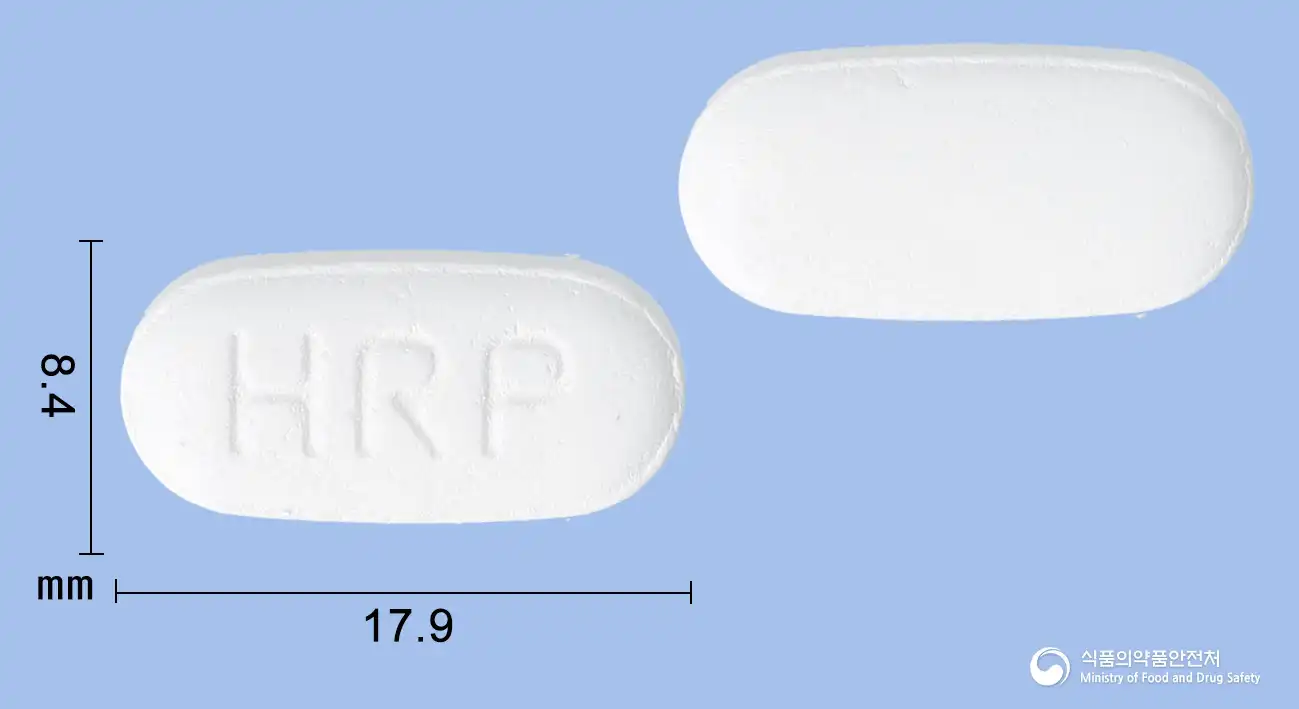 Viewing nowCombination
Hura-Pang Tablets (Sodium Sulfate, Potassium Sulfate, Magnesium Sulfate)
Anhydrous Sodium Sulfate 1250mg · Potassium Sulfate 220.833mg +1 more
Tablet · Prescription medication · Combination
Huons Co., Ltd.
MFDS item code 202501528 · Approved 2025.06.20
Bowel cleansing effect for bowel examination preparation
This medication is used to thoroughly cleanse the bowels before undergoing a colon X-ray examination or endoscopy. It helps remove residual matter in the intestines to ensure that the examination can be performed accurately. Therefore, it is important to take the medication before the examination to empty the bowels. It safely and effectively prepares the bowels, increasing the reliability of the examination results. This is a necessary therapeutic method to ensure smooth examinations.
On the evening before the examination, take a total of 12 tablets from the cup provided, 2 tablets every 10 minutes with 159 mL of water, and then consume an additional 318 mL of water. On the day of the examination, in the morning, after taking the medication the evening before the examination and waiting for 10 to 12 hours, take another total of 12 tablets from the cup provided, 2 tablets every 10 minutes with 159 mL of water, followed by an additional 318 mL of water.
This medication should not be used in patients with hypersensitivity. It should also not be administered to patients with suspected or confirmed bowel obstruction or perforation. It can be risky for patients with reduced intestinal movement or bowel obstruction. It should not be used in patients with toxic colitis or toxic megacolon. Patients with severely impaired kidney function or severe dehydration should not take this medication. It should also not be administered to patients with ascites or congestive heart failure. Caution is required when using this medication in patients with severe fluid abnormalities or abnormal blood chemistry, patients with a history of seizures, or those at risk for arrhythmias. Careful monitoring is needed for patients taking medications that may affect kidney function, those with ulcers in the colon or ischemic colitis, and patients with severe ulcerative colitis. Patients with vomiting reflex disorders or a high risk of aspiration should also be administered this medication with caution. This medication may cause diarrhea following administration, so adequate fluid intake is very important. If symptoms of vomiting or dehydration occur during treatment, electrolyte and kidney function tests should be performed. Electrolyte imbalances can lead to serious issues such as cardiac arrhythmias, seizures, and kidney damage. This medication may temporarily raise blood uric acid levels, posing a risk of acute attacks in gout patients. Patients with heart conditions or a history of arrhythmias should consider an electrocardiogram and use this medication carefully. This medication can cause ulcers in the gastric mucosa, and the risk increases when taken with irritant laxatives. The prescribed amount of water must be adhered to during administration; taking with lesser amounts increases the risk of nausea, vomiting, dehydration, and electrolyte imbalances. The safety of this medication in pregnant women has not been established, therefore it should only be given when the benefits of the diagnosis outweigh the risks. Caution is also necessary for breastfeeding mothers. The safety for pediatric patients has not been established, thus its use is not recommended. For elderly patients aged 65 and older, it can be used without special adjustments compared to younger patients. This medication should be kept out of reach of children and should ideally not be transferred to other containers.
Not everyone experiences these, and they can vary from person to person.
This medication may be sensitive to air or moisture, so it must be stored in a tightly sealed container. It is best to maintain the storage temperature between 1 and 30 degrees Celsius. Proper storage will help maintain the effectiveness of the medication for a longer duration.
White oblong film-coated tablets
24 tablets per bottle
Even with the same ingredient, strength, dosage form and how it is taken can differ.
Viewing nowCombinationAnhydrous Sodium Sulfate 1250mg · Potassium Sulfate 220.833mg +1 more
Tablet · Prescription medication · Combination
Huons Co., Ltd.
Anhydrous Sodium Sulfate 17.5g · Potassium Sulfate 3.13g +1 more
Solution · Prescription medication · Combination
Korea Pharmbio Co., Ltd.
Anhydrous Sodium Sulfate 17.5g · Potassium Sulfate 3.13g +1 more
Solution · Prescription medication · Combination
McNulty Pharmaceutical Co., Ltd.
Anhydrous Sodium Sulfate 17.5g · Potassium Sulfate 3.13g +1 more
Prescription medication · Combination
IntroBioPharma Co., Ltd.
Anhydrous Sodium Sulfate 17.5g · Potassium Sulfate 3.13g +1 more
Prescription medication · Combination
Korea Pharmbio Co., Ltd.
Anhydrous Sodium Sulfate 17.5g · Potassium Sulfate 3.13g +1 more
Solution · Prescription medication · Combination
Korea Pharma Co., Ltd.
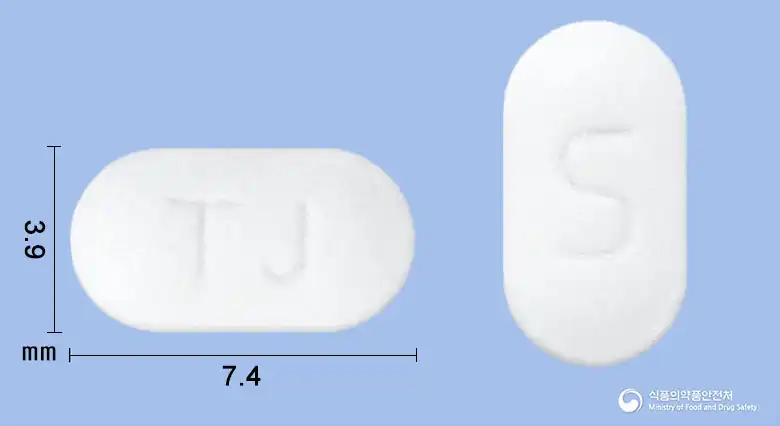 Combination
Anhydrous Sodium Sulfate 17.5mg · Potassium Sulfate 3.13mg +1 more
Tablet · Prescription medication · Combination
Taejun Pharmaceutical Co., Ltd.
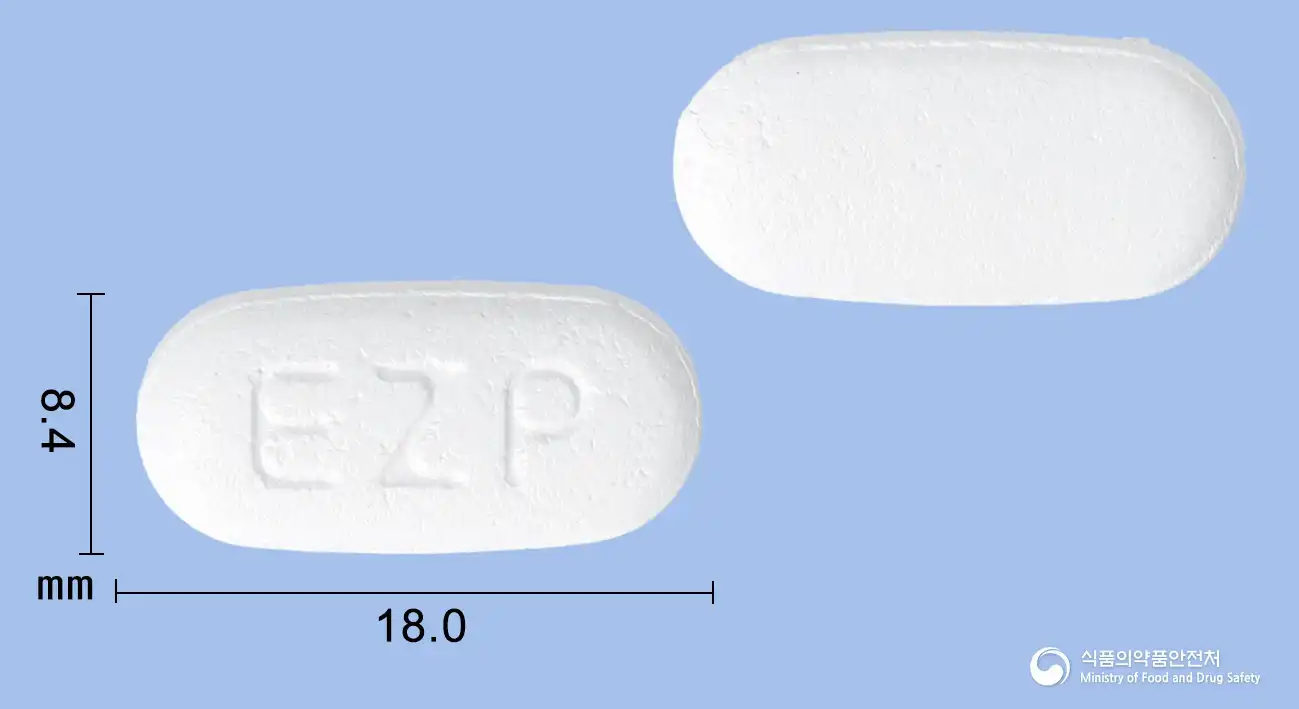 Combination
Anhydrous Sodium Sulfate 1250mg · Potassium Sulfate 220.833mg +1 more
Tablet · Prescription medication · Combination
Intro Bio Pharma Co., Ltd.
Even with the same ingredient, the dose and directions can differ by strength and dosage form. Talk to a doctor or pharmacist before switching from a medication you are already taking.
No questions yet.
For anything that needs medical judgment, consult a doctor or pharmacist.
This drug information is based on data provided by the Korea Ministry of Food and Drug Safety.
Consult a doctor or pharmacist for accurate dosage, administration, and usage instructions.